
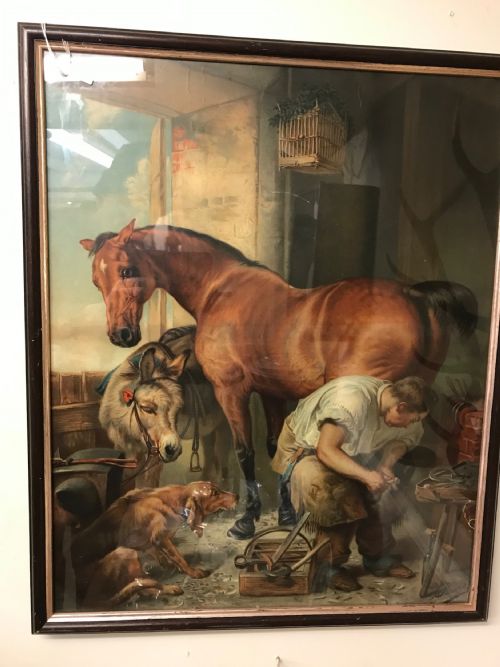


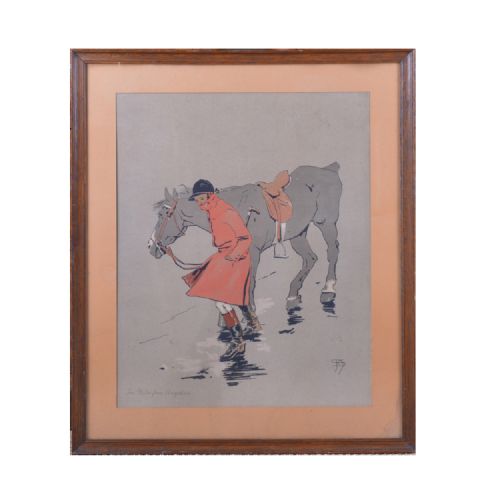

Framed Equestrian Lithograph Picture
A framed equestrian lithograph picture brings the energy and tradition of British field sports directly to your wall.
Framed Equestrian Lithograph Picture
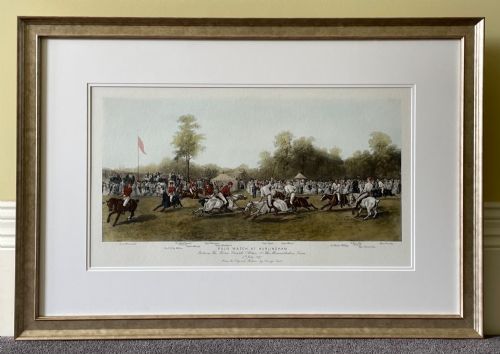
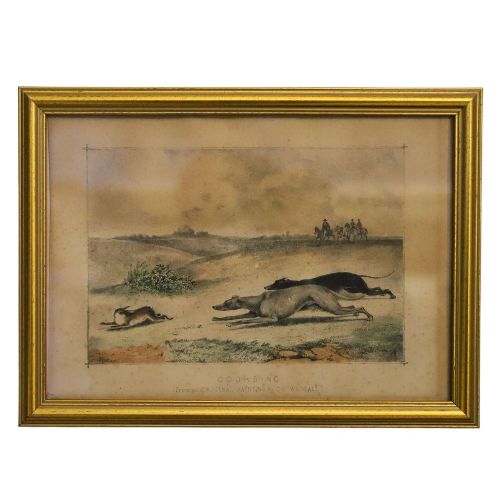
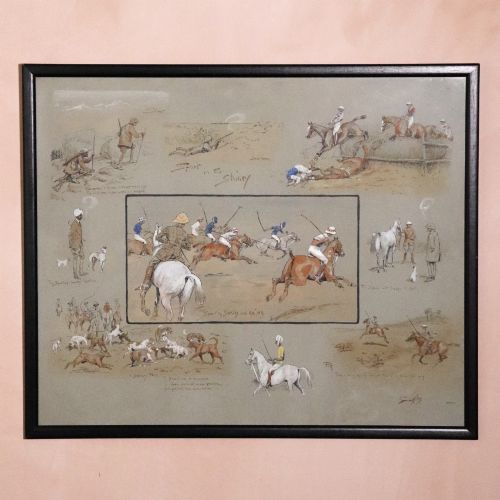
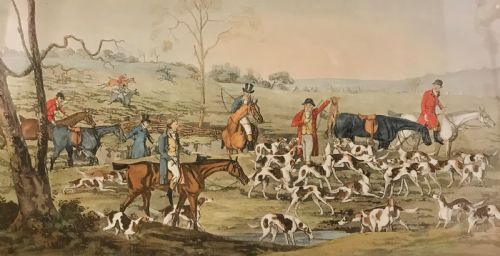
A framed equestrian lithograph picture captures horses, riders and hounds through print methods developed across the nineteenth and early twentieth centuries. These artworks span Victorian and Edwardian sporting themes, recording polo matches, hunting meets and coaching scenes.
The pieces on this page originate from periods such as the nineteenth century, the Victorian era and the 1910s to 1930s. Buyers will find works depicting subjects like hare coursing, polo at Hurlingham and four-in-hand club gatherings.
Many items present traditional British country house aesthetics through framed prints, wall art and chromolithographs. These works range from Vanity Fair double prints to individual plates published by artists and sporting journals.
What separates examples
Quality rests in the clarity of the printed line and the depth of the ink on paper. Stronger examples retain their original tones without fading or heavy discolouration across the sheet.
The quality of the framing materials also distinguishes the piece. Original wooden or gilt wood frames with intact gesso enrich the presentation compared to later replacements.
Listings here feature works from the nineteenth century, the Victorian era, and the 1910s through to the 1940s.
C. H. Weigall·Edwin Henry Landseer·Frank Dadd·Frank Algernon Stewart
The Framed Equestrian Lithograph Picture Glossary
- Lithograph
- A print made by drawing on limestone or a metal plate with a greasy substance so that ink adheres only to the design. This method allowed for detailed reproductions of sporting paintings.
- Chromolithograph
- A colour lithograph produced using multiple stones or plates, one for each colour used. This technique created rich, multi-toned prints popular in the nineteenth century.
- Sporting Art
- Artwork depicting horses, hounds, shooting, hunting and racing. This genre flourished in Britain throughout the Georgian and Victorian periods.
- Gilt Wood
- Wood that has been coated with a thin layer of gold leaf or gold paint. It provides a traditional decorative border for framed artwork.
Framed Equestrian Lithograph Picture: Frequently Asked Questions
What periods do these prints come from?
The selection spans from the nineteenth century through the Edwardian era and into the 1930s and 1940s. Many pieces reflect Victorian and early twentieth-century British sporting traditions.
Dates range from early nineteenth-century publications up to mid-century printings, offering a broad historical sweep of equestrian imagery.
How should I hang these pictures?
These framed works suit studies, hallways and traditional living spaces where British field sports themes complement the interior. Ensure they hang away from direct sunlight to protect the paper and ink.
Grouping smaller prints together creates a traditional country house aesthetic, while larger single works serve as focal points on a wall.
What subjects are most common?
Common subjects include fox hunting, polo matches, coaching scenes and military horse sports. Works often capture specific moments like hunts, meets and racing.
Artists frequently portrayed hounds, horses and riders in active field settings across Britain and colonial outposts.
How do I care for framed paper prints?
Keep the framed pictures in a stable environment with moderate humidity to prevent warping of the wood and damage to the paper. Avoid moisture near the gilt wood and gesso frames.
Dust the glass gently with a dry cloth and check that the backing paper remains secure to protect the print from dust.