
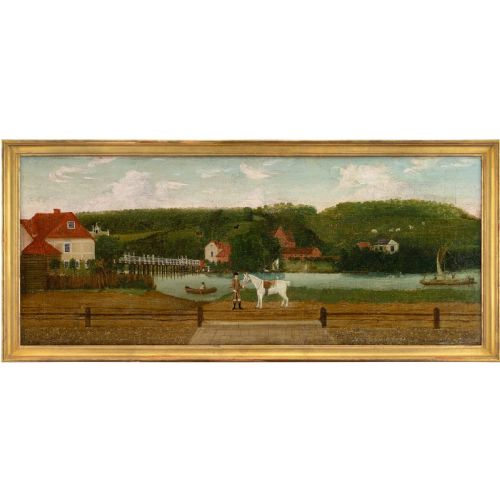

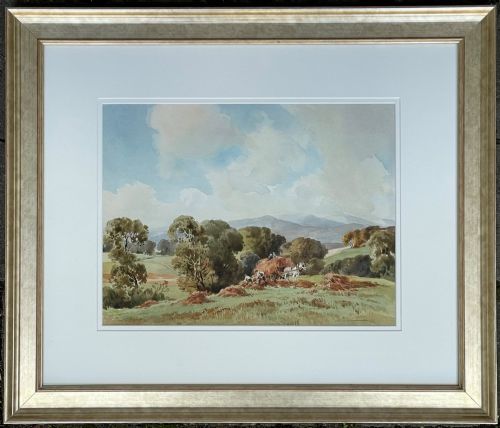
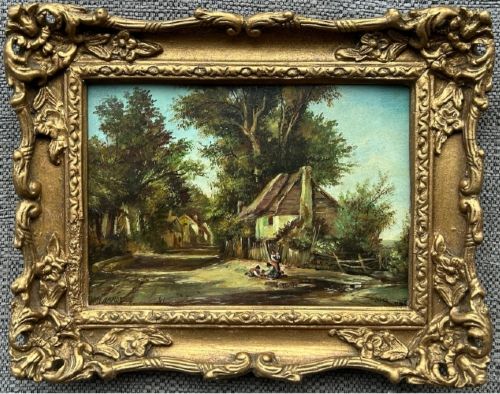
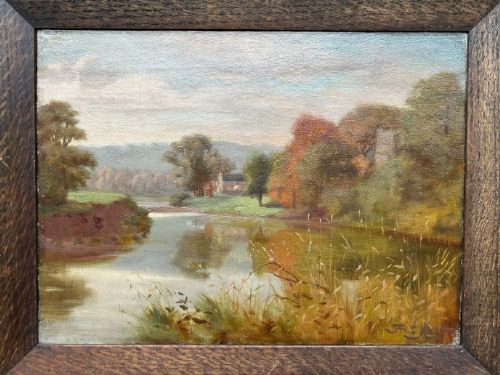

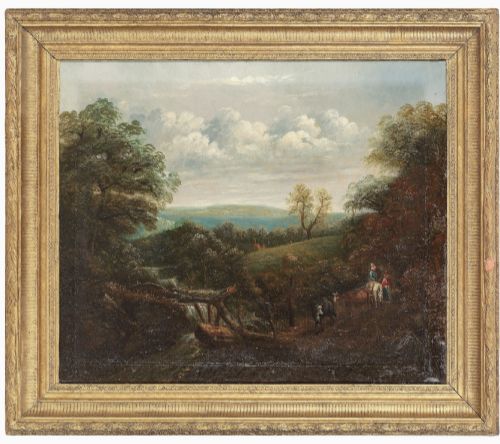
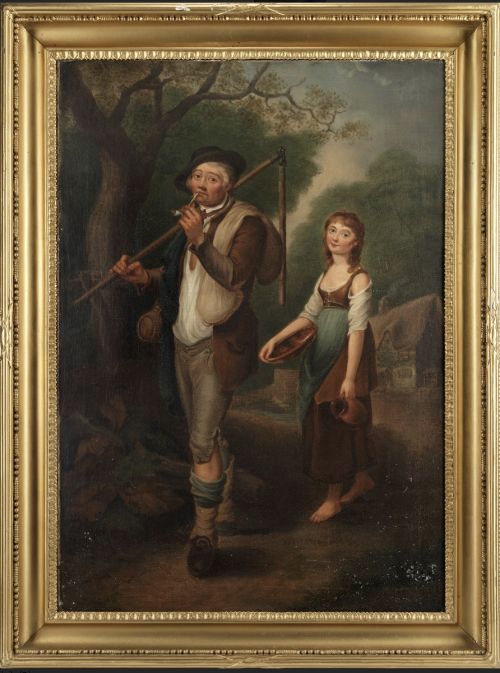
Framed English Landscape Artwork
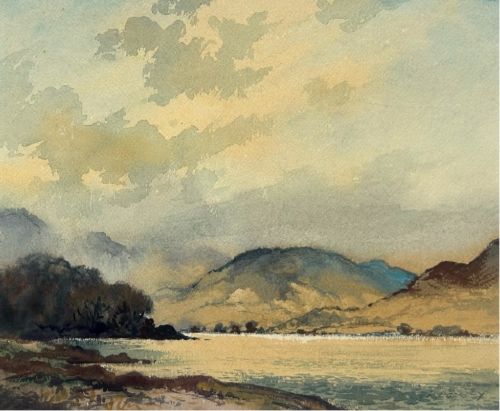
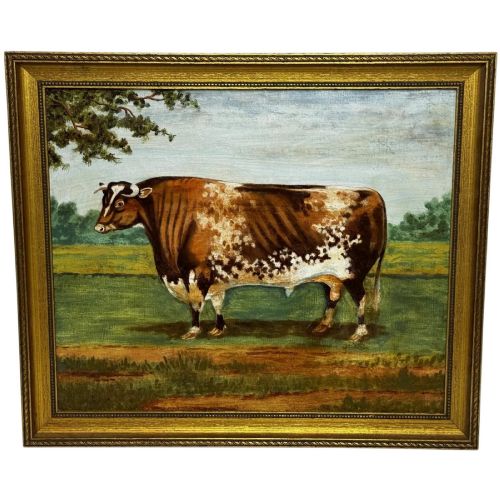
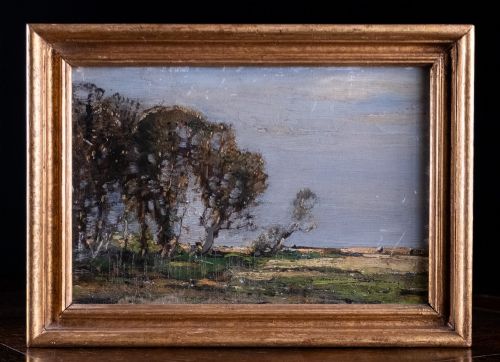
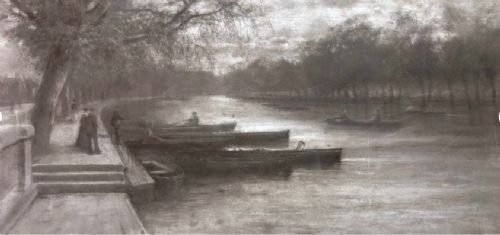
These framed english landscape artwork selections bring together centuries of countryside and coastal views rendered in oil, watercolour, and pastel.
Framed English Landscape Artwork
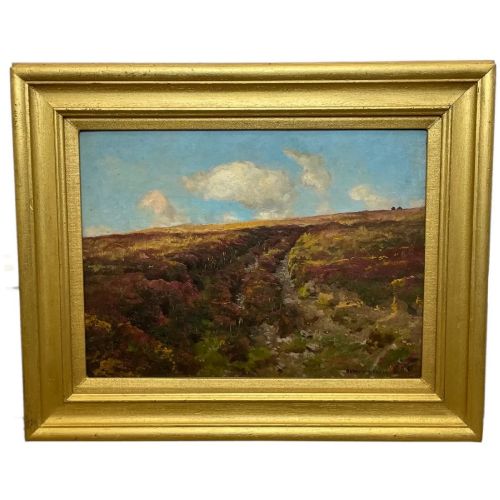
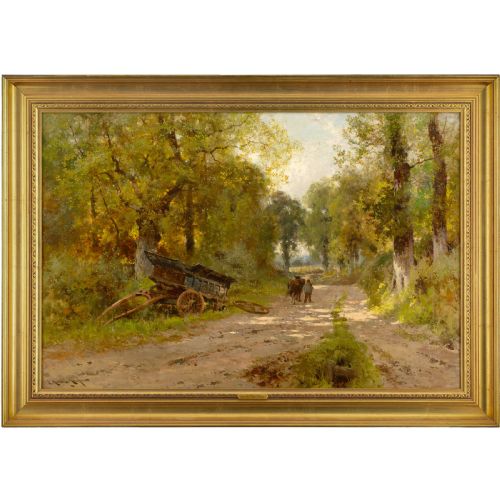
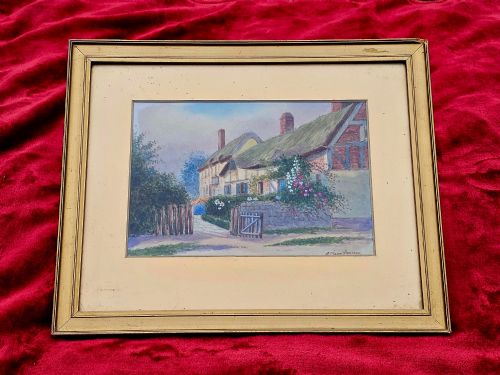
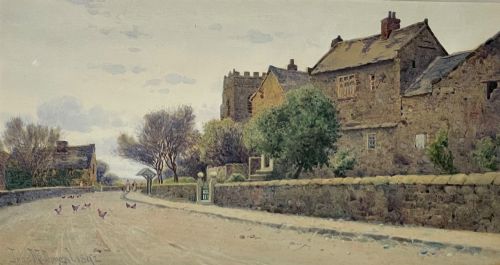
Framed english landscape artwork encompasses paintings and works on paper capturing rural scenes, coastal vistas, rivers, and country paths across Britain. The selection spans the late eighteenth century through the mid twentieth century, reflecting shifting artistic approaches to topography and nature.
Buyers encounter oil paintings on canvas, panel, and card alongside detailed watercolours and pastels. Victorian pastoral scenes and Edwardian watercolours appear frequently alongside later twentieth century interpretations.
Works originate from named regional artists and broader British schools, presented within their original or period-appropriate frames of wood, giltwood, and glass.
How they were made
Artists worked primarily in oil on canvas, board, and panel, or applied watercolour and ink to paper. Pigments were manipulated to capture natural light, atmospheric conditions, and specific regional topography.
Frames utilise wood and giltwood, often fitted with glass to protect works on paper from environmental damage. Many pieces retain their period frames, contributing to the historical integrity of the artwork.
Listings feature works spanning the nineteenth and twentieth centuries, incorporating oil on canvas, watercolour, and charcoal.
What varies in quality
The strength of composition and the artist's ability to handle light and atmosphere determine the standing of each piece. Skilled brushwork and confident handling of medium distinguish superior examples from routine topographical records.
The condition of the medium, the integrity of the surface support, and the preservation or quality of the framing enclosure influence overall merit. Works that retain strong colour and stable grounds command greater appreciation among collectors.
James Orrock·Percy Lancaster·William Howard Hardy·Frederick Marriott·Arthur Wardle·John Horace Hooper·A. Marie Parsons·John McDougal·Robert Leslie Howey·Kershaw Schofield·William Banks Fortescue·Thomas Barker of Bath·Robert A. Nottingham·David Bates·Benjamin Barker of Bath·Muriel Metcalfe·Walter Heath Williams·Fred Lawson·Robert Thorne Waite·John Smith Atherton·Thomas Sidney Cooper·Raymond Booth·James Fry·Ernest Arthur Rowe·Frederick Walker
The Framed English Landscape Artwork Glossary
- Watercolour
- A paint consisting of colour suspended in a water-soluble vehicle, commonly applied to paper to achieve translucent effects.
- Giltwood
- Wood carved and covered with a thin layer of gold leaf or gold paint, frequently utilised for period picture frames.
- British Impressionism
- A late nineteenth and early twentieth century painting style focusing on light and everyday subjects with loose brushwork.
- Panel
- A flat piece of wood or other rigid material used as a support for oil paintings instead of canvas.
Framed English Landscape Artwork: Frequently Asked Questions
How do I identify the period of a landscape painting?
Examine the materials, stretcher frames, and paper types used in the construction of the artwork. Stylistic markers such as Victorian pastoral clothing or Edwardian watercolour palettes also offer clear chronological clues.
Furthermore, artist signatures, inscriptions on the reverse, and period framing styles help narrow down the exact decade of creation.
What is the difference between oil and watercolour landscapes?
Oil paintings utilise pigment suspended in drying oils applied to canvas, board, or panel, offering rich texture and depth. Watercolours employ water-soluble pigments on paper, resulting in lighter, translucent compositions.
Oils are typically framed under glass only when on paper, whereas watercolours require constant glass protection against moisture and dust.
Are these artworks in their original frames?
Many pieces retain their period giltwood or wood frames, which complement the age and aesthetic of the painting. Original framing often shows honest signs of age that match the wear on the artwork itself.
Some works may have been reframed later to suit changing interior tastes or to provide better archival protection.
How should I care for antique landscape watercolours?
Watercolours on paper require placement away from direct sunlight to prevent fading of sensitive pigments. Maintaining stable indoor humidity levels protects both the paper support and the historical frame.
Glazing should remain intact to shield the delicate surface from airborne pollutants and physical contact.