
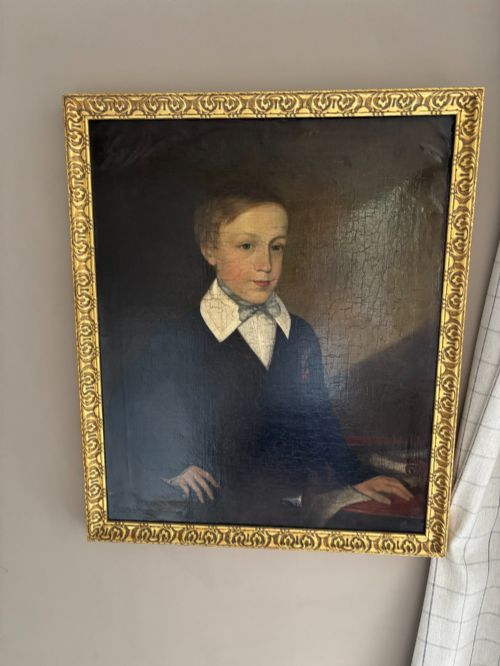
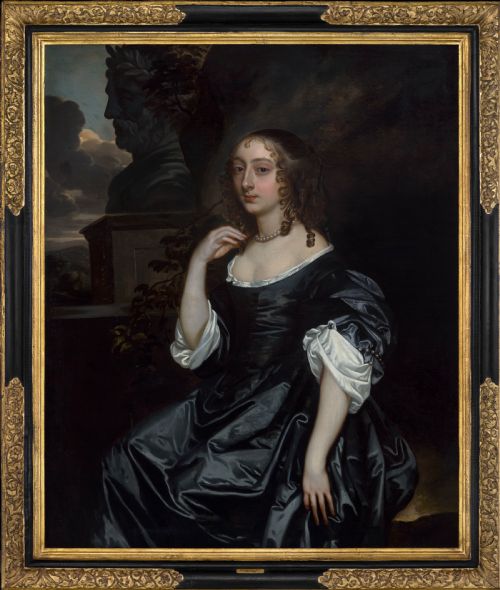
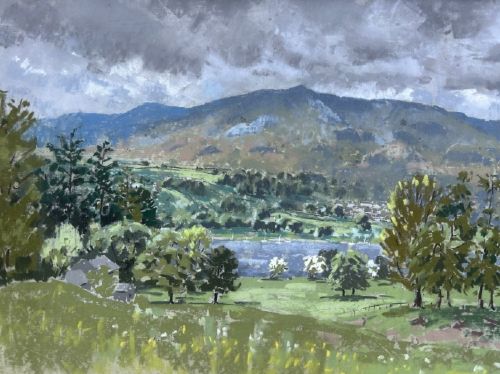
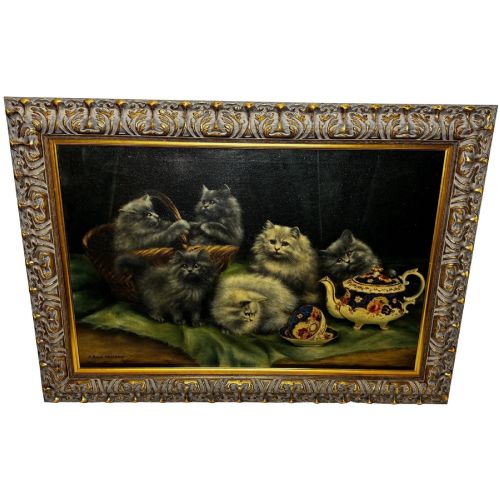
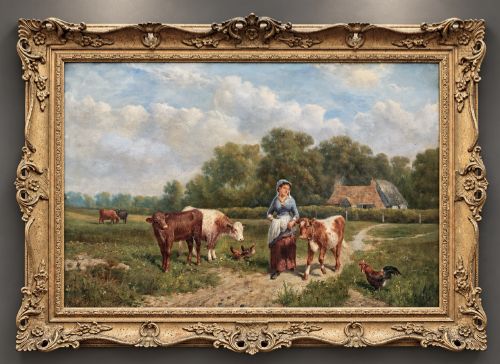
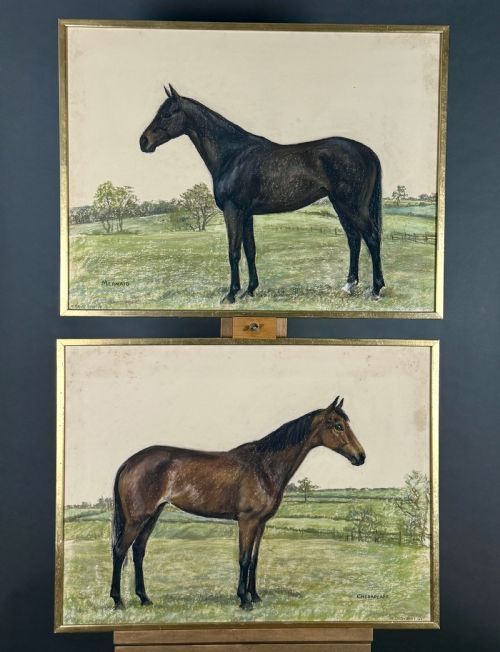
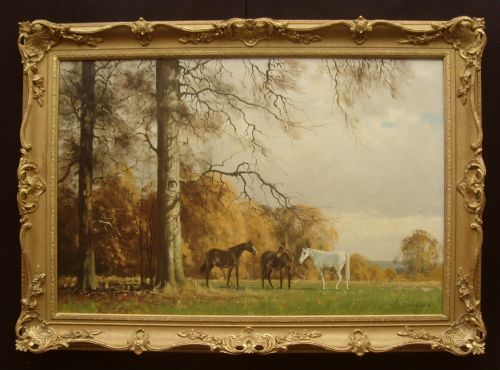
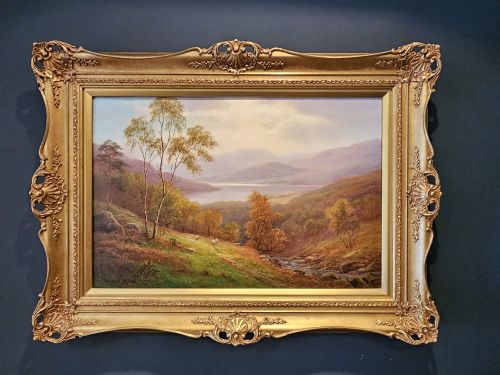
Framed English Artwork
Framed english artwork brings together centuries of portraits, landscapes and seascapes preserved behind glass and within period wood frames.
Framed English Artwork
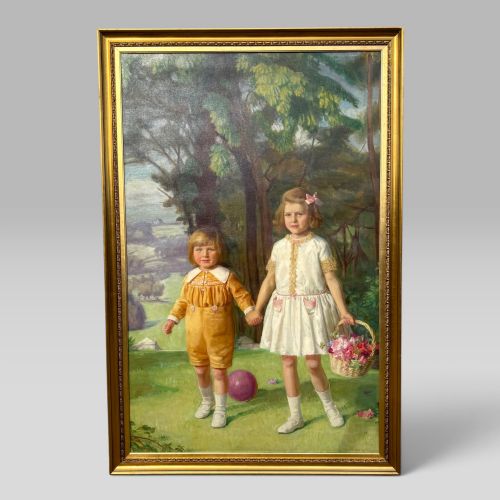
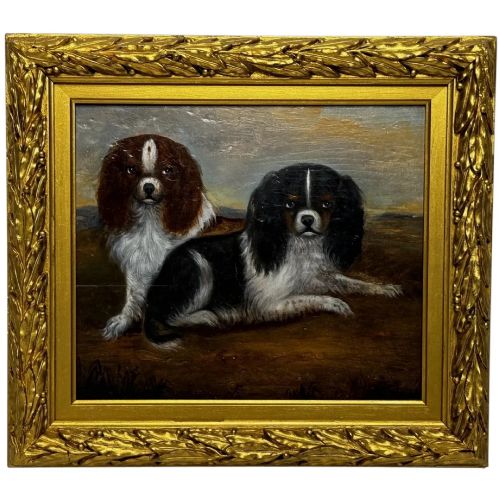
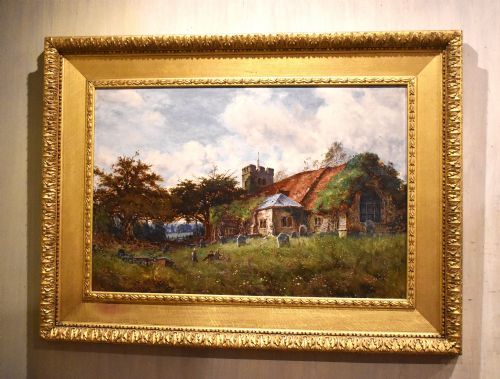
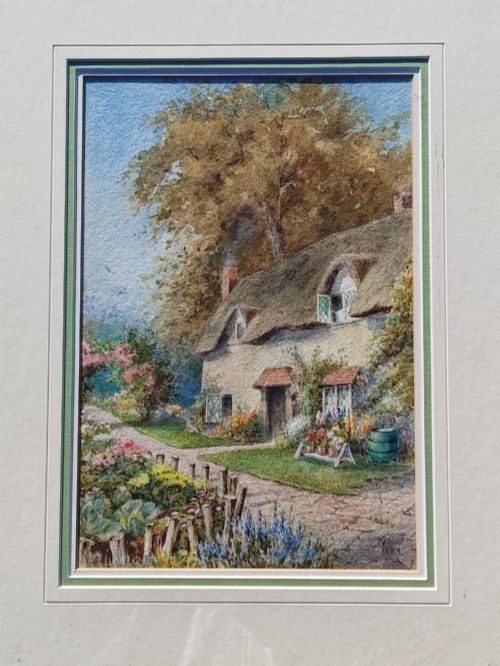
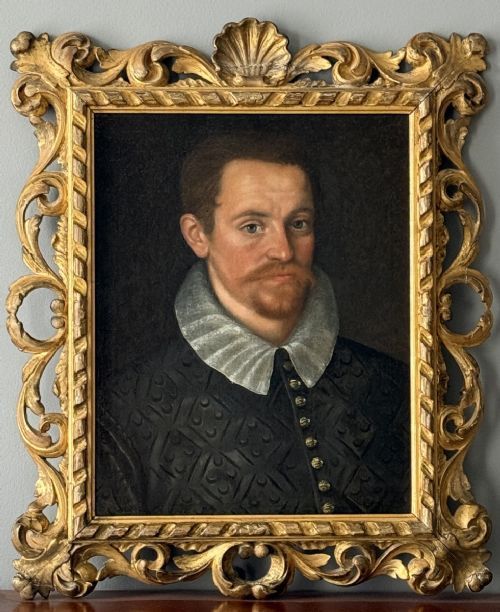
When searching for framed english artwork, collectors encounter a diverse range of historic visual material spanning from the seventeenth century through to the mid-twentieth century. The selection leans heavily towards oil paintings on canvas or panel and watercolours on paper, capturing traditional domestic scenes, rural landscapes and formal portraiture.
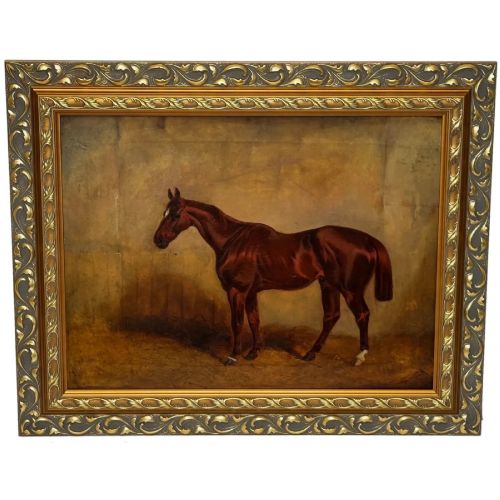
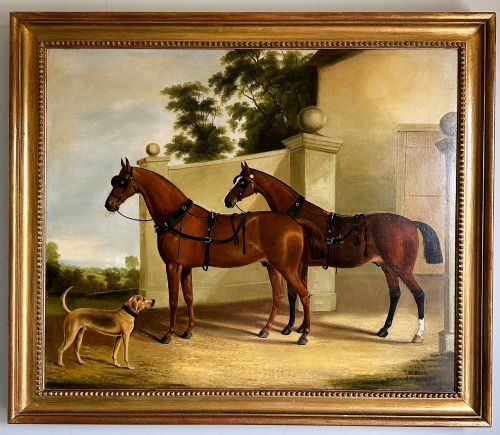
Pieces frequently reflect established regional traditions such as the Norwich School or British Impressionism alongside works by named practitioners. Forms range from intimate portrait miniatures and charcoal drawings to large scale landscapes and equestrian studies housed in their original surrounds.
Materials and Construction
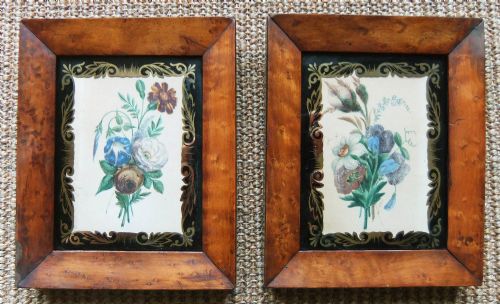
Makers utilised traditional supports including stretched canvas, oak panels, heavy paper and card, applying oil pigments, watercolours, pastels or mixed media according to the chosen medium. Many works retain their period giltwood, wood or glass mountings, which protect the delicate surfaces underneath.
Techniques varied from meticulous academic portraiture and detailed topographical watercolours to looser plein air impressionist brushwork. The integration of paper silhouettes and enamel painting demonstrates the breadth of historic British craftsmanship found within these categories.
Among the historical subjects preserved behind glass, a prized shorthorn bull stands shoulder to shoulder with nobility.
Evaluating Quality and Execution
The distinction between standard works and finer pieces rests in the surety of the draughtsmanship, the handling of light and pigment, and the psychological depth of portrait subjects. Superior examples display confident brushwork and anatomical correctness that mark the hand of a trained academic painter or established regional artist.
Survival of original components also influences merit, particularly when a painting retains its period giltwood frame and contemporary glazing in undisturbed condition. The clarity of provenance and documented attribution to a recognised school or individual maker elevate an object's historical standing.
William James Hubard·Joseph Clover·James Orrock·Percy Lancaster·William Howard Hardy·Frederick Marriott·Arthur Wardle·Joshua Reynolds·James Watson·Anthony Van Dyck·John Horace Hooper·A Marie Parsons·Godfrey Kneller·John McDougal·Horace Hone·Robert Leslie Howey·William Etty·Kershaw Schofield·John Russell·William Banks Fortescue·Thomas Barker of Bath·Robert A Nottingham·David Bates·Benjamin Barker of Bath·Henry Silkstone Hopwood
The Framed English Artwork Glossary
- Oil on Canvas
- Pigment mixed with drying oil applied to a woven fabric support stretched across a wooden frame. This method allows for rich colour blending and textured impasto application.
- Watercolour
- A painting method where fine pigment is suspended in a water-soluble binder and applied to paper. It is prized for its translucent qualities and immediacy of execution.
- Giltwood
- Wood carved and coated with a thin layer of gold leaf or metallic gilt powder. This finish was standard for formal picture frames throughout the Georgian and Victorian periods.
- Mezzotint
- A printmaking process of the intaglio family where a copper plate is roughened to produce dark tones and scraped to create highlights. It was widely used for reproducing popular oil paintings.
- Panel
- A rigid wooden support used by artists instead of canvas, common in earlier periods. Oak and mahogany were frequently selected for stability.
Framed English Artwork: Frequently Asked Questions
How do I date an antique painting?
Dating relies on stylistic clues within the subject's costume, the composition, and the physical construction of the canvas support or wooden panel. Examining the back of the frame, stretcher bars, and any historic inscriptions often reveals further chronological evidence.
Material analysis of the pigments and paper can also narrow down the period of creation. Comparing the technique to documented works by contemporary schools provides a reliable benchmark.
Should I reframe historic artwork?
Original frames, particularly period giltwood examples, contribute significantly to the historic character and integrity of an artwork. Removing or replacing them can diminish the piece's contextual value.
Conservation framing methods are generally preferred to stabilise existing antique surrounds rather than substituting them with modern alternatives. Professional advice ensures the artwork remains properly protected without losing its period context.
What is the difference between an oil and a watercolour?
Oil paintings utilise slow-drying pigment suspended in oil, applied to canvas or panel, allowing for rich textures and deep colour saturation. Watercolours use water-soluble pigments on paper, creating translucent washes and lighter effects.
Oils are traditionally displayed without glass to allow the surface to breathe, whereas watercolours require glass protection against atmospheric moisture and dust. Each medium demands different conservation and hanging environments.
How should I care for framed works at home?
Artworks on paper and canvas require stable environmental conditions away from direct sunlight and high humidity to prevent fading and warping. Maintaining consistent indoor temperatures protects both the painted surface and the wooden frame.
Dust should be removed gently from frames using a soft, dry brush without touching the painted medium itself. Regular checks of the hanging wire and backing boards ensure the piece remains secure.