


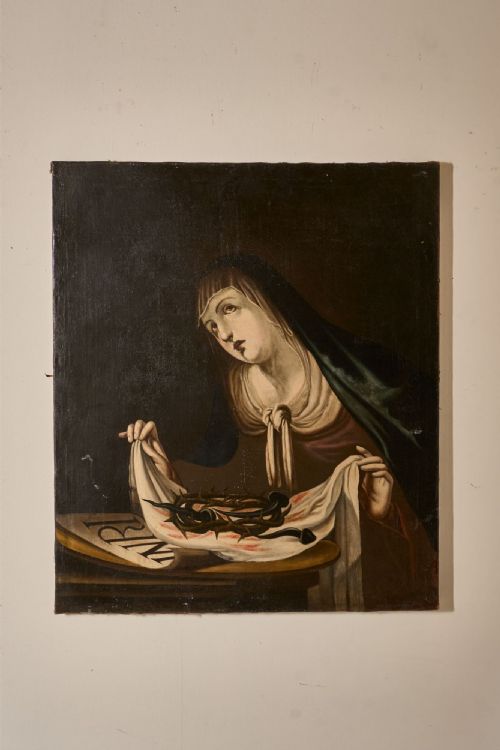


Framed Devotional Oil Painting
A framed devotional oil painting brings centuries of sacred imagery and quiet contemplation into a room, spanning periods from the sixteenth century to the twentieth.
Framed Devotional Oil Painting
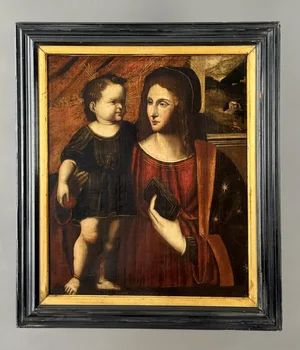
A framed devotional oil painting represents holy figures, saints, and biblical narratives intended for personal prayer or sacred spaces. When you search for this phrase, you encounter works spanning several centuries, including the sixteenth, seventeenth, and eighteenth centuries, alongside later nineteenth-century interpretations.
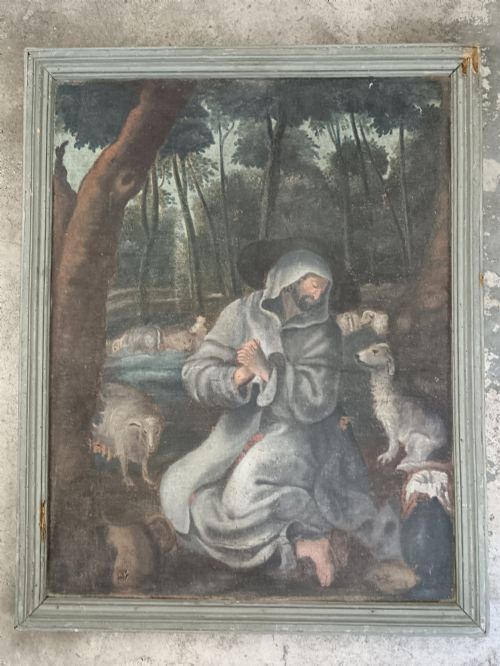
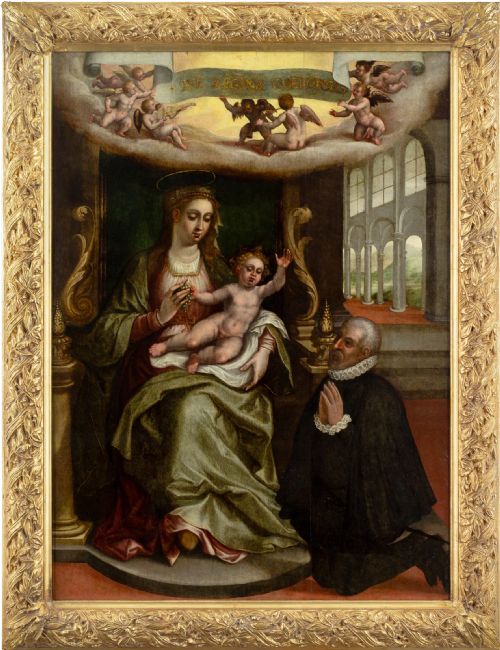
The selections on this page frequently originate from European traditions, notably Italian, Spanish, French, and Central European schools. Common subjects include the Virgin and Child, Madonna and Child, Saint Francis, and scenes from the Passion of Christ.
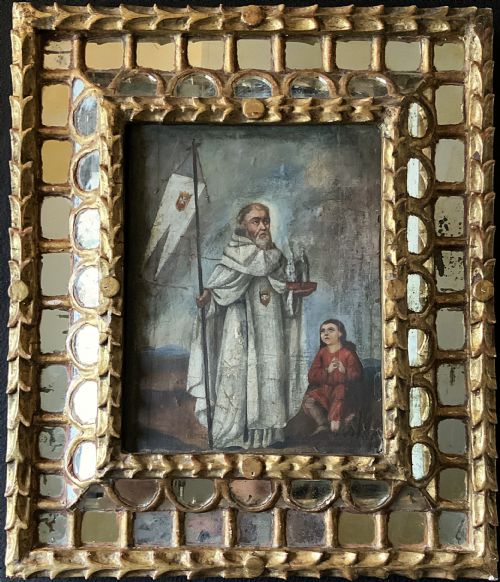
You will find canvases and wooden panels housed in period surrounds such as giltwood and gesso frames. These items range from large religious portraits to intimate devotional panels reflecting regional schools and specific artistic circles.
How they were made
Makers utilised oil paint applied to canvas or wood panels, building up layers of pigment to achieve depth in religious portraits and narrative scenes. Canvases are frequently stretched and secured within substantial wooden frames.
Surrounds often incorporate gold leaf and gesso mouldings, carved and gilded to complement the sacred subject matter within. Certain pieces exhibit visible pentimenti, where earlier compositional changes show through the aged oil layers.
The listings span works from the sixteenth, seventeenth, eighteenth, nineteenth, and early twentieth centuries, utilising oil paint, gold leaf, and gesso.
What varies in quality
The standard of execution in a framed devotional oil painting depends on the sureness of the brushwork and the expressive depth given to the holy figures. Works originating from recognised schools or follower circles demonstrate superior draughtsmanship compared to simpler naïve examples.
Preservation of the original paint surface and the matching period frame significantly influence the integrity of the piece. Subtle details, such as the handling of drapery, facial expressions, and the application of gold leaf, distinguish finer workshop productions from standard decorative works.
Bernardino Luini·Miguel Barroso·Benvenuto Tisi·Costantino Frixione·Juan Ruiz Soriano·Gaspar de Figueroa·Murillo·Ambrious Benson·Rahael·Guido Reni·Reynard Le Vieux
The Framed Devotional Oil Painting Glossary
- Pentimento
- A visible trace of an earlier painting,- or brushstroke that was changed by the artist during the composition process. This alteration often reveals the creative evolution beneath the final oil layers.
- Giltwood
- Wood that has been covered with a thin layer of gold leaf or gold powder. It provides the ornate, reflective borders seen on many period frames.
- Gesso
- A paint mixture consisting of a neutral binder mixed with chalk, gypsum, or pigment. It served as a smooth preparation base for wooden panels and gilded frames before painting.
- Ex-Voto
- A votive offering presented to a saint or divinity in fulfillment of a vow. These devotional paintings often record prayers of thanksgiving or petition.
- School
- A group of artists or a particular style associated with a specific region, master, or period. This designation helps identify the geographic and stylistic origin of unsigned works.
Framed Devotional Oil Painting: Frequently Asked Questions
How do I identify the age of a framed devotional oil painting?
Examination of the canvas weave, wood panel preparation, and the style of the giltwood frame provides initial clues to the century of origin.
Studying the painting technique and the specific iconography also helps place the work within periods such as the Spanish Baroque or Italian Renaissance.
What subjects appear most frequently in these religious paintings?
Depictions of the Madonna and Child dominate these selections, alongside portraits of saints such as Francis of Assisi and Saint John the Baptist.
Narrative scenes including the Crucifixion and Christ crowned with thorns also feature prominently across European school works.
Where were these devotional paintings originally displayed?
These works were created for private domestic chapels, personal prayer corners, or local parish churches to aid in contemplative worship.
Smaller panels and canvases allowed individuals to carry or place sacred imagery close to their living quarters.
How should I care for an antique oil painting and its frame?
Keep the painting away from direct sunlight and sources of heat to prevent the canvas from sagging and the oil paint from cracking.
Dust the giltwood frame gently with a dry, soft brush and avoid applying moisture or cleaning agents to the delicate surfaces.