
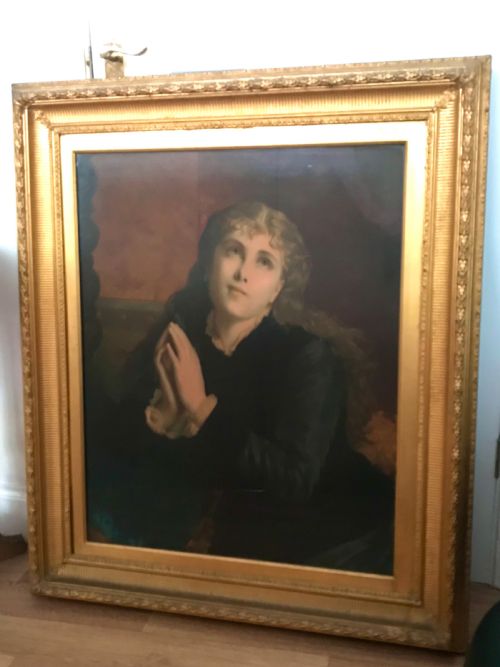


Christian Devotional Portrait
A christian devotional portrait brings sacred figures into quiet domestic spaces through centuries of European artistry.
Christian Devotional Portrait
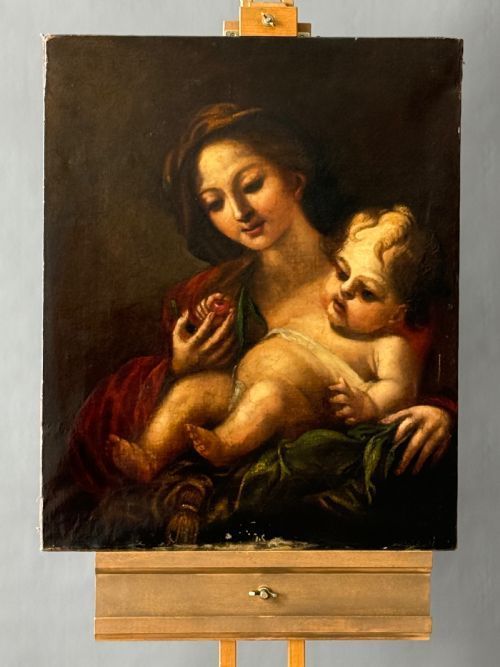
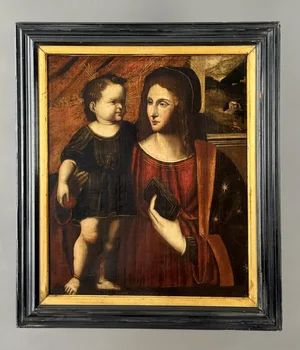
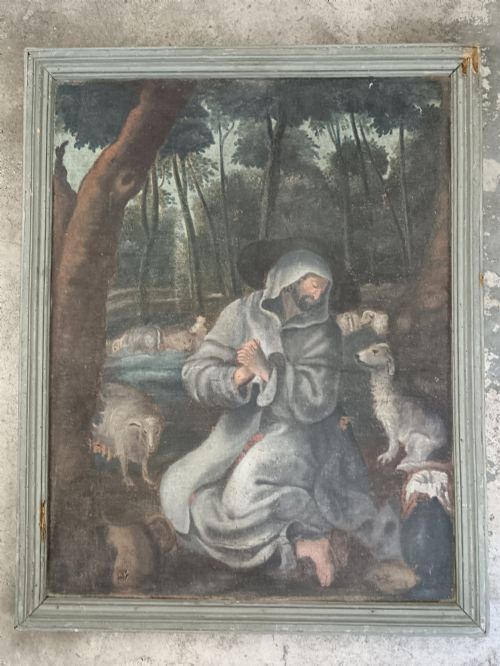
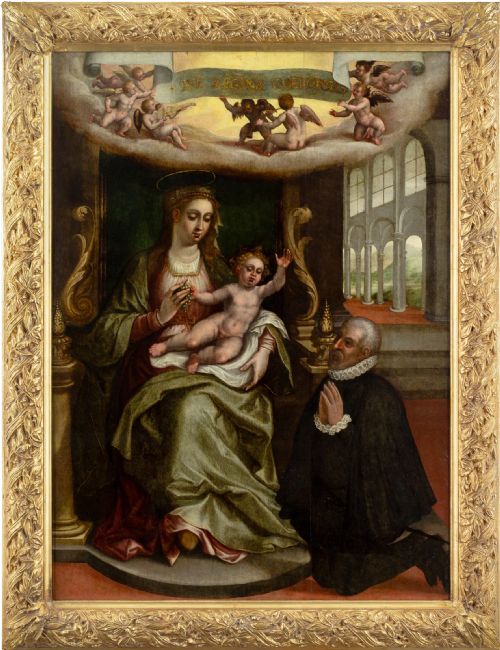
A christian devotional portrait serves as a personal focus for prayer, meditation, and contemplation within the home. These works centre on venerated figures such as the Virgin and Child, Christ the Saviour, and various saints.
The pieces gathered here span from the sixteenth century through to the twentieth century, originating from Italian, French, Spanish, and Central European schools. Oil on canvas works predominate, alongside painted wooden panels, metal pendants, and enamel plaques.
Buyers encounter everything from large academic oil paintings to small, intimate depictions meant for private reflection. Regional hands shape these expressions, moving from Renaissance balance through Baroque drama to nineteenth-century interpretations.
Materials and Construction
Painters applied oil media onto prepared canvas or wooden panels, sometimes incorporating gold leaf and gesso grounds to catch the ambient light. Metalwork pieces employ cast or struck precious metals, while enamel plaques fuse glass powders onto copper bases at high heat.
Supports range from sturdy timber boards to woven textiles, often stretched over traditional wooden frames. Protective elements like glass cover delicate surfaces, particularly on smaller pendants and oleograph reproductions.
Italian Renaissance and Baroque schools represent the primary origins for these devotional paintings.
Judging Quality and Execution
Execution rests upon the surety of the brushwork and the depth of emotional resonance in the subject's expression. Masterful handling of light, shadow, and drapery distinguishes accomplished school works from simpler provincial interpretations.
The preservation of the original paint layer and the integrity of the ground matter significantly. Pentimenti, where an artist changes composition mid-process, reveal genuine working methods that enhance historical interest.
Miguel Barroso·Bernardino Luini·Girolamo Dai Libri
The Christian Devotional Portrait Glossary
- Oil on Canvas
- Pigments bound in a drying oil applied to a woven fabric support. This combination allows for rich blending and tonal subtlety.
- Gesso
- A traditional paint mixture consisting of a binder mixed with chalk, gypsum, or pigment. It provides a smooth surface for gilding and painting.
- Pentimento
- An alteration in a painting evidenced by visible traces of previous work beneath the current surface. Such changes show the artist's developing thought process.
- Oleograph
- A mechanical colour lithograph printed to imitate an oil painting on canvas. These emerged widely in the nineteenth century for popular devotion.
- Enamel Plaque
- Glass fused to a metal substrate through firing at high temperatures. Limoges became particularly famous for producing devotional plaques in this technique.
Christian Devotional Portrait: Frequently Asked Questions
Where were these portraits hung?
Devotional portraits typically hung in private chambers, domestic chapels, or quiet corners of the home for daily prayer.
Larger canvases belonged to affluent households or institutions, while small panels and pendants travelled with individuals.
How do I date an old painting?
Dating relies on examining the canvas weave, stretcher construction, pigment types, and stylistic conventions of the period.
Comparative analysis with known school works helps narrow down the century and regional origin.
What is an oleograph?
An oleograph is a nineteenth-century reproduction technique that uses chromolithography to mimic the texture of oil paint.
These prints brought religious imagery to wider households at a fraction of the cost of original canvases.
How should I care for canvas art?
Keep paintings away from direct sunlight, high humidity, and rapid temperature swings to prevent canvas warping and paint cracking.
Dust surfaces gently with a soft, dry brush and avoid chemical cleaning agents entirely.