

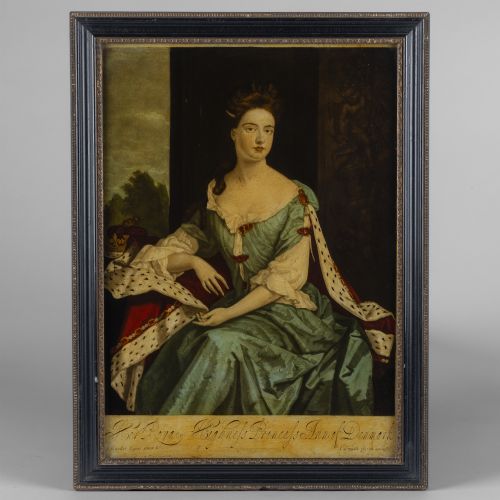
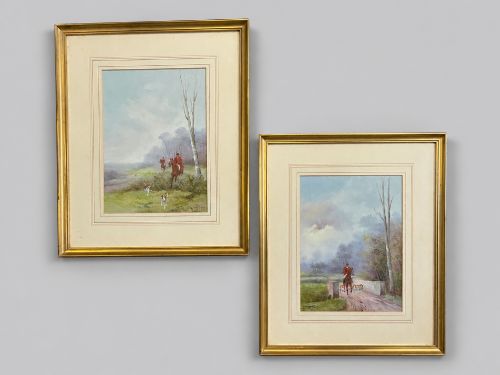
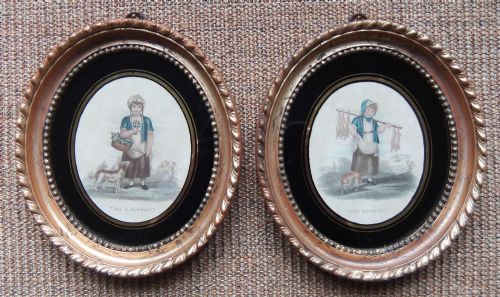
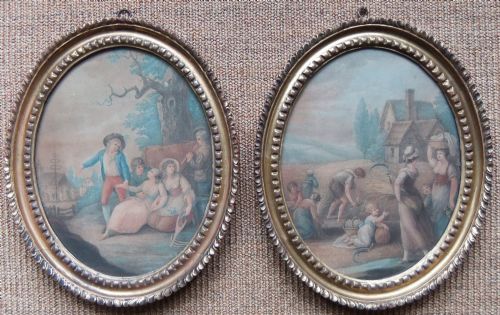
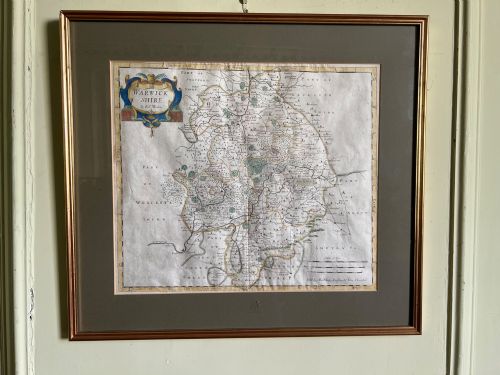
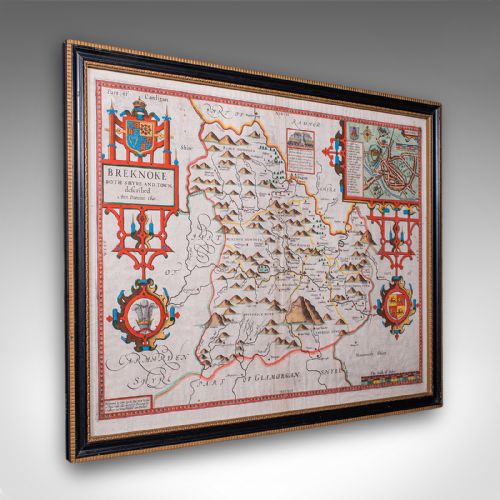
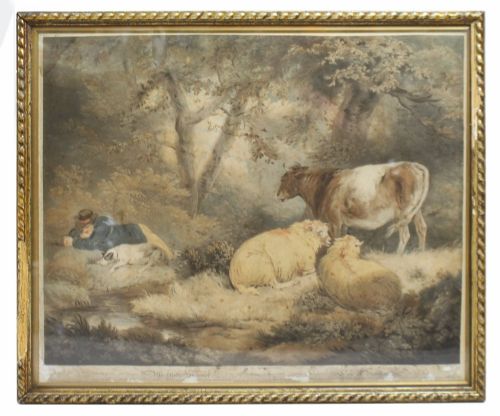
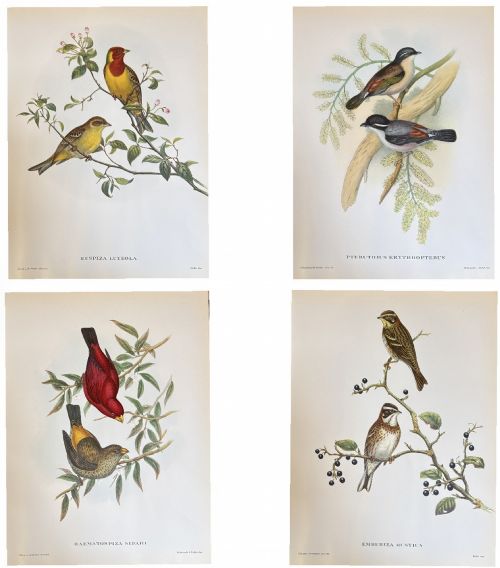
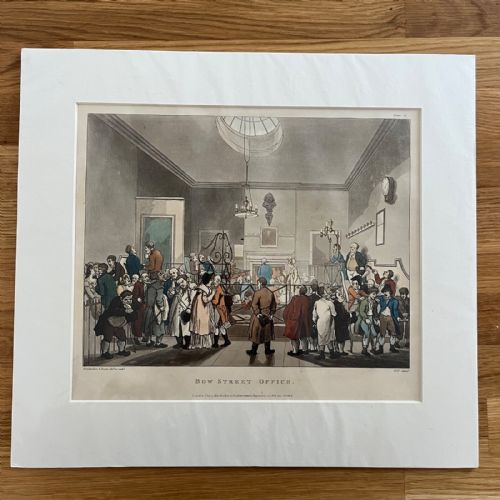
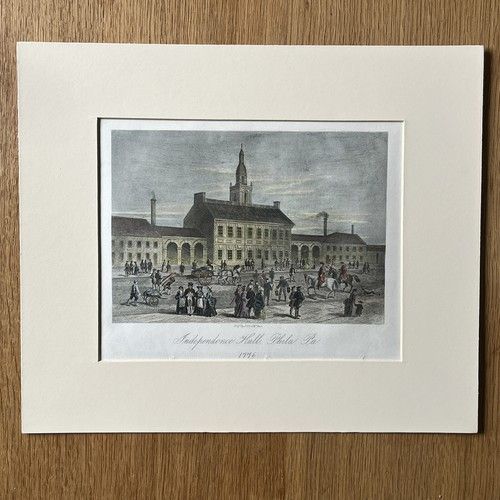
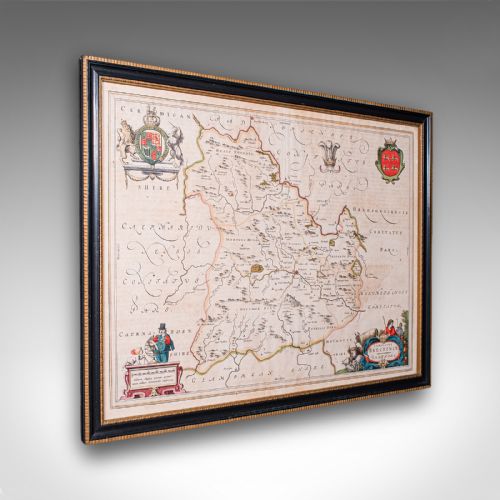
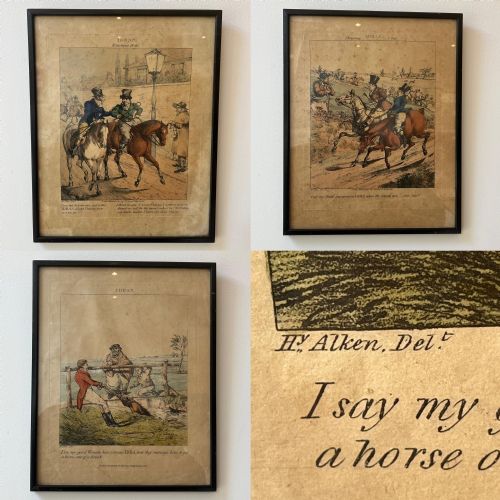
Framed Coloured Print
A framed coloured print brings historic cartography, natural history and portraiture to the wall within period timber and glass.
Framed Coloured Print
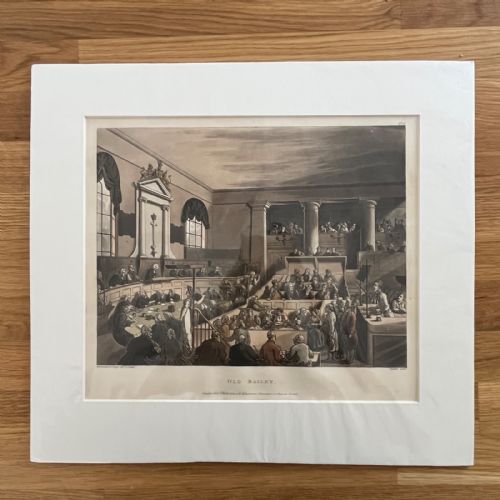
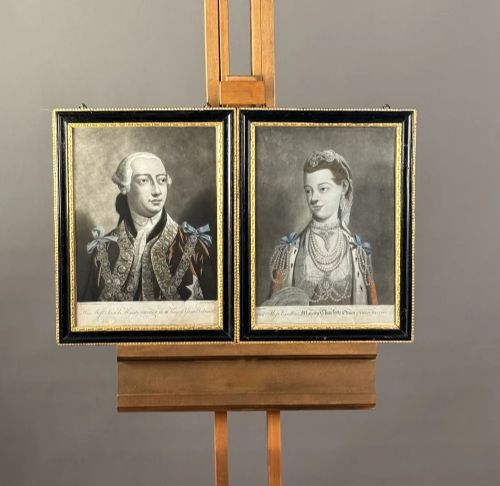
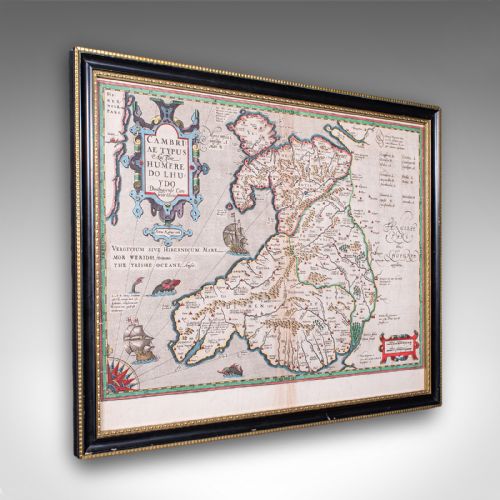
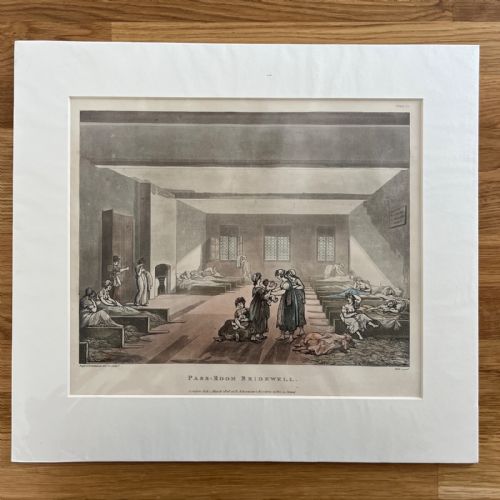
When you search for framed coloured print, you encounter centuries of works on paper preserved behind glass within wooden frames. These items encompass antique maps, botanical and zoological plates, and portrait engravings from the seventeenth century through to the early twentieth century.
You are most likely to meet hand-coloured copperplate engravings and lithographs originating from British, French and Dutch workshops. These pieces frequently document natural history subjects such as birds and reptiles, alongside cartographic surveys and fine art portraits.
The selection ranges from early atlas cartography by notable cartographers to Victorian natural history plates and twentieth-century etchings. Each piece combines paper, ink and watercolour within period mount board and timber surrounds.
How they were made
The foundation of these works relies on techniques such as copperplate engraving, lithography, etching and mezzotint executed on paper. Artisans then applied watercolour by hand to monochrome impressions, introducing precise pigment to subjects like bird plumage and botanical specimens.
Framing utilised traditional materials including wood, gold leaf and gilt wood to enclose the paper artwork beneath glass. Mount boards were cut to separate the print surface from the glazing and protect the delicate ink and pigment layers.
Framed Coloured Print Retail Price Guide 2026
Typical asking prices for framed coloured print among the pieces listed under this phrase on Sellingantiques today, from the lower quarter to the upper quarter. They describe what is for sale here now, not the wider market.
Listings feature works spanning the seventeenth century through to the 1920s, utilising paper, glass, wood, gold leaf, ink, gilt wood, watercolour and mount board.
What varies in quality
The distinction between superior examples and lesser ones rests upon the crispness of the original impression and the precision of the hand-colouring. Stronger ink transfer from the copperplate or stone yields sharper lines that retain clarity across fine details like cartographic text or feathers.
The preservation of the paper support and the vibrancy of the applied watercolours dictate the standing of a piece. Fading from light exposure or heavy foxing diminishes the visual impact, whereas clean paper surfaces and well-maintained period frames elevate the work.
Joan Blaeu·John Speed·François-Nicolas Martinet·Louis Icart·Warwick Goble
The Framed Coloured Print Glossary
- Mezzotint
- A printmaking process of the intaglio family where the plate is roughened to produce rich dark tones and subtle gradations of light. This method creates soft, velvety portraits and atmospheric scenes.
- Lithograph
- A planographic printing method based on the antipathy of oil and water, executed on a smooth limestone or metal plate. Artists used this technique to produce multi-coloured illustrations and vibrant pictorial plates.
- Engraving
- A technique where an artist cuts lines directly into a metal plate using a sharp tool called a burin. The resulting incisions hold ink for transfer under pressure onto paper.
- Foxing
- Brown spots and discolouration that develop on antique paper over time due to chemical reactions involving iron impurities in the pulp and environmental humidity.
- Hogarth frame
- A style of wooden framing characterised by a moulded profile finished with dark lacquer or gilding, popular during the Georgian and Regency periods for displaying prints.
Framed Coloured Print: Frequently Asked Questions
How should I hang a framed coloured print?
Protect antique paper works by positioning them away from direct sunlight and sources of heat. Consistent indoor humidity prevents warping in the timber frames and degradation of the paper support.
Secure the piece using appropriate wall fixings suited to the weight of the wood and glass. Professional picture wire ensures the frame hangs level against the wall.
Are these prints original to their dates?
The dates associated with these items reflect the period of initial publication or printing rather than modern reproductions. Many bear contemporary hand-colouring applied at the time of release.
Examining the paper characteristics, plate marks and printing ink helps confirm the historical period. Reference works and cartographic records assist in dating specific maps and plates accurately.
What is the difference between an engraving and a lithograph?
Engravings involve cutting lines into a hard surface like copper, producing crisp, linear details with noticeable plate indentation on the paper. Ink sits within the incised grooves during the printing process.
Lithography relies on a chemical process on a flat stone or plate surface without physical cutting. This allows for smoother tonal transitions and different textural qualities across the printed image.
Why do some prints have hand colouring?
Publishers and printshops employed skilled colourists to apply watercolours by hand to monochrome printed impressions. This practice enhanced the visual appeal of natural history plates, maps and portraits.
Hand-colouring introduces individual variation between copies of the same printed edition. The palette used often reflects the botanical or zoological accuracy desired for scientific works.