

Framed Classical Portrait Art
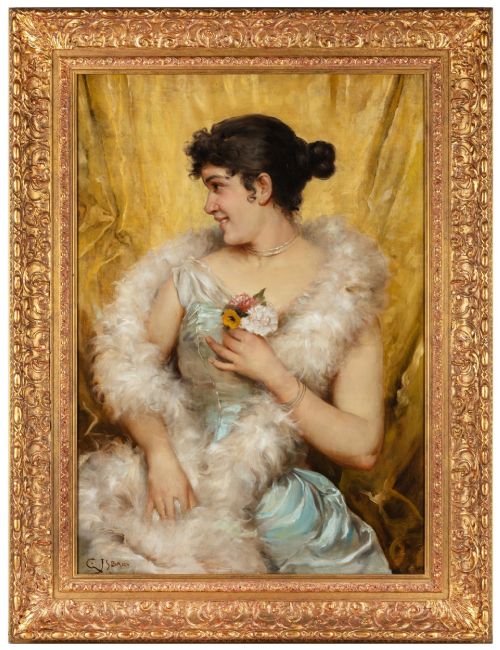
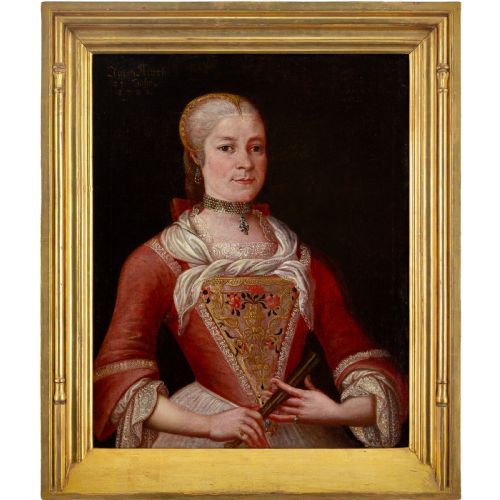
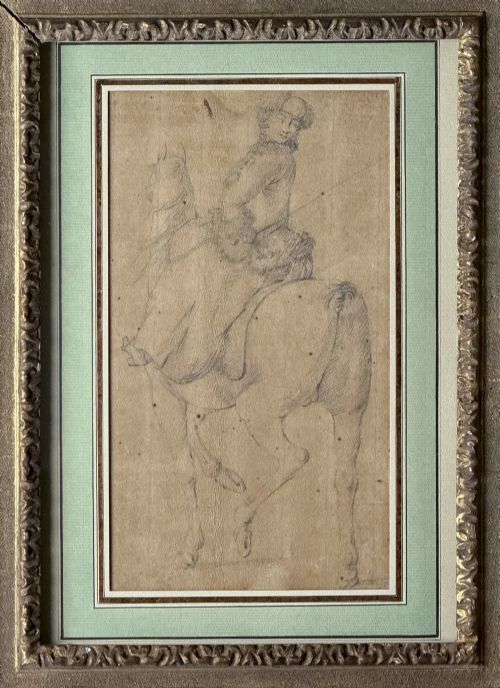
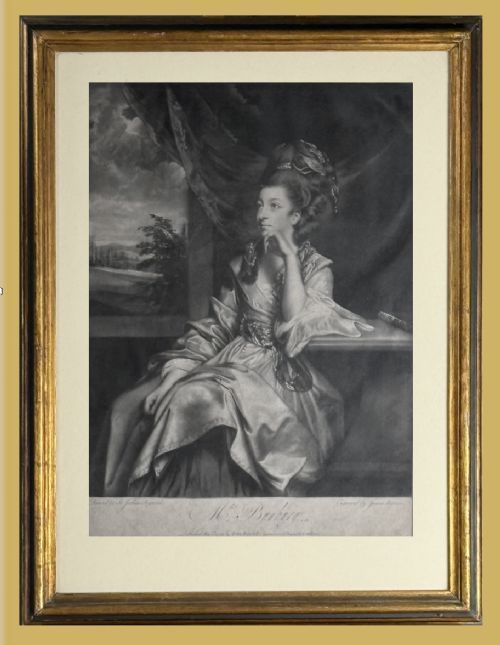
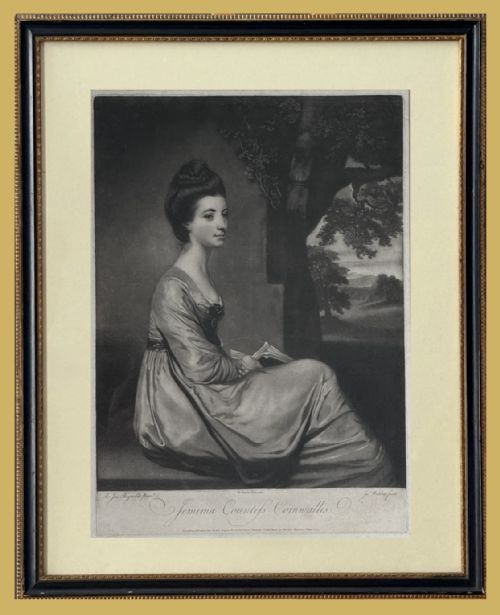
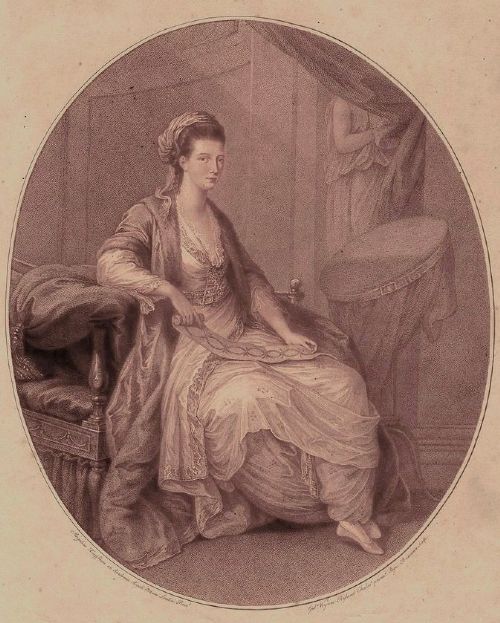
Framed classical portrait art brings historic likenesses and mythological subjects into domestic interiors through oil paintings, mezzotints and engravings.
Framed Classical Portrait Art
Framed classical portrait art encompasses oil paintings, drawings, watercolours, pastels and prints depicting human subjects and mythological scenes. The selection on this page draws heavily from seventeenth-century, eighteenth-century and nineteenth-century traditions, alongside later interpretations and revivals.
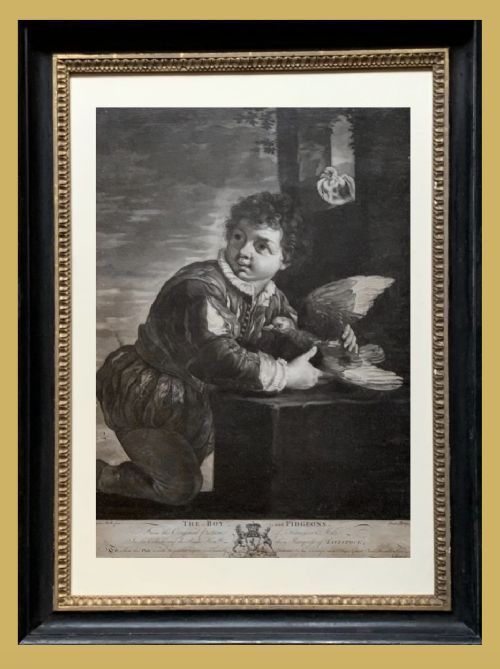
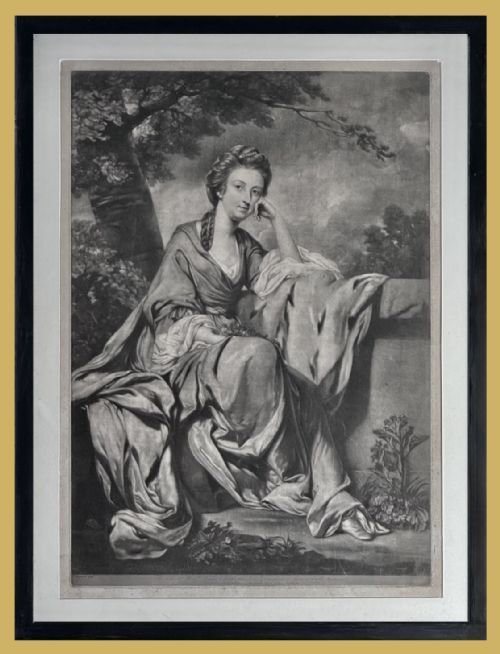
Buyers frequently encounter works executed after established masters, including seventeenth-century and eighteenth-century compositions reproduced through mezzotint engraving or later painted studies. These pieces bridge historical portraiture and decorative wall art, housed in appropriate period or revival frames.
Materials and Techniques
Paintings utilise oil on canvas or panel, sometimes applied in thin glazes to build depth in skin tones and drapery. Draughtsmanship relies on paper supports, ink, pastel and watercolour for studies and finished works on paper.
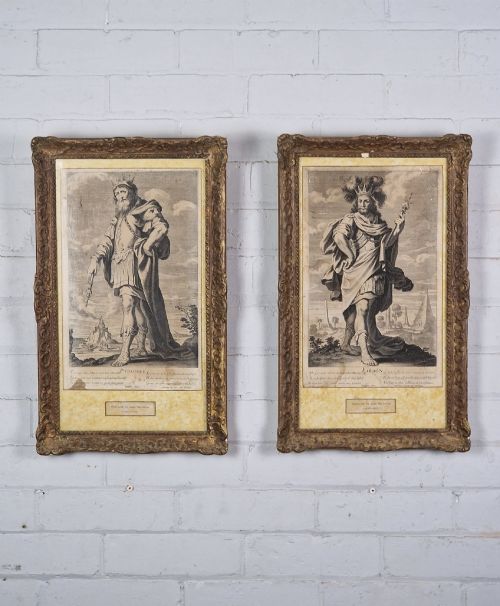
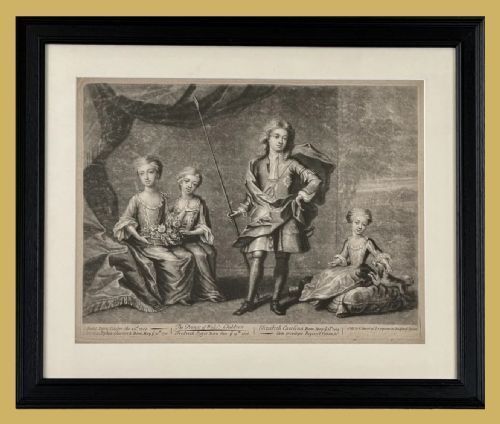
Printmakers employed mezzotint, stipple and engraving techniques on paper to translate large-scale paintings into affordable or collectable multiples. These works are finished with wooden frames, occasionally enhanced with gold leaf and carved giltwood.
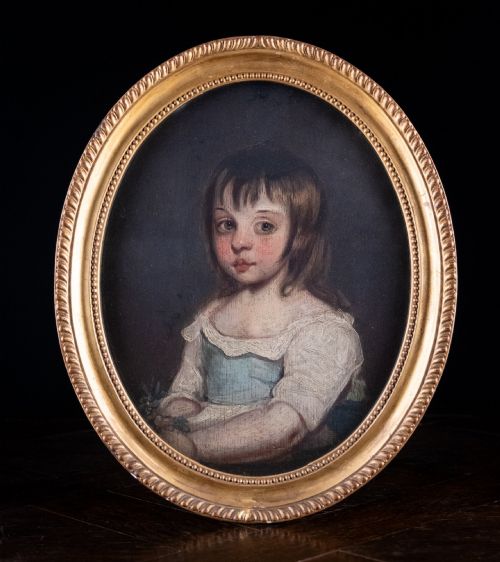
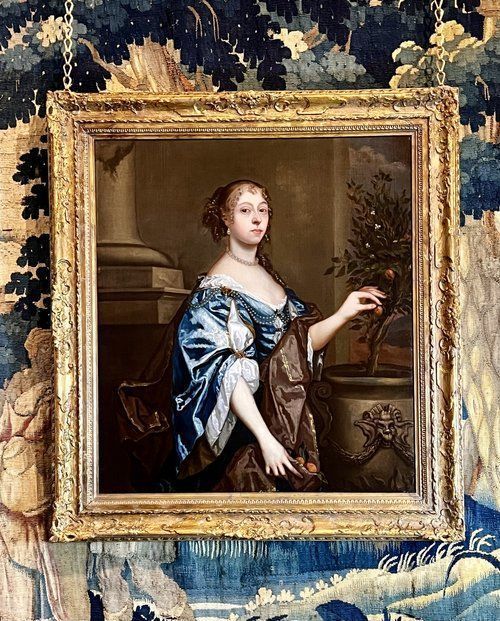
Several portraits capture children posing with pigeons, fruit and even plucked oranges.
Quality and Execution
The standard of execution in painted works depends upon the handling of anatomy, expression and light, separating workshop productions from more cursory copies. Engravings and mezzotints vary according to the crispness of the impression and the state of the plate during printing.
Framing contributes significantly to the integrity of the piece, with period carved giltwood frames offering greater harmony than later replacements. The fidelity of the rendition to the original source painting distinguishes superior interpretations from standard decorative prints.
John Boydell·Edward Fisher·Sir Joshua Reynolds·James Watson·Sir Peter Lely
The Framed Classical Portrait Art Glossary
- Mezzotint
- A printmaking process of the intaglio family where the copper plate is roughened to achieve dark tones and scraped to produce highlights. This technique allows for rich tonal gradations particularly suited to portraiture.
- Giltwood
- Wood that has been coated with gold leaf or gold paint, frequently carved with decorative motifs for picture frames. It provides a reflective, ornate border for classical canvases and prints.
- Stipple engraving
- A method of dotting the printing plate rather than cutting continuous lines to create soft tonal effects. It was widely used for reproducing chalk drawings and delicate portraits in the eighteenth century.
- Oleograph
- A type of chromolithographic reproduction textured to simulate the surface of an oil painting. These appear in later decorative works imitating classical canvases.
Framed Classical Portrait Art: Frequently Asked Questions
What periods do these portraits cover?
The works span from the sixteenth and seventeenth centuries through the Georgian and Regency eras into the nineteenth century. Later twentieth-century interpretations and revivals also appear within the selection.
Most pieces reflect the aesthetic standards of European classical painting and printmaking traditions across these diverse historical periods.
How should I hang these artworks?
Consider placing oil paintings and framed prints away from direct sunlight to protect pigments and paper supports from fading. Ensure wall fixings can securely bear the weight of heavier wooden and giltwood frames.
Pairing pieces with complementary frame styles helps maintain visual balance when grouping multiple works on a wall.
Are these original paintings or prints?
The selection includes both original oil paintings on canvas and various print mediums such as mezzotints and engravings. Descriptions specify whether an item is an oil painting, drawing, watercolour or print.
Many printed works are period impressions produced after famous paintings by artists such as Sir Joshua Reynolds.