

Framed Chinese Wall Art
Framed Chinese wall art brings together centuries of delicate hand-painted silk, gouache and carved panels ready to hang.
Framed Chinese Wall Art
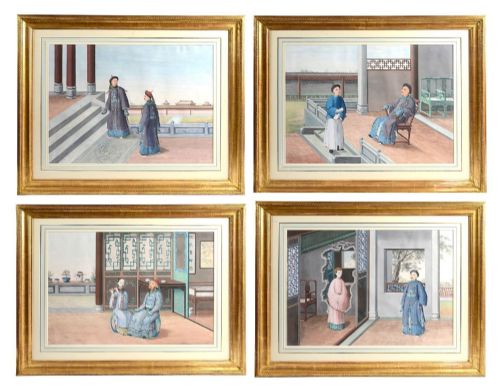
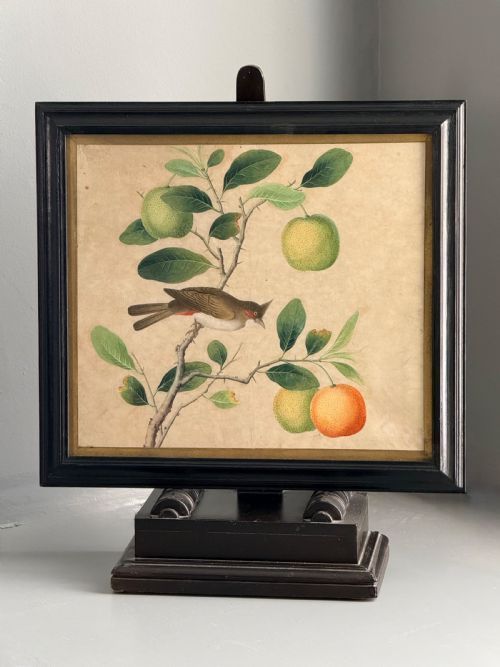
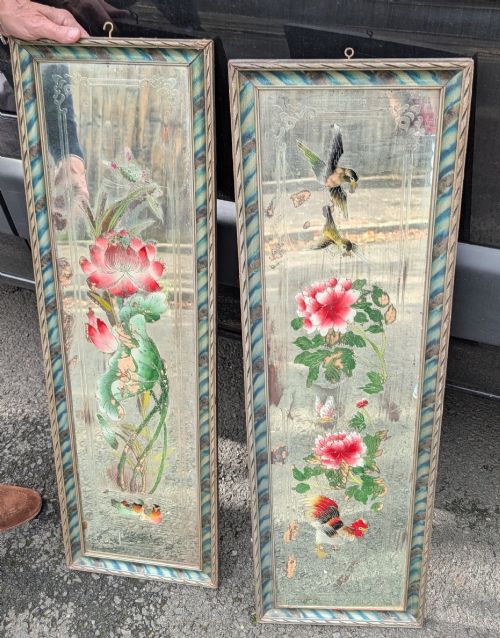
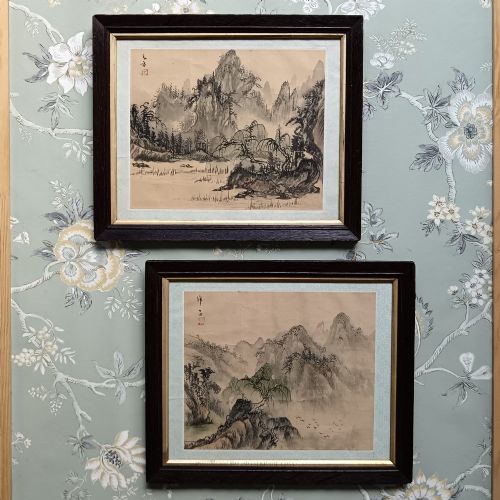
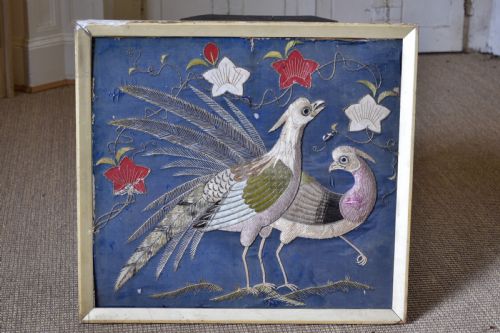
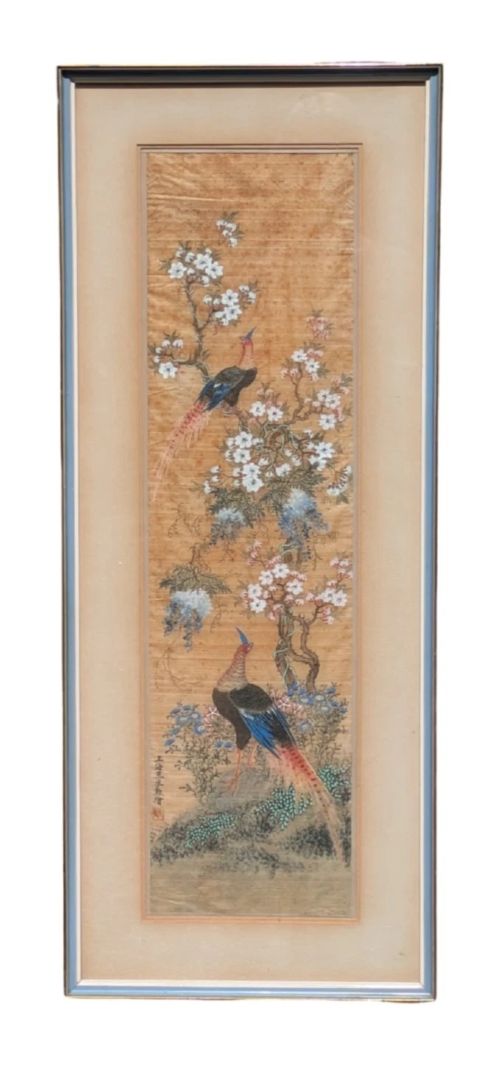
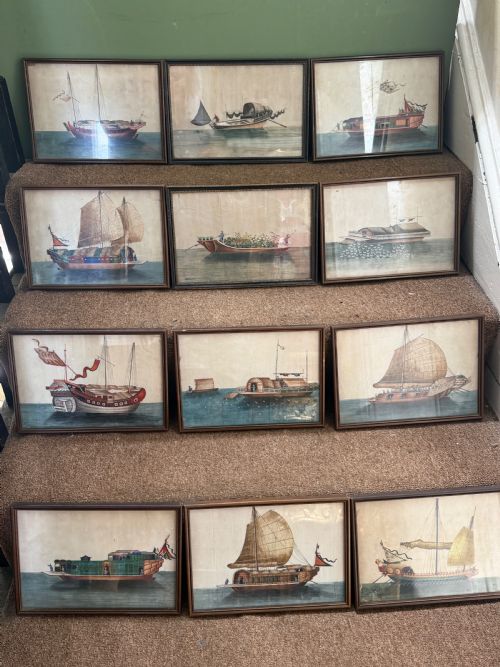
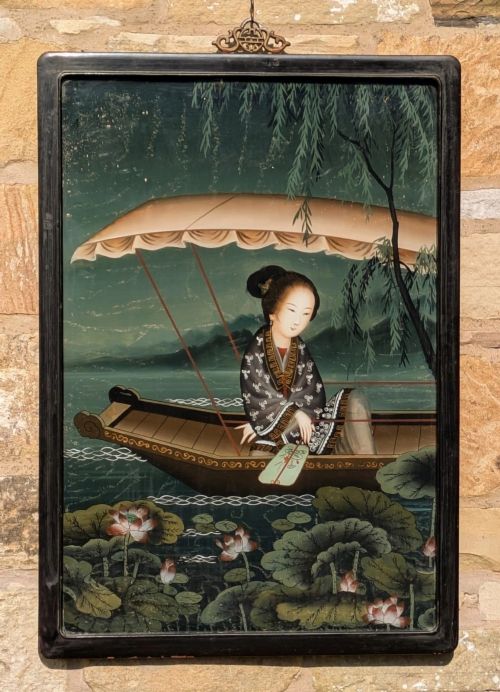
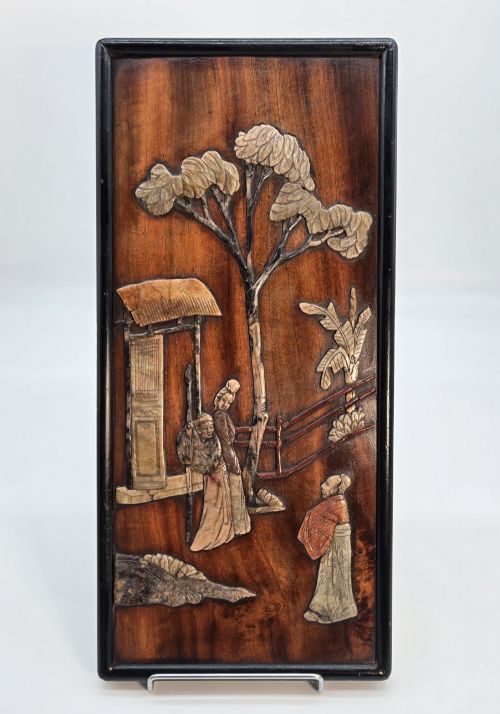
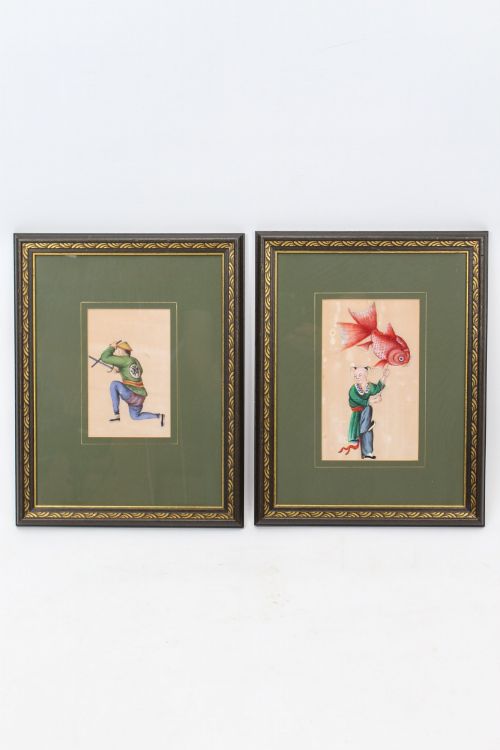
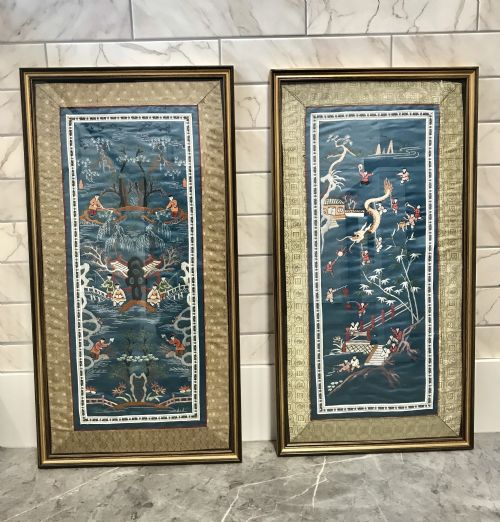
When searching for framed chinese wall art, buyers encounter a wide range of historic visual traditions originating from China and created for both domestic use and export markets. The selection spans delicate works on silk, paper and pith, alongside heavier framed porcelain panels, embroidered textile art, and reverse paintings on glass.
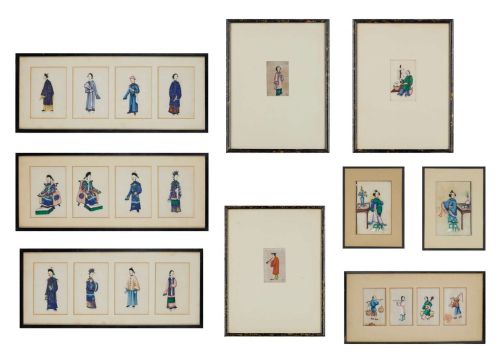
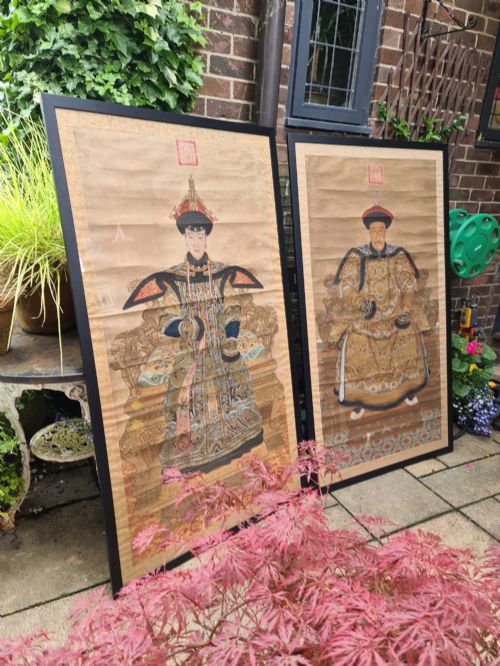
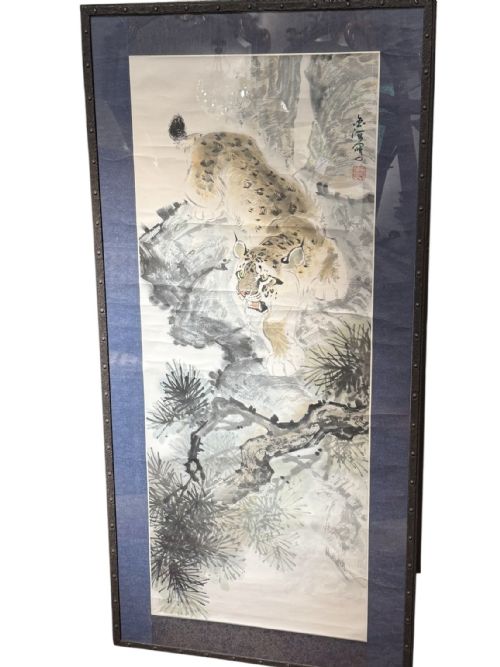
Nineteenth century examples form a significant portion of what is available, particularly pith paper paintings depicting figures or ships, alongside ancestral portraits and embroidered rank badges. Later pieces extend into the twentieth century, including silk scroll paintings and framed porcelain plaques.
Formats vary from single decorative items to substantial pairs and larger sets, housed in wood frames that range from simple modern surrounds to original carved mountings.
Judging quality in Chinese wall pieces
Quality rests primarily on the fineness of the brushwork or needlework, where precise lines and expressive detail distinguish superior examples from standard decorative items. The condition of delicate materials like pith paper and silk also dictates standing, as these organic supports are prone to staining or splitting.
The integrity of the original framing and mounting influences desirability, particularly when pieces retain period frames that complement the artwork without obscuring its edges. Depth of pigment and clarity in reverse glass paintings separate masterful execution from simpler workshop production.
Several vintage panels feature busy waterfowl and Mandarin ducks frozen mid-quack behind glass.
The Framed Chinese Wall Art Glossary
- Pith painting
- A watercolour or gouache painting executed on a delicate paper-like material sliced from the pith of the Tetrapanax papyrifer plant. This medium was largely produced in Canton during the nineteenth century for export.
- Reverse painting on glass
- An artwork painted directly onto the reverse side of a glass panel so that the final image is viewed through the transparent front. This technique requires the artist to paint background details before foreground elements.
- Rank badge
- An embroidered textile square worn on the robes of Qing dynasty officials to denote their civil or military rank. When framed, these detailed needlework panels function as decorative wall hangings.
- Ancestor portrait
- A formal painting commissioned to honour deceased family members for veneration in ancestral halls. These works typically depict sitters in formal robes seated rigidly facing forward.
- Shan Shui
- Traditional Chinese landscape painting style featuring natural scenes such as mountains, rivers and waterfalls. The term translates literally as mountain water.
Framed Chinese Wall Art: Frequently Asked Questions
How do I care for antique silk wall art?
Silk paintings and embroideries require protection from direct sunlight to prevent fading of the delicate natural dyes and fibres. Keeping them behind glass in a stable environment away from excess moisture preserves the textile over time.
Dust the frames gently with a dry, soft cloth and avoid chemical cleaners near the fabric or painted surfaces.
What is pith paper and how fragile is it?
Pith paper is a soft, velvety material made from the pith of a specific plant native to southern China. It absorbs watercolours and gouache brilliantly, producing luminous hues.
Because the material is naturally brittle and easily cracked, pieces on pith must remain undisturbed under glass to prevent physical damage.
How can I tell a reverse glass painting's age?
Dating often relies on the construction of the wooden frame, the composition, and the specific pigments used in the painting. Older examples from the nineteenth century show characteristic hand-mixed mineral colours and heavier, older glass panes.
Examining the backing paper and seals provides further clues regarding the era of production.
Were these pieces made for export?
Many nineteenth century watercolours and pith paintings were created specifically for Western traders and travellers in treaty ports like Canton. These export pieces often documented local trades, flora, fauna and river life.
Other items, such as ancestral portraits and rank badges, originated for domestic use before entering the decorative market.