




Framed Cat Wall Art
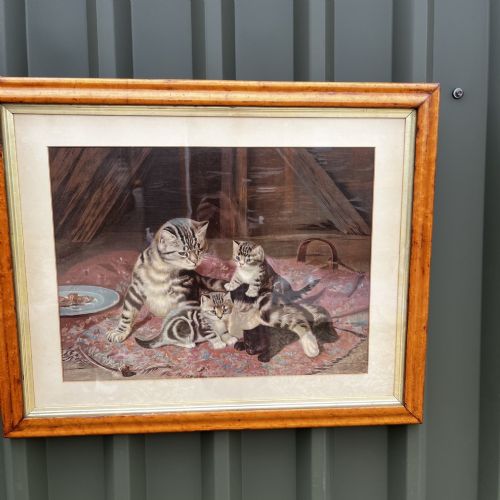
Framed cat wall art brings together centuries of feline portraiture, spanning detailed oils on canvas and charming Victorian prints.
Framed Cat Wall Art
When you search for framed cat wall art, you find works ranging from traditional oil paintings of playful kittens to early twentieth-century prints and etchings. The pieces on this page draw heavily from the nineteenth century, the Victorian era, and the early decades of the 1900s.
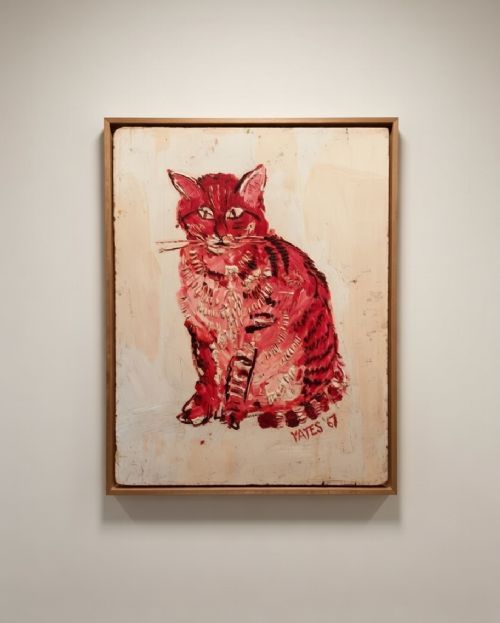
Most examples present domestic cats, mother cats with kittens, or stylistic portraits executed in media such as oil on canvas, paper, and glass. Traditional realism and Victorian animalier styles dominate the selection alongside Chinese export works and French engravings.
How they were made
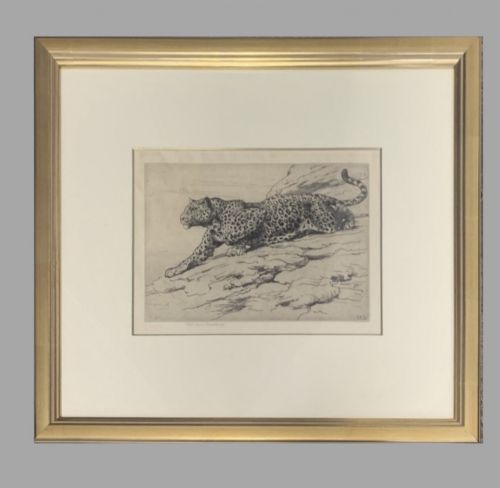
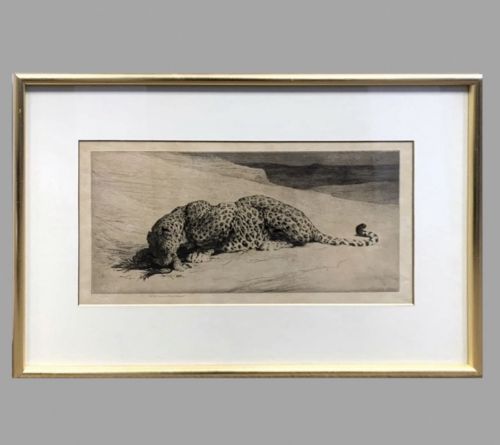
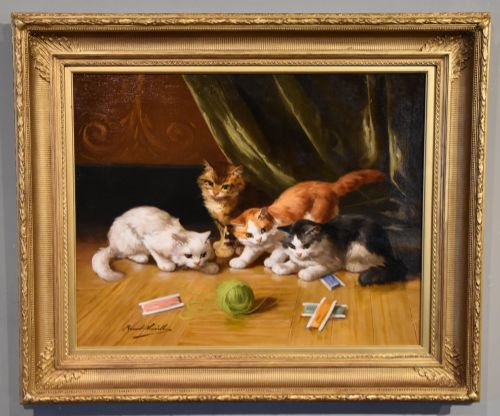
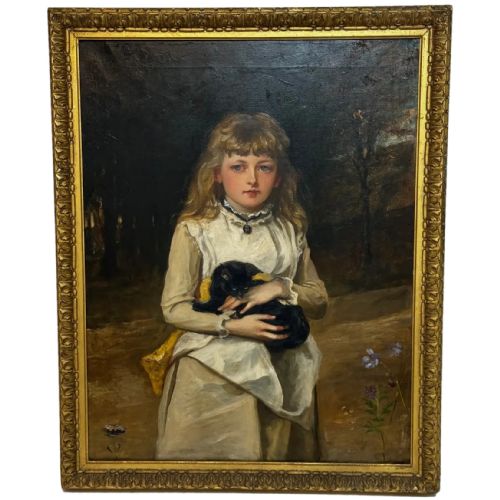
Artists utilised oil paint on canvas, panel, and board, applying pigments to capture the soft texture of feline fur and the fine details of domestic interiors. Works on paper include chromolithographs, etchings, and pastels that rely on precise draughtsmanship.
Framing materials such as wood, gilt wood, and gold leaf enclose the artwork, paired with protective glass layers. Reverse painting on glass employs a delicate technique where the image is applied directly to the reverse side to be viewed from the front.
Several Victorian cats gather for a formal tea party in the painted evidence.
What varies in quality
The degree of anatomical precision and the expressive character of the animal distinguish finer works from simpler decorative items. Master painters render fur, light, and shadow with a depth that brings domestic scenes to life.
Materials also set pieces apart, from substantial oil paintings housed in original gilt wood frames to standard prints on paper. The reputation of the artist and the survival of the original frame influence the standing of each piece.
Herbert Dicksee·Alfred Arthur Brunel de Neuville·Horatio Henry Couldrey·Louis Wain·Fred Yates·Agnes Augusta Tallboys·Henry Weigall·Francisco Jose Domingo y Marques·Albert Terry·Geza Vastagh·Cuthbert Edmund Swan·Jules Le Roy·Bessie Bamber
The Framed Cat Wall Art Glossary
- Chromolithograph
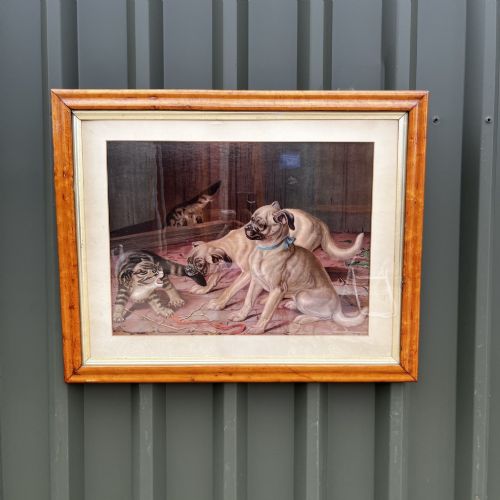
- A multicoloured print produced through a specialised lithographic process. This technique allows for rich hues that closely mimic the appearance of original paintings.
- Etchings on Paper
- Intaglio prints created by incising lines into a metal plate with acid. Artists then apply ink to the plate to transfer fine, sharp details onto paper.
- Reverse Painting on Glass
- A method where the artist paints directly onto the back of a glass sheet. When viewed from the unpainted front, the colours display a glossy and luminous depth.
- Victorian Animalier
- An artistic style dedicated to the realistic depiction of animals. Practitioners during this period focused on capturing the natural anatomy and behaviour of domestic pets.
Framed Cat Wall Art: Frequently Asked Questions
What periods do these pieces date from?
The collection spans the Victorian era through the mid-twentieth century, including works from the nineteenth century, nineteen-hundreds, and nineteen-thirties.
Items range from nineteenth-century oil paintings to mid-century pastels and prints.
What materials were used for these artworks?
Common materials include oil paint on canvas, board, and panel, alongside glass, paper, and pastel drawings. Frames are constructed from wood, gilt wood, and gold leaf.
Several pieces also utilise reverse painting techniques on glass.
How do I care for framed glass paintings?
Glass paintings and works behind glass require placement away from direct sunlight to prevent fading of the pigments and paper. Use a dry, soft cloth for dusting the frame.
Avoid liquid cleaners near the edges of antique glass to protect the underlying paint.
Are these works original or prints?
The selection includes both original hand-painted works, such as oil paintings and pastel drawings, and published prints like chromolithographs and etchings.
Each listing specifies the exact medium used by the artist.