


Framed Canine Wall Art
Framed canine wall art brings character and historical depth to a room through traditional portrayals of dogs.
What framed canine wall art is
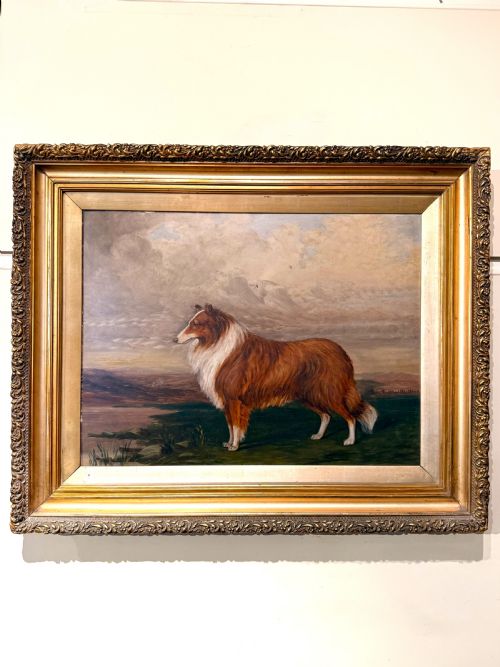
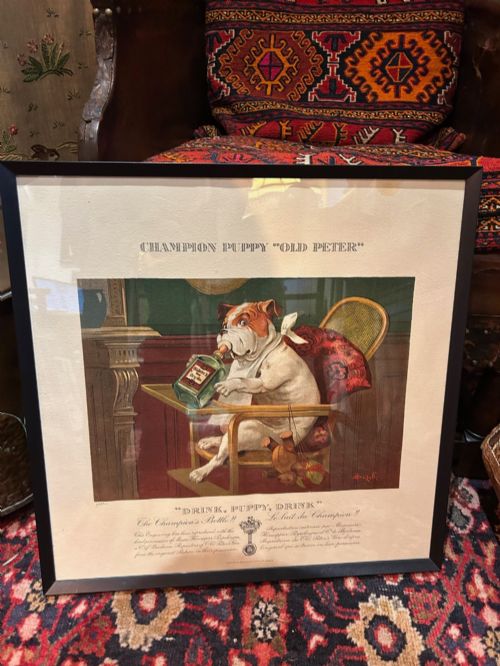
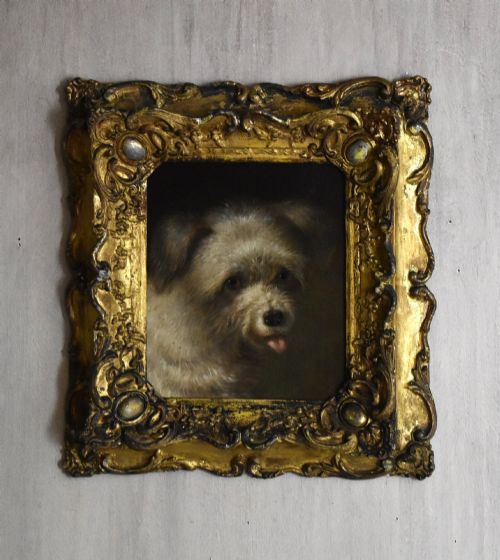
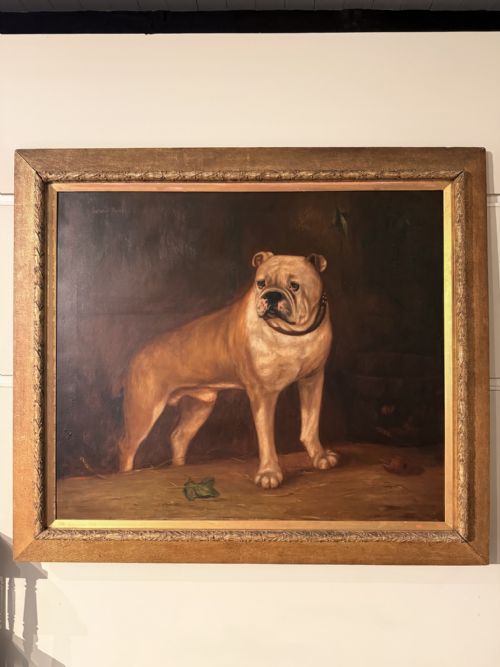
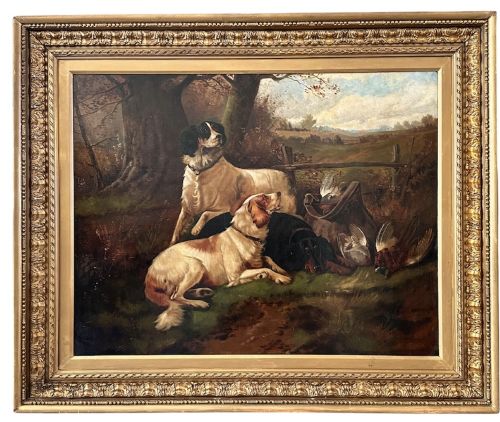
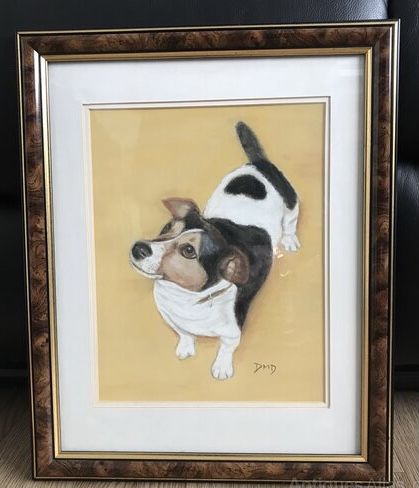
Framed canine wall art encompasses historical depictions of dogs rendered through various artistic mediums. These pieces capture the enduring bond between humans and hounds across different eras.
Buyers frequently encounter works from the Victorian and Edwardian periods on this page. These range from intimate oil paintings on board to detailed drypoint etchings and framed engravings.
Subjects vary from individual terriers and mastiffs to groupings of spaniels and bulldogs. Each piece reflects the aesthetic preferences and canine breeds popular during its specific time.
How they were made
Artisans applied oil paint to canvas or board, capturing texture and depth through layered brushwork. Engravings and drypoint etchings utilised specialised metal plates to transfer intricate lines onto paper.
Frames incorporated wood and gold leaf, often featuring gilt finishes that complemented the artwork within. Protective glass frequently covered paper-based prints and etchings to preserve the delicate surfaces.
Retail Price Guide 2026
Typical UK retail prices for framed canine wall art, calculated from the Sellingantiques database of over a million retail prices indexed since 2003. This retail price guide relies exclusively on Sellingantiques data; no external sources or auction records are used, so the figures do not describe the wider market.
A prized mastiff gazes out from the wall with the quiet dignity of a Victorian statesman.
What varies in quality
Quality rests upon the artist's ability to render the anatomy, expression, and personality of the animal with conviction. Superior works demonstrate meticulous attention to detail in the animal's coat and surrounding environment.
The integrity and preservation of the original frame contribute significantly to the piece's overall standing. Finer examples maintain their original gilding and wooden construction without modern interference.
Sir Edwin Landseer·John Emms·Herbert Dicksee
The Framed Canine Wall Art Glossary
- Drypoint etching
- A printmaking process where an artist scratches an image directly onto a metal plate with a sharp needle. This technique creates a distinctive velvety line when inked and pressed onto paper.
- Oil on board
- A painting technique utilising pigments suspended in drying oil applied directly to a rigid wooden or composite board. This surface provided a sturdy alternative to stretched canvas for smaller works.
- Gilt
- A thin layer of gold leaf or gold paint applied to the surface of a wooden frame. This finish adds a reflective quality and protects the underlying wood from wear.
- Engraving
- A method of cutting design lines into a hard plate using a burin to hold ink for printing. It produces crisp and uniform lines well suited for reproductive prints.
Frequently Asked Questions
What periods do these pieces span?
The selection spans from the nineteenth century through to the mid-twentieth century. Victorian and Edwardian examples feature prominently among the available works.
Each era brings distinct artistic techniques and subject matter that reflect the prevailing tastes of the time.
How are these artworks framed?
Most works are housed in wooden frames, often enhanced with gilt or gold leaf finishes. Paper works typically include protective glass to safeguard the delicate medium.
Original framing helps maintain the historical context and visual harmony of the piece.
What materials were used?
Artists utilised oil paint on canvas and board, alongside paper for engravings and etchings. Frames combined traditional wood construction with gold leaf and glass.
These durable materials have allowed the artworks to survive across the centuries in stable condition.
How do I identify different dog subjects?
Portraits range from specific working breeds like terriers and bloodhounds to spaniels and bulldogs. Artists often inscribed names or noted particular traits within the composition or title.
Studying the physical characteristics helps distinguish between the various canine types depicted.