
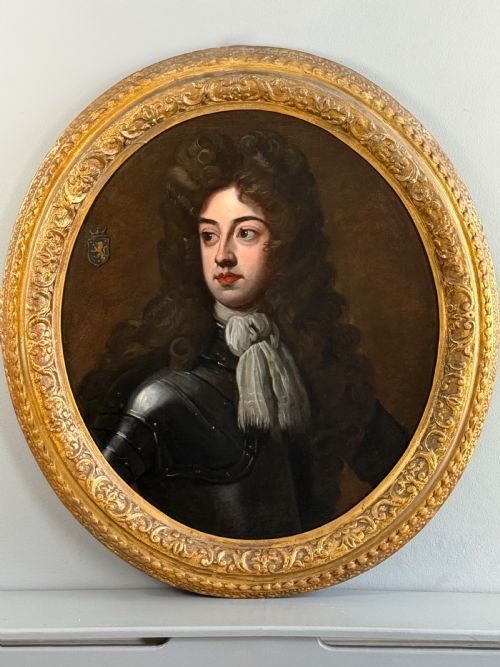
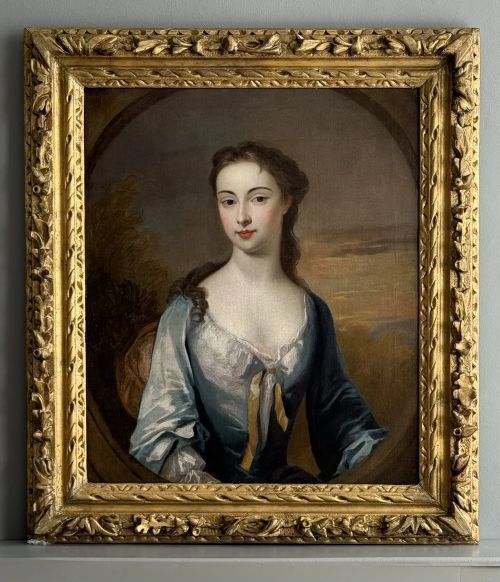
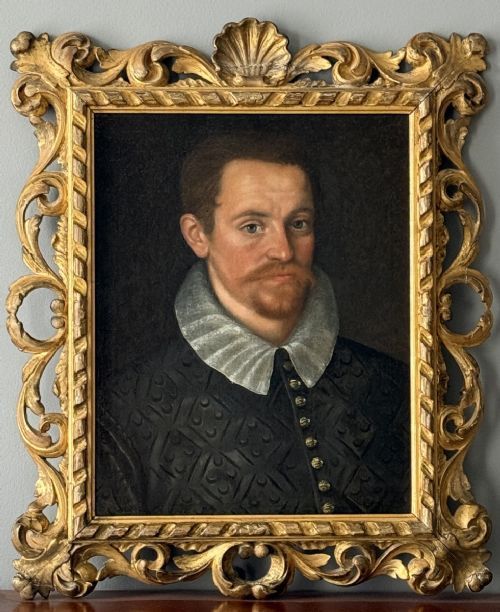
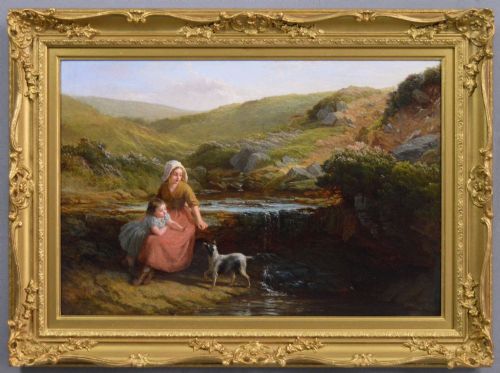
Framed British Oil Paintings
Framed british oil paintings capture centuries of island life through rich pigments on canvas and panel, offering direct contact with past hands and eyes.
Framed British Oil Paintings
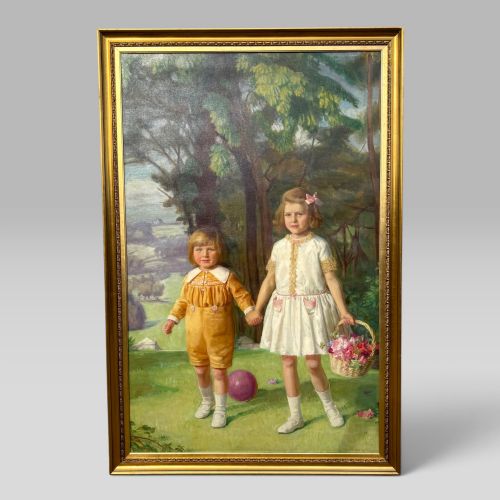
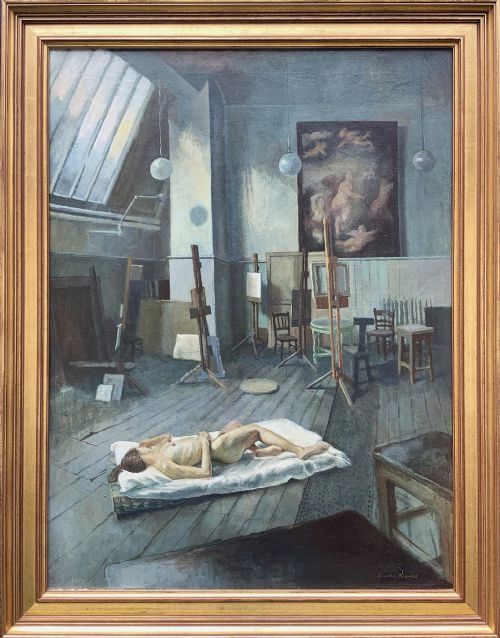
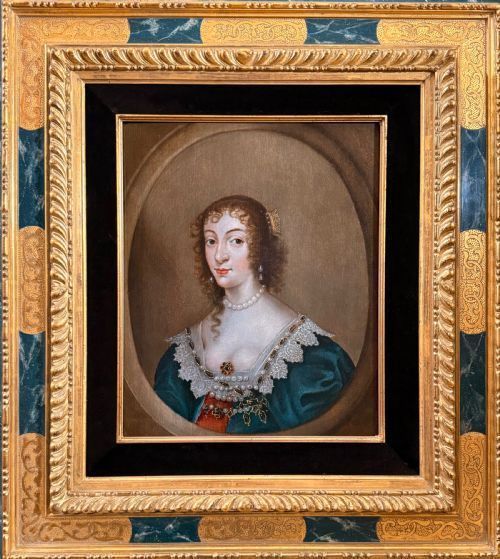
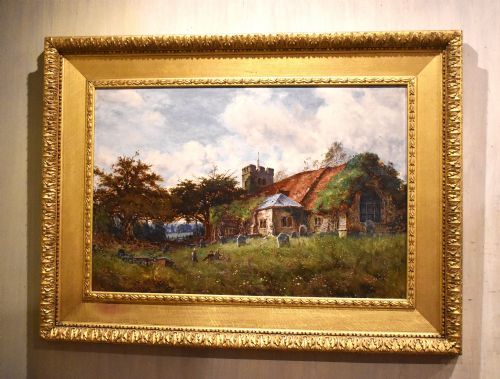
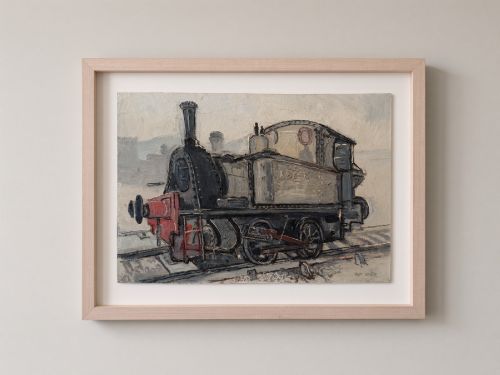
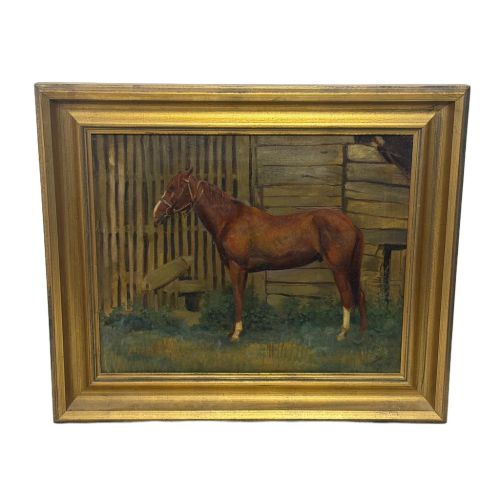
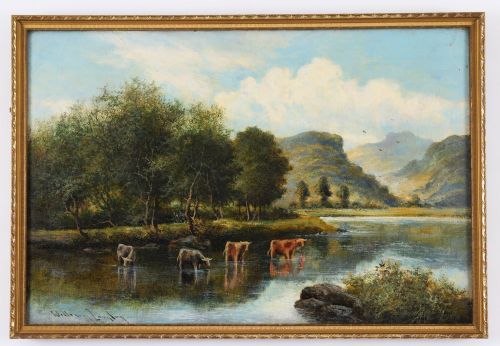
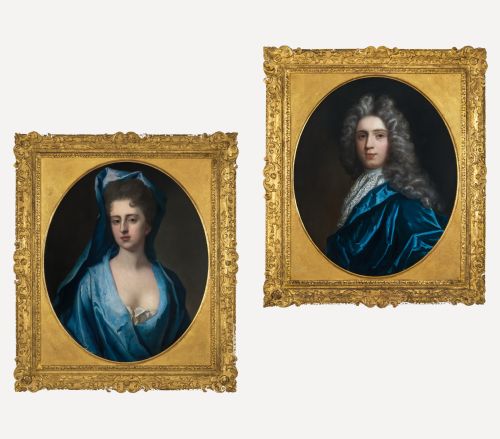
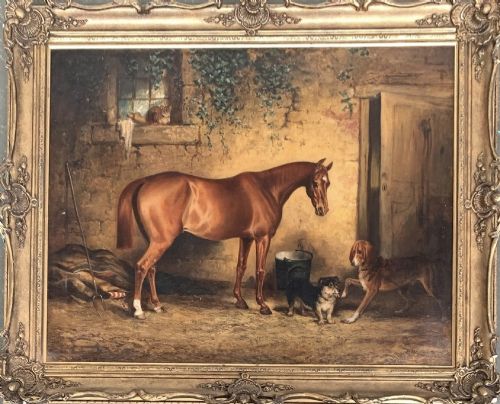
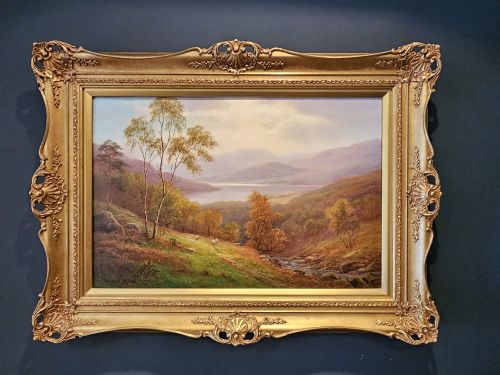
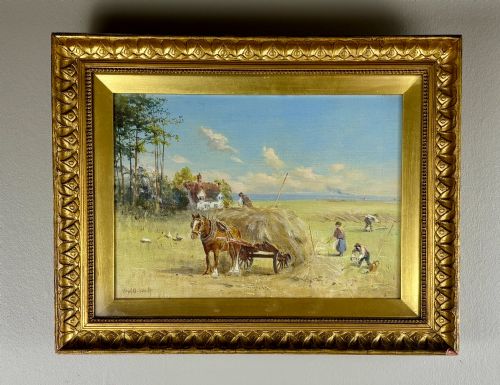
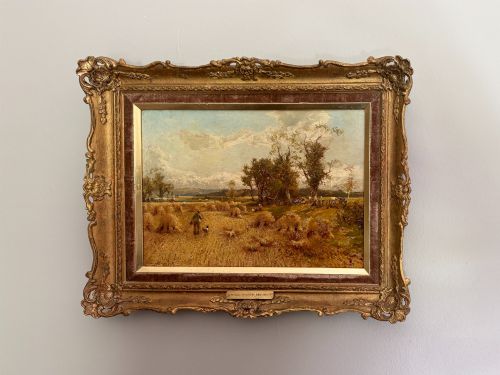
Framed british oil paintings encompass portraits, landscapes, marine scenes and genre subjects spanning from the seventeenth century through the mid-twentieth century. These works capture the changing social history, rural scenery and portraiture traditions of Britain across multiple centuries.
The selections available here lean heavily into nineteenth-century Victorian works alongside eighteenth-century portraits and mid-century rural landscapes. Buyers encounter both signed canvases by known painters and atmospheric pieces attributed to regional British schools.
How they were made
Makers applied oil paint onto stretched canvas, wooden panels or boards, building up rich impasto and subtle glazes over preparatory grounds. Artists utilised bristle and fine hair brushes to layer pigments, capturing the play of natural light in landscapes and the sheen of fabrics in portraiture.
Surviving works are preserved within their period housings, typically constructed from wood and finished with gesso, gold leaf or giltwood mouldings. These frames protect the perimeters of the canvas and complete the visual presentation of the artwork.
The listings span from the seventeenth century through the mid-twentieth century, featuring materials like oil on canvas, wood, giltwood and gold leaf.
What varies in quality
The mastery of anatomical drawing, spatial depth and the handling of light distinguish ambitious gallery compositions from more formulaic studio output. Skilled painters command proportion and texture with confidence, rendering fabrics, foliage and facial expressions with persuasive realism.
The integrity of the original support and the stability of the paint layer govern the physical merit of each composition. Works retaining their early stretcher frames and original gilded mouldings hold greater historical completeness than those altered significantly over time.
William Oliver·Kenneth Cozens·Richard Sebastian Bond·Sir Martin Archer Shee·Bernard Hailstone·Felix Stone Moscheles·William H Myers·George Graham·Valentine T Garland·John Maler Collier·Clifford Hanney·Sir Peter Lely·William Howard Hardy·Frederick Marriott·Arthur Wardle·John Opie·John Horace Hooper·Stickland Lowry·William Joseph Shayer Senior·Alfred Fontville de Breanski Jr·Sidney A Court·Thomas Murray·Oliver Clare·Thomas Barker of Bath·Sir Joshua Reynolds
The Framed British Oil Paintings Glossary
- Oil on Canvas
- A traditional painting medium where pigmented oil paints are applied to a woven fabric support stretched across a wooden frame. This combination allows for flexible application and enduring depth of colour.
- Giltwood
- Timber carved and surfaced with a thin layer of gold leaf or metallic powder applied over a gesso ground. It provides the ornate metallic border typical of antique picture frames.
- Impasto
- A technique where paint is laid onto a surface in very thick layers, standing proud of the canvas. It adds tactile dimension and captures visible brush marks.
- Genre Painting
- The pictorial representation of scenes from everyday life, ordinary people, and domestic interiors. These works offer a window into social customs of past centuries.
- Panel
- A rigid wooden support used by artists before canvas became the dominant substrate. Wooden boards provide a firm, stable base for detailed oil application.
Framed British Oil Paintings: Frequently Asked Questions
How do I date an old oil painting?
Examine the canvas weave, the construction of the wooden stretcher frame, and the style of the pigments used. Historical costume, hairstyles and framing methods also provide reliable clues for narrow dating.
Secondary evidence such as old handwritten labels, artist signatures or inscriptions on the reverse often confirm the exact decade of creation.
Should oil paintings be kept in direct sunlight?
Intense sunlight and high ultraviolet exposure degrade organic pigments and yellow old varnish layers over time. Position paintings away from unshaded windows and intense heat sources to preserve colour.
Stable indoor humidity and moderate temperatures prevent the wooden panel or canvas support from warping and cracking.
Are original frames important for value?
Period-correct frames designed specifically for the artwork enhance both the historical integrity and the visual balance of the piece. Matching frames provide context for the era in which the artist worked.
Mouldings that date to the same decade as the canvas are preferred by collectors over modern replacements.