



Framed Bridge Painting
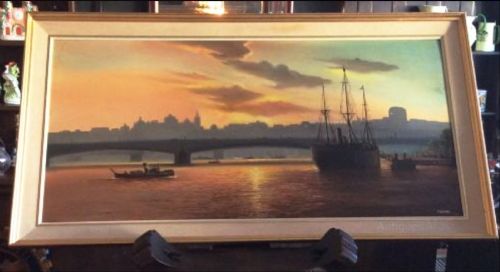
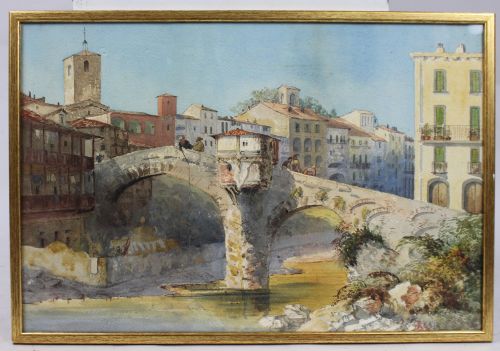
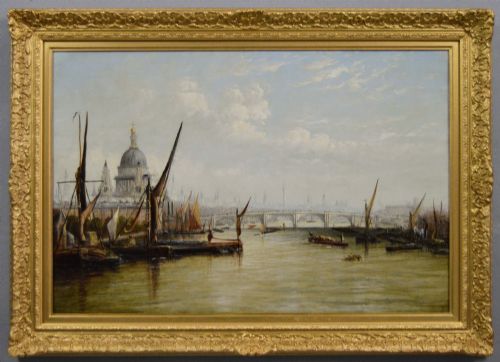
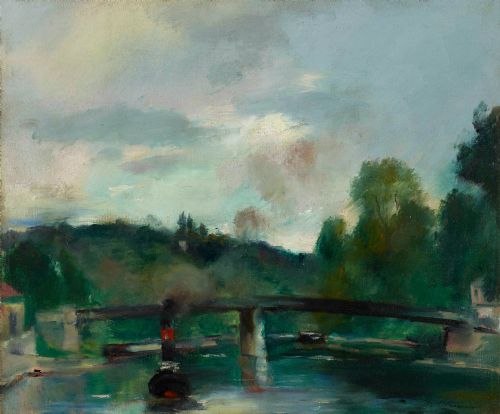
When you search for a framed bridge painting, you find works capturing architectural spans and rural crossings across centuries.
Framed Bridge Painting
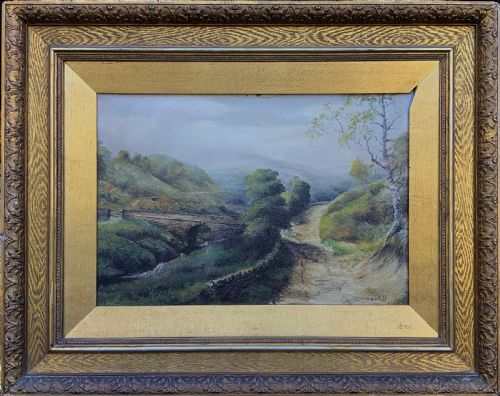
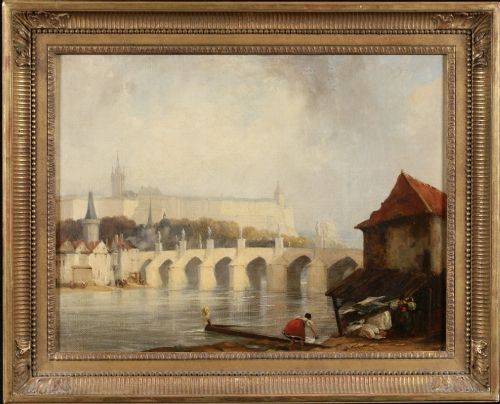
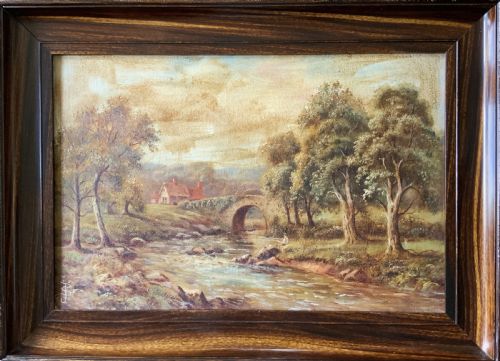
A framed bridge painting depicts river crossings, viaducts, and footbridges across diverse British and continental landscapes. These artworks range from nineteenth-century pastoral watercolours to twentieth-century townscape oils.
Buyers commonly encounter nineteenth-century works and early twentieth-century pieces on this page. Subjects vary from rural stone arches in Wales and Yorkshire to urban scenes in London, Venice, and Paris.
Materials and methods
Artists utilised oil paint on canvas, wood panel, and paper, alongside watercolour applied to paper sheets. Works are frequently set within gilt wooden frames, occasionally protected beneath glass.
Techniques span detailed academic brushwork to looser impressionistic applications, capturing light upon water and stone structures.
Listings feature works executed in oil on canvas, oil on panel, and watercolour on paper, spanning the Victorian era into the mid-twentieth century.
Factors of quality
Quality rests upon the artist's handling of perspective, atmospheric light, and the structural integrity of the bridge within the wider composition. Skilled draughtsmanship in capturing water reflections and architectural detail elevates certain works above standard topographical records.
The preservation of the medium, the quality of the original pigments, and the compatibility of the period frame contribute significantly to the overall standing of each piece.
Francis Moltino·Sydney Yates Johnson·William Grant Murray·Frederick Waters Watts·Thomas Lound·Noel Harry Leaver·Henry Dawson·Claude Muncaster
The Framed Bridge Painting Glossary
- Topographical
- Depicting a specific real-world location accurately. These works serve as historical records of bridges and towns as they appeared in past centuries.
- Impressionism
- A style focusing on accurate depiction of light and its shifting qualities. British practitioners adapted this approach for river and landscape scenes.
- Gilt
- Covered thinly with gold leaf or gold paint. Many period frames utilise this finish to complement the artwork within.
- Provenance
- The chronology of the ownership or origin of a historical piece. Documentation on stretchers or frames often provides vital clues.
- Watercolour
- Paint consisting of colour suspended in a water-soluble vehicle. This medium was extensively used by British landscape painters for bridge and river views.
Framed Bridge Painting: Frequently Asked Questions
How do I date a bridge painting?
Dating relies on stylistic evidence, artist signatures, and inscriptions found on the reverse or stretcher bars. Framing styles also offer reliable clues to the period.
Archival records and exhibition labels attached to the wood or paper help narrow down the exact decade of creation.
Where were these bridge scenes painted?
Locations span British sites such as the Thames, Dartmoor, and Yorkshire, alongside continental destinations like Venice, Paris, and Prague. Artists travelled extensively to record notable architectural spans.
Topographical inscriptions often identify the exact bridge and surrounding landscape depicted in the artwork.
How should I hang a framed painting?
Ensure paintings are positioned away from direct sunlight and excessive moisture to protect delicate watercolours and oil pigments. Secure fixings suited to the weight of the wooden frame are essential.
Maintaining stable room temperatures prevents warping in older wooden panels and canvas stretchers.