
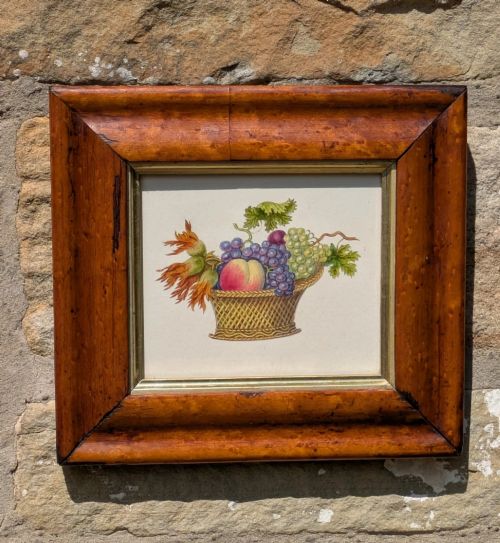
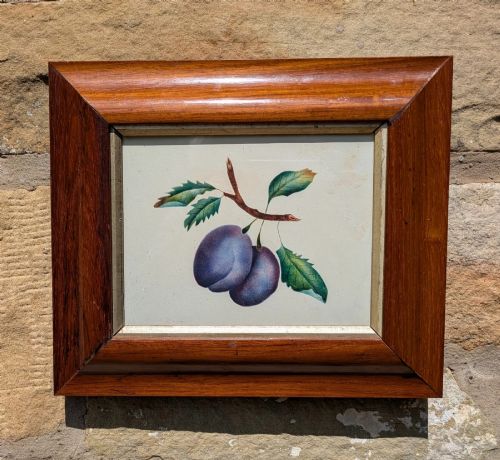
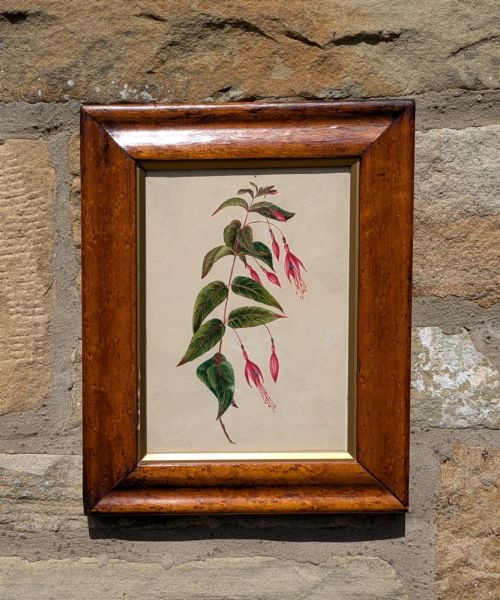
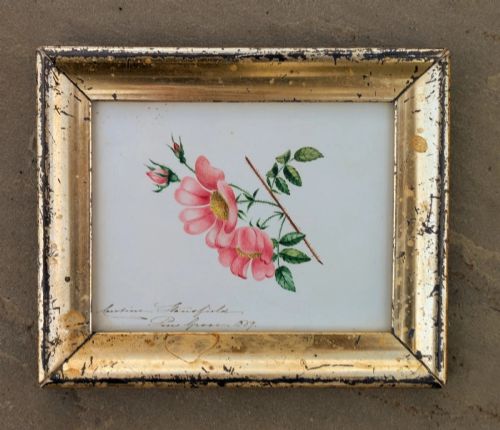
Framed Botanical Painting
A framed botanical painting brings the quiet observation of flora indoors, offering enduring colour and composition through oil, watercolour, and gouache.
Framed Botanical Painting
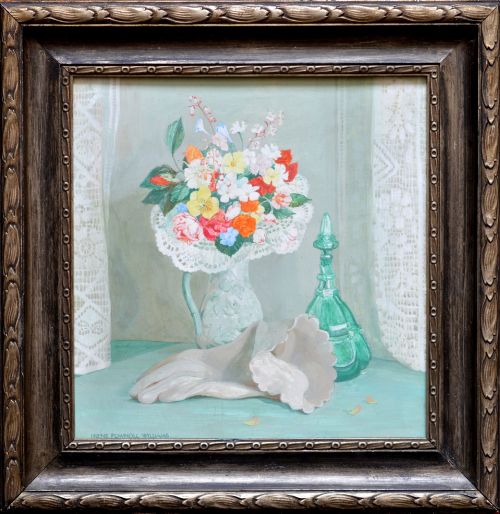
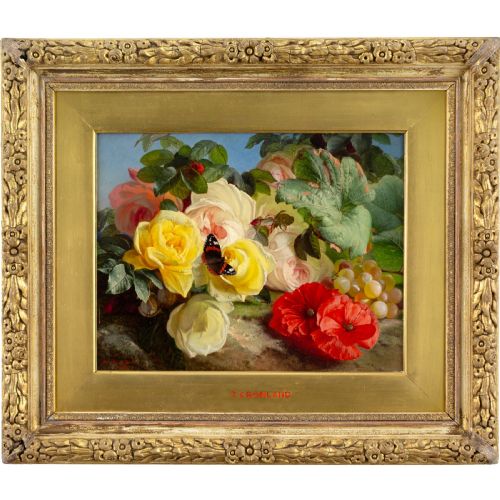
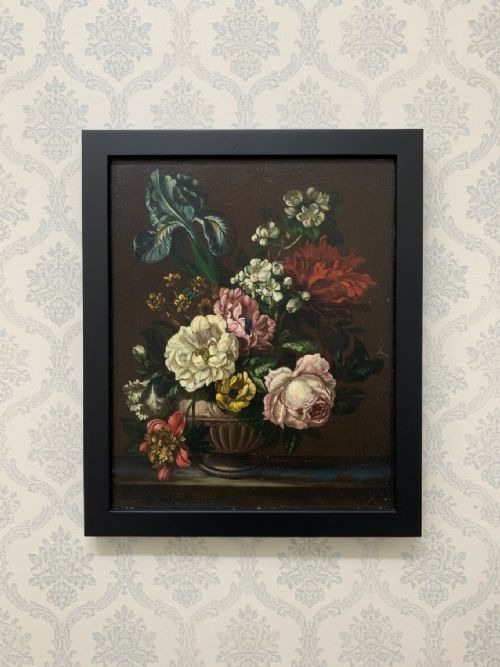
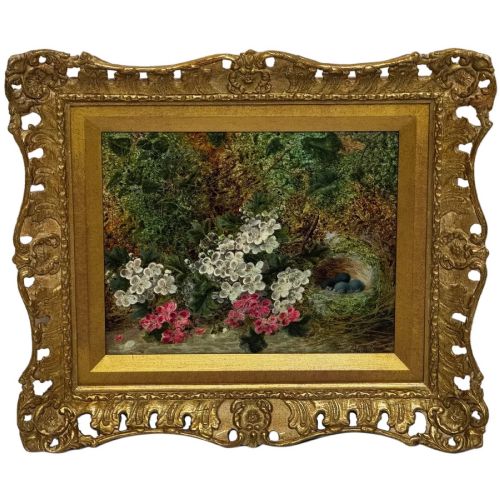
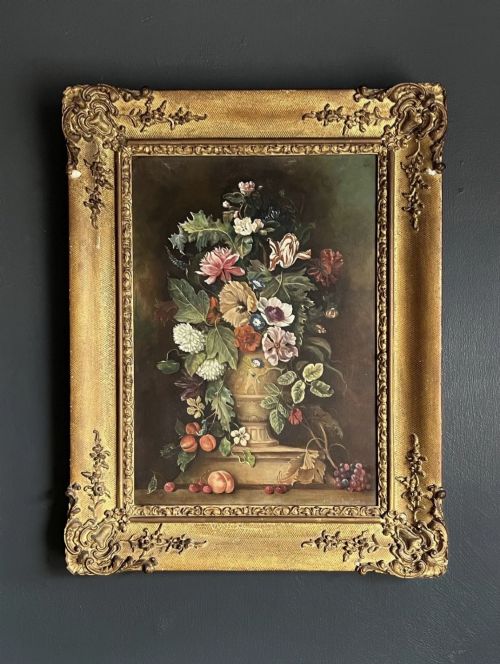
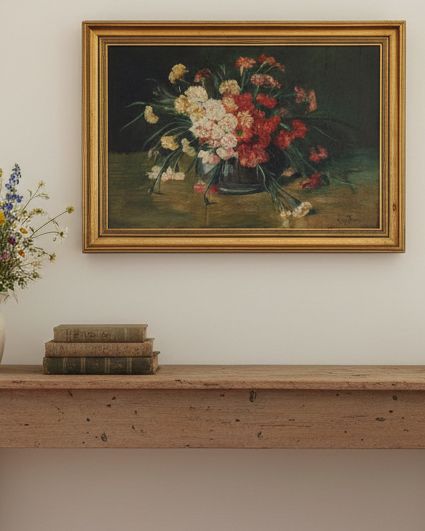
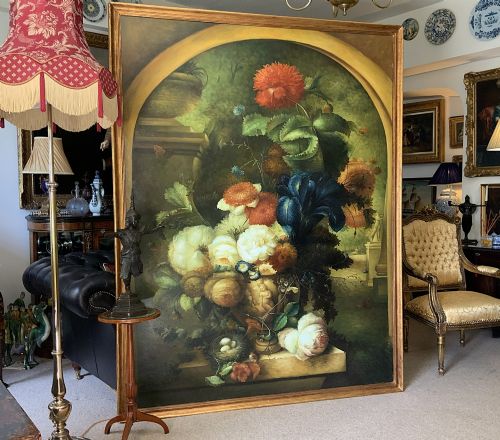
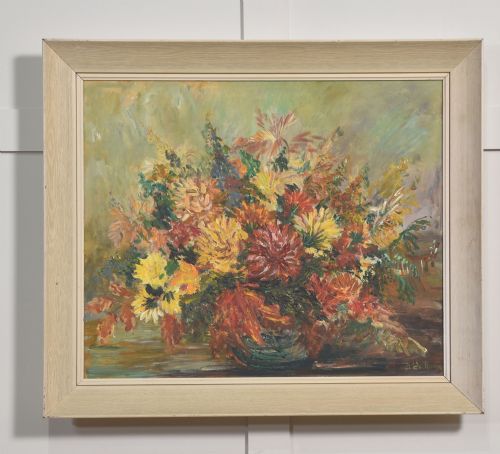
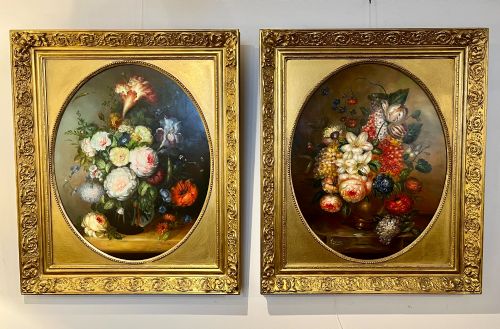
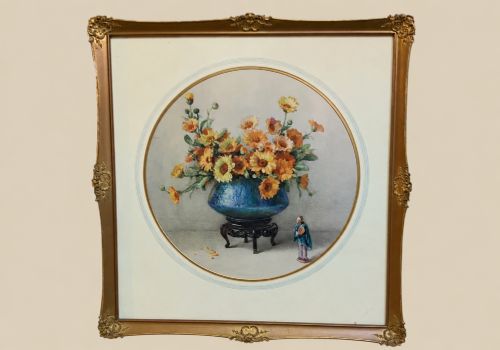
When you search for a framed botanical painting, you encounter studies of flowers, fruit, and foliage rendered across several centuries. The selection ranges from Regency watercolours and Victorian oil paintings to mid-century impressions and Dutch style floral still lifes.
Most pieces you meet on this page take the form of traditional oils on canvas or panel, delicate watercolours on paper, and gouache works. These artworks capture specific blooms, garden corners, and arrangements intended for domestic wall display.
The origin and period of these works span the seventeenth century through to the mid-twentieth century, encompassing British, Dutch, and Austrian artistic traditions. You find individual studies alongside pairs and larger decorative compositions.
Materials and technique
Artists painted these subjects using oil paint, watercolour, gouache, and pastel upon supports of canvas, wood panel, paper, board, and pith paper. Pigments were applied with fine brushes to capture the intricate details of petals, leaves, and stems.
Many works retain their original or period surrounds, including gilt frames, gesso mouldings, and rosewood surrounds, sometimes protected beneath glass. These enclosures range from simple wooden profiles to ornate decorative frames that complement the botanical subject.
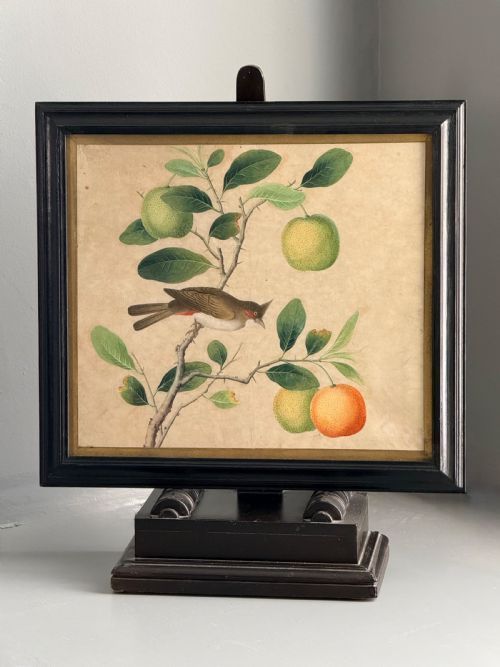
Several botanical watercolours incorporate unexpected wildlife alongside the petals, including wandering blue birds and concealed insects.
Quality and execution
The distinction between ordinary and superior work lies in the precision of draughtsmanship and the handling of light across natural forms. Finer examples display meticulous attention to botanical accuracy, tonal depth, and the subtle textures of petals and foliage.
The harmony between the artwork and its framing also influences distinction, with period gilt or rosewood frames enhancing the visual presence of the painting. Condition of the pigment and paper surface, free from excessive fading or restoration, further elevates the standing of a piece.
Oliver Clare·Edward Ladell·Emma Fordyce MacRae·Konstantin Stoitzner·Gaspar Peeter Verbruggen
The Framed Botanical Painting Glossary
- Gouache
- An opaque water-based medium that dries to a matte finish and allows for rich, solid colour application. It is frequently found on paper or pith paper supports.
- Gesso
- A plaster-like mixture applied to wooden frames before gilding or painting to create a smooth, carved surface. It is typical of traditional Victorian and continental framing.
- Panel
- A flat wooden support used by artists instead of canvas, often providing a stable base for detailed oil painting. Panel works date across multiple centuries.
- Watercolour
- A transparent medium applied to paper, valued for its luminous qualities and delicate rendering of light. Botanical studies often utilise this technique for botanical precision.
- Still life
- An artwork depicting inanimate subject matter, typically including cut flowers, fruit in baskets, and vessels. This genre forms the core of botanical painting traditions.
Framed Botanical Painting: Frequently Asked Questions
How do I care for a watercolour painting?
Keep watercolour works away from direct sunlight to prevent fading of the delicate pigments on paper. Ensure they remain in rooms with stable humidity levels to protect the paper and framing.
Display them behind glass to shield the surface from dust and atmospheric pollutants. Avoid hanging them on damp exterior walls.
Are these paintings original works?
The selection includes hand-painted works in oil, watercolour, gouache, and pastel created directly by artists. Each piece represents a unique execution rather than a modern reproduction.
Descriptions specify the exact medium and support, such as oil on canvas or watercolour on paper, to confirm the hand-painted nature of the artwork.
How do I identify the period of a frame?
Period frames often display traditional construction methods, such as corner mitres joined with pegged wood or hand-carved gesso details over timber. The materials used, such as heavy gilt gesso or polished rosewood, reflect the prevailing taste of the era.
Examining the reverse reveals the age of the wood, backing boards, and fixings, which help correlate the frame with the date of the artwork.