

Framed Asian Art
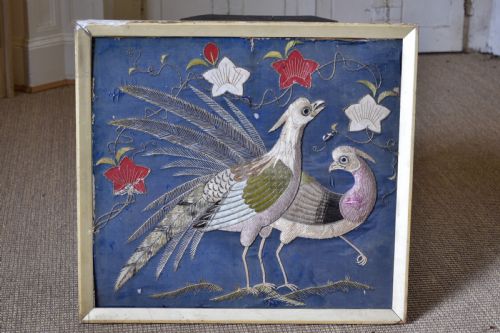
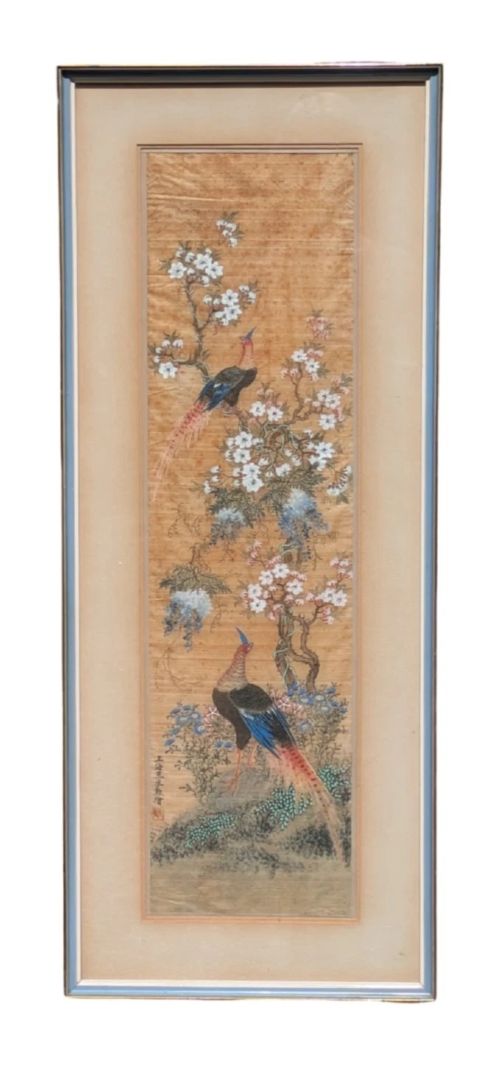
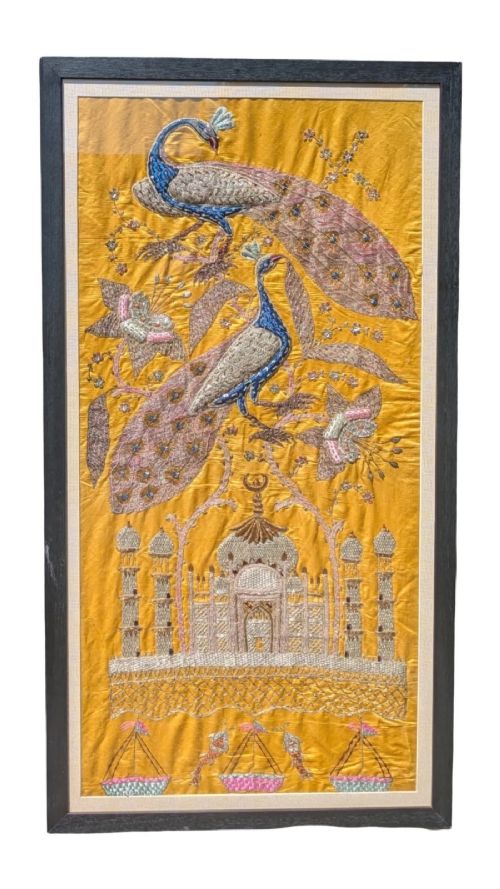
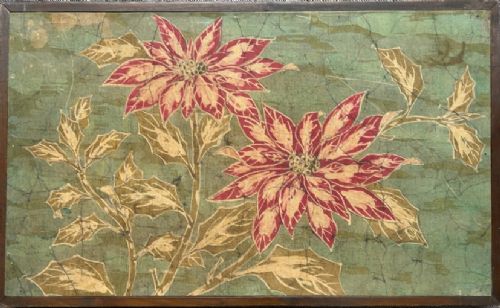
Framed asian art brings together centuries of delicate paintings, rich textiles and intricate woodblocks bound in protective glass and timber.
Framed Asian Art
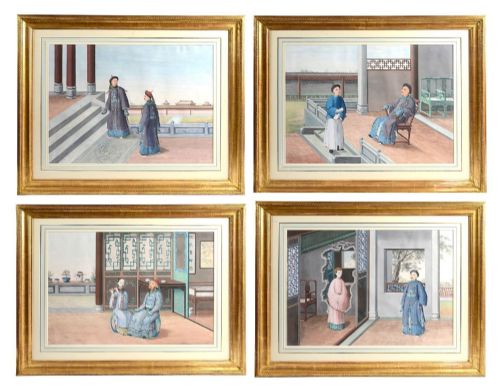
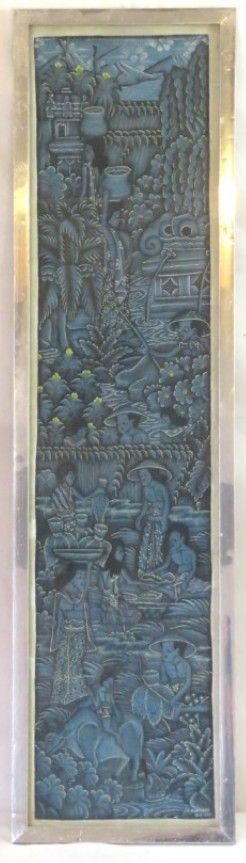
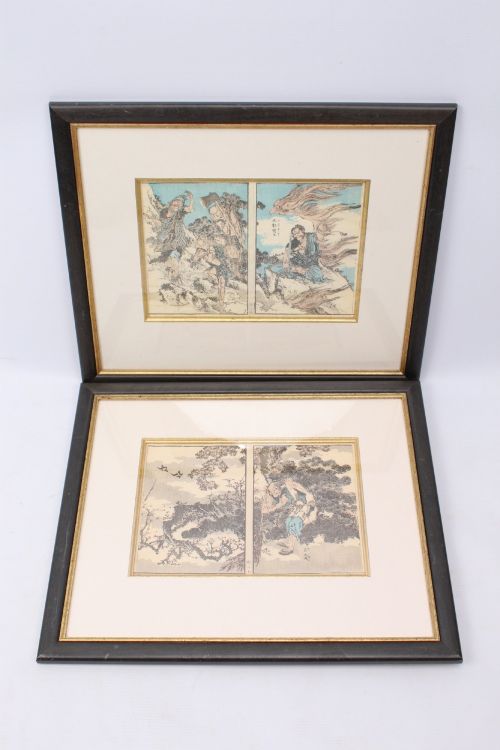
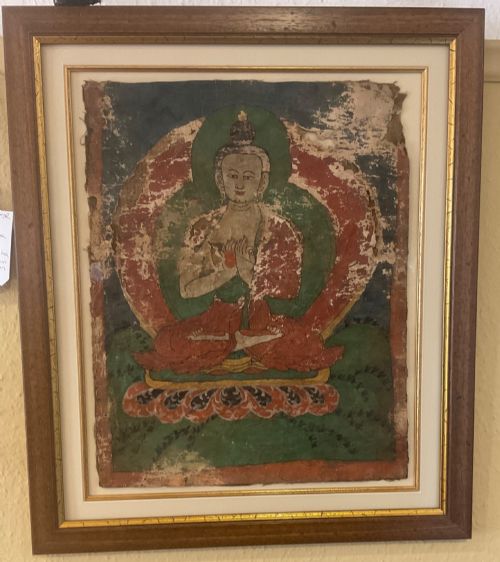
Framed asian art encompasses a diverse range of historic wall hangings, panels and paintings originating from China, Japan, Bali, India, Tibet and Central Asia. Collectors searching for framed asian art encounter everything from 17th century Buddhist manuscripts and Tibetan mulberry wood works to intricate silk embroideries and pith paper watercolours.
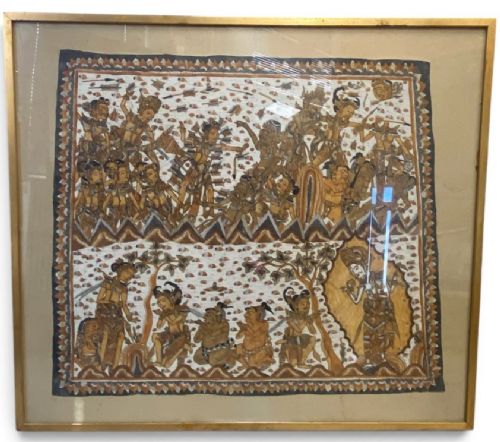
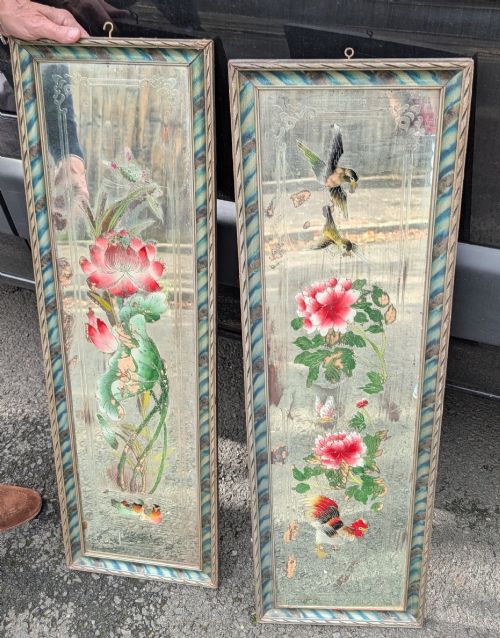
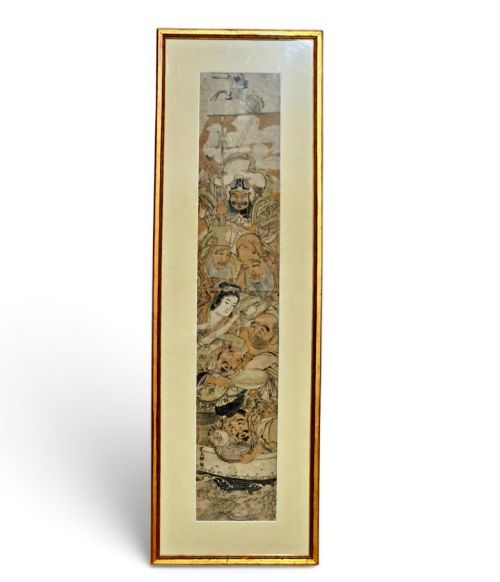
Woodblock prints from the Edo period and Japanese ukiyo-e school appear frequently alongside Balinese Kamasan textile paintings and Uzbek Suzani embroideries. Ancestral scrolls and decorative lacquered panels inlaid with mother of pearl also feature among the selections.
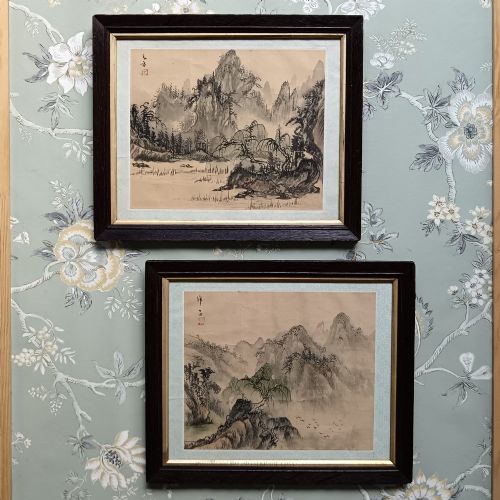
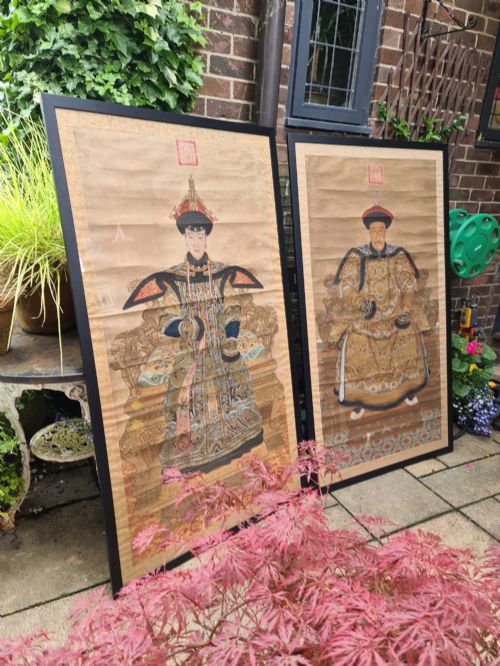
The assortment spans multiple centuries, with 19th century creations providing the most common examples of watercolours on silk and traditional Chinese Shan Shui paintings. Buyers will find both intimate scholarly works and large decorative wall hangings housed behind glass in original frames.
Materials and Techniques
Artisans applied ink, pigment, gouache, tempera and watercolour across delicate supports including silk, pith paper, canvas, cotton and mulberry wood. Many pieces utilise traditional brushwork techniques alongside detailed hand stitching for textile works and embroideries.
Woodblock printing required meticulous carvers to transfer intricate designs onto paper using multiple blocks for distinct colour applications. Lacquered wooden frames and panels frequently incorporate mother of pearl and abalone shell inlay to frame the pictorial scenes.
Mounting methods involved securing fragile scrolls, manuscripts and fabrics within timber frames, often under protective glass to preserve organic textiles and water-soluble pigments from atmospheric degradation.
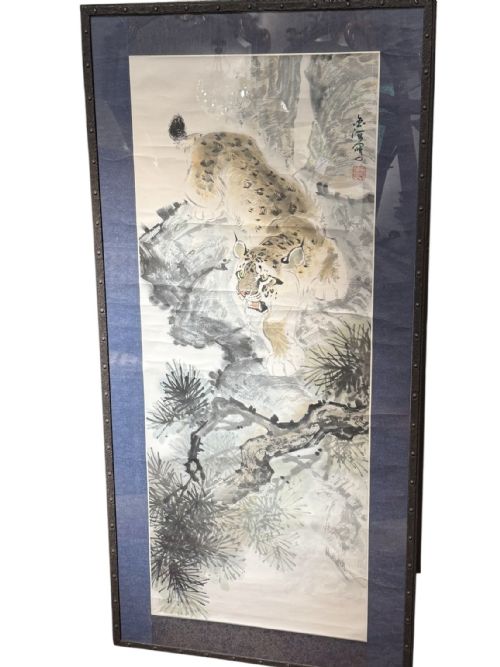
An astonished snow leopard peers out from an early 20th century Chinese scroll, keeping a watchful eye over the entire collection.
Assessing Quality
Quality rests upon the fineness of the brushwork, the preservation of vibrant pigments and the structural integrity of organic supports like silk and pith paper. Superior examples demonstrate exceptional control of line and pigment density, whereas lesser works show fading or clumsy restoration.
The originality of the mounting and framing plays a significant role in determining the integrity of a piece. Original frames designed specifically for the artwork elevate the historical cohesion, while later or poorly fitted replacements diminish the visual balance.
Depth of detail in needlework, woodblock impressions and lacquer inlay distinguishes master workshops from mass-produced decorative items. Precision in hand-sewn silk panels and clarity in Japanese woodblock prints separate ordinary specimens from museum-grade survivals.
Katsukawa Shunshō·Kitagawa Utamaro·Takabatake Kasho·Ah Hee Studio
The Framed Asian Art Glossary
- Ukiyo-e
- Japanese art movement depicting floating world scenes, famous for woodblock prints and paintings of landscapes and actors. These works capture urban pleasures and historic legends of the Edo period.
- Pith paper
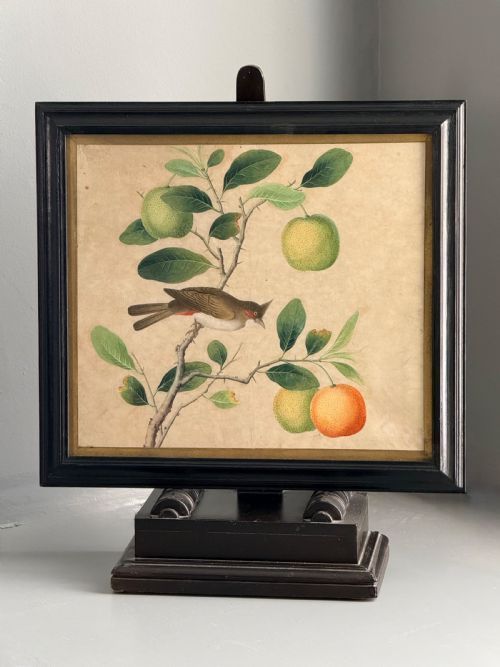
- Delicate material made from the pith of the Tetrapanax papyrifer plant, frequently used in 19th century Chinese watercolour painting. It requires careful handling due to its fragile and absorbent nature.
- Suzani
- Large, decorative tribal embroidered textiles originating from Central Asia, often worked in silk on a cotton foundation. They were traditionally created as part of a bride's dowry.
- Shan Shui
- Traditional Chinese style of painting featuring natural landscapes like mountains and rivers using brush and ink. The tradition emphasises spiritual harmony with nature.
- Kamasan
- Traditional style of painting from Bali rooted in wayang puppet theatre imagery, depicting epic mythological narratives in structured registers. These works employ natural pigments on textile.
Framed Asian Art: Frequently Asked Questions
How do I care for framed silk art?
Keep textile and silk works away from direct sunlight to prevent the organic dyes and natural fibres from fading and degrading over time. Stable indoor humidity levels ensure the fabric and wooden frames do not warp.
Ensure the protective glass remains clean without applying liquid cleaners directly onto the frame edge where moisture might seep inside. Professional framing advice is recommended if the backing paper requires replacement.
What is pith paper painting?
Pith paper paintings are delicate watercolours created on a spongy cellular material harvested from plant stems rather than wood pulp. Artists utilised this absorbent medium in China during the 19th century to produce vibrant export art for Western buyers.
The resulting works possess a luminous quality because the pigment sits slightly raised on the porous surface. Due to their fragile nature, these paintings are almost exclusively found preserved beneath glass.
How are Japanese woodblock prints dated?
Dating woodblock prints involves examining publisher marks, censor seals, artist signatures and the physical condition of the paper stock. Edo period prints carry specific censorship stamps that correlate to exact imperial years.
Paper analysis and ink tests also help distinguish original period impressions from later restrikes or modern reproductions. Collector literature catalogues the known publisher seals to establish precise production timelines.
What defines Balinese Kamasan art?
Kamasan painting originates from the village of Kamasan in Klungkung, Bali, focusing primarily on Hindu epic narratives from the Mahabharata and Ramayana. The compositions use horizontal or vertical registers to separate sequential narrative events.
Figures are drawn in a flat, stylized profile mirroring traditional wayang shadow puppets. Earth-based pigments mixed with animal glue give these textile and canvas works a distinct matte finish.