


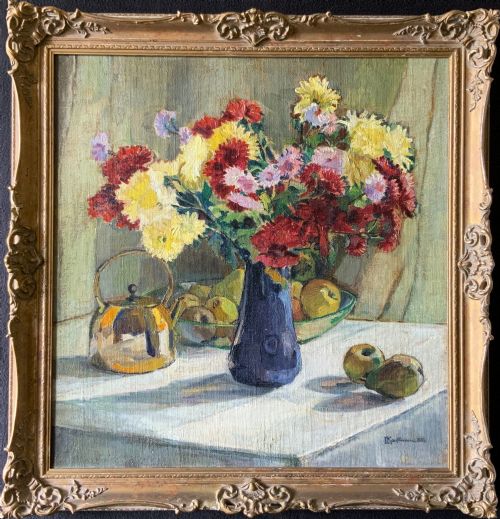


Framed Art Deco Painting
A framed art deco painting captures the spirit of the interwar years through striking figures, vibrant landscapes and precise period glazing.
Framed Art Deco Painting
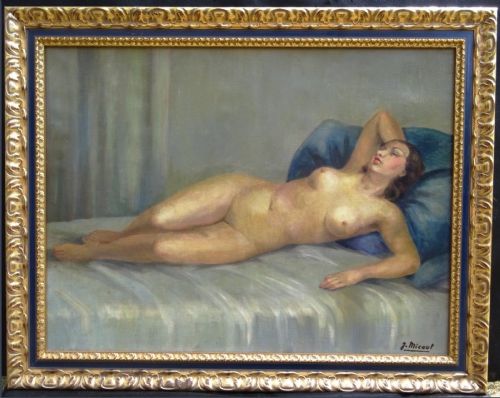
A framed art deco painting brings together works created across several decades, capturing the distinct aesthetic shifts of the early twentieth century. Buyers seeking this phrase encounter varied formats, from intimate portrait miniatures to larger oil paintings on canvas and paper.
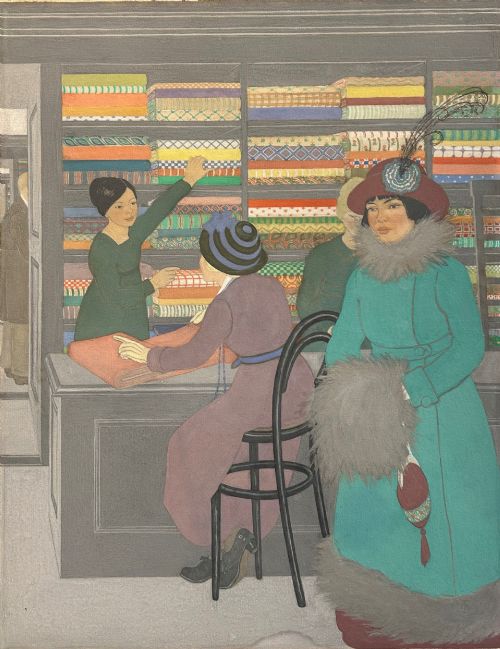
The selections span distinct stylistic branches, including French art deco portraits, impressionist still lifes and surrealist compositions. Many pieces originate from French schools, while others reflect English landscapes and advertising designs of the period.
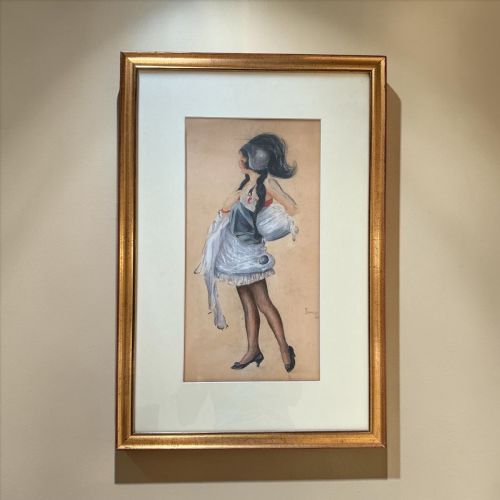
Beyond traditional canvases, the category includes pastel works on board, watercolours of faces and gouache poster designs. Each piece relies on period framing to complete the presentation, often incorporating glass and wood elements.
Materials and Techniques
Artists of the period applied oil, watercolour, pastel and gouache onto diverse surfaces such as canvas, paper, board and panel. Oil on canvas works provide deep pigment saturation, while watercolours and pastels deliver lighter, more fluid tones suited to intimate portraits.
Frames utilise wood, glass and gilt finishes, serving to protect delicate paper surfaces and complement the geometric or curvilinear motifs of the era. Hand-painted portrait miniatures employ fine brushwork on small formats, reflecting meticulous technical skill.
Several ladies gaze out from these walls, having spent nearly a century silently judging our interior design choices.
Assessing Quality
Quality rests in the confidence of the brushwork and the expressive capability of the composition, distinguishing masterly handling from standard decorative production. Stronger examples display assured draughtsmanship in portraiture and dynamic balance in landscape or still life arrangements.
The harmony between the artwork and its period frame influences the overall integrity of the piece. Superior items retain their original mounting and surface condition, allowing the original palette and textural qualities to remain intact.
Raymond Moritz·Samuel Timmins·Gaetan Dumas·Susie Lassam·Albert Guillaume·Andrè Maurice·Kees van Dongen·William Dring
The Framed Art Deco Painting Glossary
- Watercolour
- A painting method where fine pigment is suspended in water-based solution on paper. It produces translucent washes of colour.
- Oil on Canvas
- Pigment mixed with drying oil applied to stretched fabric. This medium allows rich layering and texture.
- Portrait Miniature
- A small, highly detailed painting depicting a person. These were often executed with delicate precision on specialised surfaces.
- Gilt
- A thin layer of gold leaf or gold paint applied to wood or metal frames. It enhances decorative elements with reflective warmth.
- Impressionism
- A style focused on accurate depiction of light and fleeting moments. Brushstrokes remain visible to capture atmospheric effects.
Framed Art Deco Painting: Frequently Asked Questions
How do I identify a genuine period frame?
Period frames typically show appropriate construction methods, timber ageing and surface wear consistent with the early twentieth century. They complement the specific aesthetic of the artwork they enclose without modern alterations.
Examine the backboards, fixings and joinery for signs of age. Original housing enhances the historical integrity of the painting.
Where should I hang these paintings at home?
These works suit spaces with stable temperature and indirect lighting to protect delicate paper, watercolour and pastel surfaces. Living rooms and studies provide suitable environments for viewing intimate portraits and landscapes.
Keep pieces away from direct sunlight and moisture sources. Proper placement preserves the pigments and framing materials over time.
What subjects are most common in these works?
The subjects range from female nudes and portrait studies to rural landscapes, still lifes and theatrical scenes. Many reflect Parisian artistic circles or English countryside views.
Choosing a subject depends on personal preference for portraiture, botanical arrangements or architectural poster designs from the era.
How do I care for antique watercolours and oils?
Oil paintings on canvas require gentle dusting with a soft, dry cloth and protection from extreme humidity. Watercolours and pastels behind glass need sealed backing boards to prevent dust and moisture ingress.
Avoid using liquid cleaners on painted surfaces or gilt frames. Consult a professional conservator for any structural repairs.