


Framed Folk Art
Framed antique folk art brings together vernacular paintings, textiles, and shadow boxes made by self-taught hands for domestic spaces.
Framed Folk Art
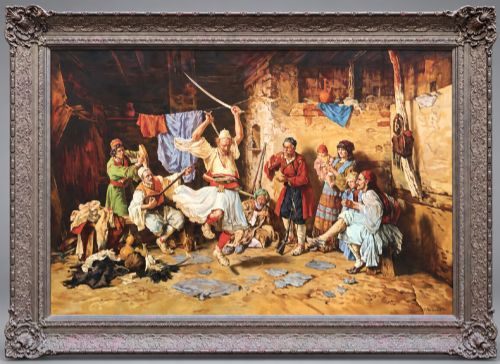
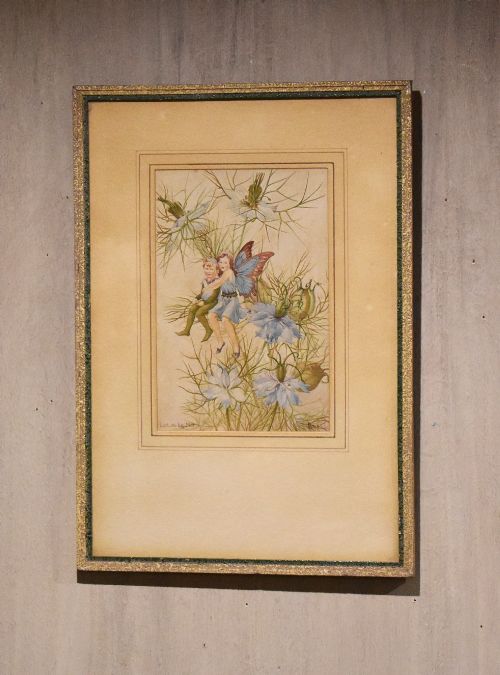
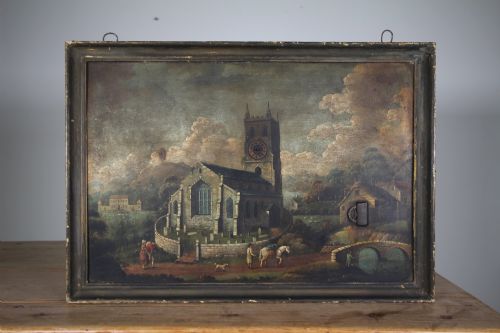
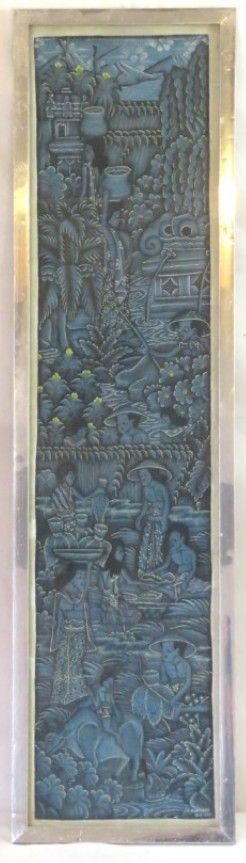
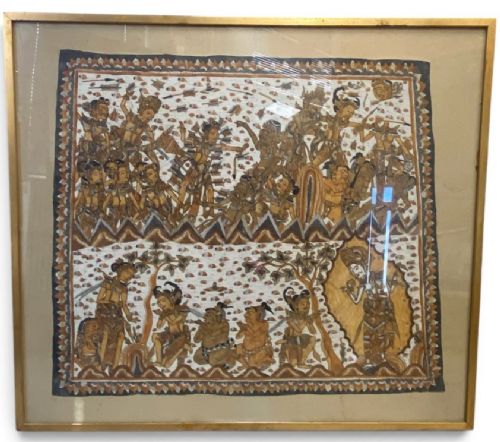
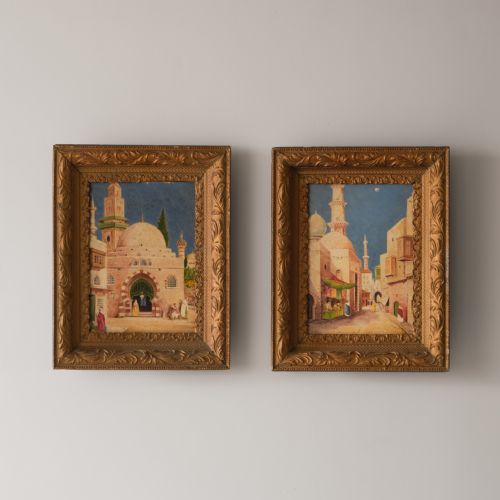
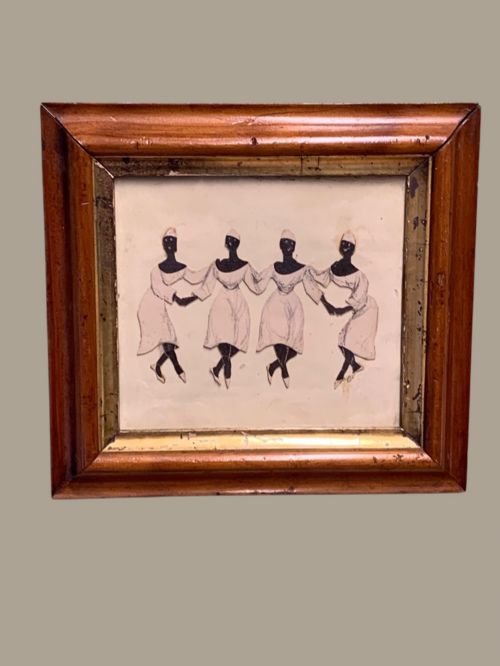
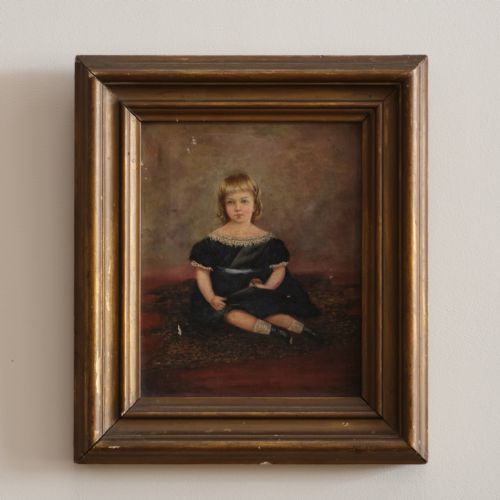
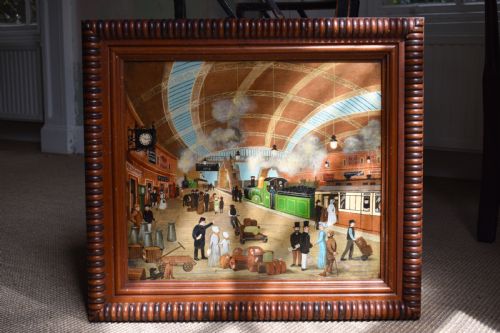
When you search for framed antique folk art, you encounter a diverse mix of vernacular wall pieces created outside academic traditions. These objects include naive portraits of people and animals, maritime shadow box dioramas, and detailed textile works.
The selections span from the eighteenth century through to the mid-twentieth century, drawing on British, American, European, and wider global traditions. You are most likely to meet nineteenth-century oil paintings and woolwork pictures enclosed in their original wooden or twig frames.
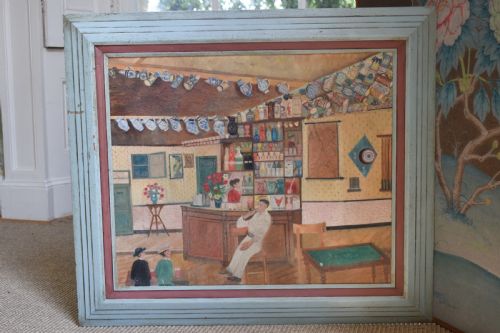
Subjects range from topographical views and racing pigeons to domestic scenes and sailing ships in full rig. Each piece reflects the personal vision and local materials available to the maker at the time.
Materials and Construction
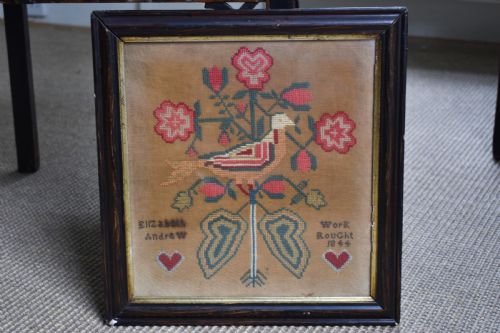
Makers utilised readily available domestic and maritime materials, applying oil paint to canvas, board, and panel, or working with wool, linen, and cotton thread on canvas and sampler grounds. Textile works often combine embroidery, collage, and applique to build texture.
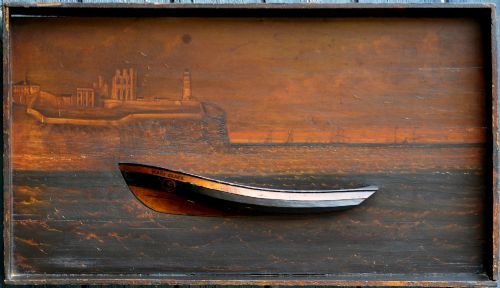
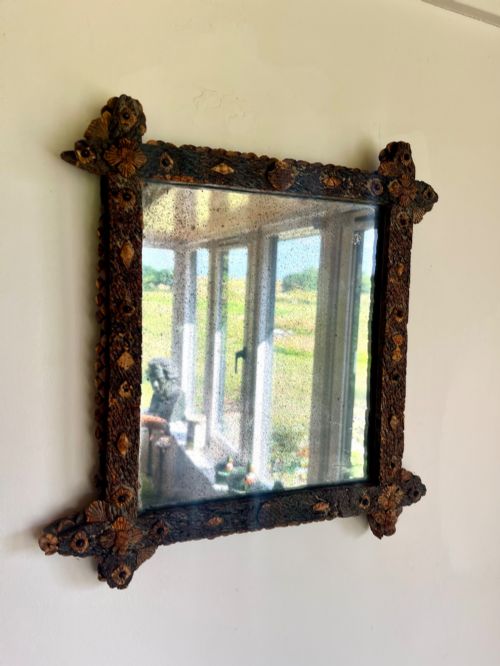
Shadow box dioramas layer carved wooden ship models, painted backdrops, and natural elements like shells and cork behind glass protection. Frames range from simple moulded wood to intricate architectural fretwork and rustic cork constructions.
Racing pigeons make unexpected art subjects, preserved forever in oil paint alongside old club badges.
Distinctions in Quality
The strength of framed antique folk art rests entirely on the directness of the expression and the confidence of the hand. Stronger examples display an unhesitating application of paint or stitch that captures character and movement without academic instruction.
Material preservation also defines the tier of a piece, particularly the stability of oil on canvas, the brightness of untreated woolwork, and the intact survival of delicate glass-fronted dioramas and reverse glass paintings.
J Brown·E H Windred·James Kyd
The Framed Folk Art Glossary
- Naive art
- Visual work created by a self-taught artist lacking formal academic training. This style often employs flat perspective and direct colour.
- Woolie
- A maritime textile picture created predominantly in wool yarn work by sailors. These pieces frequently depict sailing ships or naval portraits.
- Shadow box diorama
- A three-dimensional scene enclosed in a deep frame behind glass. It typically combines carved models, painted backgrounds, and physical objects.
- Reverse glass painting
- An artwork created by applying pigment directly to the reverse side of a glass sheet and viewing it from the front. This technique produces a glossy surface finish.
- Sampler
- A piece of needlework produced to demonstrate proficiency in various stitches. Antique examples often feature alphabets, numerals, and domestic motifs.
Framed Folk Art: Frequently Asked Questions
What is folk art?
Folk art encompasses utilitarian and decorative objects made by community artisans or self-taught individuals rather than professional academic artists. These works draw on regional traditions and personal resourcefulness.
In wall art, this translates to straightforward portraiture, maritime woolwork, and vernacular landscapes that prioritize direct storytelling over academic rules of perspective.
How do I date a diorama?
Dioramas are dated by examining the vessel types depicted, the construction methods of the wooden box, and the framing materials used. Turn-of-the-century pieces often combine steam vessels with sailing ships.
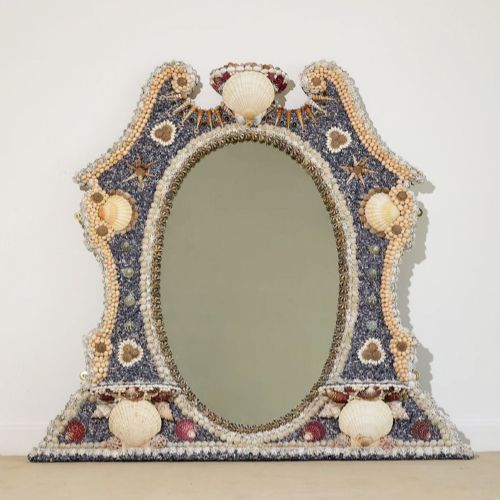
The materials inside, such as specific grades of paper, cork, or shellwork, also offer clues to the period of assembly.
Where should I hang these?
These pieces suit spaces away from direct sunlight and excessive moisture to protect exposed canvas, textiles, and delicate painted wooden panels. Their varied scales allow them to sit comfortably in both traditional and contemporary interiors.
Pairing diverse textures like woolwork and oil paint creates visual depth on a gallery wall.
Are textile pieces fragile?
Textiles such as woolies, samplers, and embroidered wall hangings require protection from dampness, dust, and direct light to prevent fading. Framing behind glass helps shield the fibres from environmental wear.
Keeping the pieces in stable indoor climates ensures the wool and linen grounds remain secure within their frames.