
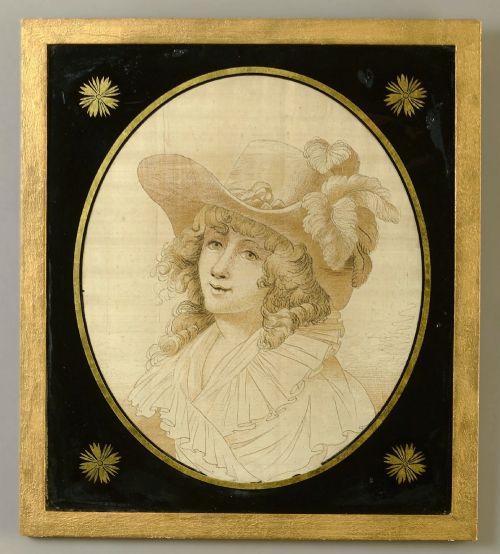
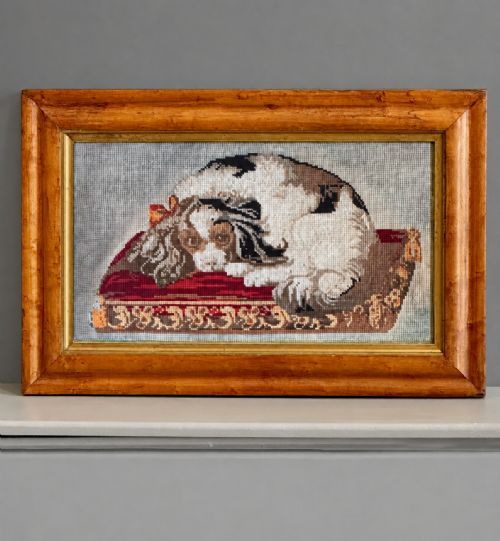
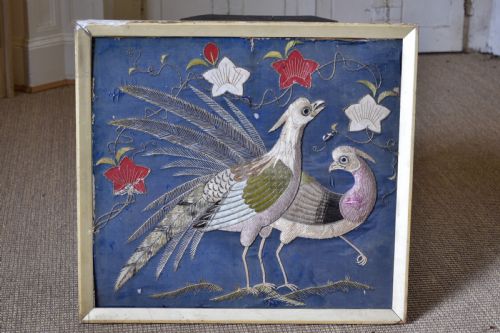
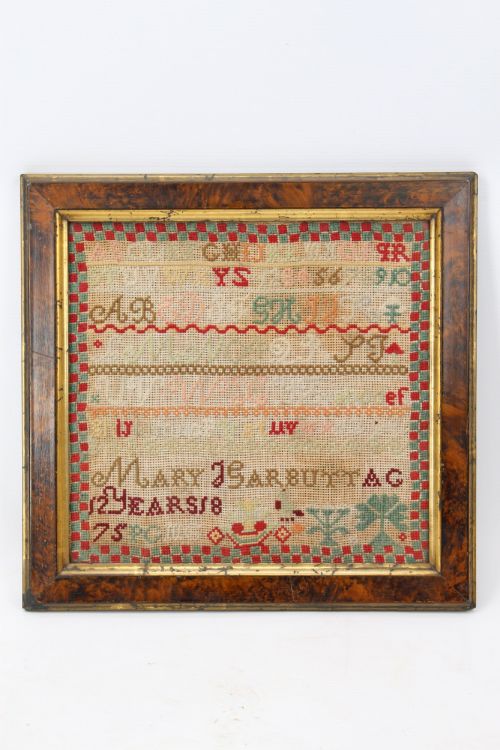
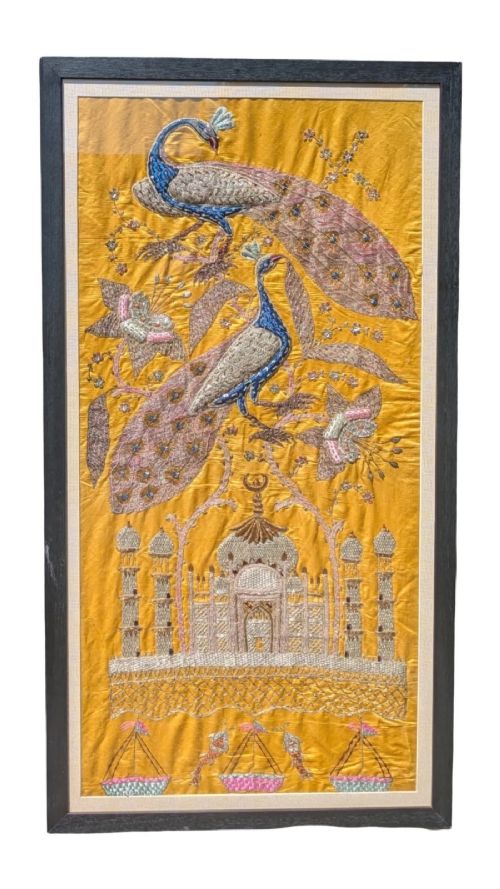
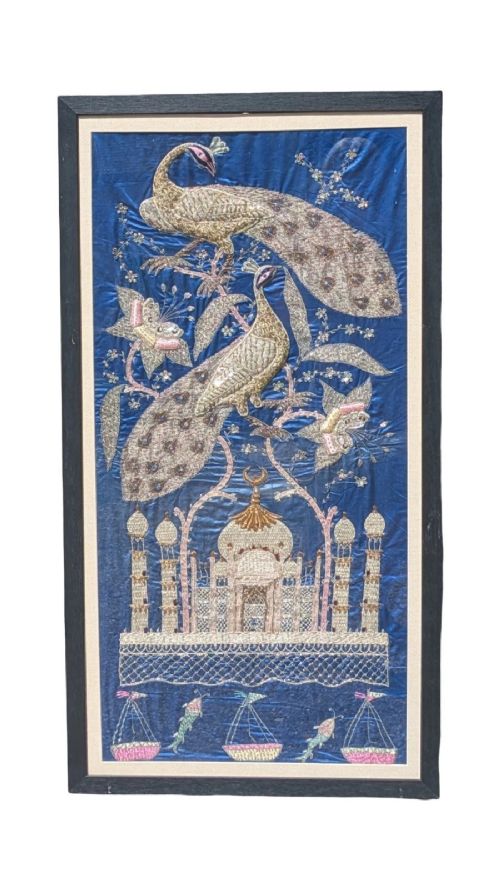
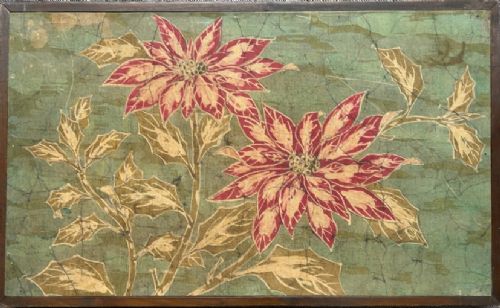
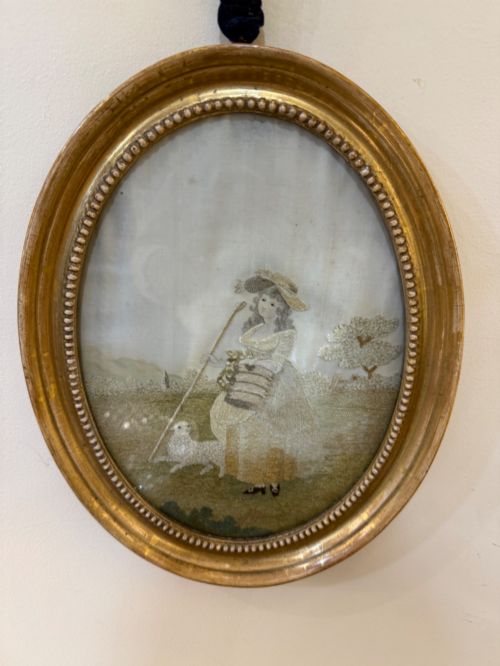
Framed Wall Textile
These framed antique wall textile pieces bring centuries of needlework, tapestry, and woven art into modern rooms.
Framed Wall Textile
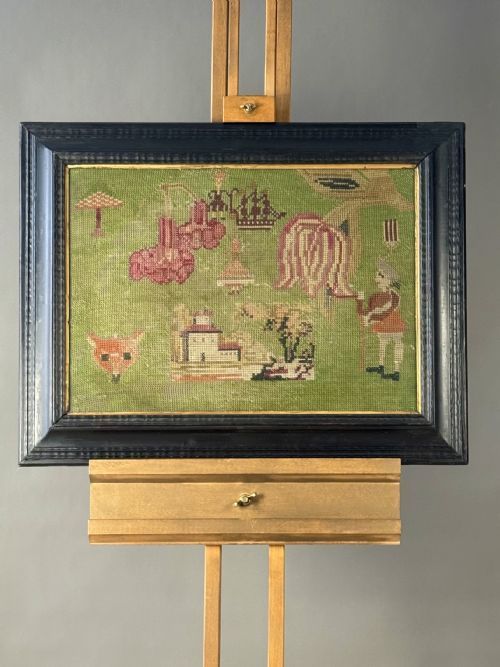
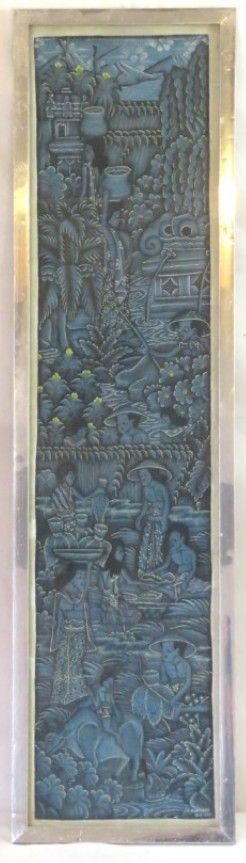
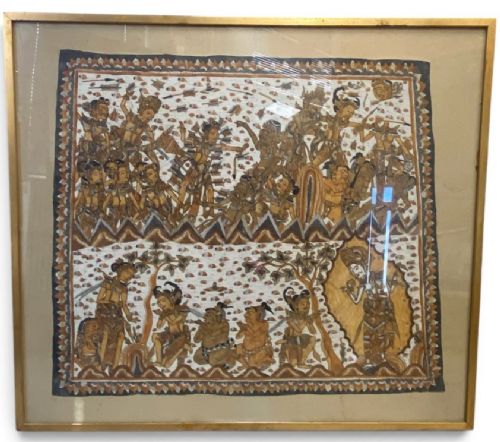
A framed antique wall textile encompasses needlework pictures, samplers, tapestries, and embroidered silk panels preserved behind glass or mounted in period frames. These works originate from the seventeenth century through the early twentieth century, spanning English country houses, French salons, and international textile traditions.
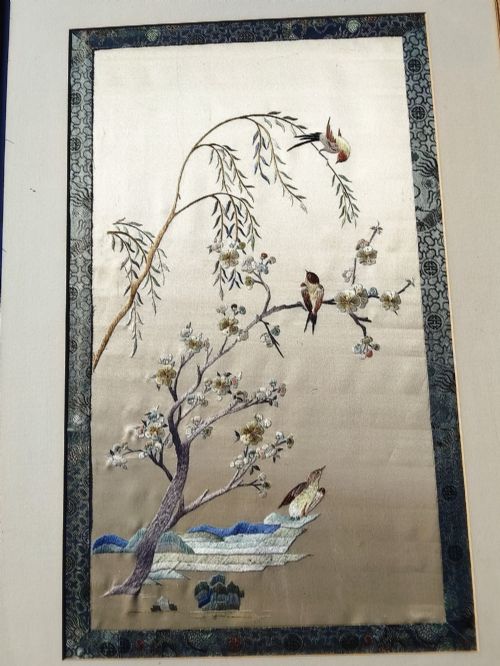
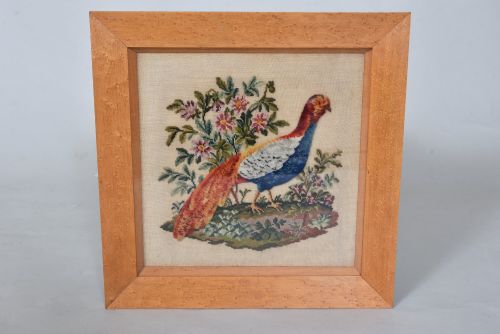
Buyers encounter diverse forms ranging from eighteenth-century needlework samplers and Victorian wool work depictions of animals to seventeenth-century stumpwork and Chinese silk embroideries. Many pieces preserve domestic handcrafts, educational exercises, or decorative panels intended from creation for interior display.
Materials and Technique
Maker execution relies on silk, wool, cotton, and linen threads worked onto canvas, backing fabrics, or woven silk grounds. Artisans employed specialised techniques such as Berlin work, stumpwork relief, and fine silk floss embroidery.
Glazed protection and period wood frames, including burr maple and gilt moulding, safeguard these delicate fabric surfaces from atmospheric dust and physical handling.
Listings span periods from the 17th century through 1920, utilising glass, silk, wood, wool, linen, cotton, and metallic thread.
Quality Variations
Quality rests upon the intricacy of the stitchwork, the complexity of the pictorial composition, and the stability of the surviving textile fibres. Superior examples demonstrate accomplished draughtsmanship through needle or brush, balanced chromatic harmony, and minimal fibre loss.
The integrity of the mounting and the retention of original framing materials significantly influence the overall standard of preservation. Pieces retaining contemporary frames and undisturbed backings command greater historical interest.
The Framed Wall Textile Glossary
- Sampler
- A piece of needlework demonstrating various stitches and alphabets, often worked by young girls to prove their skill. These dated textiles provide helpful benchmarks for period needlework styles.
- Stumpwork
- A raised embroidery style popular in the seventeenth century, using padded underlays to create three-dimensional figures. Figures and motifs stand proud of the background canvas.
- Berlin Work
- A type of coloured wool point de croix embroidery popular during the nineteenth century, worked from gridded pattern charts. Kits and printed charts made this style widespread in Victorian parlours.
- Tapestry
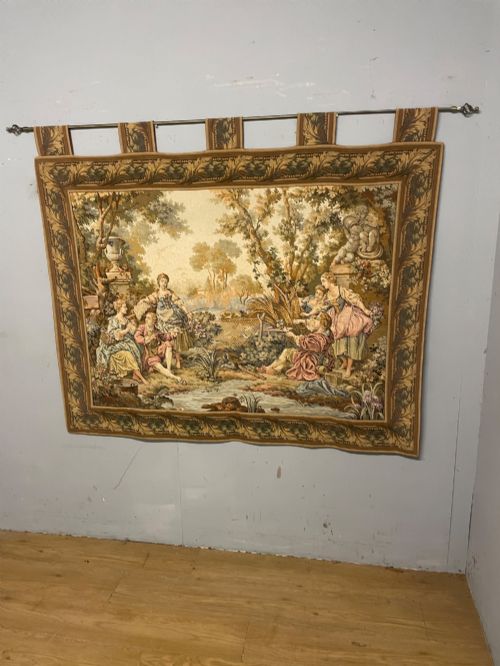
- A form of heavy textile art woven on a loom rather than embroidered with a needle. Verdure tapestries depict foliage and landscape scenes.
- Rank Badge
- A square embroidered patch worn on Chinese official robes to denote civil or military status, often repurposed into framed decorative panels.
Framed Wall Textile: Frequently Asked Questions
How should I clean a framed textile?
Textiles behind glass generally require no internal cleaning, as the framing protects the fragile fibres from dust and touch.
Keep pieces away from direct sunlight and damp environments to prevent fading and mould growth on the historic threads.
Are these textiles mounted correctly?
Most antique textile fragments are carefully stitched to a neutral linen or canvas backing board to support their weight evenly.
Acid-free backing materials prevent chemical degradation of the historic silk, wool, and cotton fibres over time.
How do I identify a seventeenth-century piece?
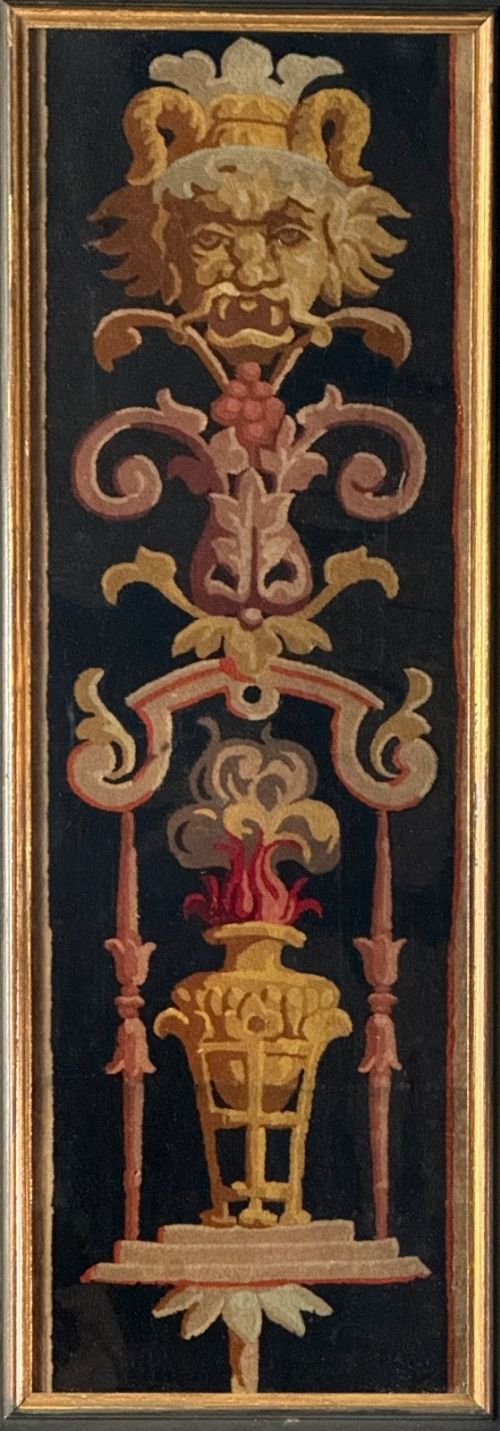
Seventeenth-century examples often feature stumpwork relief, metallic thread embellishment, and distinctive subject matter such as royal portraits or classical grotesques.
Material analysis of the backing linens and hand-spun threads further assists in confirming early execution dates.
Can I hang these in a bedroom?
Wall textiles suit bedrooms provided they hang away from direct heat sources and excessive moisture.
Stable indoor temperatures help preserve organic materials like silk and wool against thermal shock.