

Framed Animal Wall Art
These framed animal wall art pieces bring centuries of canine, equine and feline portraiture into the home through oil paintings and detailed prints.
Framed Animal Wall Art
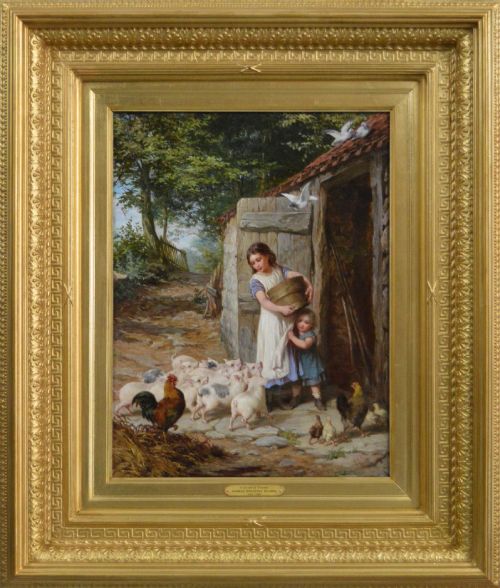
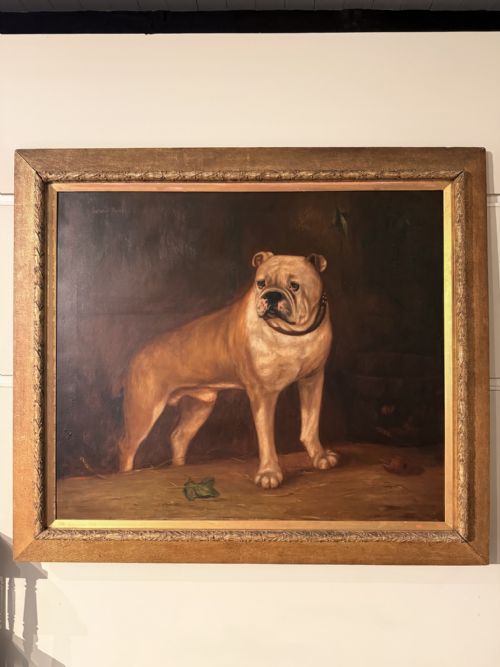
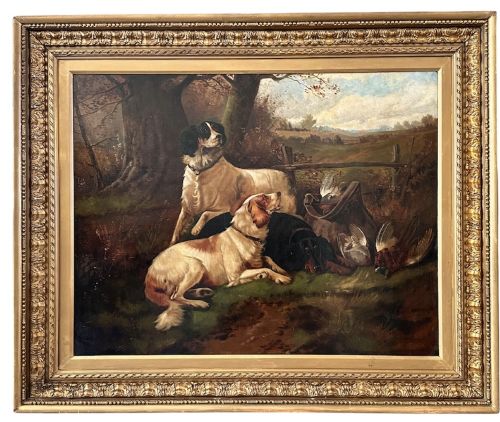
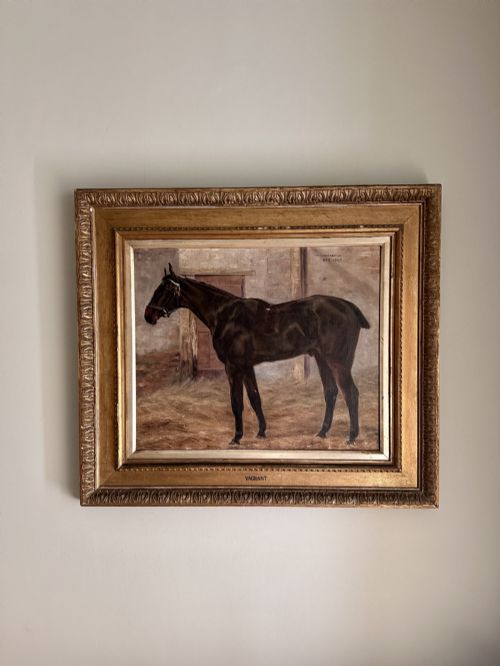
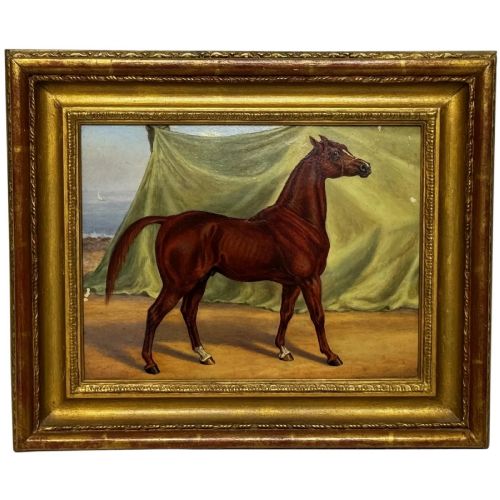
When searching for framed animal wall art, collectors encounter a diverse selection of subjects spanning domestic pets, working livestock and exotic beasts. These works range from grand equine portraits and sporting scenes to intimate depictions of cats, dogs and farmyard animals.
The pieces appearing most frequently across this selection date from the 18th, 19th and early 20th centuries. Creators applied varied mediums, including oil paint on canvas or board, watercolour, pastel, chromolithography and etching, encased in period frames.
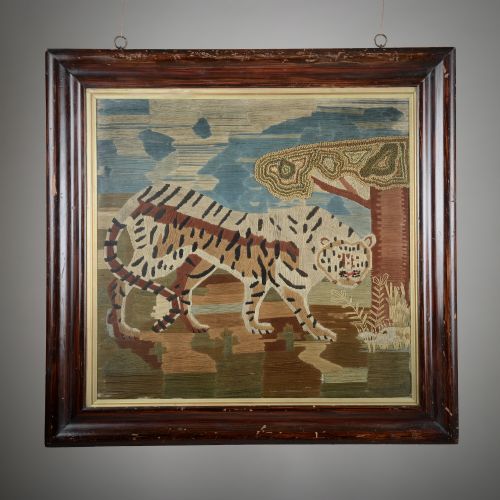
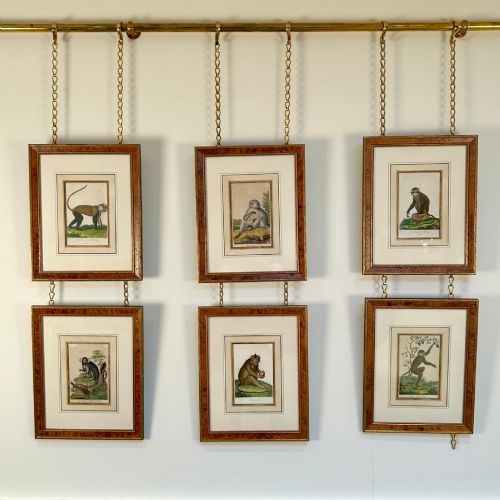
Representations take the form of detailed oil paintings, hand-coloured engravings, drypoints and wool work pictures. They capture specific animals with individual character, often reflecting the artistic conventions of the Georgian, Victorian and Edwardian eras.
How They Were Made
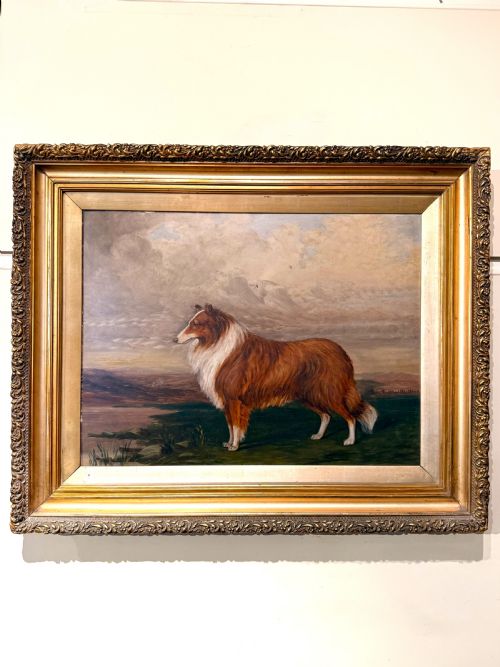
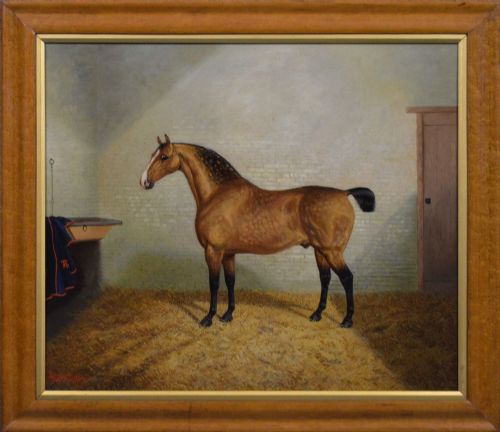
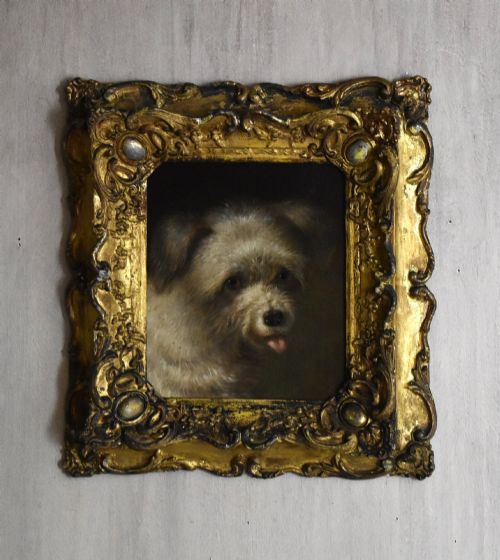
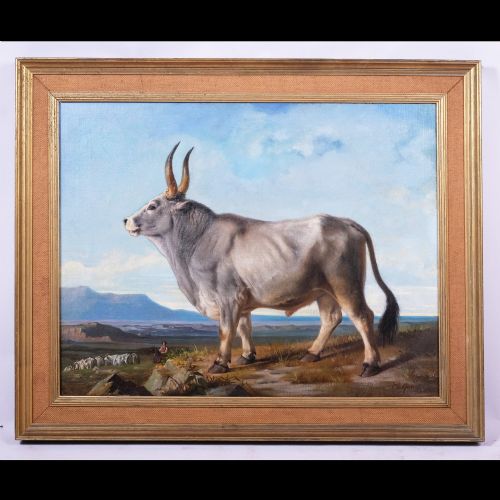
Makers utilised traditional canvas and wooden panels as a foundation for rich applications of oil paint. Artists built up layers of pigment to capture the texture of animal fur, horse coats and feather details.
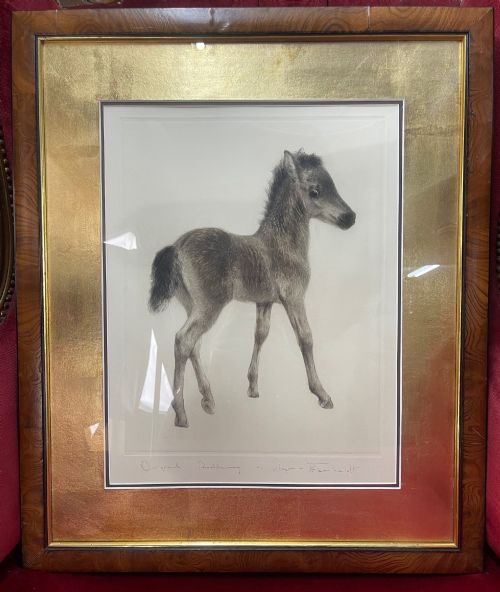
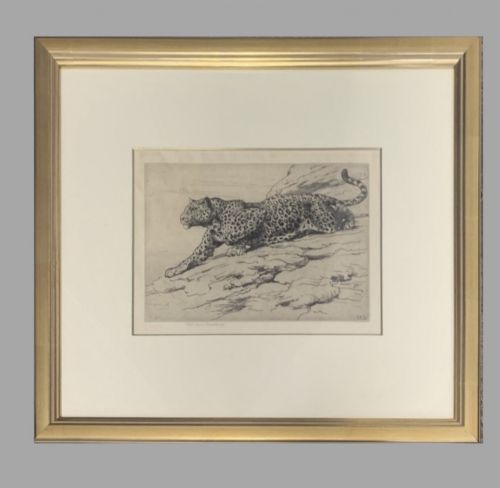
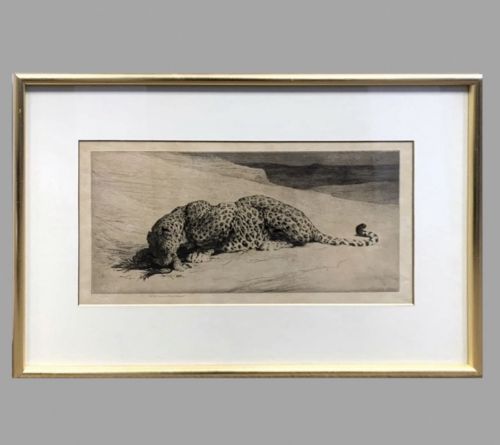
Printmakers employed techniques such as etching, drypoint and chromolithography on paper surfaces, creating multiple impressions often signed in pencil by the artist. These prints were subsequently mounted behind glass and secured within wooden and giltwood frames.
Represented species include horses, dogs, cats, monkeys, bulls, cattle, sheep, leopards, tigers, and flamingos.
What Varies in Quality
The distinction between standard and exceptional pieces rests upon the anatomical precision and expressive capability of the draughtsmanship. Superior works convey the individual personality and realistic musculature of the subject rather than relying on generic animal forms.
The execution of the surrounding medium, whether brushwork in an oil painting or the fine line density in an etching, determines the overall refinement of the piece. Preservation of the original paper, canvas and period framing also contributes significantly to the integrity of the artwork.
Kurt Meyer Eberhardt·Albert Clark·Martin Theodore Ward·George Augustus Holmes·John Sargent Noble·Herbert Dicksee·Fred Fitzpatrick·Edgar Hunt·Alfred Arthur Brunel de Neuville·Horatio Henry Couldrey·David Orr Kerr·Henry Schouten·LM Webb·Louis Wain·William Henry Mander·Thomas Sidney Cooper·C W Tuck·Franz van Severdonck·Marc Chagall
The Framed Animal Wall Art Glossary
- Drypoint
- A printmaking process where an image is scratched directly onto a metal plate with a sharp needle. This technique creates a distinctive velvety line due to the burr raised in the metal.
- Chromolithography
- A colour lithographic printing method that uses multiple stones or plates to apply different ink hues. It allowed affordable mass reproduction of vibrant paintings in the 19th century.
- Etching
- A technique where acid bites lines into a metal plate covered with an acid-resistant ground. Ink is then pressed into the grooves to transfer the detailed design onto paper.
- Giltwood
- Wood carved and coated with a thin layer of gold leaf or gold paint. It frequently appears on traditional frames from the Victorian and earlier periods.
- Oil on Canvas
- Pigment mixed with drying oil applied to a stretched fabric surface. This combination provides durability and allows deep blending of tones for animal portraits.
Framed Animal Wall Art: Frequently Asked Questions
What periods do these animal artworks cover?
The pieces span multiple centuries, with a strong representation from the 19th century, Victorian era, Georgian period, and early decades of the 1900s. Artists during these times produced detailed studies of domestic pets, livestock, and wildlife.
Items range from early oil paintings and hand-coloured engravings to later signed etchings and chromolithographs. Each era brought distinct stylistic approaches to portraying animals in art.
How should I care for framed oil paintings?
Display paintings away from direct sunlight and fluctuating heat sources to protect the canvas and paint layers. Gentle dusting with a soft, dry cloth keeps the surface clear without harming delicate pigments.
Avoid using liquid cleaners or chemical sprays on the canvas or the historic frames. Professional conservators should handle any deep cleaning or structural repairs needed for older pieces.
How do I distinguish an original etching from a print?
Original etchings and drypoints display a distinct plate mark impression in the paper where the metal plate was pressed during printing. Under magnification, the ink shows slight raised texture rather than the flat dots typical of modern mechanical reproduction.
Many period print proofs include hand-written signatures in pencil by the artist in the margin. These signatures and limited edition markings confirm the authenticity of the print.
What subjects were popular in Victorian animal art?
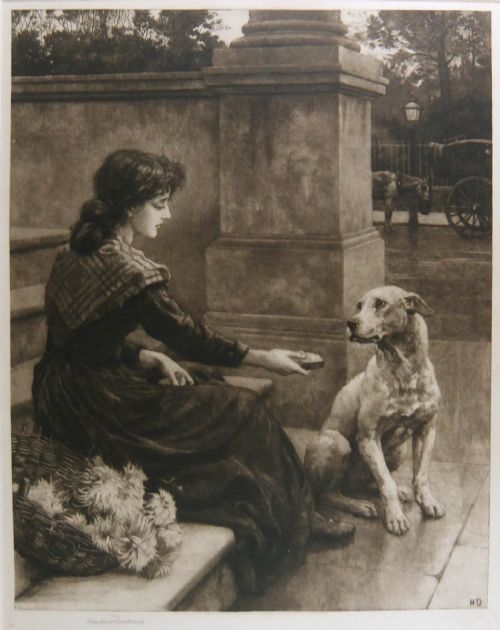
Sporting scenes featuring horses, hunting dogs, and livestock dominated much of the 19th-century output. Artists also painted intimate domestic portraits of cats, pugs, and dogs interacting with their surroundings.
Commissioned animal portraits often recorded prized family pets or champion farm animals with great realism. Wildlife subjects such as tigers, leopards, and exotic birds also appeared in fine art prints.