



Edwardian Animal Etching
An edwardian animal etching brings the profound draftsmanship of the early twentieth century into your home with remarkable presence.
Edwardian Animal Etching
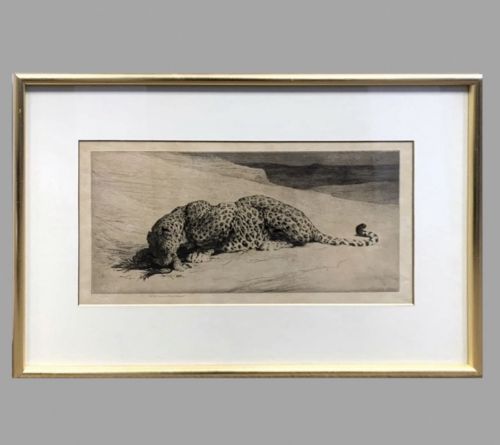
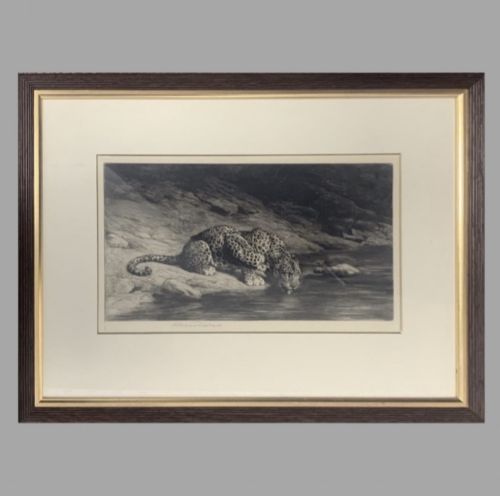
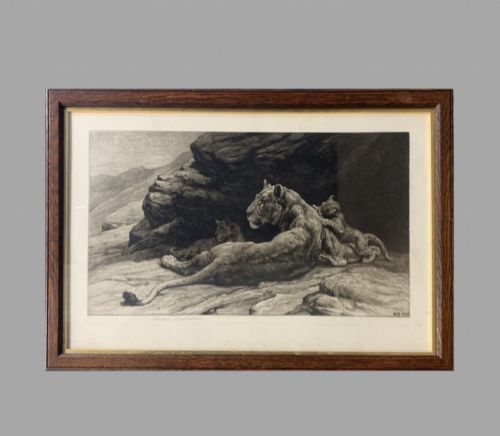
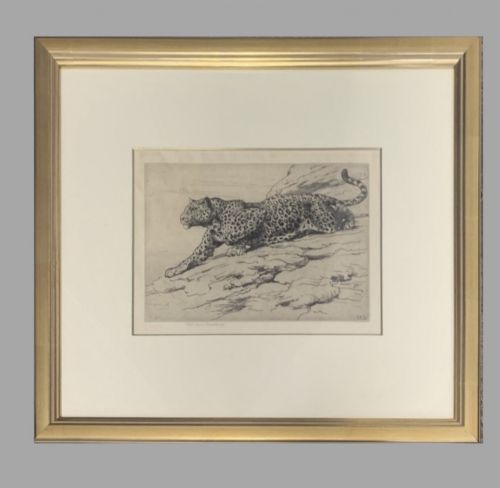
When you search for an edwardian animal etching, you are looking at original printed works that capture big cats, dogs, and wildlife with intense realism. These pieces span the late Victorian era through the early twentieth century, reflecting a distinct period of naturalist printmaking.
The versions you are most likely to meet on this page include signed artist proofs on paper or vellum, alongside miniature studies. Subjects range from leopards and jungle fowl to spaniels and bulldogs, framed carefully in wood, oak, or gilt wood.
How they were made
These works rely on traditional printmaking techniques where the artist incises lines directly into a metal plate using ink and pressure. The resulting impressions are transferred onto quality paper or vellum, capturing fine tonal gradations.
Framing materials complete the construction, utilising oak, gilt wood, and standard wood surrounds coupled with glass to protect the delicate ink surfaces.
Edwardian Animal Etching Retail Price Guide 2026
Typical asking prices for edwardian animal etching among the pieces listed under this phrase on Sellingantiques today, from the lower quarter to the upper quarter. They describe what is for sale here now, not the wider market.
A curious British bulldog shares gallery space with wild jungle fowls and leopards, proving Edwardian artists loved both fierce beasts and loyal pets.
What varies in quality
Quality rests significantly on the medium chosen for the impression, with vellum proofs often offering a richer, deeper surface texture than standard paper. The presence of a signature and the status of an artist proof elevate the standing of an individual work.
The choice of framing contributes to the overall presentation, where period oak and gilt wood enhance the visual impact compared to plain modern mounts.
Herbert Dicksee
The Edwardian Animal Etching Glossary
- Etching
- A printmaking process where acid bites lines into a metal plate to hold ink. This method allows for exceptional detail in rendering animal fur and musculature.
- Vellum
- A fine parchment prepared from calfskin used as a printing surface. It absorbs ink differently than paper, yielding a warmer tone.
- Artist Proof
- A trial impression printed for the artist to check the state of the plate before the main edition. These carry high collector appeal due to their direct association with the creator.
- Drypoint
- A printmaking technique where an artist scratches directly into the metal plate with a sharp needle. This creates a characteristic burr that holds ink for rich, velvety lines.
- Gilt Wood
- Wood treated with gold leaf or a metallic gold paint finish. It provides a traditional ornate border for framing fine art.
Edwardian Animal Etching: Frequently Asked Questions
What is an edwardian animal etching?
An edwardian animal etching is an original print produced during the early twentieth century, focusing on detailed studies of wildlife and domestic animals. These works capture texture and light through traditional intaglio printing methods.
Created largely by prominent printmakers of the era, these pieces offer a window into historical naturalist art and remain sought-after collector items.
How do I care for my etching?
Protect your framed print by keeping it away from direct sunlight, which can fade the ink and discolour the paper or vellum over time. Maintaining a stable indoor humidity prevents warping in the wooden frames.
Ensure the glass remains intact to shield the delicate ink surface from atmospheric pollutants and dust accumulation.
What subjects appear most often?
Big cats such as leopards, lions, and tigresses dominate many of the primary works, often depicted in dramatic natural settings. Domestic animals, including spaniels and bulldogs, also feature prominently.
These subjects reflect the period fascination with both exotic wildlife and faithful canine companions.
Are vellum and paper different?
Vellum is a prepared animal skin that absorbs ink with a rich, luminous quality, whereas paper offers a flat, traditional matte surface. Both materials support fine detail but age with distinct characteristics.
Vellum proofs frequently indicate a higher tier of production for collectors seeking scarce variations.