
Framed Animal Canvas
Framed animal canvas works bring the traditional portraiture of livestock, hounds and farmyard scenes into domestic interiors.
Framed Animal Canvas
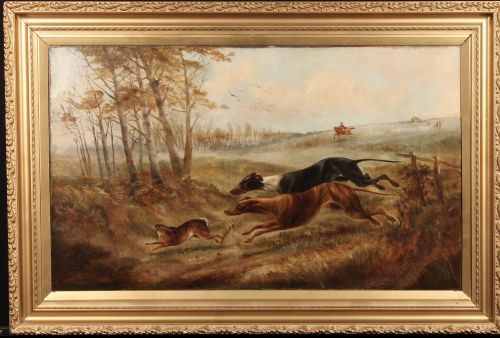
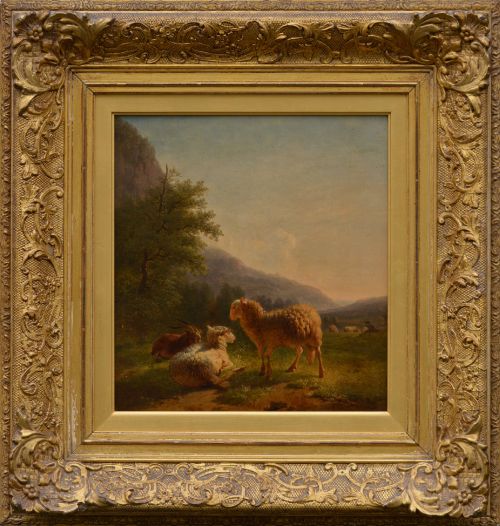
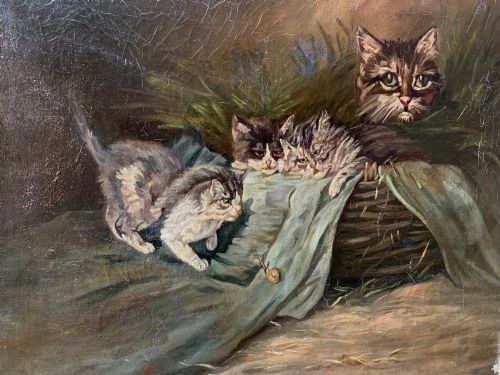
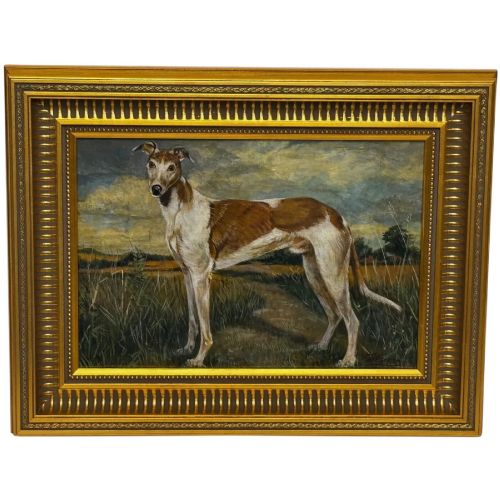
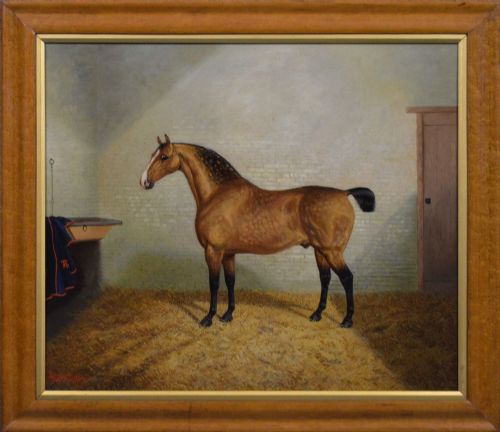
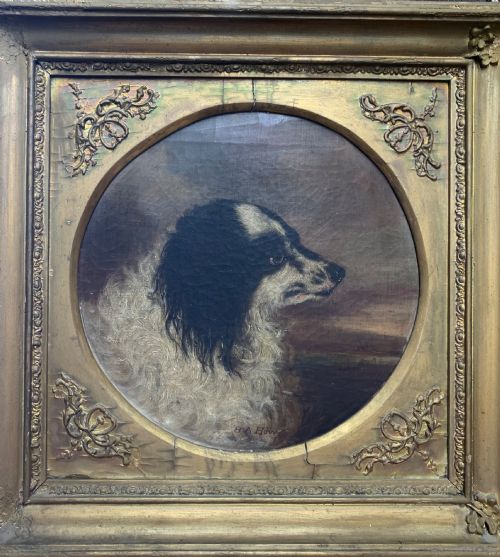
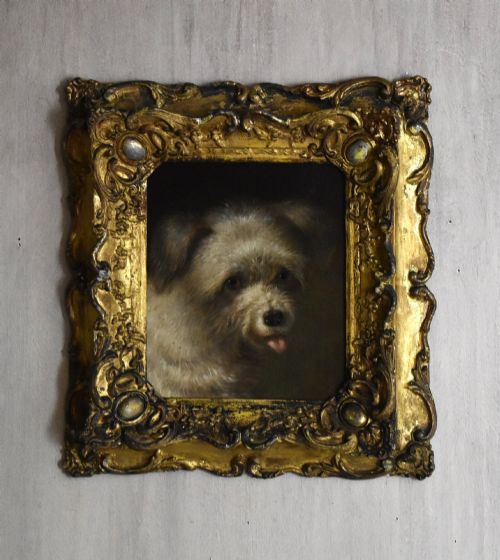
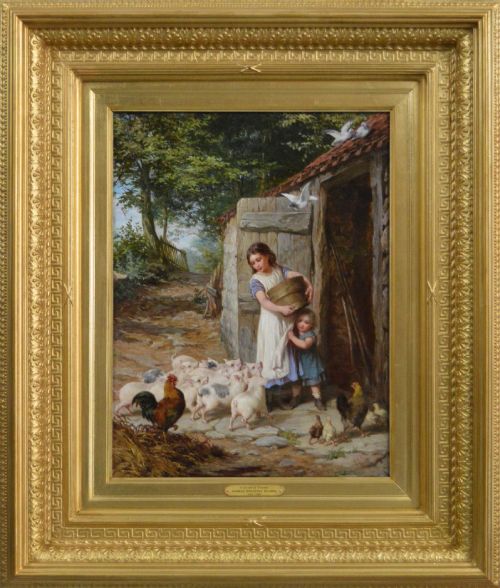
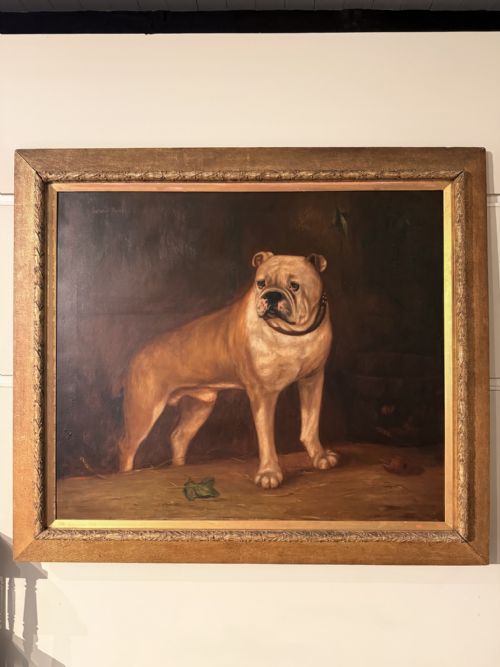
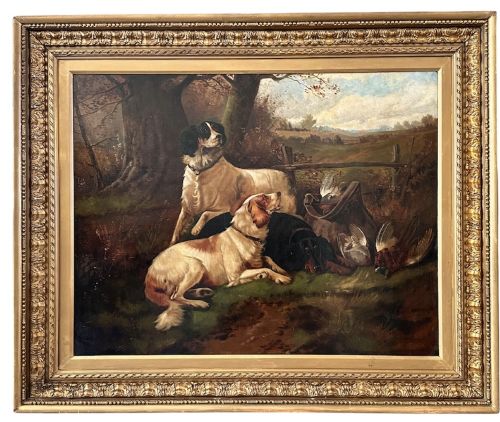
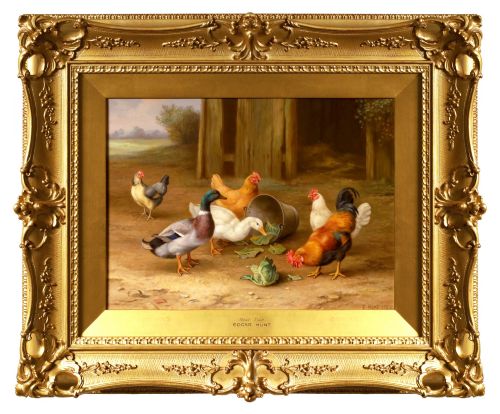
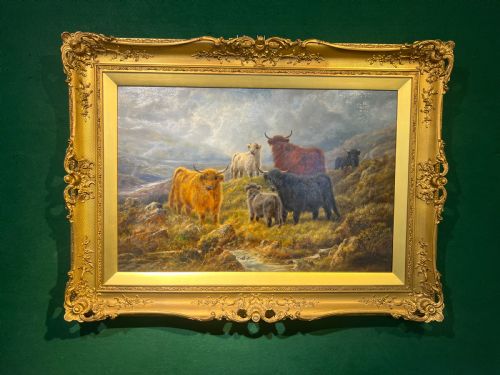
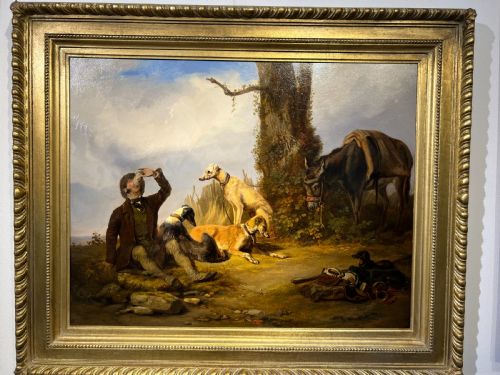
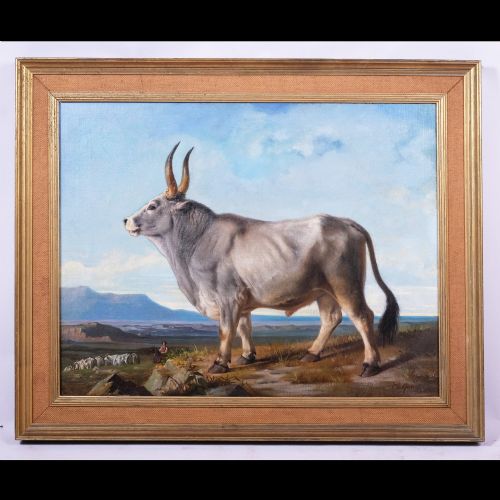
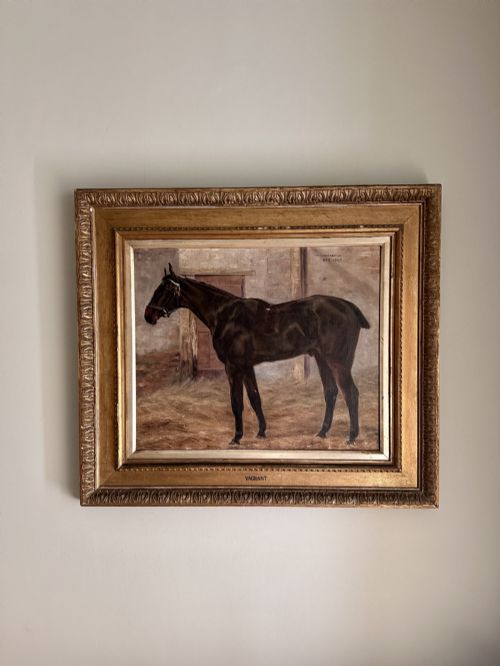
When you search for framed animal canvas, you are looking at oil paintings on canvas depicting livestock, sporting dogs, horses and farm animals. The works appearing here span the nineteenth century and the early decades of the twentieth century, capturing rural and domestic life.
The most common examples on this page are Victorian oil paintings depicting sheep, cattle, horses and gun dogs. These pieces range from intimate individual dog portraits to large pastoral scenes featuring Highland cattle or working farm animals.
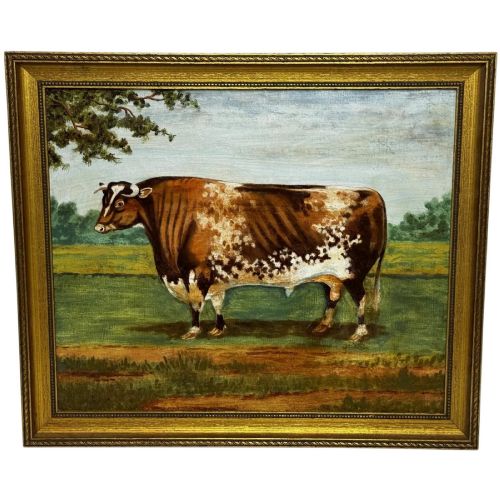
Origins include the British and French schools, with artists painting in both naturalistic realism and romantic landscape traditions. Works often show specific named animals, prize bulls or beloved family pets framed in period giltwood.
Materials and Technique
The physical objects are constructed using oil paint applied to woven canvas stretched over wooden stretcher frames. Artists utilised fine brushes to render animal coats, feather textures and facial expressions with precise realism.
Surviving canvases are housed within wooden frames, frequently finished with gesso and applied gold leaf or gilt. These giltwood surrounds provide the traditional heavy border typical of nineteenth-century picture framing.
The listings span the eighteenth, nineteenth, and twentieth centuries, utilising oil on canvas and giltwood materials.
Assessing Quality
Quality in these paintings rests primarily upon anatomical precision and the artist's ability to render light and texture in the animal's coat. Superior works display careful observation of muscle structure, eye expression and realistic posture rather than generic forms.
The framing contributes significantly to the overall presence of the piece, with deep-moulded giltwood frames demonstrating higher craftsmanship than plain wooden mouldings. Condition of the canvas surface, minimal retouching and strong provenance further elevate the standing of a work.
George Armfield·Eugène Verboeckhoven·Albert Clark·Martin Theodore Ward·Edgar Hunt·Sir Edwin Henry Landseer·John Emms
The Framed Animal Canvas Glossary
- Canvas
- A heavy woven fabric, typically linen or cotton, used as a support surface for oil painting. It is stretched tightly over a wooden frame before the artist applies the ground and paint.
- Giltwood
- Wood carved and coated with gold leaf or metal leaf applied over a prepared gesso surface. This material is standard for traditional nineteenth-century picture frames.
- Oil Paint
- A slow-drying paint made by mixing pigments with oils, most commonly linseed oil. This medium allows artists to blend tones smoothly and build rich layers of colour.
- Sporting Art
- Genre of art depicting bloodsports, hunting, shooting, and portraits of prized horses and dogs. It flourished in Britain throughout the eighteenth and nineteenth centuries.
- Stretchers
- The internal wooden frame components that hold a canvas taut. Traditional corners feature mortise and tenon joints that can be adjusted with wooden keys.
Framed Animal Canvas: Frequently Asked Questions
What animals appear most often?
The subjects are dominated by domestic livestock, horses, and dogs, reflecting nineteenth-century rural and sporting interests. You will regularly encounter sheep flocks, prize cattle, working lurchers, spaniels, and farmyard poultry.
Artists frequently painted specific named animals, such as prize shorthorn bulls or favoured hunting dogs, alongside broader pastoral landscapes.
How do I date these paintings?
Dating relies on costume, framing styles, artist signatures, and recorded working periods. Many nineteenth-century works include inscriptions on the reverse or contemporary exhibition labels that supply specific years.
Stylistic shifts from romantic nineteenth-century compositions to early twentieth-century realism also help narrow the decade of production.
Are the frames original?
Many works retain their period giltwood frames, though framing often changed to suit later domestic tastes. Gilt moulding styles, corner construction, and wear patterns indicate whether a frame dates to the same period as the canvas.
Matching the canvas age to the frame style requires looking at the rebate and fixings holding the stretcher in place.
Where were these painted?
Production was centered mainly within British and European schools, capturing regional agriculture and sporting estates. Artists worked in rural settings across Britain, France, and Belgium, recording local breeds of sheep, cattle, and horses.
Commissioned portraits of estate animals were common among landed gentry and agricultural societies.