




Fox Hunting Scene Painting
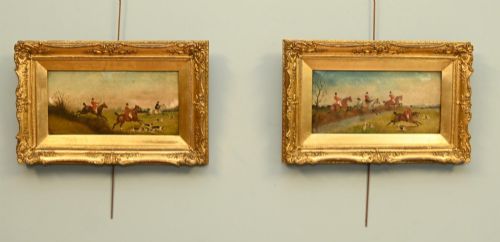
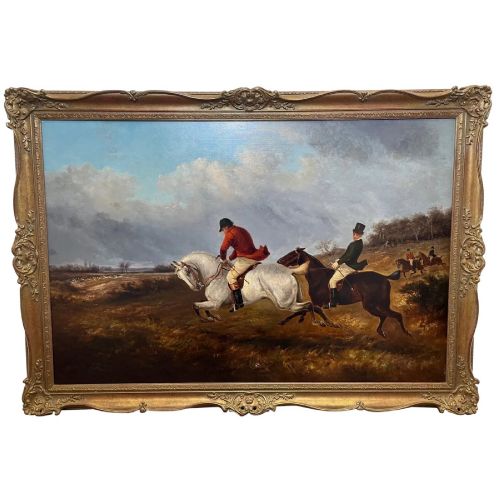
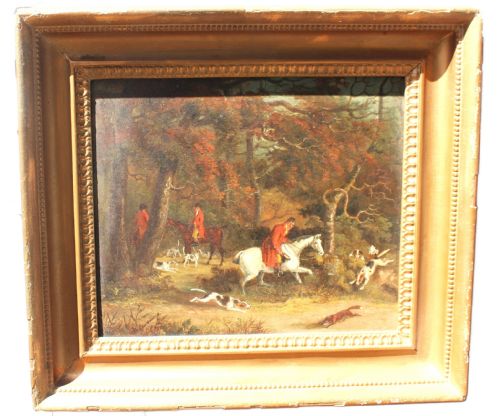
A fox hunting scene painting captures the kinetic energy and rich tradition of the British countryside through horses, hounds, and riders in pursuit.
Fox Hunting Scene Painting
A fox hunting scene painting depicts classic equestrian pursuits, country landscapes, and hound packs across traditional British sporting art. These works span the nineteenth century and the Edwardian era, capturing pivotal moments like the meet, the chase, and the kill. Buyers frequently encounter framed canvas works and watercolours alongside decorative items such as hand-blown glass and papier-mâché trays.
The nineteenth century dominates the available selections, particularly Victorian depictions of notable hunts like the Berkeley Hunt. Artists render these rural subjects with careful attention to horse anatomy, hound movement, and changing countryside weather. Canvas and paper serve as the primary grounds for these detailed narrative compositions.
Materials and Technique
Artists relied primarily on oil paint applied to canvas, wood panels, or paper to achieve rich depth and durability in their sporting subjects. Watercolours also feature prominently, offering a lighter medium for detailed brushwork on paper. Gilt wood and giltwood frames complement these artworks, enhancing their visual presence.
Beyond traditional canvases, artisans painted hunting scenes onto decorative objects using enamels on glass, card cases, and papier-mâché trays. These diverse applications demonstrate how equestrian themes extended beyond standard wall art into functional household pieces.
Some foxes managed to outwit entire packs of hounds and dozens of horses, only to find themselves immortalised by Victorian brushwork.
Assessing Quality
Quality rests upon the artist's ability to render the anatomy and motion of horses and hounds with anatomical accuracy and dramatic tension. Superior works capture the precise posture of a gallop and the individual expressions of the pack rather than stiff, generic animal forms.
The handling of the surrounding landscape and atmospheric perspective distinguishes finer pieces from ordinary studio production. Masterful brushwork in the rendering of foliage, mud, and changing light elevates a sporting record into a compelling work of art.
Thomas Smythe·John Arthur Lomax·Philip Henry Rideout·George Armfield·Charles Faulkner·John Frederick Herring Jnr·John Sanderson Wells·Thomas Ivester Lloyd·Guillaume Urban Régamey·George Goodwin Kilburne·William J Hodgson·Frank Dadd·Edward B Herberte·Jennens and Bettridge
The Fox Hunting Scene Painting Glossary
- View Halloo
- The traditional cry uttered when the fox is sighted fleeing covert. It signals the immediate intensification of the chase.
- The Meet
- The initial gathering of riders, hounds, and supporters before the hunt begins. Painters often use this calm prelude to showcase individual portraits.
- Equestrian
- Pertaining to horses and horseback riding. In sporting art, this category covers both mounted riders and standalone studies of horses.
- Giltwood
- Wood carved and covered with a thin layer of gold leaf. This material is standard for framing traditional British oil paintings.
- Papier-mâché
- A composite material made of paper pulp and binding agent, moulded and dried. It provides a smooth dark surface for painted decorative trays.
Fox Hunting Scene Painting: Frequently Asked Questions
What subjects do these paintings show?
These artworks depict horses, hounds, huntsmen, and country landscapes during various stages of the hunt. Common narrative moments include the gathering at the meet, the pursuit across fields, and the final moments of the chase.
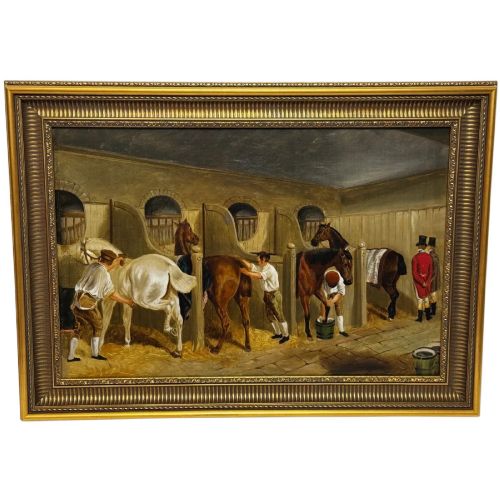
Artists also record rural farmyards, domestic interiors, and quiet countryside vistas alongside the main equestrian action.
How were hunting watercolours framed?
Watercolours on paper typically require protective glass and secure framing to prevent moisture damage and fading over time. Many period examples retain their original gilt wood frames which complement the artwork.
Matting and backing boards help separate the delicate paper surface from the glass, preserving the integrity of the watercolour pigment.
Where do papier-mâché trays fit in?
Papier-mâché trays served as functional household objects decorated with miniature hunting landscapes and equestrian scenes. Makers often applied dark lacquer and hand-painted details to create durable decorative pieces for nineteenth-century homes.
These items combine fine art illustration with practical utility, mirroring the popular sporting motifs found on canvas.
How do I identify a Victorian hunting painting?
Victorian hunting paintings usually feature detailed brushwork, realistic animal anatomy, and rich earth tones typical of nineteenth-century academic art. Signatures, dates, and framing styles help pinpoint the decade of creation.
Subject matter often references specific regional packs or traditional rural scenery popular during the nineteenth and Edwardian periods.