
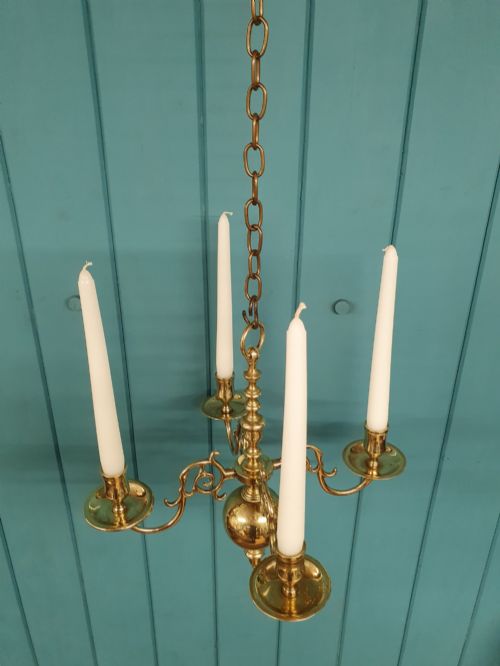
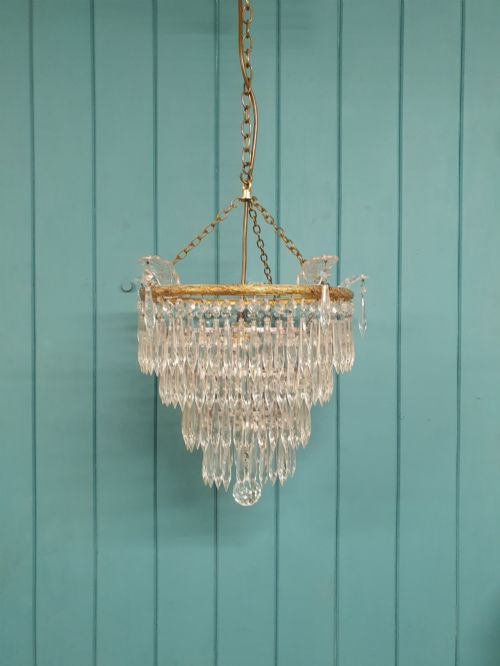
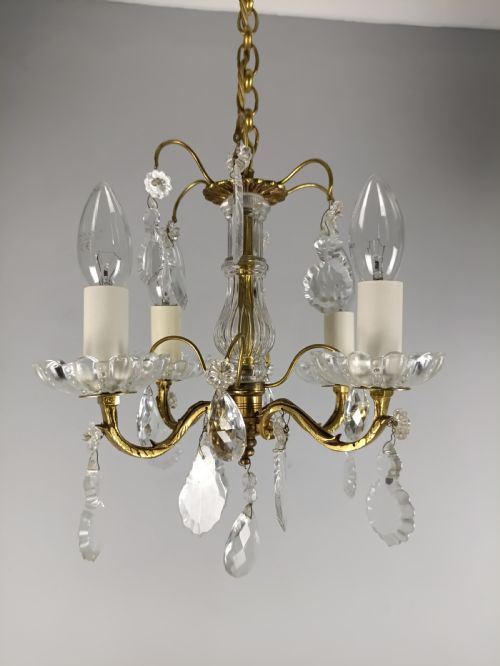
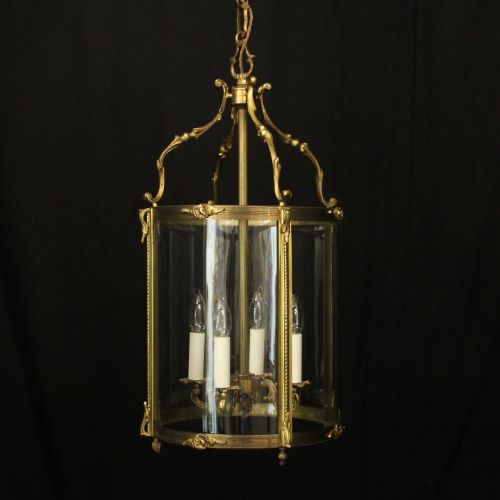
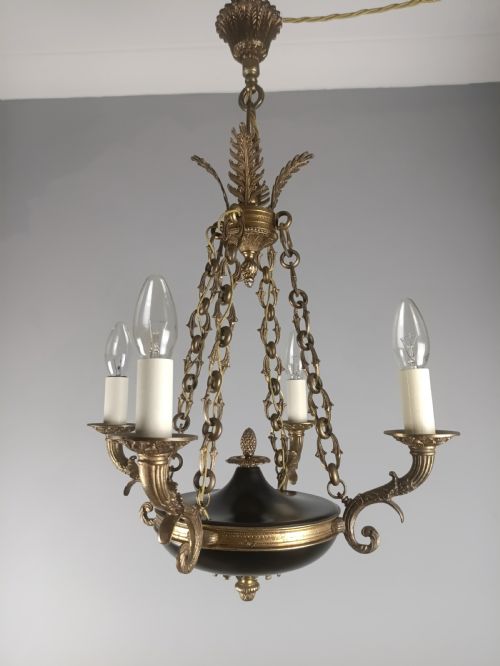
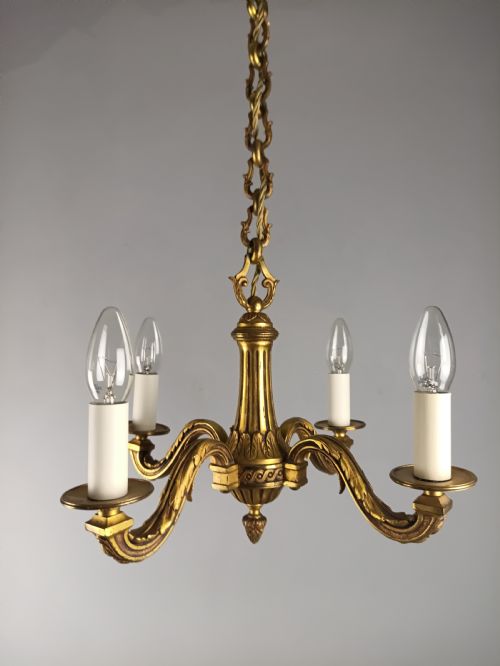
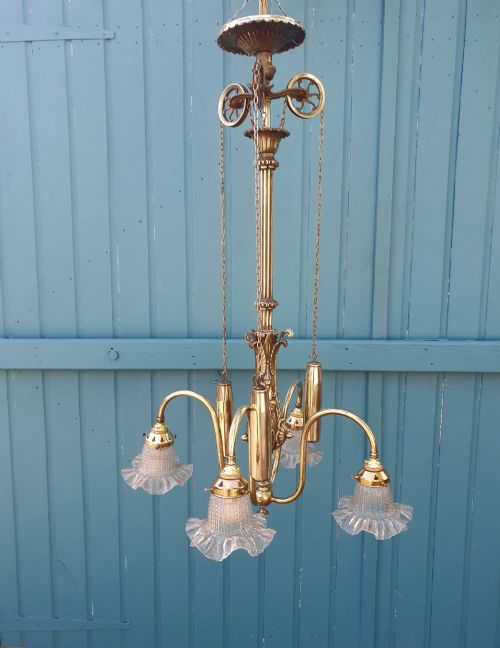
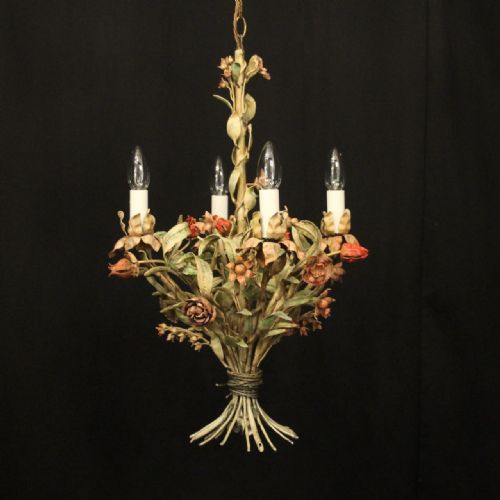
Four Light Pendant
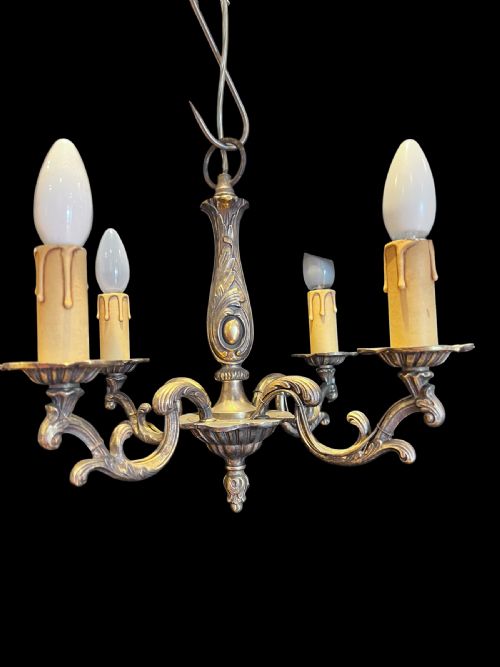
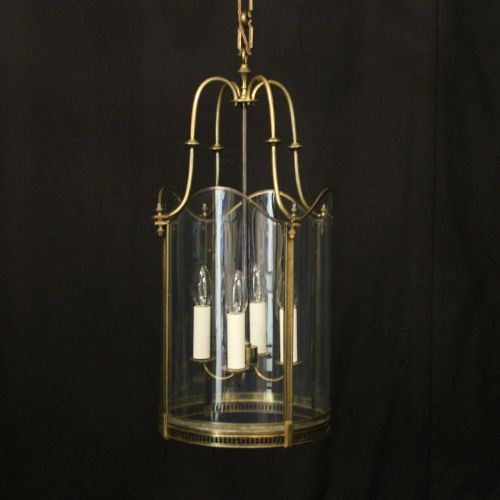
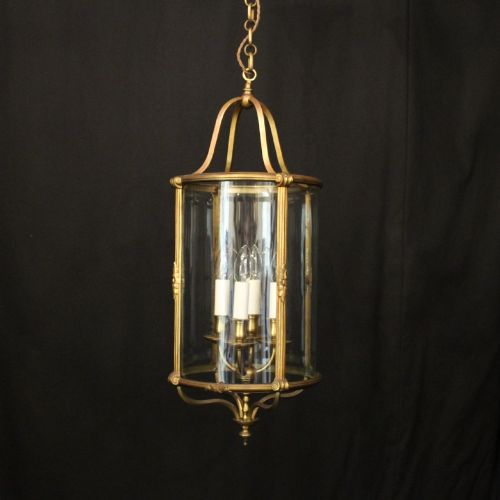
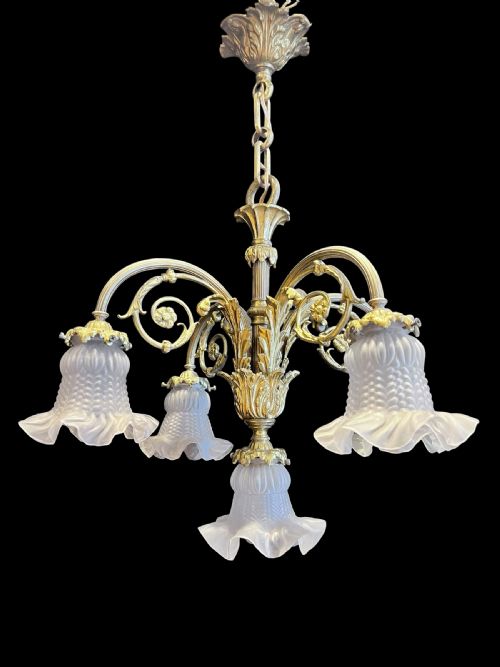
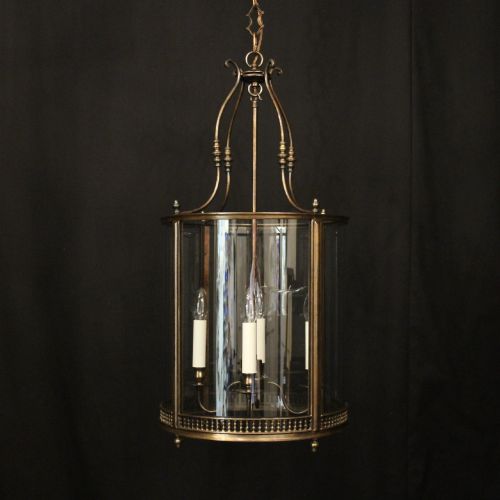
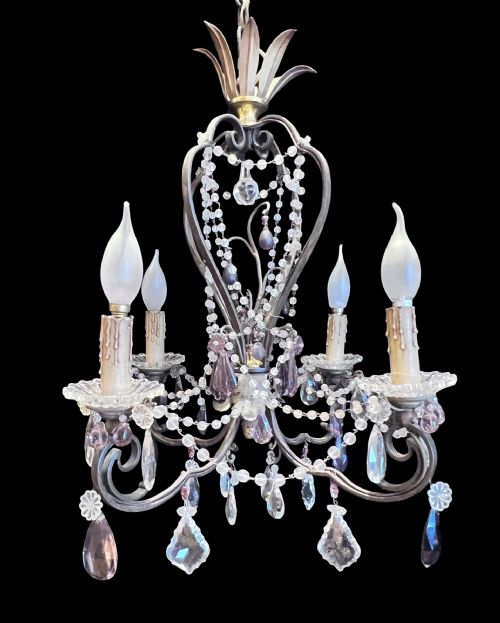
A four light pendant illuminates a room from above, bringing together brass, crystal and bronze in forms from French chateaux to English halls.
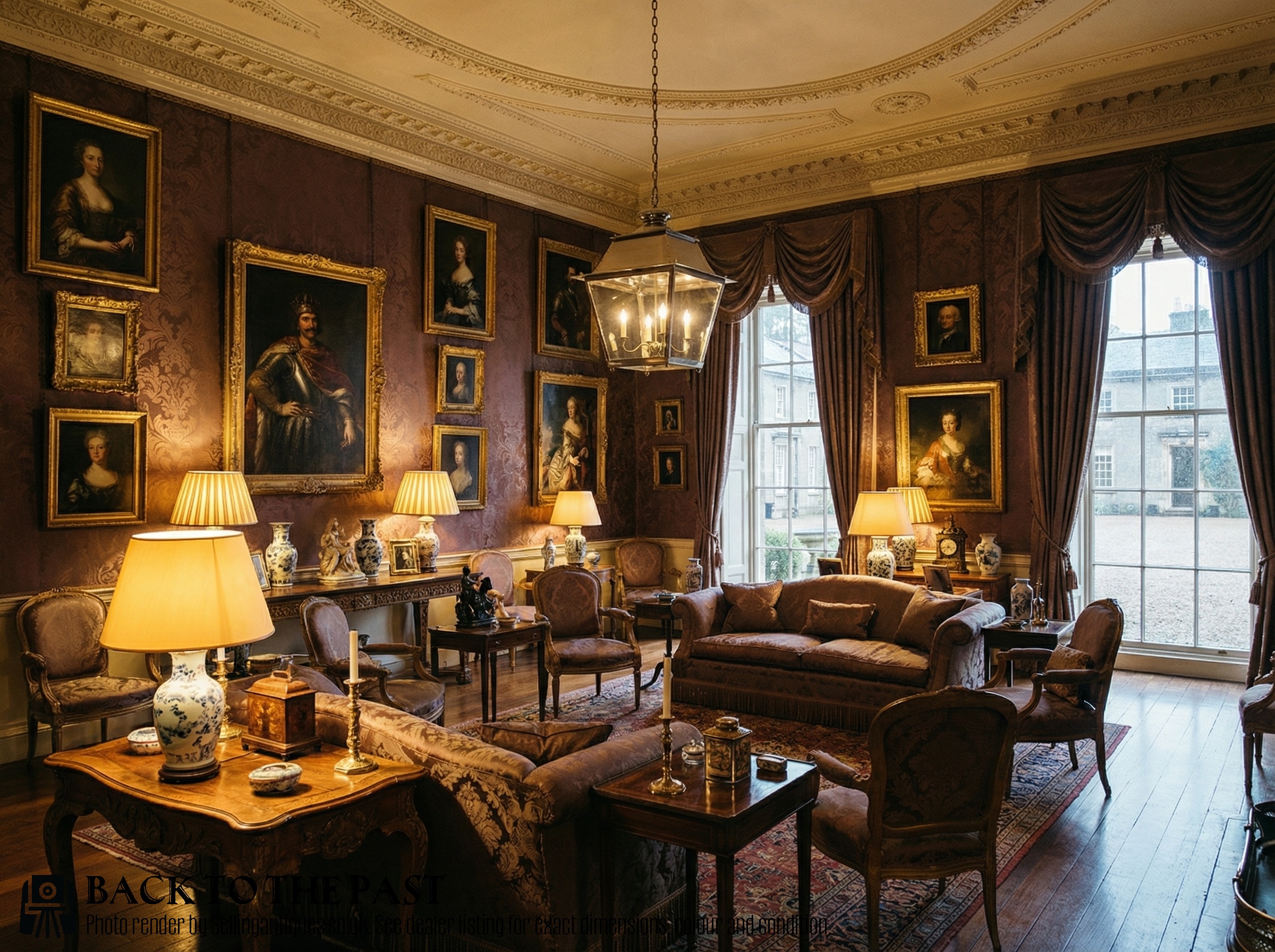
Four Light Pendant
A four light pendant suspended from the ceiling distributes illumination evenly across a space while acting as a central decorative focus. When exploring a four light pendant, you encounter fixtures that bridge practical overhead lighting and period ornamentation.
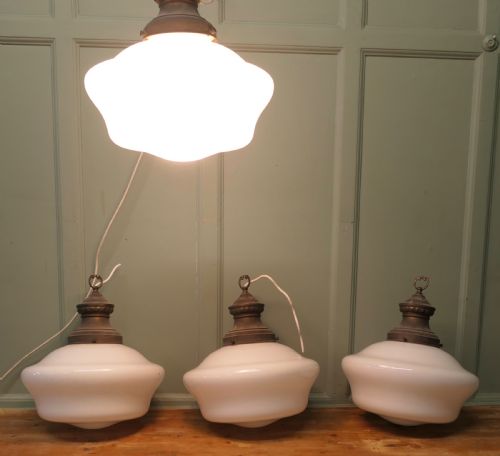
The selections span from the 19th Century through the Edwardian era and into the 1930s, drawing heavily on French design vocabularies like rococo, neoclassical and empire. English hall lanterns and industrial ceiling lights also appear alongside ornate gilded fixtures.
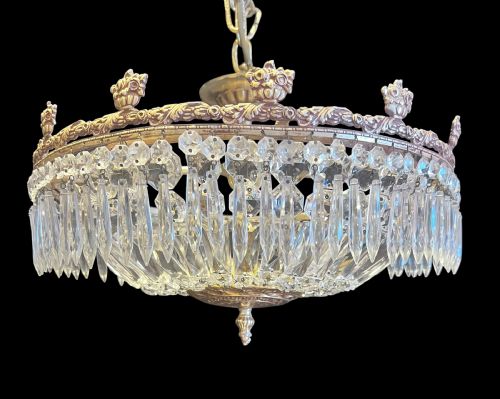
Most examples originate from French workshops and English makers, taking the form of hanging lanterns, chandeliers, plafonieres and light fittings. These pieces suit high-ceilinged hallways, reception rooms and dining spaces where proportion matters.
Materials and construction
Metalwork forms the backbone of these pieces, utilising brass, gilt brass, gilt bronze, ormolu, steel and toleware cast or shaped into frames and arms. Gilded finishes reflect light from the bulbs, while bronze and brass provide sturdy structural integrity for heavy glass and crystal components.
Glass and crystal elements are integrated to refract and diffuse illumination, appearing as convex panes in hall lanterns, suspended drops on chandeliers and faceted plates on plafonieres. Frames are assembled with mechanical fixings or soldered joints designed to support four separate light sources securely.
Object forms span chandeliers, hall lanterns and flush plafonieres.
Distinctions in standard
The refinement of the casting and chasing on bronze or brass mounts separates standard production from exceptional work, visible in the crispness of foliate scrolls and figural details. Heavier gauge metals and substantial crystal drops indicate a more ambitious initial commission.
The integration of glass panels within lanterns and the purity of the crystal components dictate the visual weight and brilliance of the fixture. Original gilding intact upon bronze surfaces preserves the intended warmth of the piece more effectively than later repainting.
G.E.C
The Four Light Pendant Glossary
- Hall lantern
- An enclosed hanging light designed for corridors and entrance spaces. These fixtures frequently employ convex glass panes set within a brass or bronze frame.
- Gilt bronze
- Metal alloy cast into decorative shapes and treated with a gold-coloured finish. This material combines durability with a lustrous surface appearance.
- Toleware
- Painted sheet metal fashioned into decorative objects and lighting components. It allows for vibrant polychrome decoration on the body of the fitting.
- Cage chandelier
- A style of lighting fixture where the internal framework resembles an open metal cage. Crystal drops and strings drape over this skeletal structure.
Four Light Pendant: Frequently Asked Questions
What is a four light pendant?
A four light pendant is a ceiling-suspended lighting fixture designed to hold four distinct bulbs. These pieces range from formal chandeliers to enclosed hall lanterns.
They serve as the main source of illumination in a room while contributing specific period character through their metalwork and glass.
How were four light pendants used?
These fixtures were hung in entrance halls, stairwells, dining rooms and parlours to provide steady overhead illumination. Their design allowed light to reach across larger spaces while welcoming visitors at a threshold.
Enclosed lanterns protected candles or early electric bulbs from draughts in busy corridors, whereas open chandeliers maximised light output in reception rooms.
How do I live with a antique pendant?
Integrating an antique pendant into a modern interior involves balancing its historic weight with the room's overall scale and ceiling height. Ensuring the fixture hangs at the correct clearance allows it to function effectively as a focal point.
Wiring should be checked by a qualified professional to ensure compatibility with modern electrical standards before installation.
How do I tell periods apart?
Periods are distinguished by stylistic cues and material choices inherent to their decade of manufacture. Edwardian and 1900s pieces often lean towards heavy brass and ornate classical detailing, while 1930s examples can introduce industrial forms, streamlined silhouettes or distinct art deco geometry.
Nineteenth-century fixtures frequently display heavier bronze casting and traditional French neoclassical or rococo revival motifs.