
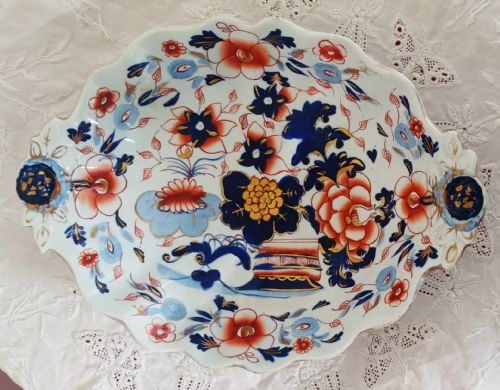
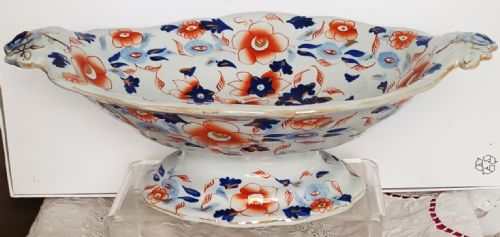


Footed Ceramic Fruit Dish
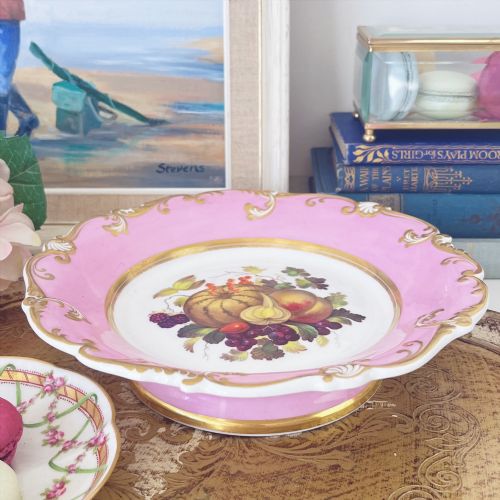
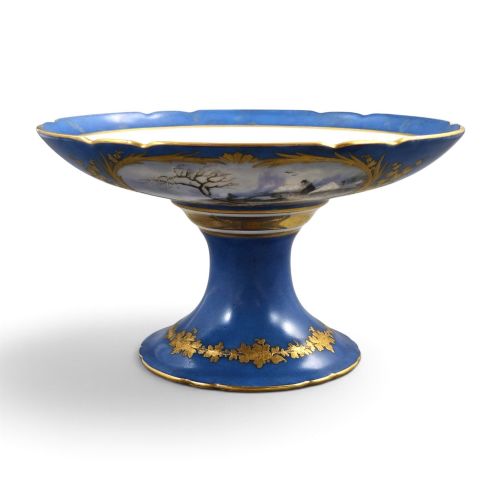
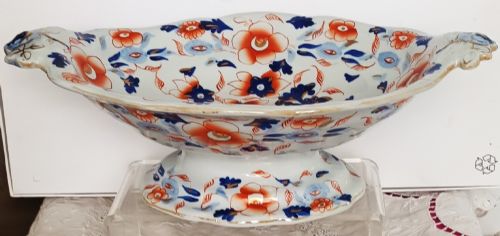
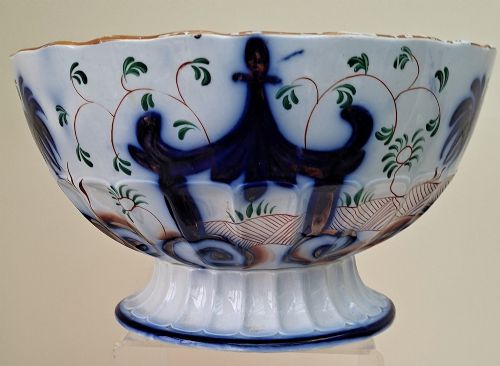
These footed ceramic fruit dish pieces elevate a table with elevated bowls supported on pedestals, originating across the Georgian, Victorian and Edwardian periods in ironstone and porcelain.
Footed Ceramic Fruit Dish
When you search for footed ceramic fruit dish, you are looking at elevated vessels designed to present fruit gracefully upon a dining table or sideboard. These objects take the form of comports, tazzas, and pedestal bowls, raised above the surface on distinct stands or feet. The selection most commonly includes nineteenth-century ironstone and porcelain pieces featuring transfer-printed or hand-painted decoration.
The assortment spans diverse eras from the Georgian and Regency periods through to Victorian and Edwardian manufacturing. Forms range from low comports to large centrepieces adorned with applied details such as roses and figures. Makers and styles represented stretch from English ironstone factories to continental porcelain houses.
How they were made
Potters shaped these vessels using earthenware, ironstone, and porcelain, applying rich glazes and enamel colours to the surfaces. Many items incorporate gilding and gilt highlights to accentuate the moulded rims and pedestals.
Decoration techniques combine hand-painted botanical or figurative scenes with transfer printing in blue and white or polychrome patterns. Biscuit fired bodies received fluid glazes before undergoing secondary firings to fuse the enamels permanently.
Listings feature items spanning the 18th, 19th, and 20th centuries, utilising porcelain, ironstone, earthenware, and gilt materials.
What varies in quality
The standard of painting and gilding distinguishes finer pieces from ordinary production, particularly where delicate hand-painted fruits or applied figures are involved. Crispness in the moulding of footed bases and pedestal stems also indicates the care taken during production.
Material choice impacts the character of the piece, with dense ironstone offering robust utility while fine porcelain allows for translucent delicacy and intricate relief work.
H & R Daniel·Sèvres·Schierholz Plaue·Masons·Royal Worcester·Moorcroft
The Footed Ceramic Fruit Dish Glossary
- Comport
- A shallow dish or bowl raised on a high foot or pedestal, traditionally used for serving fruit or sweetmeats at dessert.
- Ironstone
- A heavy, durable type of earthenware patented in the nineteenth century that mimics the qualities of porcelain.
- Pearlware
- A refined earthenware developed in the late eighteenth century featuring a subtle bluish glaze pooled in crevices.
- Tazza
- A small, shallow, saucer-like dish supported on a pedestal foot, often paired with comports in dessert services.
Footed Ceramic Fruit Dish: Frequently Asked Questions
What is a footed fruit dish used for?
These elevated vessels served primarily as the centrepiece for the dessert course in formal dining settings. They held fresh fruit or sweetmeats, elevating the provisions above the table surface for better visibility and presentation.
Today, they function effectively as decorative centrepieces on sideboards or dining tables, continuing their traditional role of displaying fruit or standing alone as decorative ceramic art.
How do I identify a Georgian comport?
Georgian comports typically exhibit robust ironstone bodies decorated with traditional Japan patterns or shell edges. The weight and dense composition of the ceramic mark this early period of production.
Stylistic cues also point to the era, such as the specific blue and white pearlware glazes and hand-painted motifs characteristic of late eighteenth and early nineteenth-century kilns.
Where were these ceramic dishes made?
Production centres were split between prominent English potteries, such as those in Staffordshire, and notable continental porcelain works. English ironstone and pearlware represent domestic manufacturing, while continental pieces often showcase fine porcelain traditions.
Factory marks, paste composition, and distinct glaze characteristics generally point back to the specific region and workshop of origin.
How do I care for antique porcelain?
Washing should be done strictly by hand using lukewarm water and mild soap, avoiding abrasive sponges or harsh detergents that might harm fragile enamel and gilt details. Gentle handling prevents chipping on the delicate pedestal rims and applied elements.
Display the vessels away from direct sunlight and areas subject to sudden temperature fluctuations to preserve the glaze and prevent stress on the ceramic body.