





Folk Art Oak Trunk
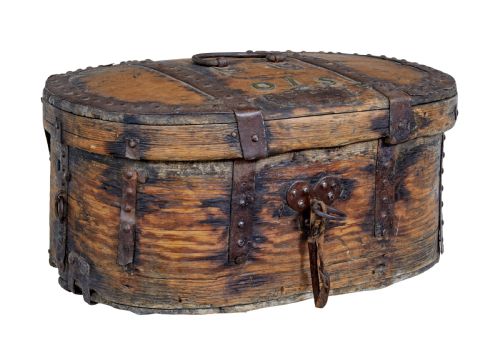
A folk art oak trunk brings substantial character and rustic texture into a room, offering robust storage built from timber and iron.
Folk Art Oak Trunk
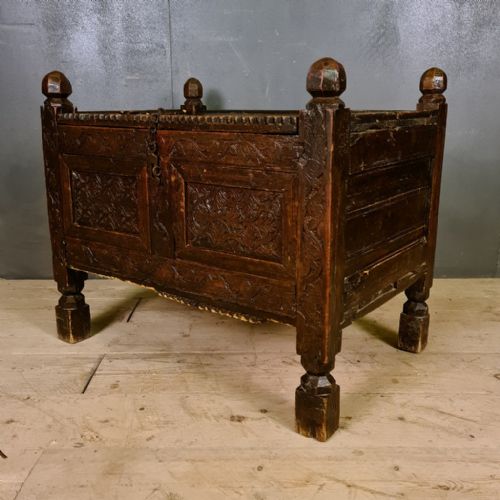
When you search for a folk art oak trunk, you encounter utilitarian country containers shaped by regional craft traditions and vernacular design. These objects range from small hand-carved marriage and dowry chests to dome-top coffers and strong boxes.
You are most likely to meet pieces spanning the eighteenth and nineteenth centuries, alongside Edwardian and early twentieth-century examples. Many reflect Scandinavian baroque or Welsh vernacular styles, demonstrating the sturdy utility valued by rural households.
Beyond traditional coffers, the listings show related forms including carved boxes, chopping blocks, and sculptural seats derived from tree trunks. Each item serves a domestic purpose while displaying distinct local carving or painted decoration.
How they were made
The makers relied primarily on solid oak and heavy timber, constructing sturdy bodies designed to endure generations of daily use. Wrought iron bands and robust hinges reinforced the structures, particularly on strong boxes and secure storage chests.
Surface decoration involved chip carving, hand painting, and occasional inlay work to personalise marriage and dowry chests. Scandinavian and Welsh pieces often combined exposed wood grain with painted finishes or traditional folk motifs.
Folk Art Oak Trunk Retail Price Guide 2026
Typical asking prices for folk art oak trunk among the pieces listed under this phrase on Sellingantiques today, from the lower quarter to the upper quarter. They describe what is for sale here now, not the wider market.
One listed item is a wooden doctor's bag from the early twentieth century, proving that country utility took many portable forms.
What varies in quality
Quality rests in the harmony between structural integrity and the vitality of the surface ornamentation. Deeply incised chip carving or well-preserved hand-painted details elevate a vernacular box beyond a purely utilitarian container.
The sophistication of the joinery and the survival of original ironwork dictate the standing of each piece. Trunks that retain their original painted surfaces and uncompromised timber show greater integrity than those altered over time.
The Folk Art Oak Trunk Glossary
- Vernacular
- Everyday objects made by local craftspeople rather than professional urban workshops. These pieces reflect regional traditions and readily available materials.
- Chip carving
- A decorative technique where small chips are removed from a wooden surface to create geometric patterns. It appears frequently on country boxes and coffers.
- Marriage chest
- A specially commissioned container presented to mark a wedding, often featuring initials, dates, or symbolic carvings. They served as important family possessions.
- Cofer
- An archaic spelling of coffer, denoting a large strong box or chest used for storing valuables, textiles, or documents. They often feature heavy iron bindings for security.
- Dome top
- A curved lid construction designed to shed water and increase internal capacity. This shape is characteristic of travel trunks and storage chests.
Folk Art Oak Trunk: Frequently Asked Questions
What were folk art oak trunks used for?
These chests originally served to store textiles, personal valuables, and household documents in rural homes. Marriage coffers held dowry items accumulated for a new household.
Smaller boxes and strong boxes provided secure storage for money and precious documents, often travelling with their owners or sitting securely in the main living space.
How do I date an oak trunk?
Dating relies on observing construction methods, hinge types, and stylistic details typical of specific periods. Eighteenth-century pieces often display hand-hewn board construction and ironwork characteristic of that era.
Later nineteenth-century examples may incorporate chip carving or painted decoration reflecting Scandinavian or Welsh vernacular revivals. Comparing the timber wear with the recorded period helps confirm the timeline.
Where were these trunks made?
The pieces originate from various rural communities across Britain and Scandinavia. Welsh vernacular pieces and Scandinavian baroque items display distinct regional stylistic traits.
Local timber availability dictated the choice of solid oak and hardwood, while regional aesthetic preferences shaped the painted finishes and chip carving.
How should I care for an antique oak trunk?
Keep the wood away from direct heat sources and sudden temperature shifts to prevent timber splitting or warping. Maintaining a stable indoor climate preserves the natural moisture in the oak.
Dust the surface gently with a dry cloth and avoid harsh chemical polishes that might damage historic painted finishes or exposed grain.