



Folk Art Carved Bowl
A folk art carved bowl brings earthy warmth and tactile history into a room through honest craftsmanship.
Folk Art Carved Bowl
When you search for a folk art carved bowl, you are looking at utilitarian vessels shaped by hand for everyday domestic use. These pieces embody vernacular traditions from various regions, created by makers working outside formal academic guilds.
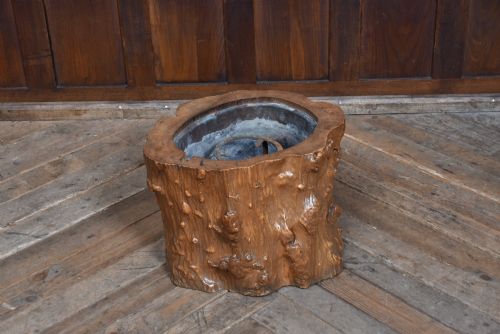
On this page, you are most likely to meet rustic vessels originating from the nineteenth century, alongside examples from the early twentieth century and eighteenth century. They take forms such as deep bowls, shallow platters, and specialised containers like Japanese hibachi.
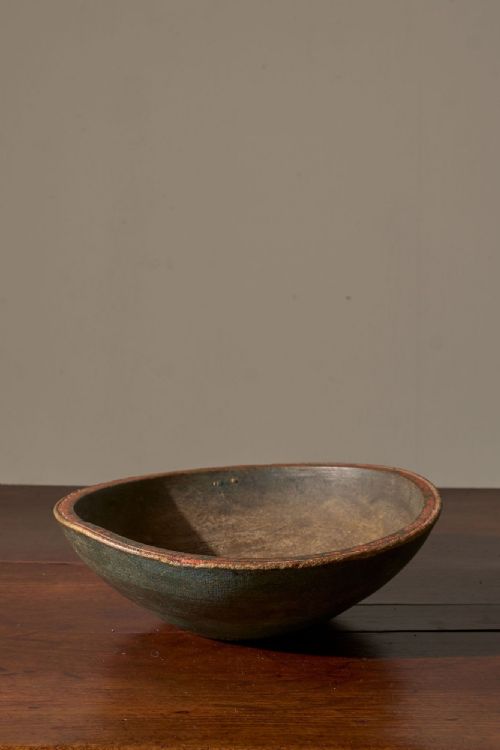
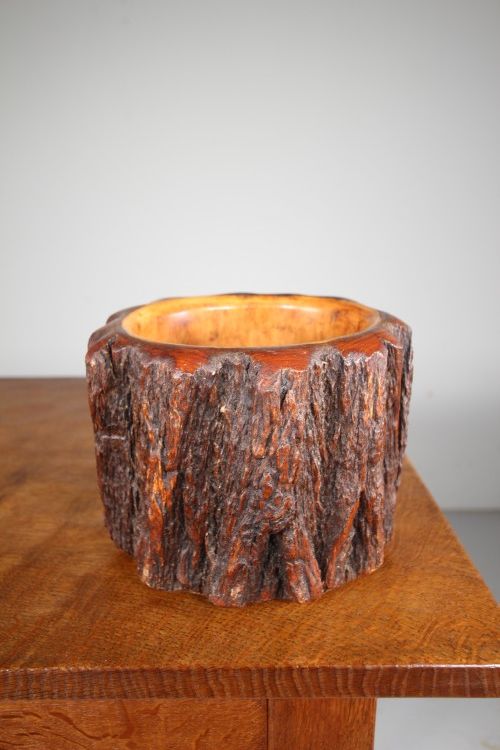
The materials reflect local timber resources available to rural craftspeople. You will encounter pieces fashioned from pine, birch, shisham wood, and general tree stems, sometimes retaining traces of early paint or natural bark.
What varies in quality
Quality in these objects rests upon the harmony of proportion and the integrity of the tool marks left by the maker. A well-balanced dug-out form displays confident handling of the timber without excessive remediation.
The survival of original surfaces, such as early painted finishes or natural patination accumulated through age, distinguishes superior examples. The choice of wood and the clarity of regional style further elevate the standing of a piece.
Some nineteenth-century tree stem bowls still whisper of the exact branch they left behind.
The Folk Art Carved Bowl Glossary
- Treen
- Small handmade wooden domestic objects. This term covers everything from utilitarian trenchers to decorative vessels.
- Dug out
- A method of hollowing a single solid log to form a vessel. This technique creates strong, seamless walls.
- Shisham wood
- A durable Indian timber known for rich grain patterns. It provides a sturdy medium for large platters and bowls.
- Nalbound
- A textile or strainer technique involving a single needle. It represents ancient looping methods distinct from knitting.
Folk Art Carved Bowl: Frequently Asked Questions
What is a folk art carved bowl?
A folk art carved bowl is a hand-shaped wooden vessel made for practical household use by regional craftspeople. These objects prioritize utility and local style over academic design.
They range from eighteenth-century Swedish painted bowls to nineteenth-century continental treen platters and early twentieth-century dug-out vessels.
How were these wooden bowls used?
These vessels served daily domestic functions in rural households, including food preparation, serving, and storage. Some variations, such as Japanese hibachi, were utilised for indoor heating.
Their robust construction allowed them to withstand generations of heavy kitchen and farm work before becoming decorative items.
How do I date a carved bowl?
Dating relies on observing tool marks, wood species, and any remaining surface treatments like early paint. Eighteenth and nineteenth-century pieces often display distinct hand-hewn textures from traditional adzes and gouges.
Comparing the form and regional style to documented vernacular objects helps narrow down the period of manufacture.
How should I care for old wood?
Old wood benefits from stable indoor humidity away from direct heat sources and strong sunlight. Gentle dusting preserves the dry surface patination and historic finishes.
Avoid using modern chemical polishes or soaking the timber in water, as this can raise the grain and damage original paint.