



Folk Art Board
A folk art board brings vernacular character into a room through carved timber, naive painting and regional utility.
Folk Art Board
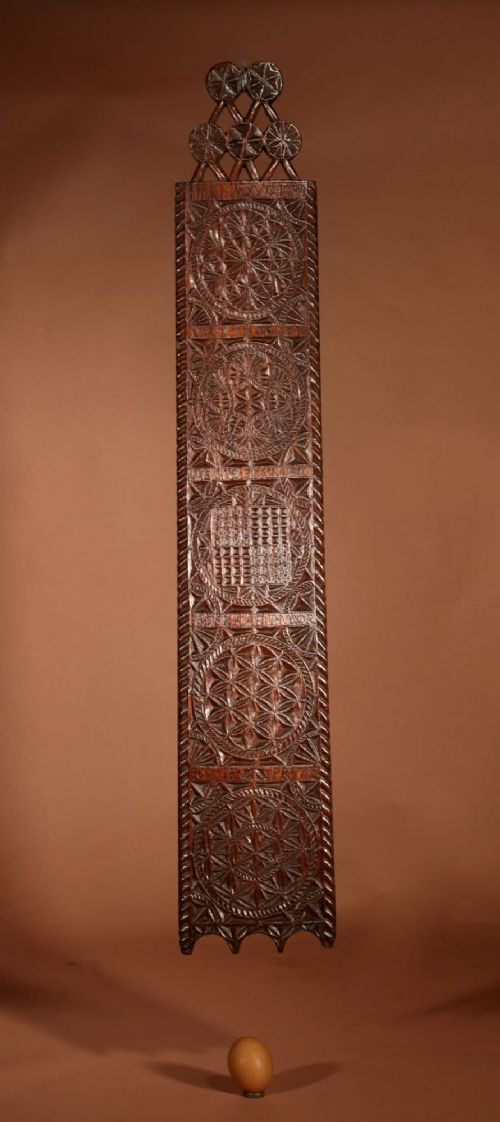
The selection on this page relies heavily on 18th century and 19th century examples alongside early 20th century items. Buyers frequently encounter Dutch mangle boards, painted pine panels, games boards and silent companions or dummy boards.
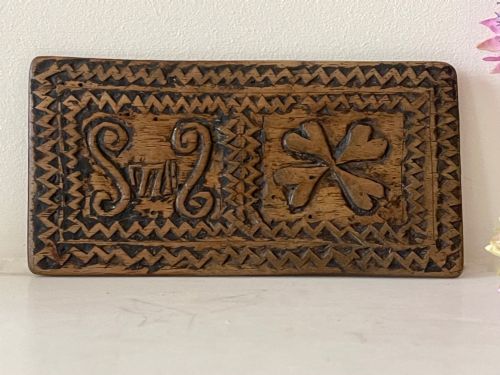
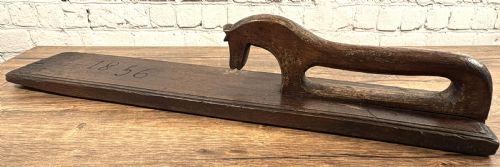
Regional styles span English theatre scenery and fairground rides, Dutch Frisian chip carving, and Scandinavian country mangle boards featuring horse head handles. These functional items transitioned from utilitarian workshops into decorative objects for modern interiors.
Materials and construction
Makers primarily utilised native woods including pine, oak, elm and shisham timber for stability and availability. These foundational woods were shaped using hand tools before receiving decorative carving, chip carving or applied oil paint.
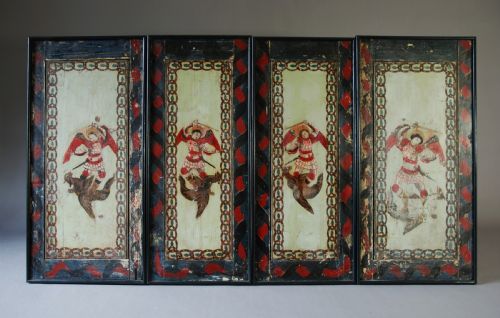
Painted surfaces employ oil paint directly onto timber panels, reverse glass or canvas applied to board, often featuring naive brushwork or folk portraiture. Chip carving and incised text add textural relief to mangle boards and domestic utensils.
Folk Art Board Retail Price Guide 2026
Typical asking prices for folk art board among the pieces listed under this phrase on Sellingantiques today, from the lower quarter to the upper quarter. They describe what is for sale here now, not the wider market.
Object types include wall art, mangle boards, dummy boards, games boards, kitchenalia, trade signs and fairground panels.
Quality factors
The hierarchy among these pieces rests upon the strength of the naive design and the integrity of the original paint surface. Expressive brushwork on painted panels or deeply incised chip carving on Dutch mangle boards command greater visual impact.
Survival of original pigment without extensive modern overpainting distinguishes superior examples from heavily restored ones. The clarity of dated inscriptions, maker initials and regional carving motifs also elevates the standing of individual items.
The Folk Art Board Glossary
- Dummy board
- A painted wooden figure cut to life size, designed to stand in a room as a silent companion. These pieces date largely from the eighteenth and nineteenth centuries.
- Mangle board
- A carved wooden board used in Scandinavian and Dutch households to smooth linen by wrapping it around a roller. They frequently feature elaborate horse head handles and dated chip carving.
- Chip carving
- A technique of removing small chips from a wooden surface with a knife to create geometric patterns. This style is prominent on seventeenth and eighteenth century Dutch and Norwegian pieces.
- Reverse glass painting
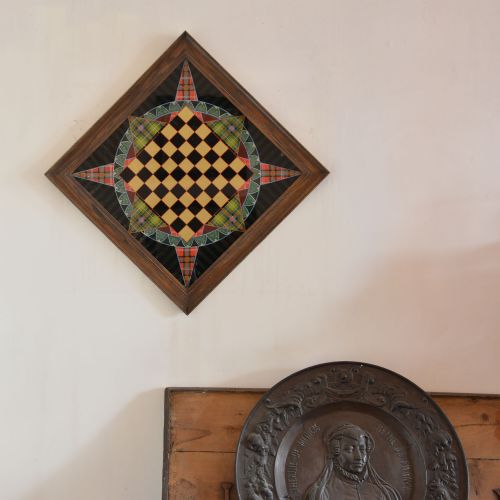
- An art form where the image is painted on the reverse side of a piece of glass and viewed from the front. Scottish games boards utilise this technique for decorative effect.
- Fairground panel
- A vibrant painted board produced for amusement rides, carousel decorations and target games during the early twentieth century. These items display bold pictorial motifs and theatrical scenery.
Folk Art Board: Frequently Asked Questions
How were mangle boards used?
Mangle boards served as domestic laundry tools in Dutch and Scandinavian households. Damp linen was wrapped around a cylindrical wooden roller and smoothed by pressing and rocking the carved board over it.
Many examples feature handles shaped like horses and bear carved dates and initials, marking wedding gifts or domestic milestones.
Where did fairground boards come from?
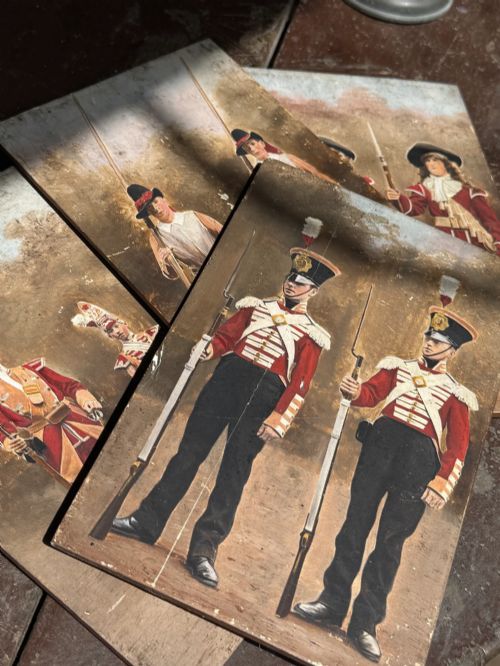
Fairground boards originated as decorative scenery, ride panels and targets for early twentieth century amusement parks and travelling carnivals. Artists painted them in bright oils to attract crowds.
These panels capture a vibrant period of popular entertainment through figurative paintings of soldiers, carousel motifs and fairground games.
How do I date an antique board?
Dating relies on the combination of timber species, paint chemistry, tool marks and any inscribed dates or maker initials. Eighteenth century pieces often feature hand-planed oak or pine with early oil paint.
Later nineteenth and twentieth century examples show machine-sawn timber, different pigment formulations and specific vernacular styles associated with fairgrounds or trade signs.