


Fluted Pedestal Table
A fluted pedestal table brings classic column support and compact surface space into a room, offering both practical utility and refined proportion.
Fluted Pedestal Table
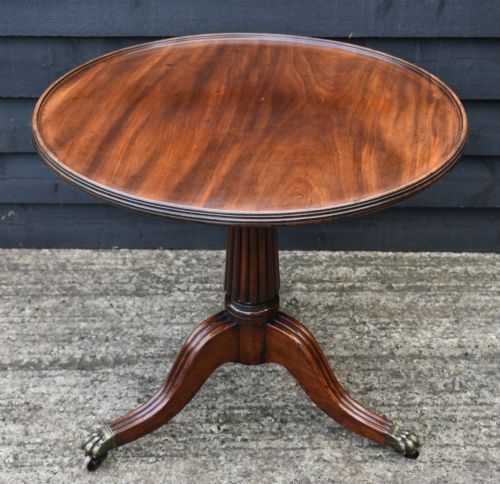
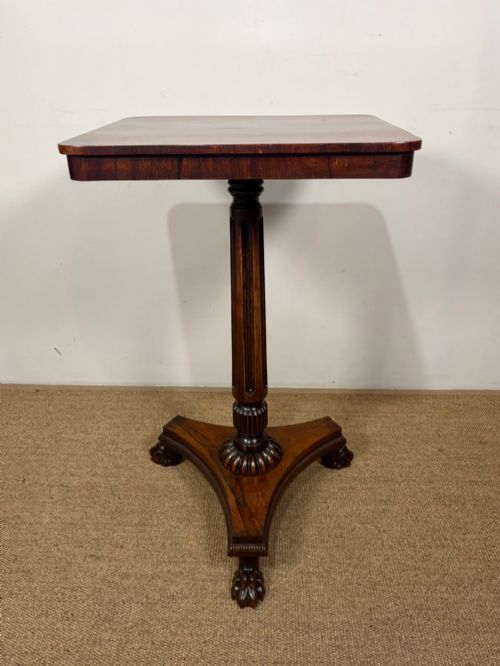
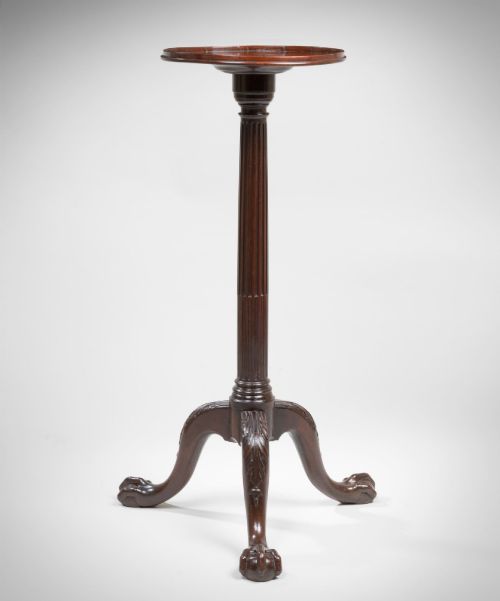
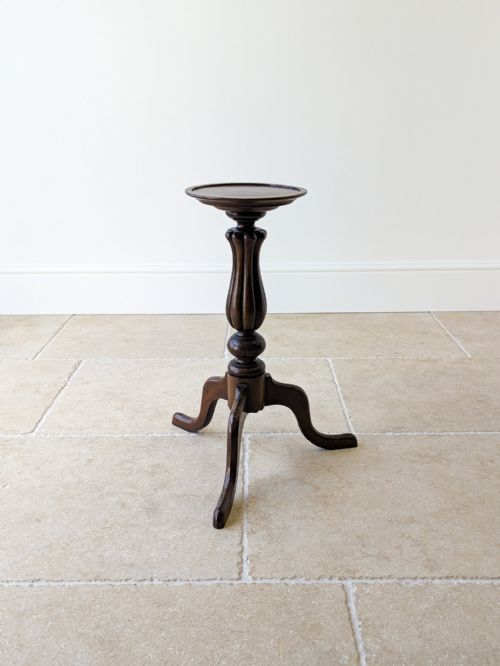
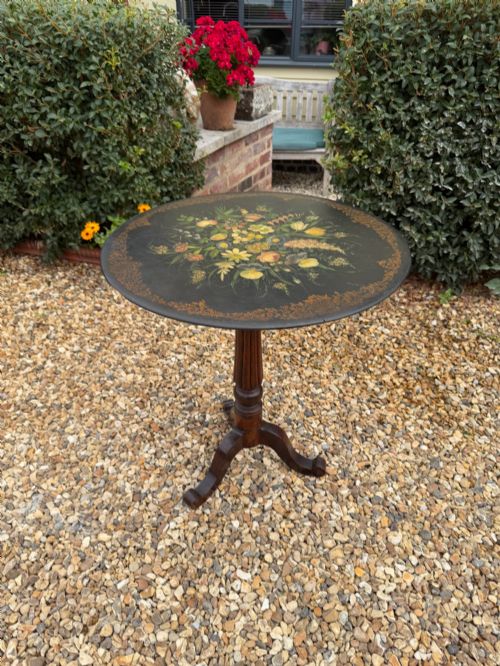
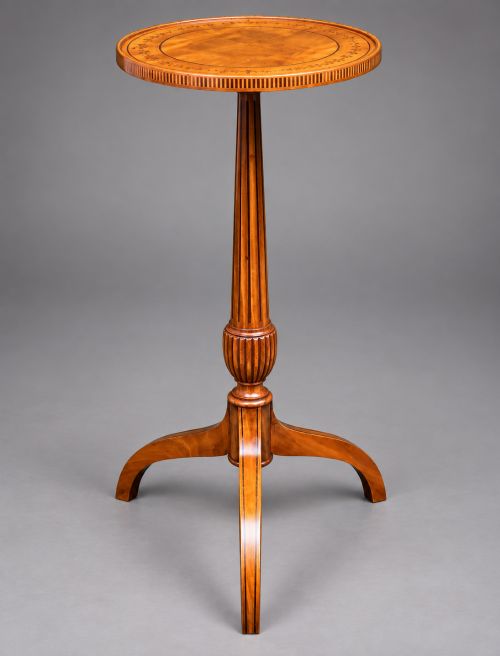
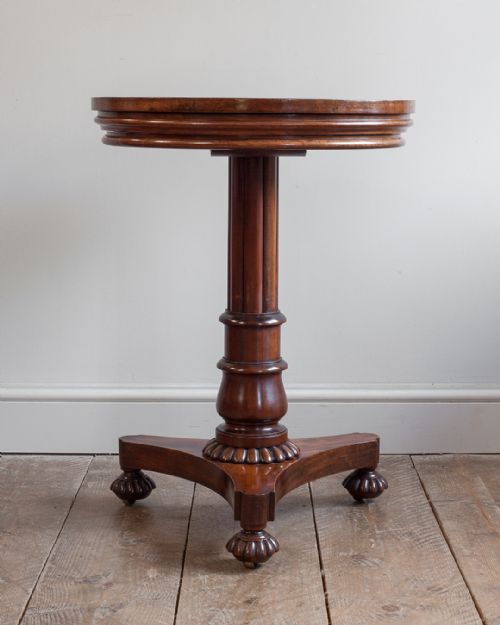
A fluted pedestal table centres on a vertical column carved with parallel vertical grooves, supporting a raised surface above. These pieces emerge across the eighteenth, nineteenth, and early twentieth centuries in forms such as occasional tables, wine tables, and candle stands.
Makers construct these supports in mahogany, satinwood, and brass, drawing upon Georgian, Regency, Victorian, and Edwardian design vocabularies. The silhouette often incorporates tripod legs or a weighted base to ensure stability beneath the central pillar.
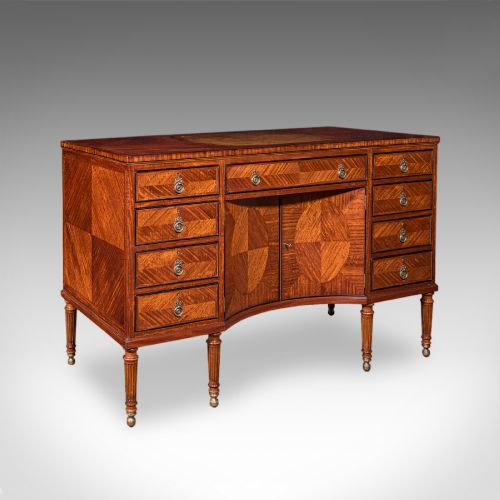
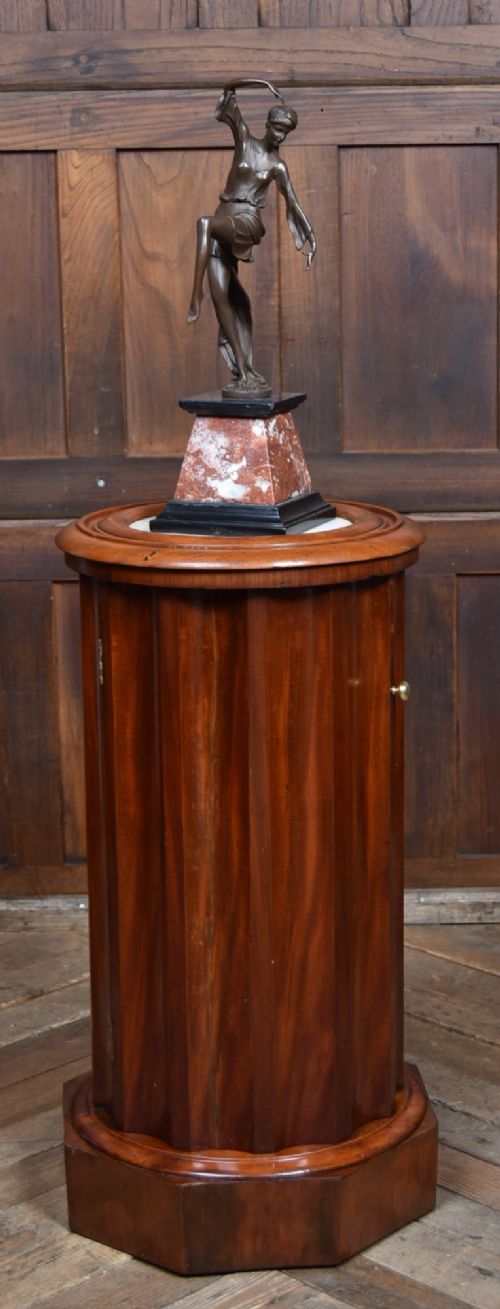
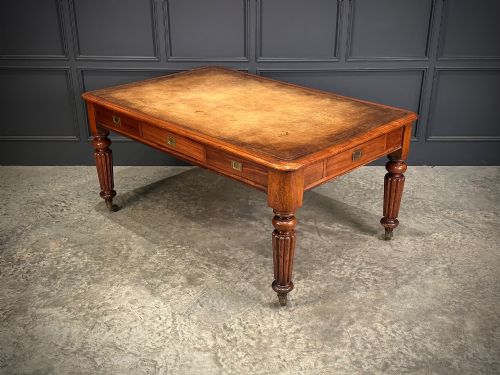
Examples on this page span diverse stylistic revivals, including Sheraton, Neoclassical, and French Empire interpretations. Buyers encounter compact tripod wine tables alongside larger occasional pieces sharing the signature columnar motif.
Materials and Construction
Joinery methods rely on sturdy tripod bases secured to the central shaft via pegged or dovetailed joints. Surface finishing involves polished timber grains and patinated metalwork achieved through traditional hand-working techniques.
Fluted Pedestal Table Retail Price Guide 2026
Typical asking prices for fluted pedestal table among the pieces listed under this phrase on Sellingantiques today, from the lower quarter to the upper quarter. They describe what is for sale here now, not the wider market.
Listings feature woods including mahogany and satinwood alongside brass and marble, spanning the eighteenth to the twentieth centuries.
Judging the Standard of Execution
Quality rests upon the crispness of the carving within the flutes and the structural integrity of the central column where it joins the base. Superior examples demonstrate balanced proportions between the top and the pedestal, alongside clean timber figuring or unblemished metal casting.
The refinement of secondary details, such as inlaid veneers or turned mouldings, distinguishes standard production from finer workshop output. Original surface patination and tight joinery at all stress points indicate careful historical preservation.
Waring & Sons
The Fluted Pedestal Table Glossary
- Fluting
- Parallel shallow grooves carved vertically into a column or pedestal shaft. This decorative technique originates in classical architecture and transfers to furniture supports.
- Tripod table
- A small freestanding table supported by three legs radiating from a central pillar. These pieces offer stable placement on uneven historical floorboards.
- Wine table
- A compact occasional table designed to hold a glass or bottle beside a seating area. They frequently feature round tops raised on turned pedestals.
- Sheraton Revival
- A late nineteenth and early twentieth century design movement replicating the light, graceful furniture styles of the late eighteenth century. Pieces often incorporate satinwood and delicate inlay.
- Neoclassical
- A style drawing inspiration from classical Greek and Roman architecture and decorative arts. It emphasises symmetry, columns, and restrained ornamentation.
Fluted Pedestal Table: Frequently Asked Questions
What is a fluted pedestal table used for?
These tables function as convenient surfaces for lamps, drinks, or decorative objects beside seating areas. Their compact footprint allows them to fit easily into corners or smaller reception spaces.
Historically, specific versions like wine tables and candle stands served specialised domestic duties during evening gatherings. Today, they provide accessible display space while introducing classical architectural lines to a room.
How do I date a pedestal table?
Dating relies upon examining the timber species, construction methods, and stylistic cues present in the design. Pieces from the Georgian and Regency periods utilise dense native and imported woods with hand-cut joinery.
Later Victorian and Edwardian examples often display machine-assisted turning and revival motifs inspired by earlier classical eras. Comparing the carved details against documented design books helps narrow the manufacturing period.
Where should I place a wine table?
A wine table suits placement beside an armchair, sofa, or in an empty corner requiring a small focal point. Their slender profiles ensure they do not crowd a living space.
Because many examples feature delicate tripod bases, placing them out of main traffic routes protects the structure from accidental knocks.
Are brass column tables the same period?
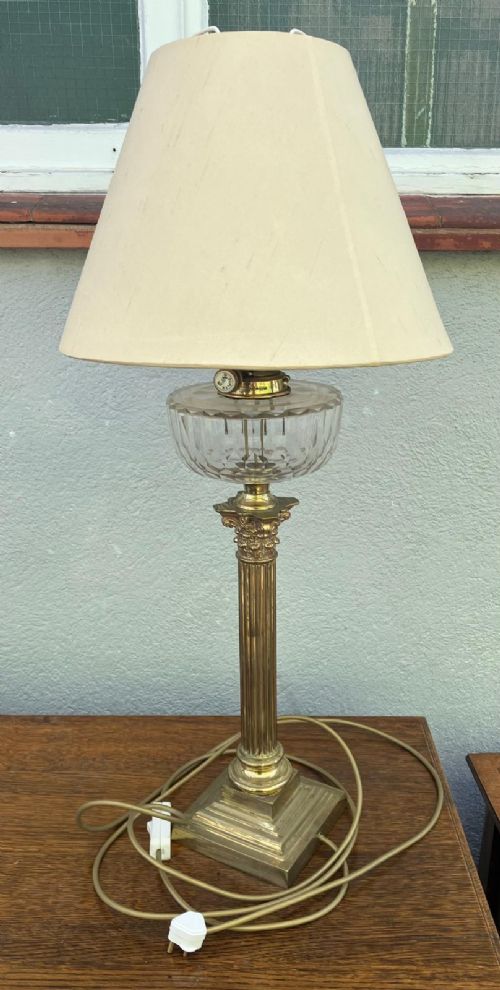
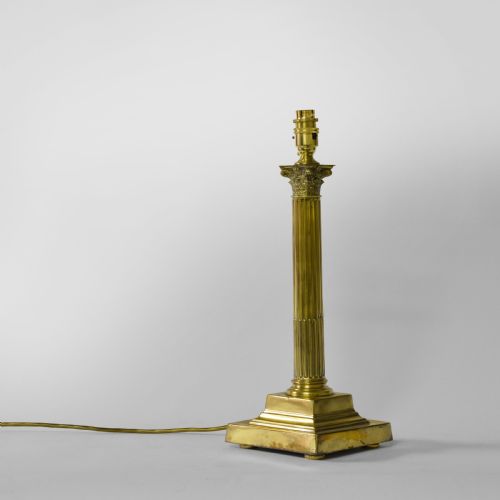
Brass column supports span the nineteenth and early twentieth centuries, drawing heavily on classical architecture. Many replicate Corinthian or ionic orders popular during the Victorian and Edwardian eras.
Makers utilised these metal columns for both table lamps and architectural lighting fixtures, reflecting an enduring fascination with antiquity throughout the nineteenth century.