




Fluted Leg Settee
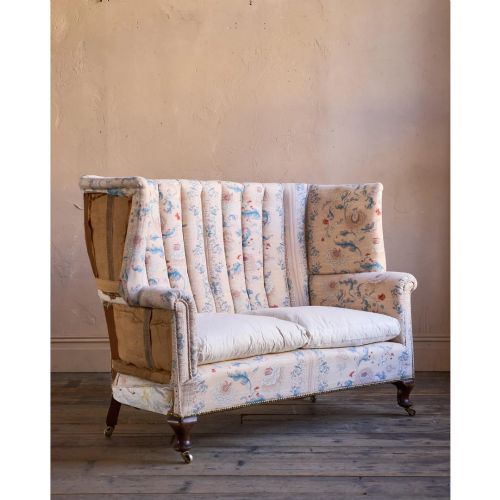
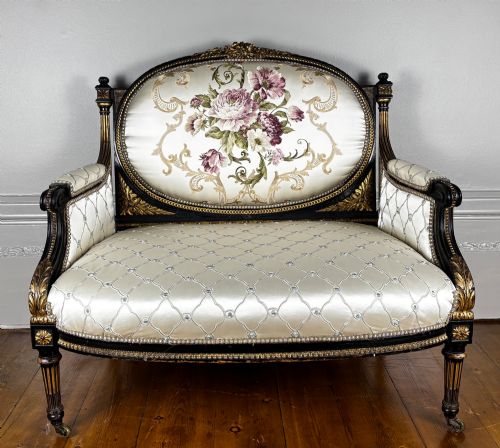
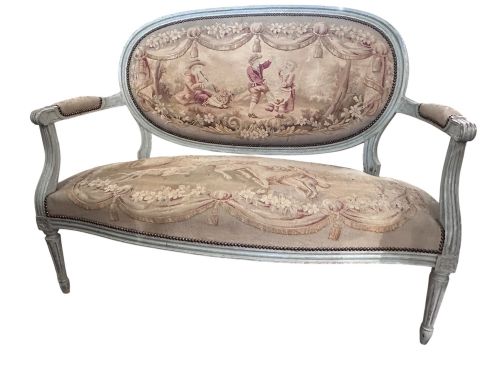
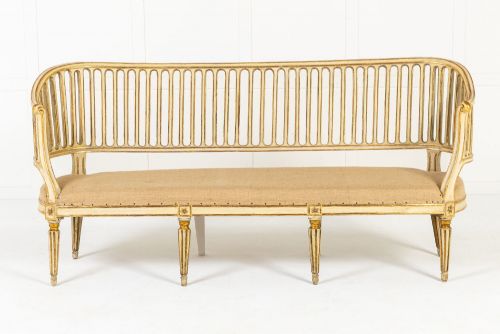
These fluted leg settee examples bring classical proportion and refined woodwork into a room, offering both seating space and period character.
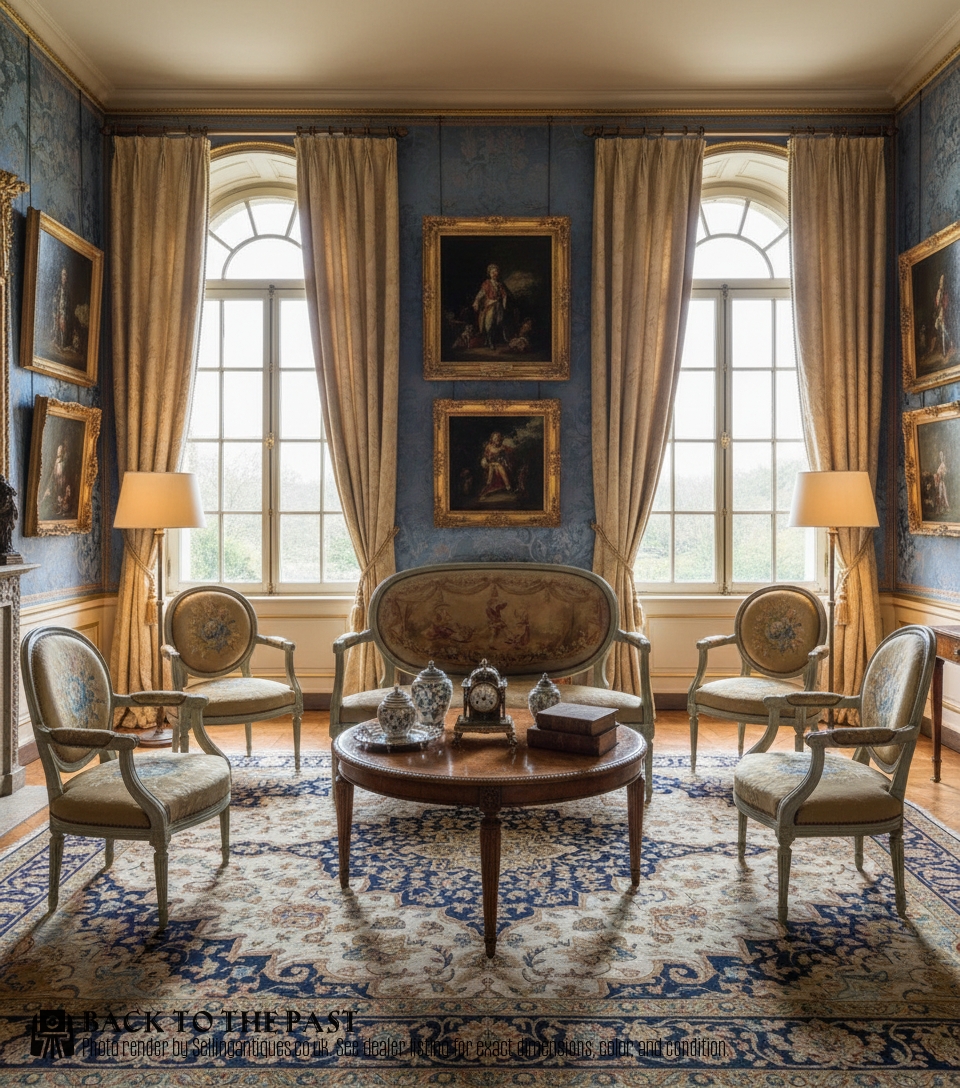
Fluted Leg Settee
A fluted leg settee combines traditional seating forms with vertical carved channels along the supports. These pieces emerge across the eighteenth, nineteenth, and early twentieth centuries, drawing heavily on classical design traditions. Buyers encountering this search phrase will find variations spanning Georgian, Regency, and revival periods.
The objects listed display diverse stylistic origins, including French Louis XVI designs, Gustavian aesthetics, and Hepplewhite influences. Many examples rely on exposed wooden frames paired with upholstered seats, backs, or arms. Others incorporate woven cane panels within the framework to lighten the overall visual weight.
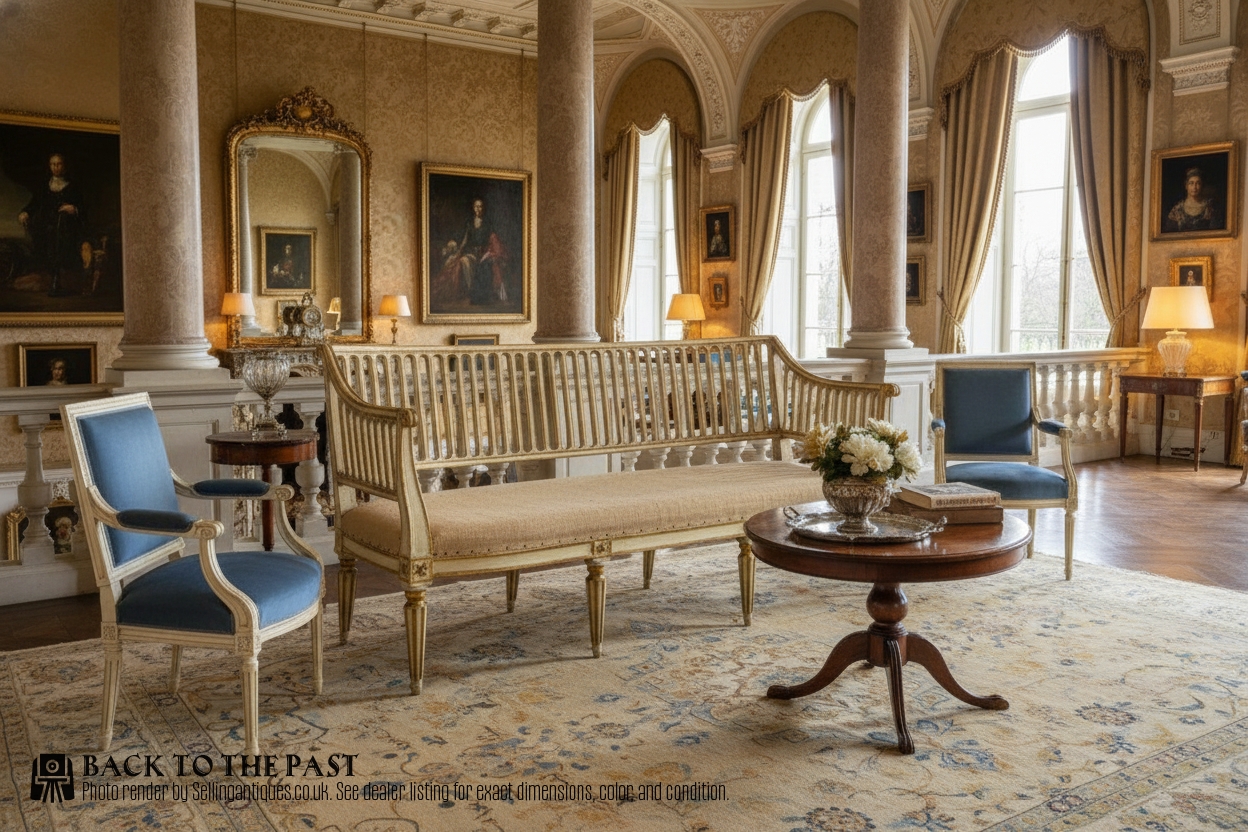
How they were made
Framing timbers predominantly consist of mahogany, walnut, and various painted or gilt woods, providing structural integrity for carved details. Artisans shaped these woods by hand, cutting vertical grooves into the legs to echo classical architectural columns. Giltwood and parcel gilt finishes frequently appear on French and revival pieces, applied over gesso layers.
Upholstery methods involve traditional stuffing materials secured over webbing or supportive foundations. Outer coverings range from plain linen and hessian to decorative fabrics, leather, and Aubusson tapestry. Caning techniques utilise natural plant fibres woven tightly into open wooden frames.
Fluted Leg Settee Retail Price Guide 2026
Typical asking prices for fluted leg settee among the pieces listed under this phrase on Sellingantiques today, from the lower quarter to the upper quarter. They describe what is for sale here now, not the wider market.
Some pieces require complete re-dyeing, letting the next custodian choose whether the leather ends up emerald or oxblood.
What varies in quality
The crispness and depth of the carved fluting on the legs distinguish standard production from superior craftsmanship. Finer pieces exhibit sharp, uniform channels that follow the taper of the timber cleanly. Softer lines or shallow grooves indicate simpler tooling or later modifications.
Frame construction and timber selection further separate examples across the range. Solid hardwoods provide durability compared to secondary woods requiring heavy paint layers to conceal joints. Original gilding and intact period cane work add significant integrity to the piece.
The Fluted Leg Settee Glossary
- Fluting
- Vertical parallel grooves carved into the surface of a leg or column. This decorative technique derives from classical architecture.
- Canapé
- A French term for an upholstered sofa or settee with an exposed wooden frame. These often feature carved details and open arms.
- Giltwood
- Timber coated with a thin layer of gold leaf or gold paint. It appears frequently on formal continental seating.
- Hepplewhite manner
- A furniture style influenced by the designs of George Hepplewhite, characterised by elegant proportions and shield or oval backs.
- Aubusson
- A style of tapestry woven in the French town of the same name. These textiles frequently cover the seats and backs of formal eighteenth and nineteenth-century settees.
Fluted Leg Settee: Frequently Asked Questions
What is a fluted leg settee?
A fluted leg settee is an antique seating piece defined by vertical carved grooves along its wooden supports. These items appear across multiple centuries and stylistic traditions, particularly within French and English designs.
Such settees range from formal gilded salon pieces to painted country house models, all sharing the distinctive linear carving on the legs.
How do I identify the period?
Dating relies on examining the timber, the style of carving, and the construction methods used in the frame. Georgian and eighteenth-century examples display different joinery and proportions compared to nineteenth-century revivals.
Stylistic markers like Louis XVI motifs or Hepplewhite influences help narrow down the decade of manufacture when combined with wood analysis.
Can I use one in a modern interior?
These settees integrate well into contemporary rooms by adding textural contrast and classical lines. Their neutral wood tones and traditional upholstery sit comfortably against minimalist backdrops.
Many buyers place them in hallways, bedrooms, or living spaces where the carved woodwork introduces historical depth without overwhelming the floor plan.
What maintenance do they need?
Care involves protecting exposed wood from direct sunlight and sudden temperature shifts to preserve finishes and prevent timber movement. Dusting carved fluting regularly prevents grime accumulation in the grooves.
Upholstery care depends on the fabric used, requiring gentle vacuuming or professional cleaning suited to antique textiles and leather.