












Fluted Glass Goblet
These fluted glass goblet pieces are elegant drinking vessels spanning the Georgian, Victorian, and Edwardian periods.
Fluted Glass Goblet
When searching for a fluted glass goblet, collectors encounter a range of drinking vessels from the eighteenth century onwards, including wine glasses, ale glasses, and rummers. These items primarily originate from the Georgian, Victorian, and Edwardian eras, showcasing the changing domestic habits of past centuries.
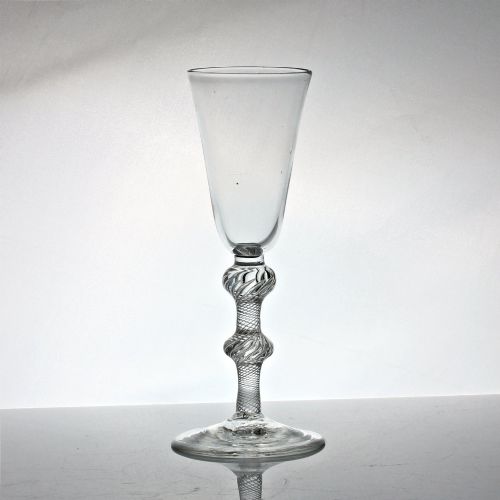
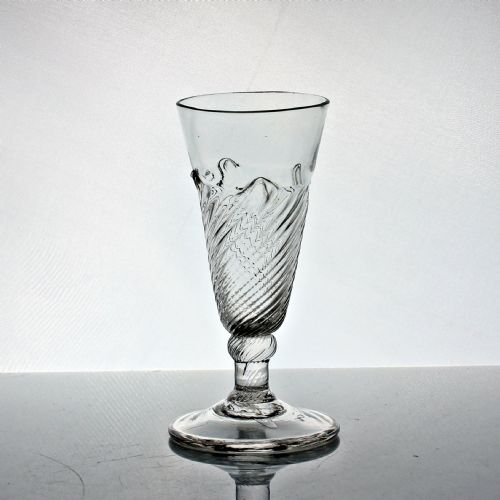
The most common forms on this page include Georgian ale glasses with twist stems and Victorian coloured wine glasses. Pieces often feature moulded bowls, such as the flute-moulded ogee or pan top styles, paired with clear or coloured lead glass.
Origins span English manufacturing traditions alongside twentieth-century continental production such as the etched Riihimaki pieces. Buyers find both single glasses and matched pairs or sets suitable for traditional table use.
What varies in quality
Quality rests in the precision of the glass formation and the crispness of any engraved or moulded fluting. Finer vessels show balance in the hand and clarity in the metal without heavy internal distortion.
The complexity of the stem construction dictates distinction among earlier drinking vessels, where air twists and opaque twists require high skill from the glassblower. Surface decoration like gilding and enamel work also separates standard utility items from exhibition pieces.
Fluted Glass Goblet Retail Price Guide 2026
Typical asking prices for fluted glass goblet among the pieces listed under this phrase on Sellingantiques today, from the lower quarter to the upper quarter. They describe what is for sale here now, not the wider market.
Several eighteenth-century ale glasses depict tiny engraved hops and barley, ensuring the beverage is judged by its botanical ingredients before the first sip.
The Fluted Glass Goblet Glossary
- Lead glass
- Glass containing lead oxide which increases brilliance, weight, and softness for cutting and engraving. This material defines much of the British drinking vessel production.
- Air twist
- A stem containing elongated internal air spirals formed during manufacture. Makers created these by trapping air in the hot metal before drawing and twisting the stem.
- Opaque twist
- A stem featuring white or coloured enamel glass threads enclosed within clear glass. These threads form single or double series patterns.
- Rummer
- A large heavy drinking glass popular in the eighteenth and nineteenth centuries for ale or wine. They typically feature thick bowls and sturdy feet.
- Ogee
- A bell-shaped bowl curving out at the rim and in at the base, often moulded with flutes. This profile appears frequently on eighteenth-century wine and ale glasses.
Fluted Glass Goblet: Frequently Asked Questions
What is an ale glass?
An ale glass is a tall, narrow drinking vessel designed specifically for consuming malt beverages. They often feature engraved hops and barley motifs upon the bowl.
Many examples from the eighteenth century utilise twist stems and folded feet for added stability. Their slender proportions distinguished them from wider wine glasses of the same period.
How do I identify Georgian glass?
Georgian glass typically displays a darker metal tone with surface wear indicative of age. The weight and pontil mark on the underside provide key indicators.
Stylistic elements such as opaque twist stems and balustroid forms are characteristic of this eighteenth-century era. Engraving styles from the period also reflect contemporary tastes.
Are these glasses safe to use?
Most antique drinking glasses remain structurally sound for gentle use with beverages. Hand washing in tepid water is essential to preserve the historic material.
Avoid sudden temperature changes to prevent thermal shock in old lead glass. Collectors often reserve them for special occasions rather than daily dining.
What does flute-moulded mean?
Flute-moulded refers to vertical indentations or ribs running up the lower portion of a glass bowl. This decorative technique creates texture and catches the light.
It was commonly employed on eighteenth-century ogee bowls to add visual interest without heavy cutting. The moulding process left tactile ridges on the exterior surface.