
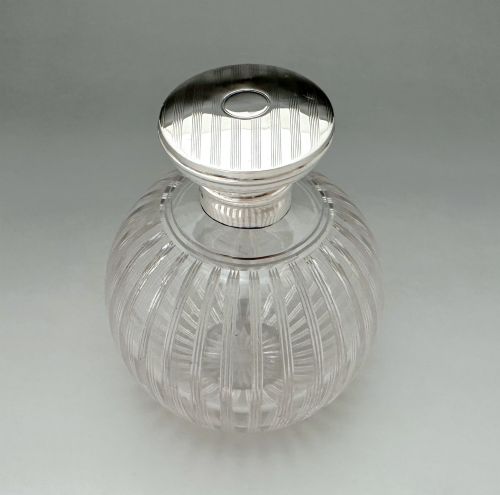
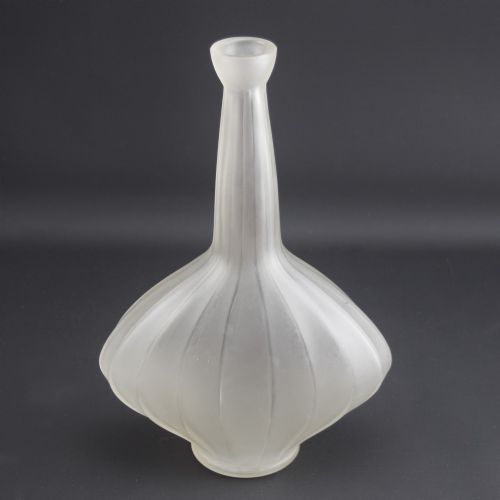


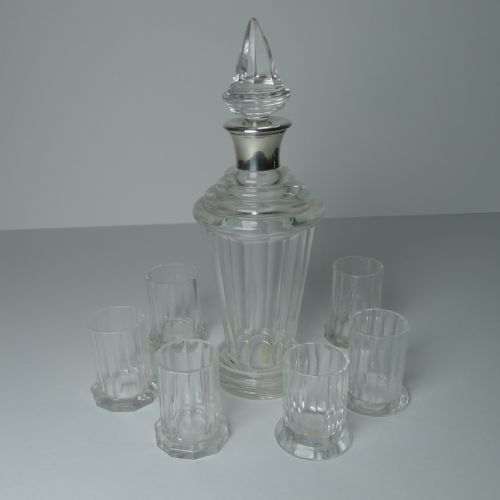
Fluted Glass Decanter
A fluted glass decanter catches light across its vertical cuts, bringing weight and sparkle to the dining table.
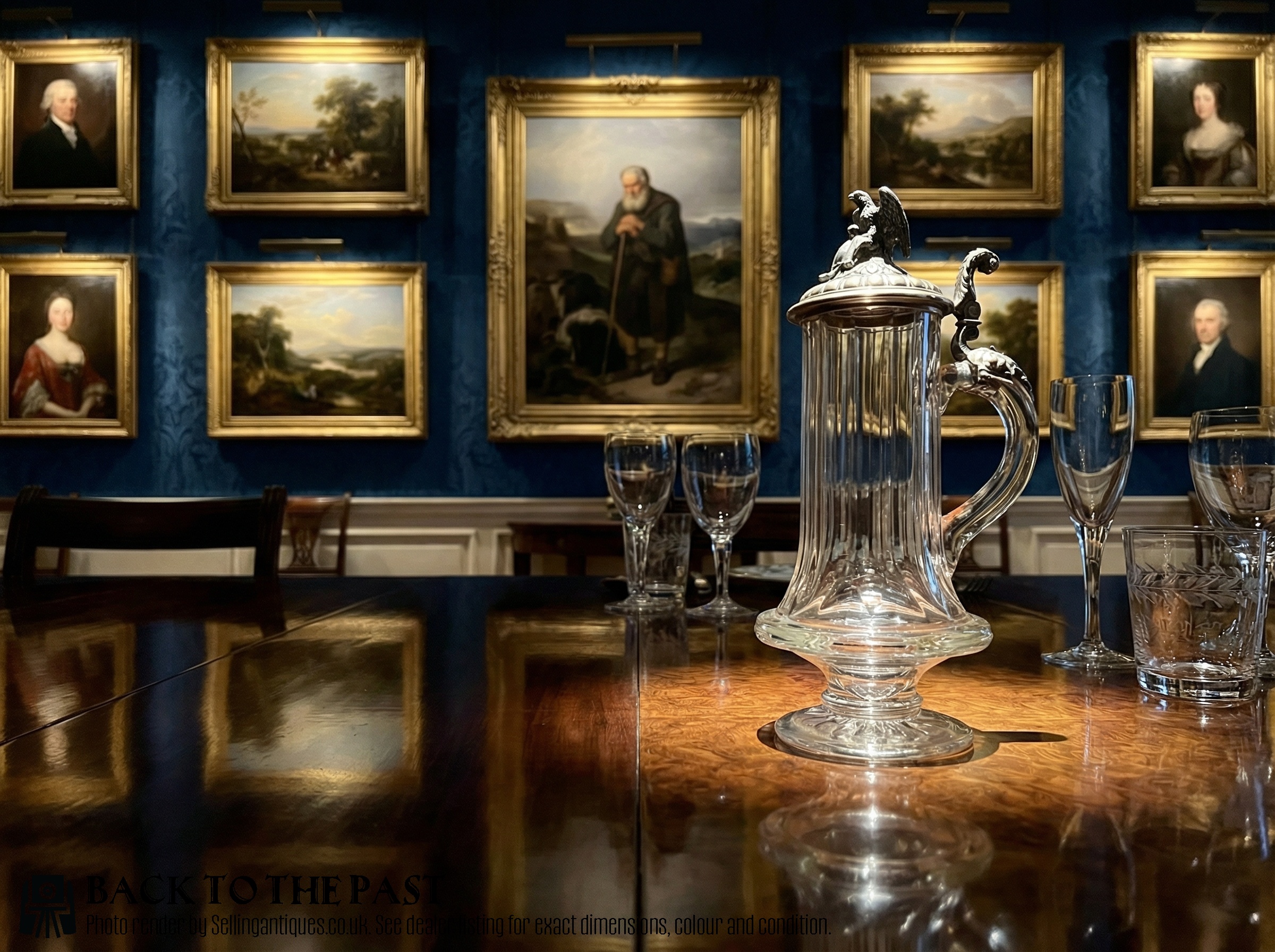
What They Are
A fluted glass decanter is a serving vessel designed for wine, spirits, or liqueurs, distinguished by vertical fluting along the body. The selection on this page spans the Regency period, Victorian era, 1880, 1900, and 1930, capturing over a century of dining table culture.
Forms range from traditional decanters to claret jugs and liqueur sets complete with shot glasses. Buyers encounter styles labelled as Victorian, Regency, Edwardian, and Art Deco, reflecting the changing tastes of their respective eras.
How They Were Made
These pieces utilise materials such as cut glass, lead crystal, plain glass, crystal glass, and crystal. Metal components incorporate sterling silver, silver plate, and 800 silver.
Glassmakers shaped vessels through blowing and pressing before applying wheel-cut flutes and facets. Metal mounts, collars, and handles were cast or fabricated and securely fitted to the glass bodies.
Retail Price Guide 2026
Typical UK retail prices for fluted glass decanter, calculated from the Sellingantiques database of over a million retail prices indexed since 2003. This retail price guide relies exclusively on Sellingantiques data; no external sources or auction records are used, so the figures do not describe the wider market.
Listings feature items from five distinct periods: Regency, Victorian, 1880, 1900, and 1930.
What Varies in Quality
Quality rests in the crispness of the cutting and the clarity of the material itself. Deeper, sharper flutes catch the light with greater brilliance than soft, rounded grooves.
The integration of metalwork dictates upper tiers, particularly where hallmarked sterling silver or finely cast silver plate matches the proportions of the glass.
Hukin & Heath·Moser Glass
The Fluted Glass Decanter Glossary
- Flutes
- Parallel vertical grooves cut or moulded into the exterior of the glass. They add grip and refract light across the surface.
- Claret Jug
- A specialised pouring vessel featuring a handle and spout, often mounted in silver or silver plate, designed specifically for red wine.
- Lead Crystal
- Glass containing lead oxide, which increases weight, brilliance, and the refractive index. It allows for deeper and sharper cutting.
- Regency
- A style period spanning the early nineteenth century, known for classical restraint and clean geometric forms. Pieces from this era often feature distinct neck rings.
- Silver Plate
- A thin layer of silver bonded to a base metal core. It provided the decorative look of solid silver at a more accessible cost during the nineteenth and twentieth centuries.
Frequently Asked Questions
How do I clean an old decanter?
Residue inside can be gently washed using warm water and specialised cleaning beads rather than harsh abrasives.
Allow the vessel to air dry completely upside down on a proper drying rack before storing.
Are these decanters safe for modern wine?
Most glass and crystal vessels are suitable for serving wine and spirits.
Check the interior for any stubborn staining or haze before filling with valuable vintages.
How do I date a Regency decanter?
Regency examples often display characteristic neck rings and heavy lead glass composition.
Compare the silhouette and cutting style against documented pieces from the early nineteenth century.
What is the difference between a decanter and a claret jug?
Decanters generally feature stoppers and straight or slightly tapered bodies intended for spirits and fortified wines.
Claret jugs incorporate handles and hinged metal spouts designed for pouring table red wines.