

Fluted Crystal Glasses
These fluted crystal glasses are drinking vessels and table items spanning the eighteenth century to the art deco era, prized for their clarity and cutting.
Fluted Crystal Glasses
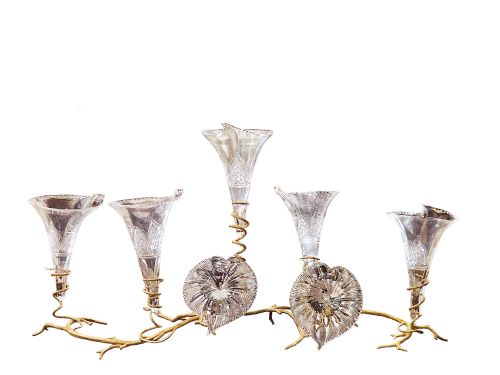
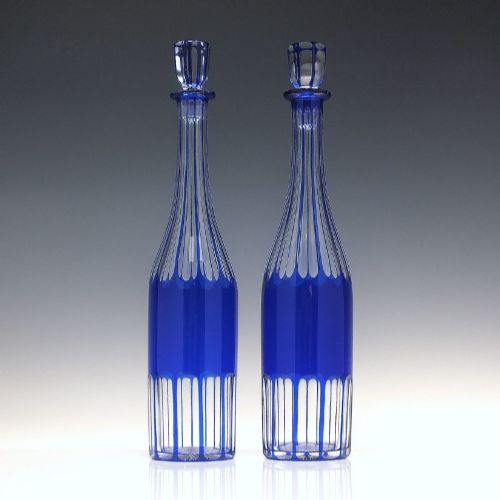
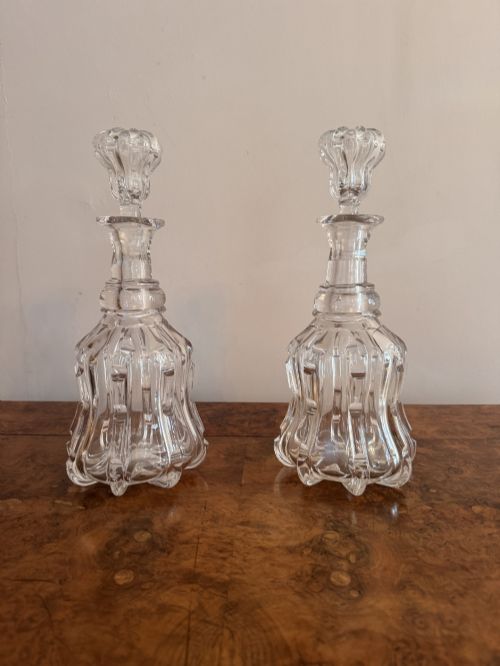
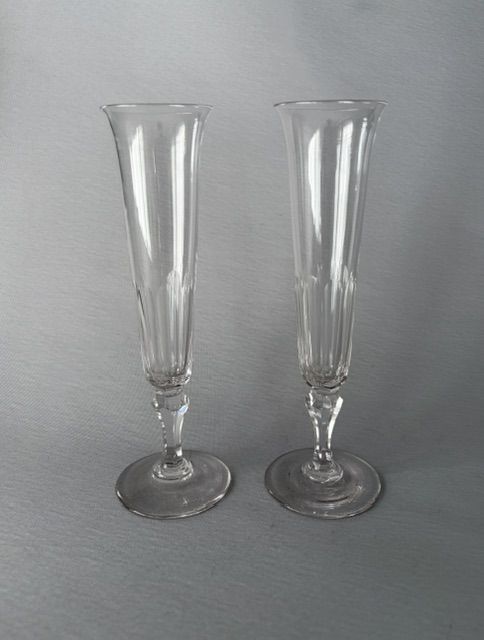
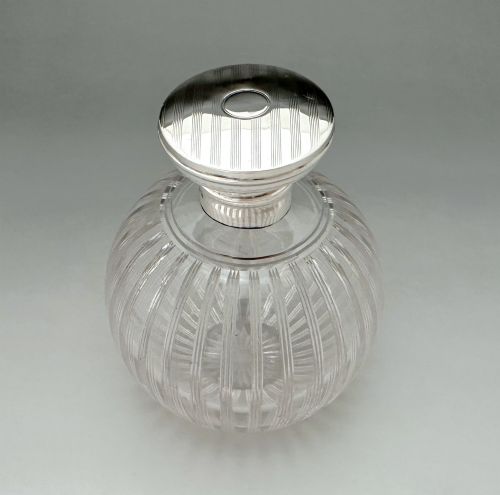
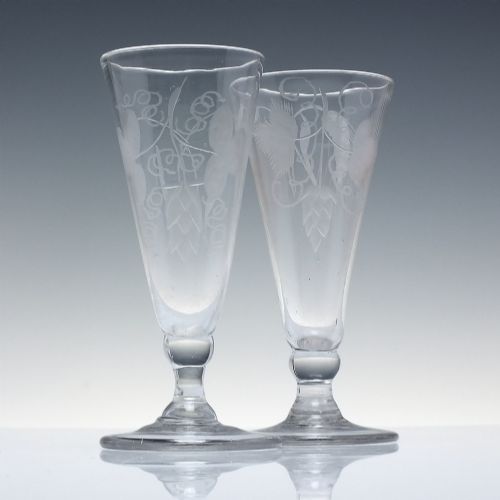
When searching for fluted crystal glasses, buyers encounter a mix of drinking vessels, decanters, vases, and scent bottles dating from the eighteenth century to the early twentieth century.
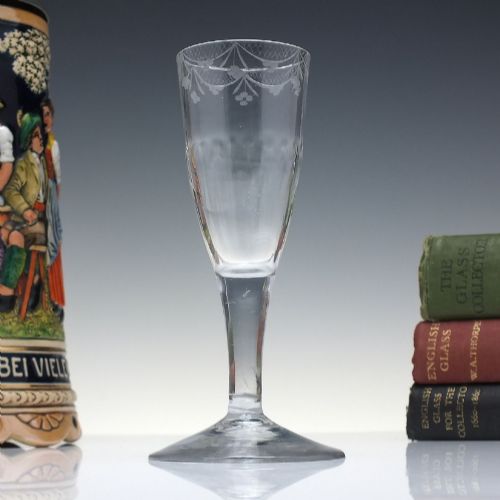
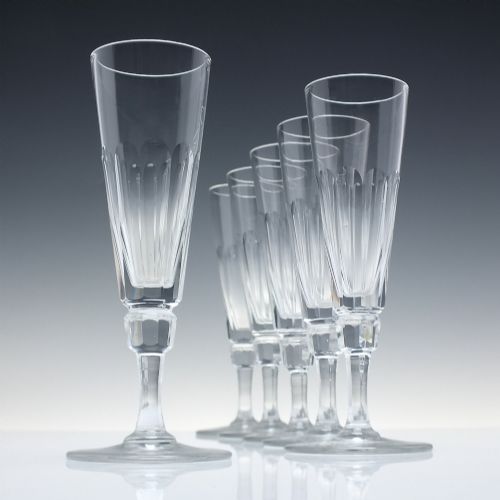
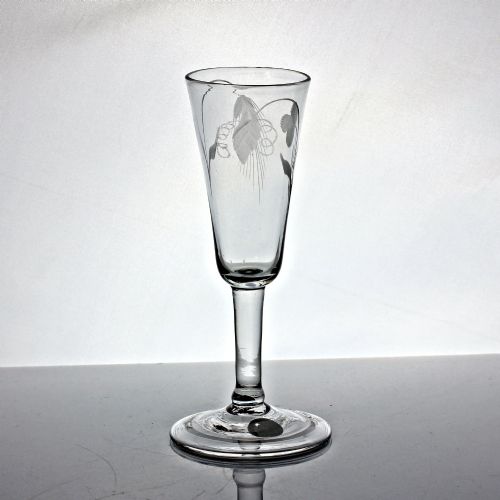
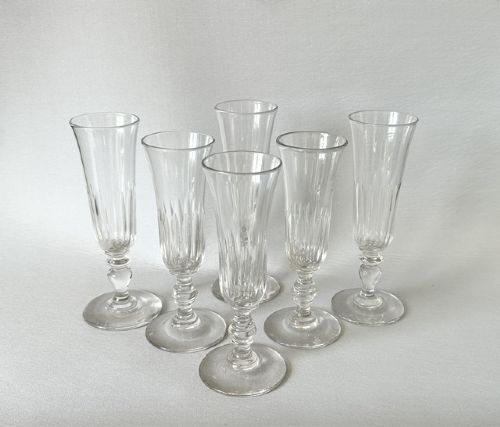
The selection ranges from early Georgian opaque twist ale glasses and champagne flutes to Victorian cut glass vessels, Edwardian decanters, and pieces from the nineteen-thirties.
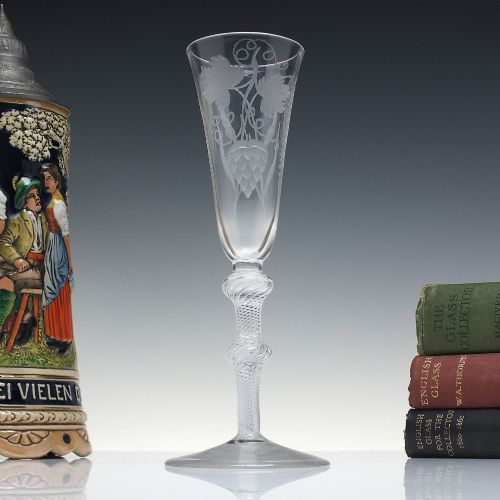
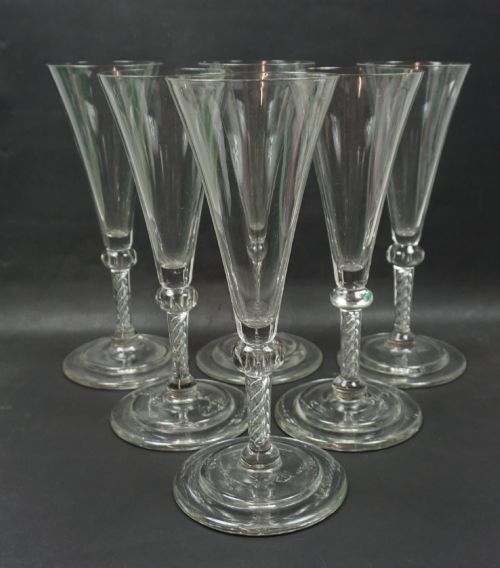
Stemware dominates the earlier periods, particularly ale and wine flutes featuring air twist or opaque twist stems, while later decades offer matched sets of champagne flutes and decanters.
How they were made
Maker utilisation of lead glass and clear crystal allowed artisans to shape drinking vessels and tableware through blowing, moulding, and wheel-cutting.
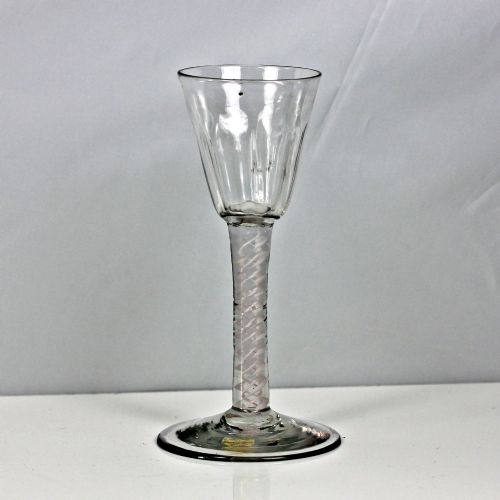
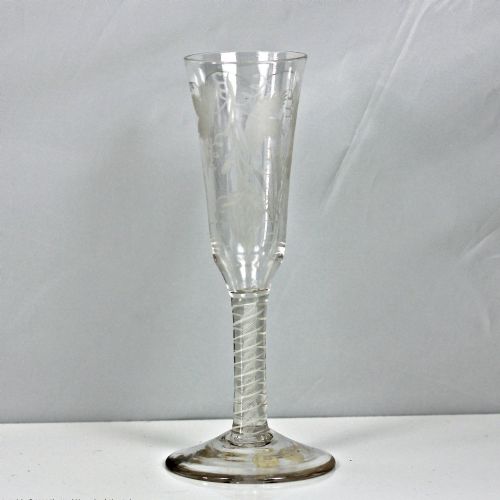
Twist stem glasses incorporated intricate air or opaque white glass threads spun into the molten metal during formation, while decanters and rummers received deep exterior facets.
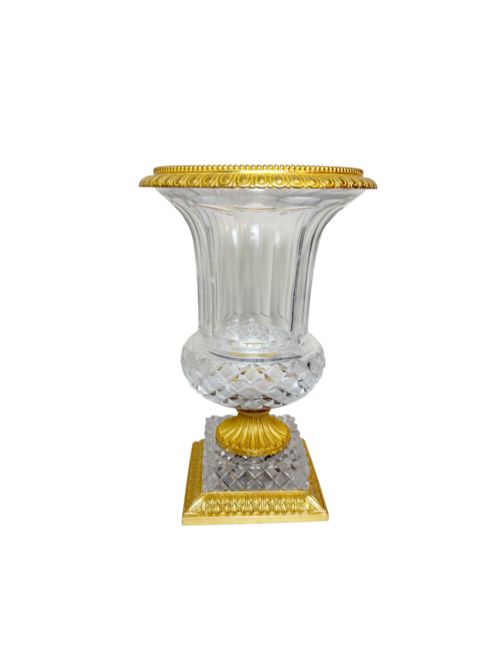
Select items combine crystal with silver mounts, gilt bronze, or enamel decoration, reflecting period techniques from English workshops and continental makers like Moser.
Fluted Crystal Glasses Retail Price Guide 2026
Typical asking prices for fluted crystal glasses among the pieces listed under this phrase on Sellingantiques today, from the lower quarter to the upper quarter. They describe what is for sale here now, not the wider market.
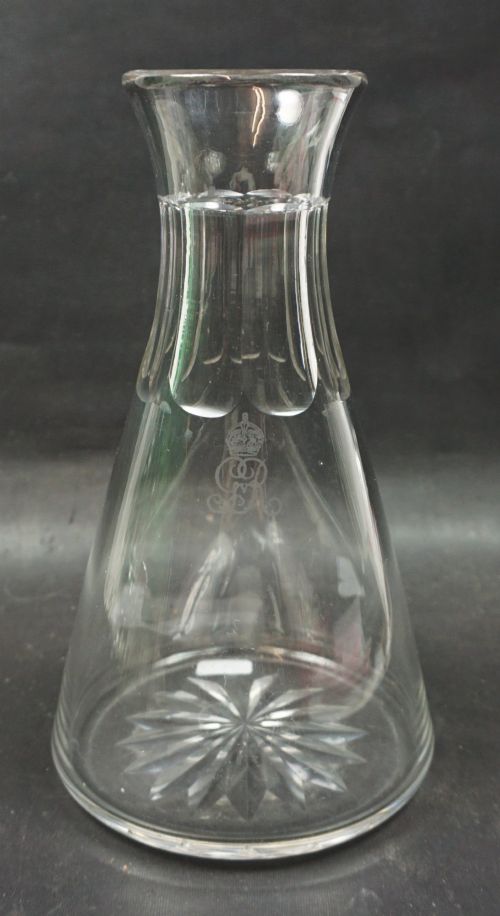
A Royal Yacht pattern carafe bears a royal monogram for King George V, bringing a touch of maritime royalty to the drinks tray.
What varies in quality
Quality rests upon the crispness of the wheel-cut facets, the purity and weight of the lead crystal, and the structural balance of the stem or vessel.
Finer drinking glasses display precise twist formations within the stem and thin, even walls on the bowl, whereas heavier Victorian and Edwardian pieces rely on deep, symmetrical cutting.
Provenance and matched sets elevate certain items, such as monogrammed decanters or documented Wiener Werkstätte designs.
Moser·Otto Prutscher·Powell·Nazeing
The Fluted Crystal Glasses Glossary
- Air twist
- A stem formation enclosing spiralling threads of air trapped inside the molten glass during pulling.
- Opaque twist
- A stem style containing white or coloured glass rods twisted within the clear metal.
- Rummer
- A heavy, large-bowled drinking glass popular during the Georgian and Victorian periods for wine or ale.
- Balustroid
- A stem type derived from baluster forms, showing a swelling knop above the foot.
- Facet cut
- Geometric planes ground and polished onto the exterior surface of a glass vessel to reflect light.
Fluted Crystal Glasses: Frequently Asked Questions
How do I date an antique glass?
Dating relies on manufacturing characteristics such as pontil marks, metal composition, and the prevailing style of the cutting or stem formation.
Earlier eighteenth-century pieces often display hand-blown irregularities and twist stems, whereas nineteenth-century items tend to feature heavier lead crystal and moulded flutes.
Were these glasses used daily?
Many of these pieces served dining tables for ale, wine, champagne, and sherry during formal meals and gatherings.
Delicate air twist glasses were handled with care for special toasts, while heavier cut glass rummers and decanters endured more robust service.
What is the difference between lead crystal and glass?
Lead crystal contains a proportion of lead oxide that increases the weight, refractive index, and resonance of the material.
This addition allowed makers to cut deeper, sharper facets that scatter light more brilliantly than standard soda-lime glass.
Can I use antique stemware today?
These drinking vessels remain functional for contemporary dining, provided they receive careful hand washing.
Sudden temperature changes and modern dishwashers can damage historical crystal, so gentle maintenance preserves the surface.