


Fluted Column Stand
A fluted column stand supports display items or houses lighting, bringing classical architectural order into domestic rooms.
Fluted Column Stand
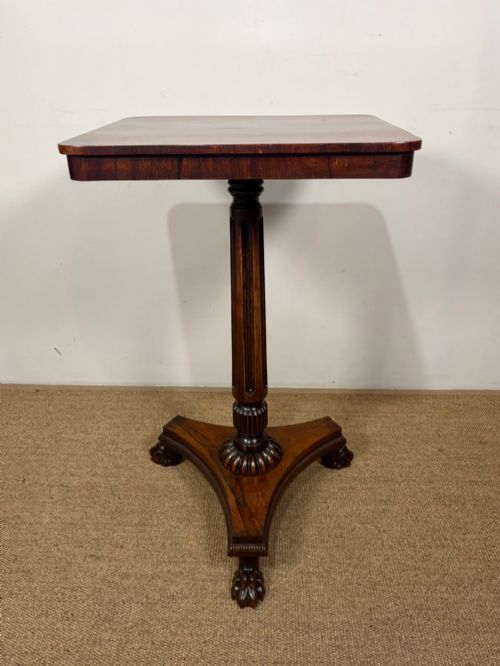
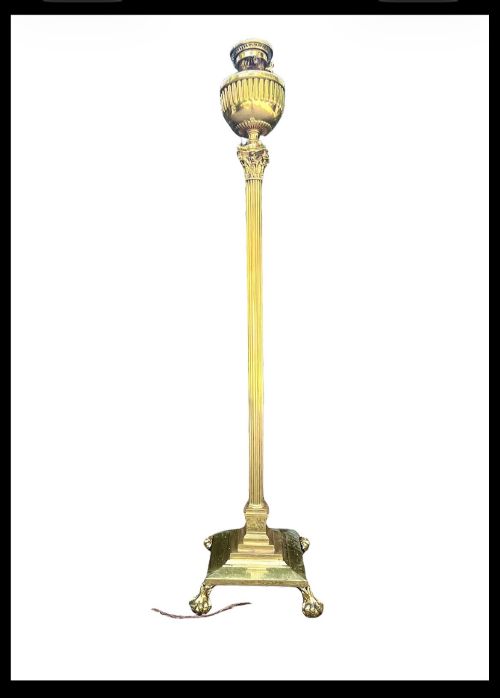
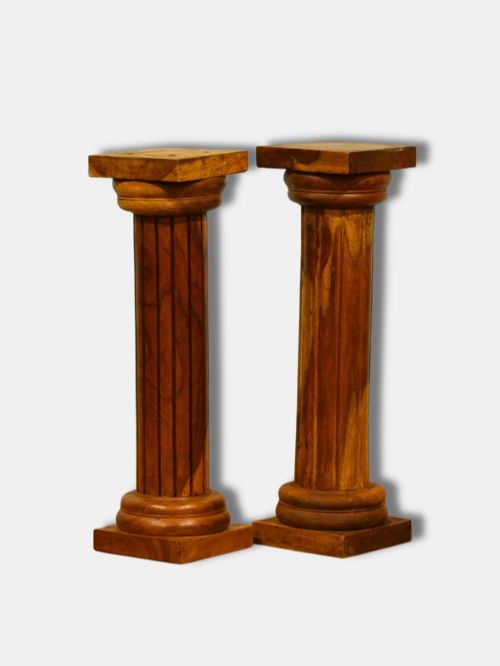
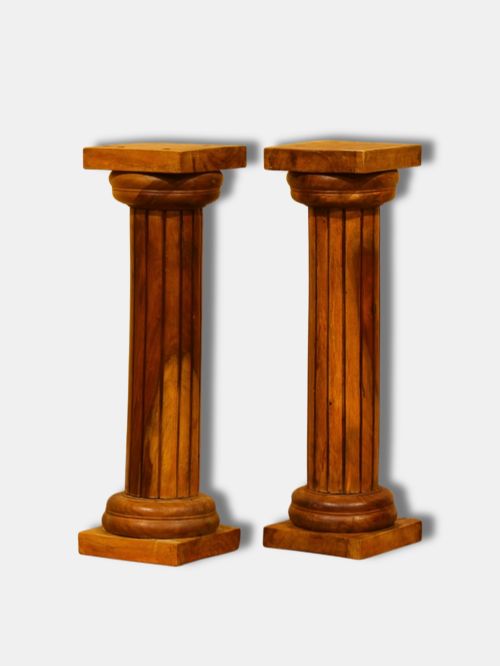
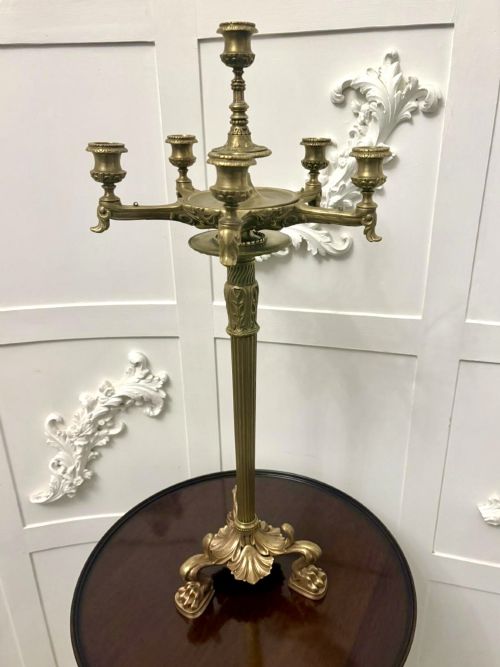
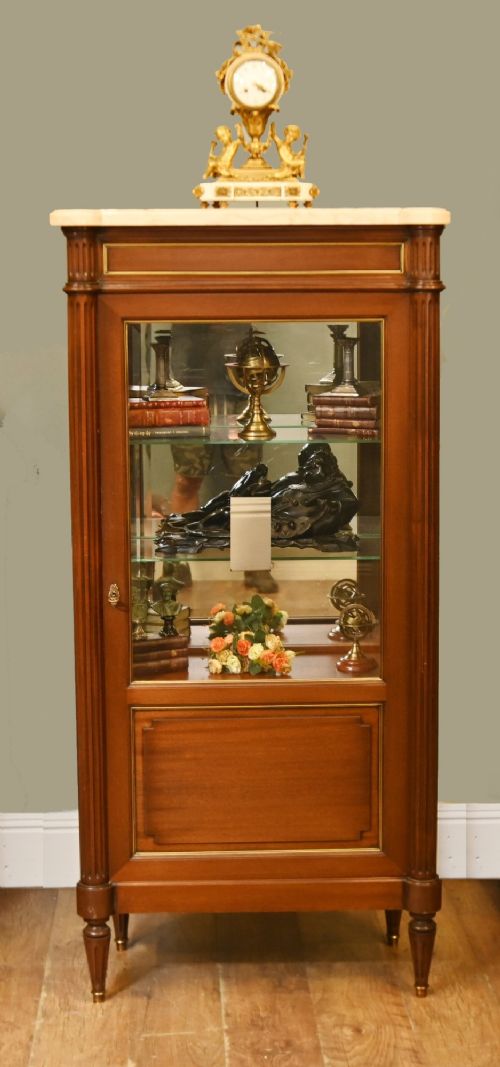
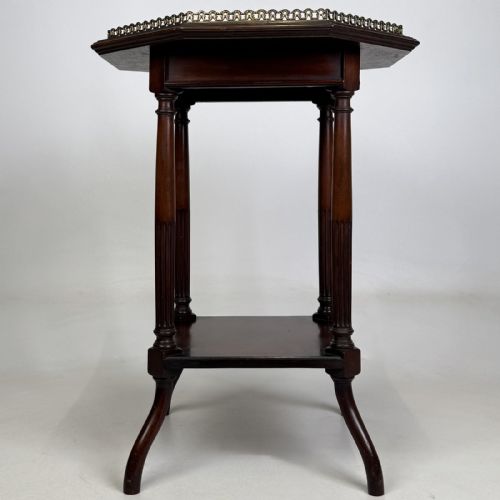
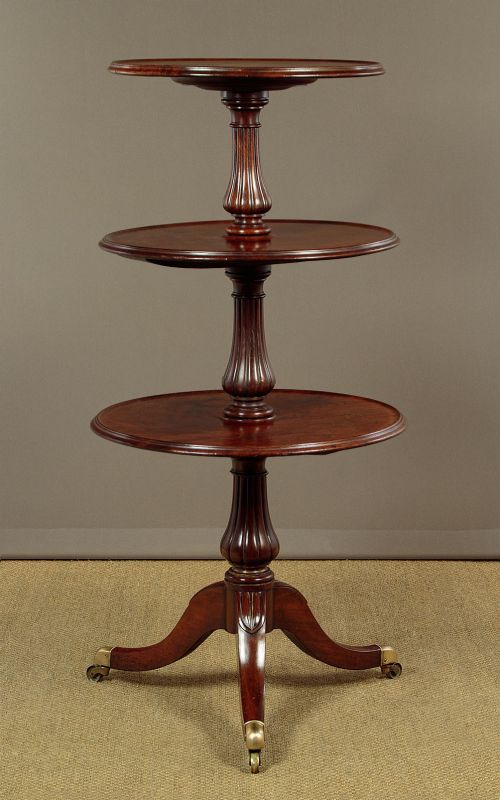
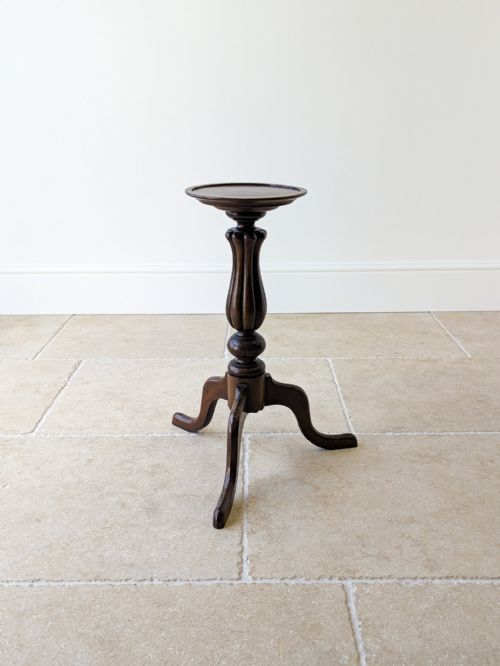
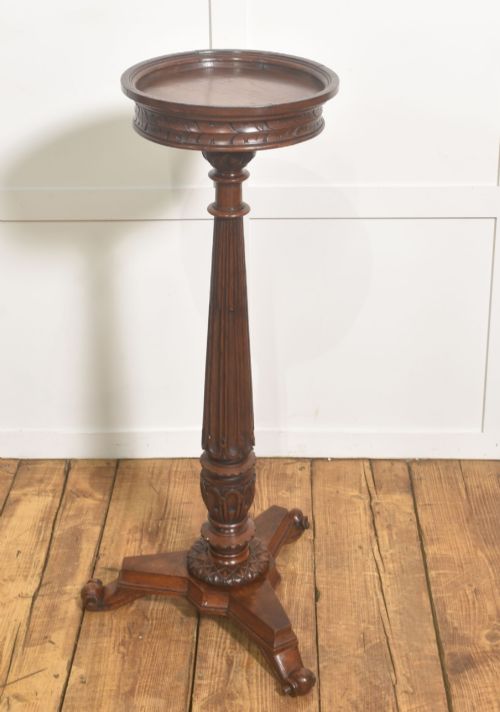
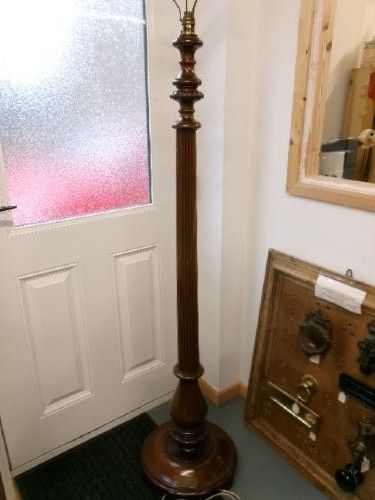
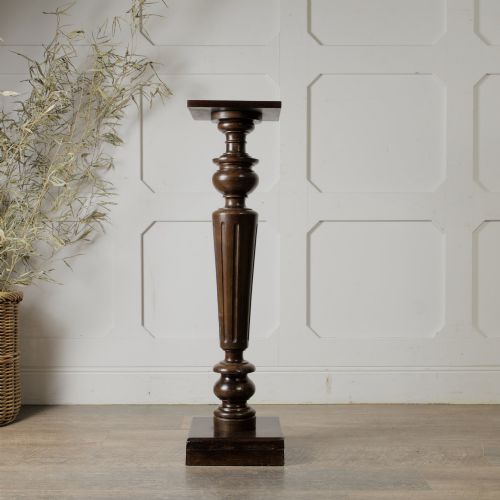
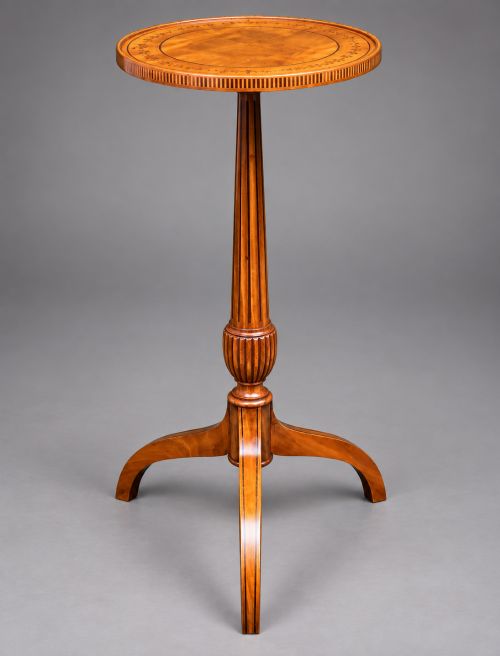
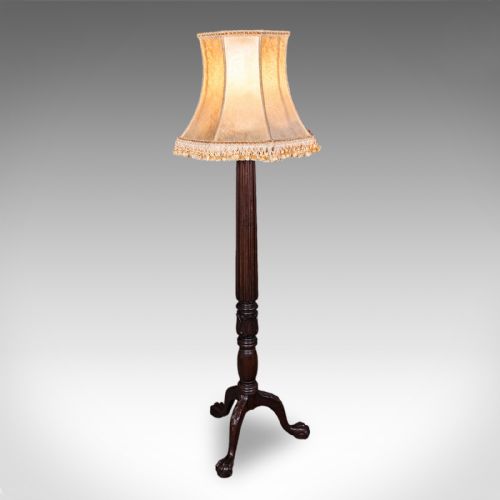
A fluted column stand appears in forms ranging from tall standard lamps and floor lights to display pedestals, torcheres, and plant stands. The pieces span the eighteenth, nineteenth, and early twentieth centuries, drawing on Georgian, Victorian, Edwardian, and Regency eras.
Buyers commonly encounter standard lamps and torcheres alongside display plinths and column sculptures. These items serve to elevate lamps, art objects, and decorative urns within a room.
Origins stretch across English workshops and continental European makers, utilising classical revival designs such as Corinthian and Empire styles.
Materials and construction
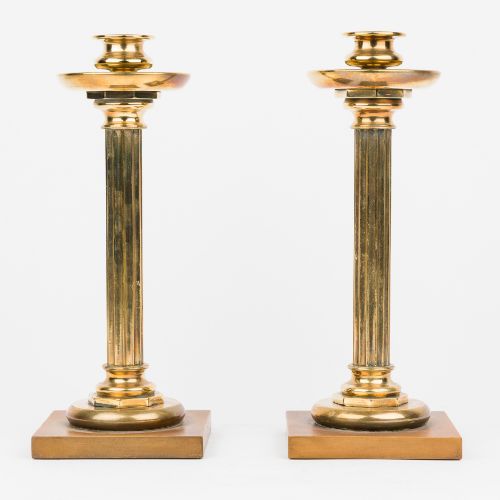
Cabinet makers and metalworkers utilised solid mahogany, satinwood, oak, and pine, alongside cast brass, bronze, silver plate, and terracotta. Wood sections feature turned profiles and carved details, while metal columns employ heavy casting and telescopic mechanisms.
Surfaces receive paint, gesso, gold leaf, and simulated marble finishes such as giallo antico. These techniques replicate solid stone or expensive gilding while maintaining structural stability for vertical display furniture.
Fluted Column Stand Retail Price Guide 2026
Typical asking prices for fluted column stand among the pieces listed under this phrase on Sellingantiques today, from the lower quarter to the upper quarter. They describe what is for sale here now, not the wider market.
Listings feature mahogany, brass, bronze, and marble columns spanning the eighteenth to the twentieth centuries.
Evaluating construction and design
The division between standard output and finer work rests on the crispness of the fluting and the stability of the base. Heavy cast bronze or solid mahogany supports command greater regard than lighter plated metals or softer pine.
Attention to classical proportions and the integration of decorative capitals, such as Corinthian or Neoclassical details, separate routine furniture from exceptional examples produced by accomplished workshops.
George Smith·Thomas Hope·WMF·Humphrey Hopper·Hinks
The Fluted Column Stand Glossary
- Fluting
- Vertical parallel grooves carved or cast into the shaft of a column. This decorative technique originates in classical architecture and lightens the visual mass of the support.
- Torchere
- A tall decorative stand or floor lamp designed to hold a light source or display object. These slender pieces elevate items above eye level.
- Plinth
- A heavy flat base or pedestal upon which a column, statue, or vase rests. It provides a stable foundation for vertical display pieces.
- Standard Lamp
- A floor-standing electric lamp with a tall vertical shaft. Many period conversions adapt column stands for this purpose.
- Corinthian
- A classical architectural order identified by ornate capitals decorated with acanthus leaves. This style appears frequently on brass and bronze column stands.
Fluted Column Stand: Frequently Asked Questions
What is a fluted column stand used for?
These pieces function as pedestals for sculptures, urns, and plants, or serve as the vertical shaft for standard floor lamps. They elevate objects to create focal points in hallways and reception rooms.
Their upright form brings architectural structure to interior spaces while keeping decorative items safely raised from floor traffic.
How do I identify the period of a stand?
Dating relies on combining the wood species, metal casting methods, and stylistic revival motifs present in the piece. Georgian and Regency items often display hand-carved mahogany, while Victorian and Edwardian examples frequently incorporate brass casting and telescopic fittings.
Examining construction joints, screw types, and surface finishes helps confirm the manufacturing era.
What materials are most common?
The inventory records solid mahogany, oak, satinwood, and pine alongside cast brass, bronze, and silver plate. Some pieces feature painted surfaces, gesso, or simulated marble finishes.
Metal stands frequently employ heavy brass bases for stability, while wooden versions rely on tripod or stepped plinth feet.