

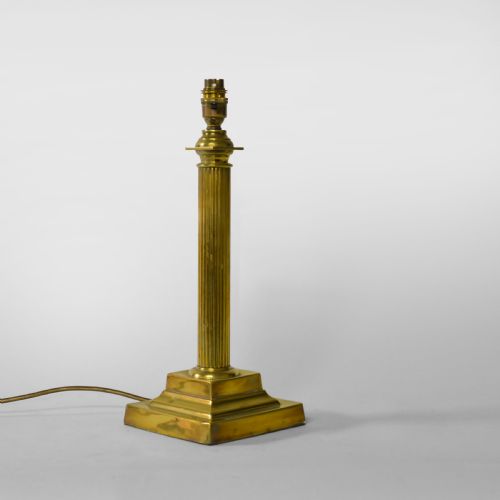


Fluted Brass Lamp Base
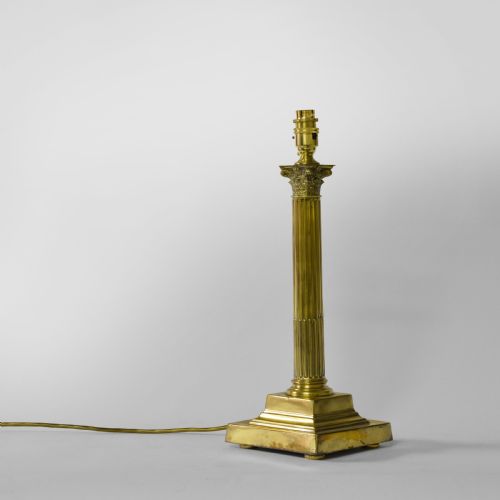
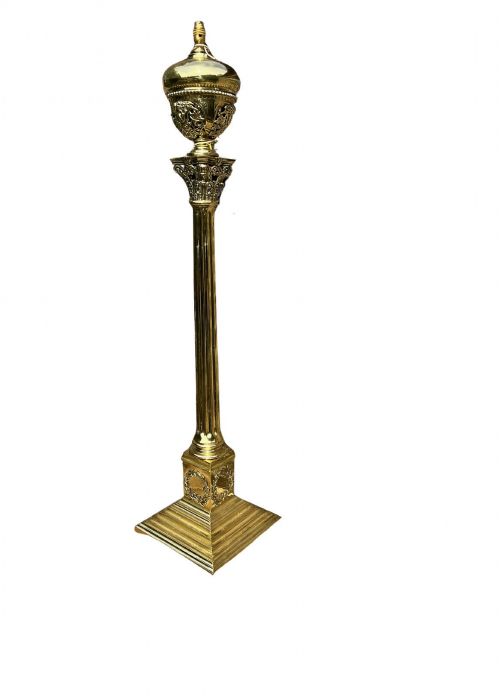
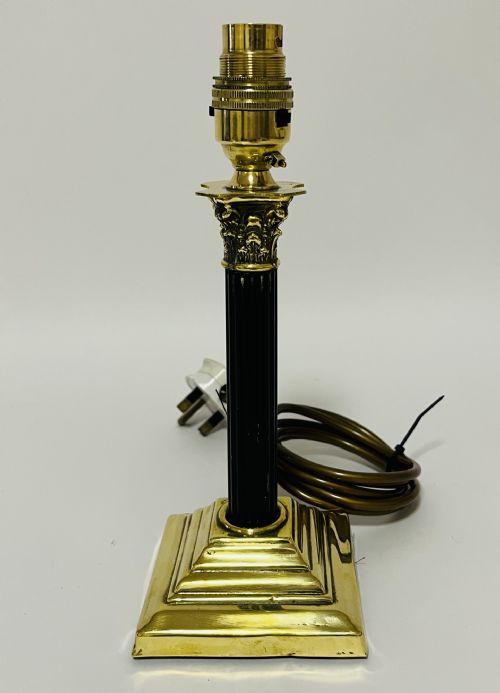
A fluted brass lamp base brings classical architectural weight to a room, offering warm metal reflection and steady height.
Fluted Brass Lamp Base
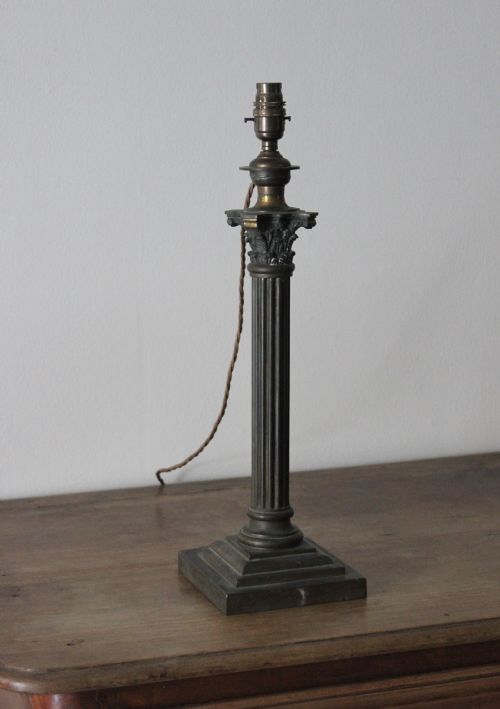
A fluted brass lamp base draws on classical architecture, taking the form of columns with vertical grooves that catch the light. You will frequently meet these pieces from the Victorian era up through the 1930s, ranging from modest desk lights to tall standard lamps.
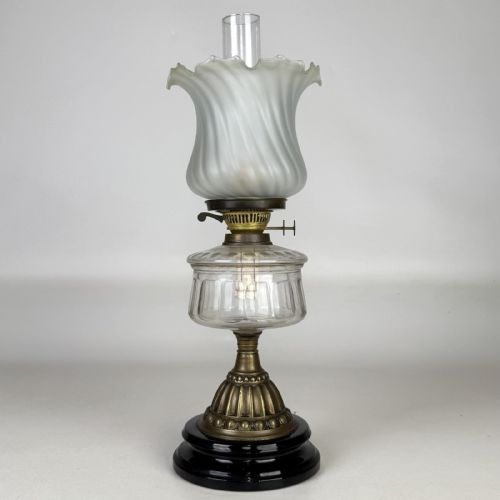
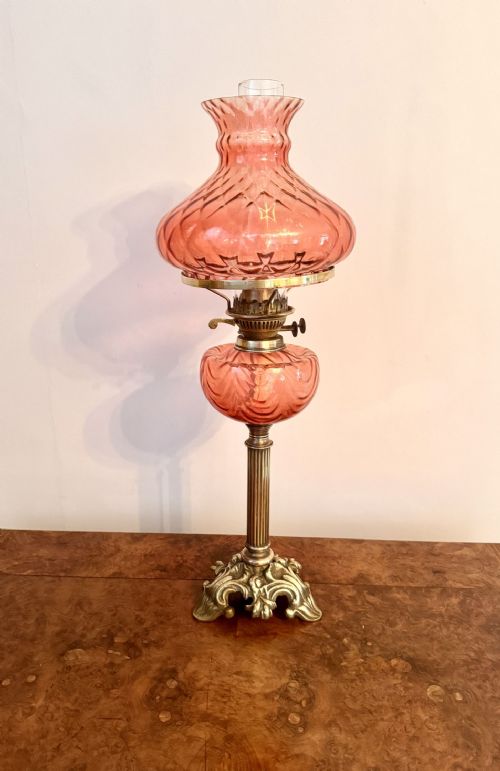
Many examples begin life as oil lamps or church candlesticks before conversion to electricity, while others are built specifically as table lamps or floor standards. The design vocabulary leans heavily on neoclassical revivals, ionic capitals, and corinthian column orders.
Proportions vary from small bedside heights to grand floor-standing pieces. The metalwork often pairs with glass reservoirs, ceramic bodies, or fabric shades to complete the assembly.
Materials and construction
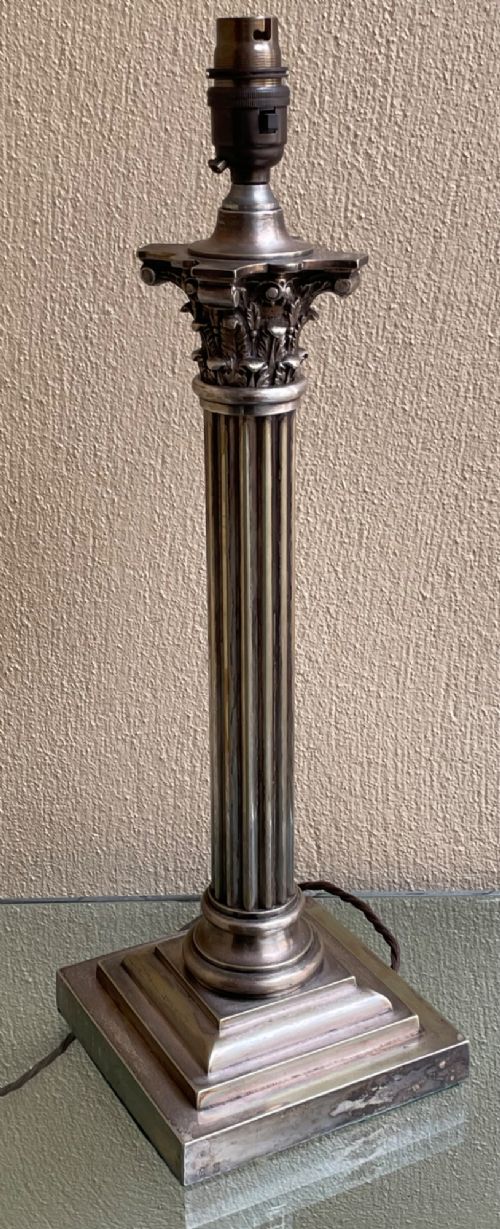
Makers utilise solid brass and cast metal, sometimes applying silver plate or gilt bronze finishes over the base material. Columns are often cast in sections and threaded together, supporting heavy cast brass capitals with distinct architectural detail.
Fluted Brass Lamp Base Retail Price Guide 2026
Typical asking prices for fluted brass lamp base among the pieces listed under this phrase on Sellingantiques today, from the lower quarter to the upper quarter. They describe what is for sale here now, not the wider market.
The listings span the Victorian period through the 1930s, featuring brass, glass, fabric, ceramic, and silver plate.
Judging quality
Quality rests in the crispness of the casting and the weight of the metal. Fine pieces show sharp, deep fluting and well-defined acanthus leaves on the capitals, whereas lesser examples rely on softer, shallower stamping.
The choice of secondary materials marks the tier of the piece. Superior examples incorporate heavy cut glass, quality porcelain like Porcelain de Paris, or substantial bronze rather than thin electroplated sheet metal.
JOSEPH HINKS
The Fluted Brass Lamp Base Glossary
- Corinthian column
- A classical architectural order featuring ornate capitals decorated with rows of acanthus leaves. This motif appears frequently on nineteenth-century table and standard lamps.
- Ionic column
- A classical order recognisable by the scroll-like volutes on its capital. These form the architectural inspiration for many Victorian metal lamp bases.
- Standard lamp
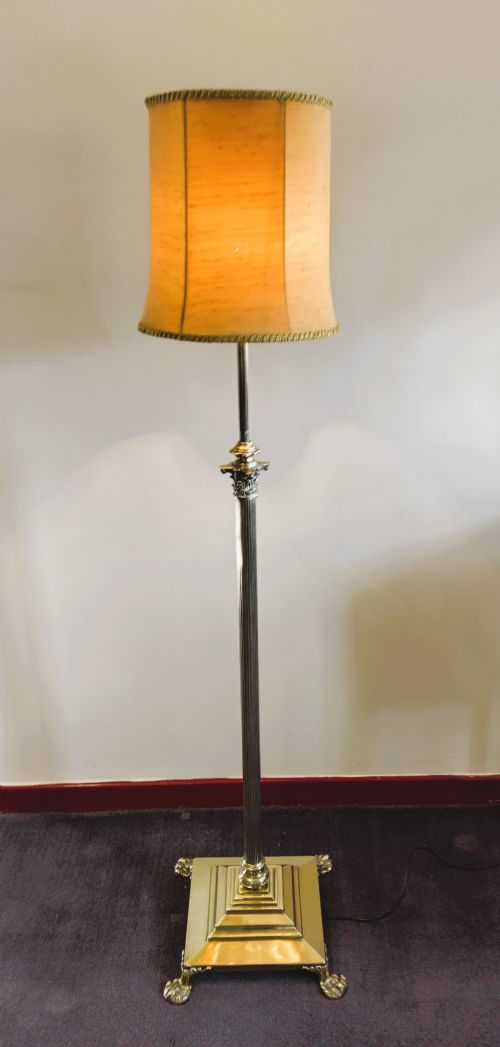
- A tall floor-standing lighting fixture designed to illuminate a wider room space. They often employ heavy weighted bases to maintain stability at height.
- Reservoir
- The container originally intended to hold lamp oil before conversion to electricity. These are frequently formed from cut glass or opaline.
Fluted Brass Lamp Base: Frequently Asked Questions
Are these lamps converted from oil lamps?
Many examples on offer began their working lives as oil lamps or church candlesticks before receiving modern electrical fittings. The presence of a glass or metal reservoir often points to this previous function.
Conversion is standard practice for pieces originating in the nineteenth and early twentieth centuries, allowing them to serve safely in modern domestic settings.
How do I date a brass column lamp?
Dating relies on observing the casting quality, the style of the classical revival, and the secondary materials used in the construction. Victorian examples frequently display heavy cast brass and detailed corinthian capitals.
Later pieces from the 1920s and 1930s introduce art deco influences or simpler columnar forms paired with different ceramic bodies.
What is a standard lamp?
A standard lamp is a tall floor-standing lighting piece designed to stand directly on the floor rather than a table or desk. These pieces require substantial weight in the base to support their height safely.
Examples in the evidence include adjustable height models and classical column designs from the late Victorian and interwar periods.
Do standard lamps have adjustable heights?
Certain floor standards and table models incorporate telescopic mechanisms allowing the overall height to change. This feature is particularly common on heavy brass standard lamps from the Victorian and 1930s periods.
These adjustable mechanisms require careful handling to preserve the internal threading and metal columns during operation.