


Flower Study Print
A flower study print brings botanical observation indoors, offering framed watercolours and engravings that capture natural specimens across multiple centuries.
Flower Study Print
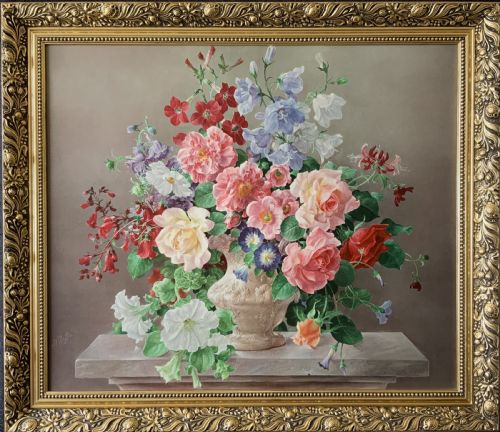
A flower study print encompasses framed watercolours, gouache paintings, oil paintings, and hand-coloured engravings depicting botanical specimens. These works range from mid-eighteenth-century plates to nineteenth-century watercolours and twentieth-century interpretations.
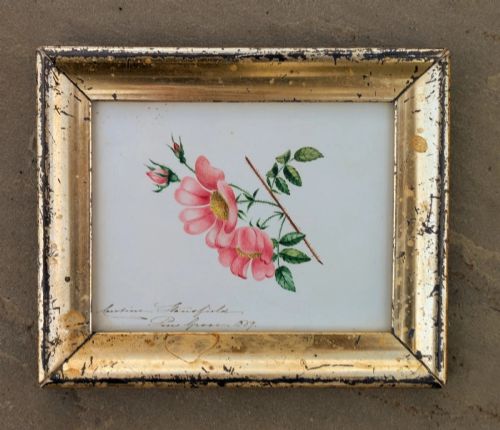
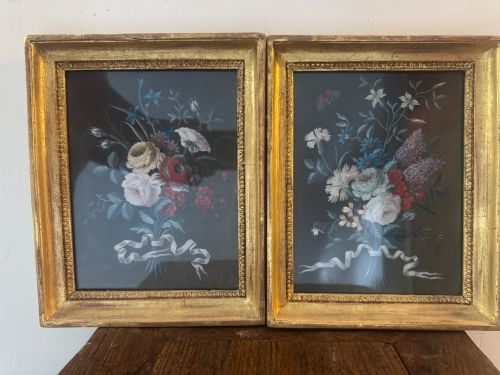
Buyers encounter distinct forms including single botanical watercolours, framed pairs of floral still lifes, and sets of specimens. The selection spans Victorian botanical pieces, Regency works, and English country house styles.
Originating primarily from nineteenth-century and earlier traditions, these framed artworks preserve detailed floral studies on paper and canvas. The physical items combine historical illustration techniques with period framing in wood and gilt wood.
Materials and construction
Makers utilised paper, canvas, and glass to create and protect these floral works. Pigments applied through watercolour, gouache, and oil painting define the hand-painted examples.
Engraving plates received hand-colouring to produce botanical book illustrations like those from the eighteenth century. Gilt wood and standard wood frames complete the presentation of the art.
Haemanthus Colchici Foliis translates to blood lily leaves, starring on a hand-coloured engraving plate from seventeen-fifty.
Markers of distinction
Distinction rests on the precision of the botanical observation and the fidelity of the medium to the original specimen. Hand-painted watercolours and gouache studies demonstrate individual artistic execution superior to mechanical reproduction.
The integration of period materials, such as original gilt wood framing and well-preserved paper supports, elevates the physical presence of the artwork. Attribution to named artists or historical botanical illustrators provides further substance.
Harold Clayton·Charlotte Isa James·Margaret Evangeline Wilson·M.K Rhodes·George Dionysius Ehret
The Flower Study Print Glossary
- Gouache
- An opaque watercolour paint that dries to a matte finish. This medium allows for saturated floral colours and precise botanical detail.
- Engraving
- A printmaking process where an image is incised onto a plate. Hand-coloured examples receive pigment by hand after printing.
- Oleograph
- A type of chromolithographic reproduction textured to imitate an oil painting. These prints emerged in the nineteenth and twentieth centuries.
- Botanical specimen
- A scientific or artistic rendering of a plant. These studies focus on accurate depiction of leaves, stems, and blossoms.
- Gilt wood
- Wood coated with a thin layer of gold leaf or metallic paint. Period frames often utilise this finish to enhance framed artwork.
Flower Study Print: Frequently Asked Questions
How do I date a flower study print?
Dating relies on the paper quality, framing style, and medium used in the artwork. Eighteenth-century pieces often derive from bound botanical plates with plate marks.
Nineteenth-century watercolours display period handwriting or signatures that help pinpoint their origin within the Victorian era.
What is the difference between watercolour and gouache?
Watercolour employs translucent pigments that allow the white of the paper to reflect light through the colour. This creates a luminous and delicate botanical rendering.
Gouache incorporates a binding agent that makes the paint opaque, permitting solid blocks of colour and fine highlights on darker paper surfaces.
How should I hang botanical art?
Botanical prints and paintings suit spaces that receive indirect natural light to protect the paper and pigments from fading. Hanging them away from direct heat sources preserves the wood and gilt frames.
Pairing works in sets or symmetrical arrangements echoes the traditional English country house aesthetic seen in historic interiors.
Are these pieces original art or prints?
The category includes both unique hand-painted works and printed reproductions. Items described as watercolours, oil paintings, and gouache are original one-off creations by artists.
Listings specifying engravings or oleographs represent printed editions, some of which feature hand-applied colouring or textured finishes.