



Florentine Style Pendant
These florentine style pendant and chandelier pieces bring striking Italian baroque character and gilded warmth to any room.
Florentine Style Pendant
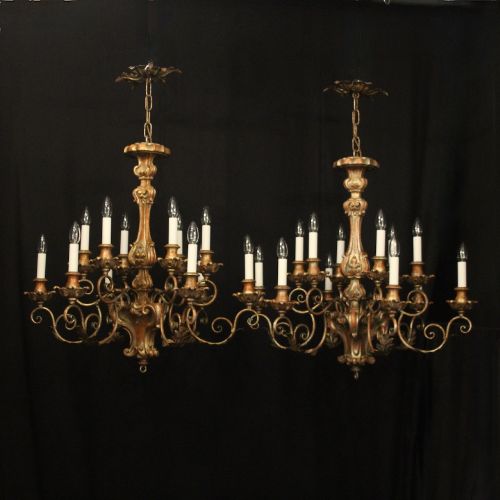
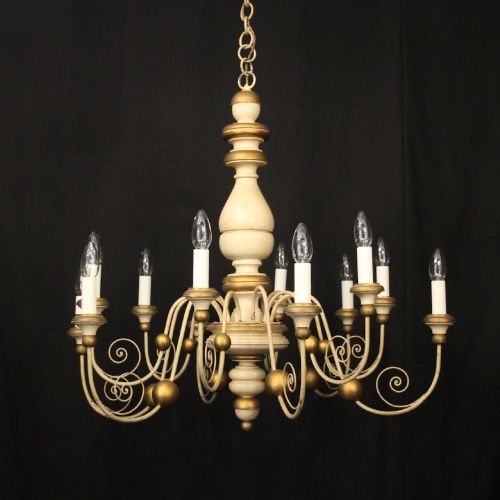
A florentine style pendant or chandelier embodies the ornate craftsmanship of Italian traditions, spanning from the eighteenth century through to the early decades of the twentieth century. These fixtures primarily take the form of grand chandeliers, multi-tiered hanging lights, and carved giltwood hanging lanterns.
The selections on this page feature robust creations from nineteen thirty and nineteen twenty, alongside earlier eighteenth-century examples and nineteen hundred designs. Buyers encounter polychrome finishes, gilded metalwork, and intricate wooden structures built for dramatic illumination.
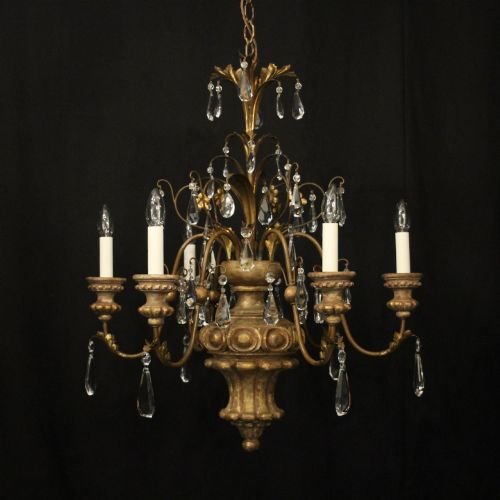
Most pieces display strong regional characteristics such as floral motifs, crystal beadwork, and wrought iron frameworks. They serve as central statement pieces within spaces dedicated to classical or eclectic interior design.
How they were made
Artisans constructed these lighting fixtures using carved wood, giltwood, and wrought iron as the foundational structural elements. Gold leaf and polychrome paint were then applied over these bases to achieve rich, reflective surface textures.
Glass and crystal components, including coloured crystal drops and beads, were integrated into the metal frames to diffuse light across multiple tiers. Skilled metalworkers shaped gilt metal and bronze to support heavy arrays of candle-style lights.
Florentine Style Pendant Retail Price Guide 2026
Typical asking prices for florentine style pendant among the pieces listed under this phrase on Sellingantiques today, from the lower quarter to the upper quarter. They describe what is for sale here now, not the wider market.
Listings feature items dated across the eighteenth century, nineteen hundred, nineteen twenty, and nineteen thirty.
What varies in quality
The depth and intricacy of the carving on wooden elements separate standard production from superior craftsmanship. Finer pieces demonstrate meticulous hand-carving in the giltwood and detailed application of gold leaf.
The complexity of the metal and glass assembly also determines the overall character of a fixture. Multi-tiered designs featuring extensive crystal beadwork and coloured crystal elements display a higher level of decorative ambition.
The Florentine Style Pendant Glossary
- Giltwood
- Wood that has been treated with a thin layer of gold leaf or gold paint. This technique provides a luminous, durable finish favoured in classical Italian furniture and lighting.
- Polychrome
- The practice of decorating architectural elements or objects in a variety of colours. It adds visual depth and realistic detail to carved floral and sculptural components.
- Gilt Metal
- Metal surfaces coated with a gold-coloured finish or plating. This material offers the luxurious appearance of solid gold while maintaining structural strength for hanging fixtures.
- Wrought Iron
- Iron that has been heated and hammered into shape by hand. This malleable material allows artisans to create sturdy, scrollwork-heavy frames for lanterns and chandeliers.
Florentine Style Pendant: Frequently Asked Questions
Where should I hang a large chandelier?
These grand lighting fixtures suit high-ceilinged entrance halls, spacious dining rooms, or living spaces with traditional architectural details.
Their substantial scale and intricate metalwork demand adequate clearance to serve as the visual anchor of the room.
How do I identify a period piece?
Examination of the construction materials, such as hand-carved giltwood and aged wrought iron, reveals the age of the fixture.
Stylistic cues like eighteenth-century Italian baroque forms or nineteen-thirty polychrome finishes further indicate the era of manufacture.
What maintenance do these fixtures require?
Regular dusting with a soft brush preserves the delicate gold leaf and polychrome surfaces of the carved wooden elements.
Crystal and glass components benefit from careful cleaning with appropriate solutions to maintain their refractive sparkle.
How were these lights originally used?
Large multi-light chandeliers and hanging lanterns illuminated grand interiors, aristocratic residences, and public spaces in Italy and France.
They provided both functional illumination and a display of wealth through ornate materials like crystal and gilded bronze.