

Carved Wood Lights
Carved wood lights deliver genuine warmth to a room through traditional craftsmanship and rich textures.
Carved Wood Lights
Originating from periods including the Victorian era, Edwardian times, and the eighteenth and nineteenth centuries, these items bring historical character directly into domestic interiors.
How they were made
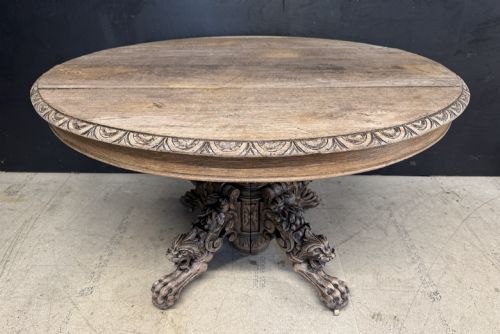
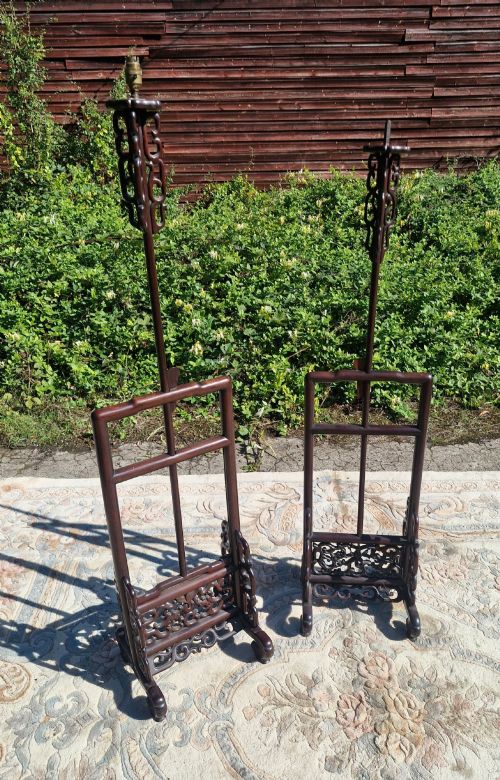
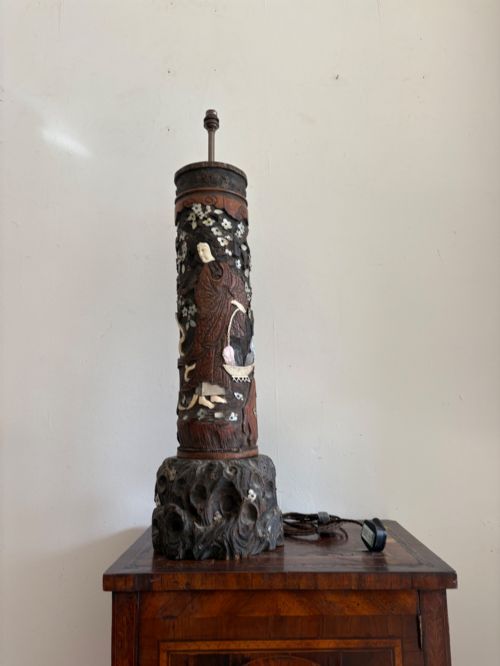
Artisans shaped these pieces using traditional woodworking techniques on materials such as oak, walnut, pine, and mahogany. Skilled hands carved intricate botanical motifs, figures, and structural details directly into the solid timber.
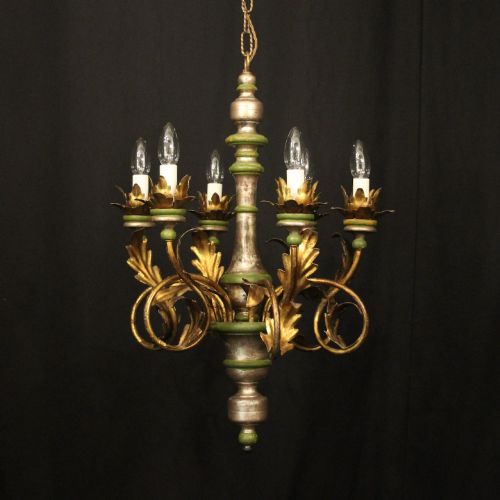
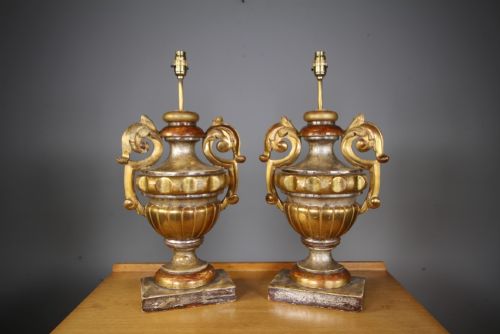
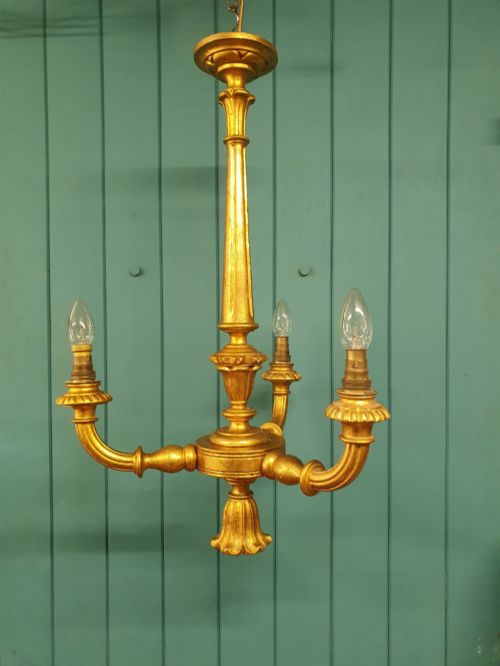
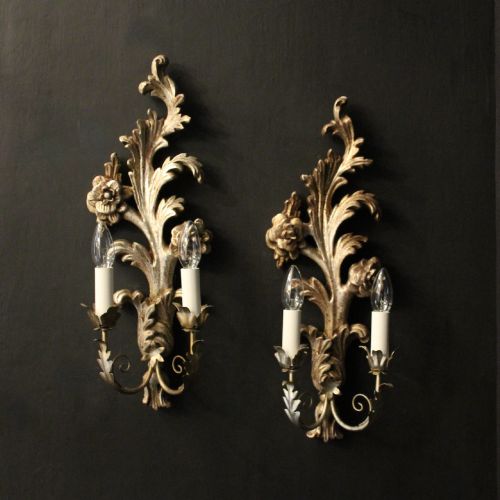
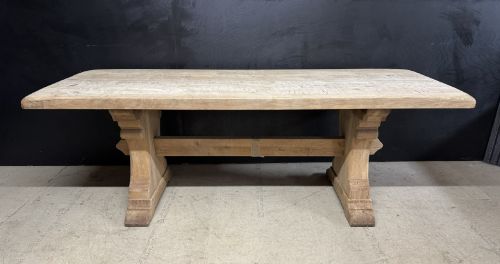
Many surfaces received layers of gesso before undergoing gilding with gold or silver leaf, creating reflective finishes common in Florentine and Italian Baroque lighting. Other pieces rely on the natural grain of bleached oak or polished walnut to provide visual depth.
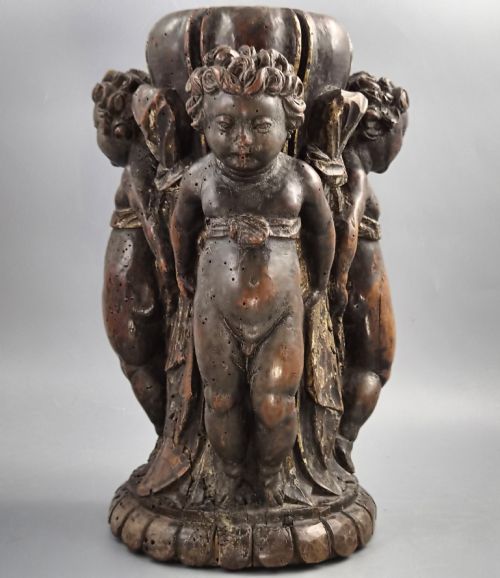
Several torchieres here quietly moonlight as seventeenth-century sculptural figures of putti, holding up the modern age with permanent expressions of heavy-lidded diligence.
What varies in quality
The finesse of the carving dictates the distinction between standard production and masterwork pieces. Crisp, deep relief work on wooden acanthus leaves or putti demonstrates superior artisan capability compared to shallow, mechanical shaping.
The integrity of the underlying material and the preservation of original giltwood or polychrome paint finishes determine the long-term character of each item. Complete sets of matching wall lights or paired torchieres naturally hold greater cohesion than assembled groups.
The Carved Wood Lights Glossary
- Giltwood
- Wood that has been coated with a thin layer of gold leaf or gold paint. This technique creates a luminous surface frequently utilised in ornate Italian wall sconces and chandeliers.
- Torchiere
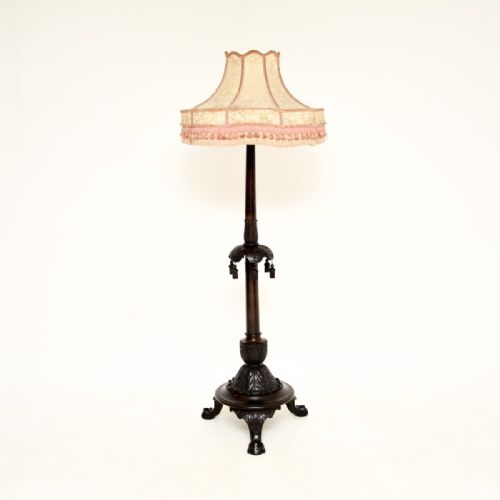
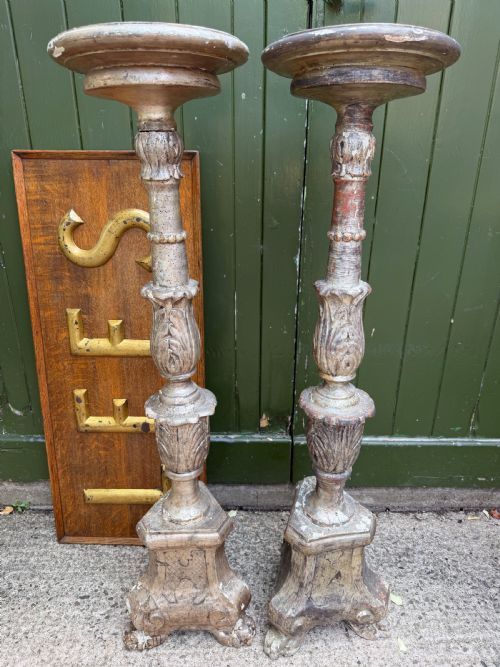
- A tall standing candle-stand or lamp base designed to direct light upwards. Eighteenth and nineteenth-century examples often feature elaborate carved figures or twist columns.
- Girandole
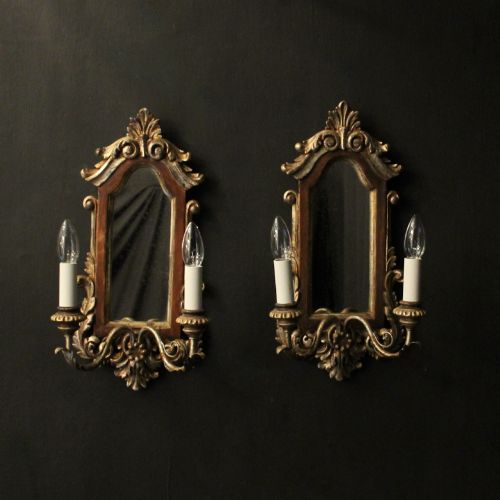
- An ornamental wall-mounted bracket holding candles or lights, usually incorporating a mirror. The reflective glass multiplies the illumination within the room.
- Gesso
- A plaster-like mixture applied to wood surfaces as a base for paint or gilding. It provides a smooth ground for intricate surface decoration.
- Pricket
- A sharp metal spike on a candlestick or sconce designed to hold a candle in place. Older ecclesiastical and domestic lights frequently employ this method.
Carved Wood Lights: Frequently Asked Questions
How do I wire antique wooden lamps?
Many older floor lamps and table lights undergo rewiring to meet modern safety standards while retaining their original wooden columns. Professional electricians can thread modern cords through existing internal channels without altering the exterior wood.
For converted candle stands or torchieres, careful placement of discreet internal wiring preserves the sculptural integrity of the antique base.
Where should I place wall sconces?
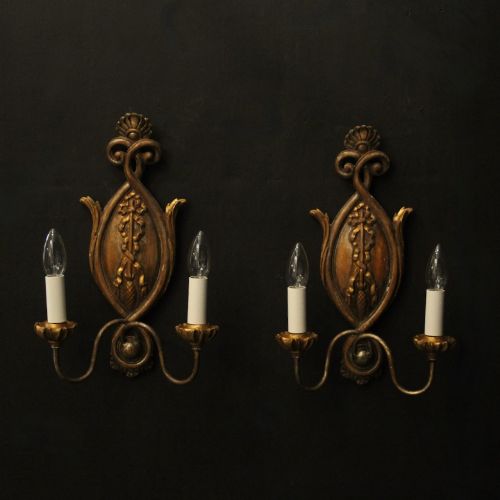
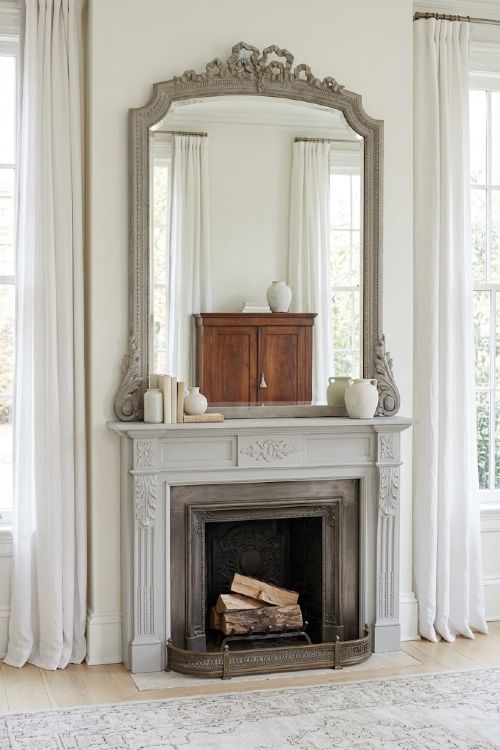
Wall lights and girandoles suit flanking positions around fireplaces, mirrors, or large doorways to create balanced ambient illumination. Placing them at eye level ensures the carved wooden details and gilded surfaces catch the available light.
Pairs of twin-arm sconces work particularly well in dining rooms and hallways where symmetrical arrangement enhances the period aesthetic.
How do I clean carved wooden lights?
Dust accumulated in intricate wooden carvings requires a soft-bristled brush or a dry microfiber cloth to prevent damage to the delicate relief work. Avoid harsh chemical cleaners, especially on giltwood or silvered surfaces where moisture can lift the finish.
Gentle maintenance preserves the patina built up across centuries on oak, walnut, and painted surfaces.