



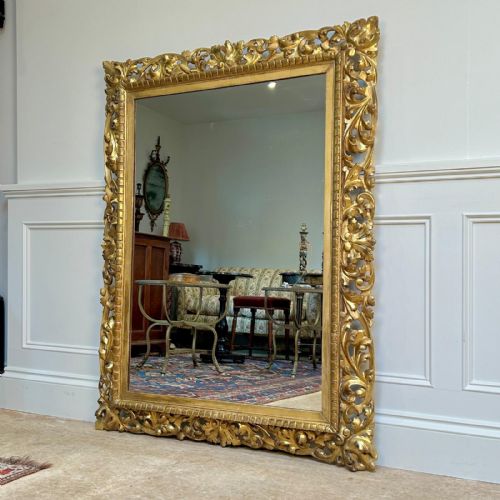
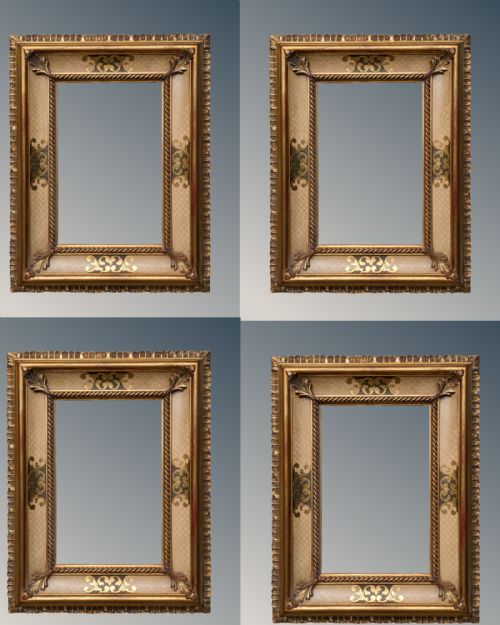


Florentine Framed Mirror
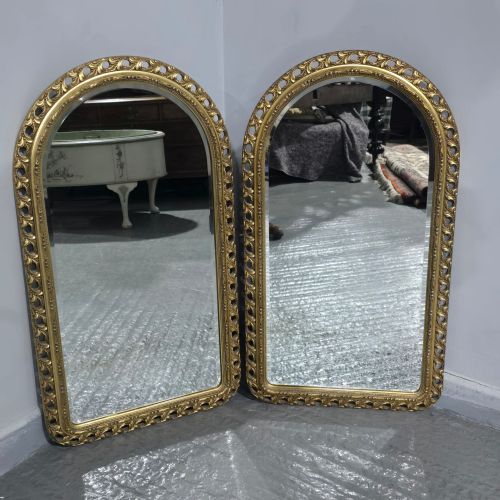
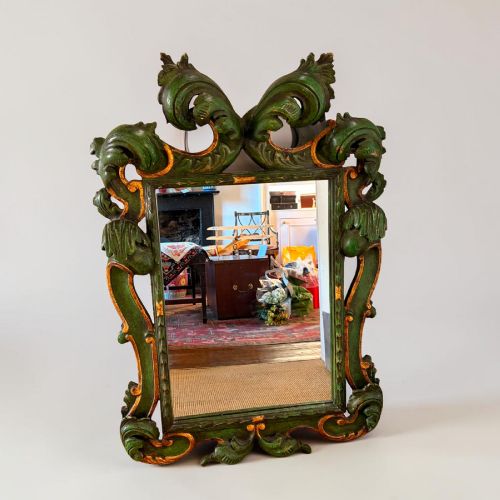
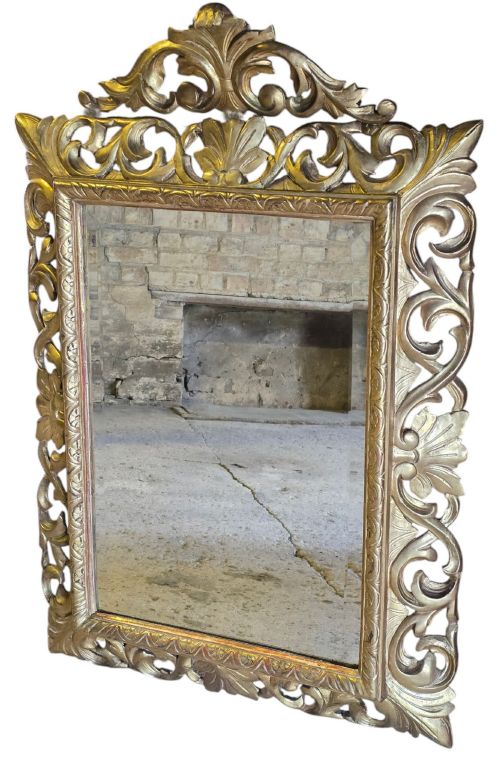
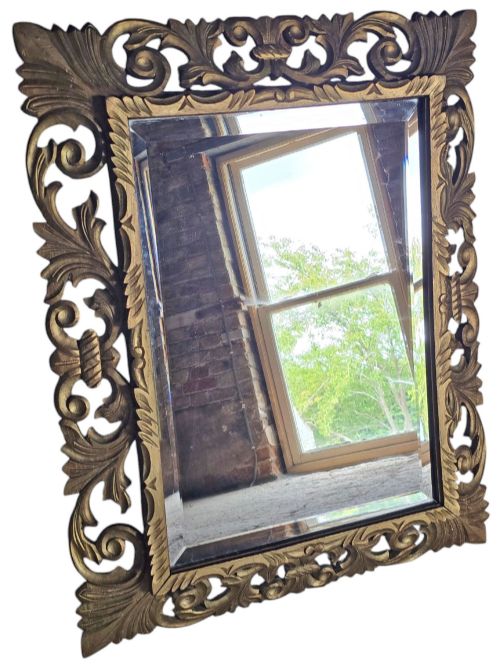
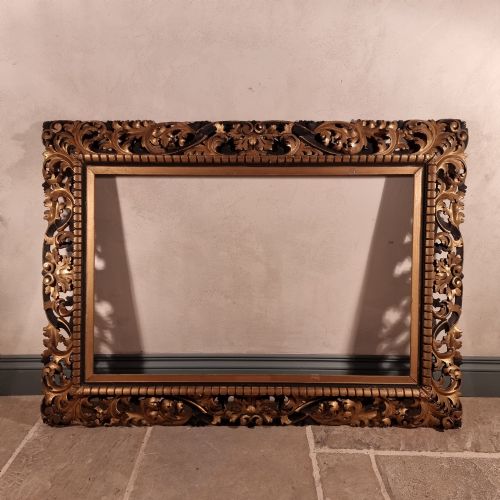
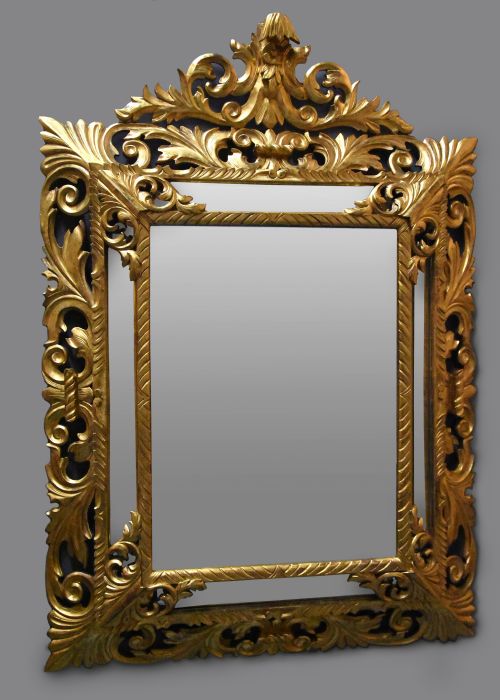
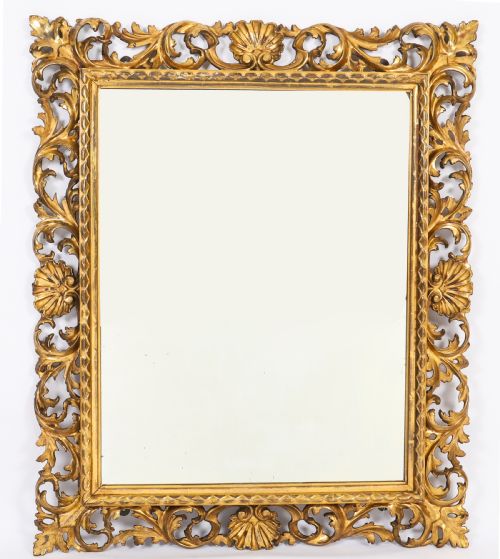
A florentine framed mirror brings theatrical Italian carving and deep gilded surfaces into a room.
Florentine Framed Mirror
A florentine framed mirror draws on centuries of Italian design, appearing mostly in styles from the nineteenth century alongside pieces from 1920, 1930, 1910, 1880, 1860, and the eighteenth century. These objects function primarily as wall mirrors, overmantle mirrors, and girandoles, while picture frames also emerge from the evidence.
Makers and artisans structured these frames with deep bevelling and cushion profiles that catch candle or daylight. Such pieces range from modest oval wall formats to grand rectangular overmantles carved with fruiting vines.
Materials and technique
Makers built these frames using carved wood, giltwood, and gesso applied over a wooden base. Artisans then added gold leaf, paint, and metal elements to build up the heavy ornamentation characteristic of the Italian workshops.
Carving required skilled hand work to achieve the intricate foliage, scrolls, and pierced details seen across the styles. The application of gesso provided a smooth ground for the gilding, which catches light across the complex relief.
Florentine Framed Mirror Retail Price Guide 2026
Typical asking prices for florentine framed mirror among the pieces listed under this phrase on Sellingantiques today, from the lower quarter to the upper quarter. They describe what is for sale here now, not the wider market.
Several pieces are carved with fruiting vines, bringing a fruitful harvest permanently indoors.
What varies in quality
The depth and crispness of the hand carving separate standard frames from superior examples. Better pieces retain sharp undercut foliage and secure gesso without heavy filling over worn wood.
The quality of the gilding and the preservation of the original glass surface heavily influence the character of each piece. Finer mirrors show harmonious ageing across the gold leaf and the underlying preparation layers.
The Florentine Framed Mirror Glossary
- Giltwood
- Wood carved and coated with gold leaf or metal powder over a prepared ground. This material defines the luminous appearance of most Florentine frames.
- Gesso
- A plaster mixture applied to wood and carved to create crisp decorative relief before gilding. It allows for intricate scrollwork and fine detail.
- Girandole
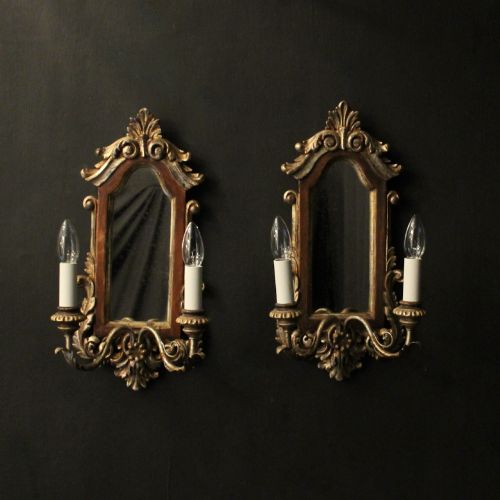
- A wall mirror featuring attached candle branches or sconces. These paired fixtures doubled the reflection of light in dimly lit rooms.
- Overmantle
- A large horizontal mirror designed to hang directly above a fireplace mantel. They act as major focal points within a room's decorative scheme.
Florentine Framed Mirror: Frequently Asked Questions
How do I hang a heavy giltwood mirror?
These heavy frames require secure wall fixings distributed into solid masonry or structural studs. Professional installers use appropriate brackets matched to the weight of the wood and glass.
Position the mirror at a height that balances the proportions of the surrounding room and fireplace. Ensure the hanging wire or mirror plates are rated well above the actual weight of the piece.
How should I clean the antique glass?
Use a soft microfibre cloth slightly dampened with distilled water to remove dust from the glass surface. Avoid spraying liquids directly onto the mirror plate to prevent moisture seeping behind the silvering.
Keep cleaning solutions away from the surrounding giltwood and gesso. Chemical solvents can damage fragile gold leaf and soften historical preparation layers.
Are these mirrors suitable for bathrooms?
High humidity and fluctuating temperatures can damage antique gesso and gold leaf over time. Placing these frames in steam-heavy environments risks lifting the historical gilding from the wood.
Dry interior rooms with stable climates provide the best environment for preserving antique wood and glass. Display them in hallways, living rooms, or bedrooms where moisture remains low.
How do I identify a Florentine style frame?
Look for dense carved foliage, scrolling cartouches, and heavily textured gilt surfaces that reflect Italian design traditions. These frames often feature cushion profiles or pierced wooden mounts without flat borders.
Compare the motifs against known nineteenth-century Italian revival pieces in the evidence. Authentic examples display the characteristic hand-worked tool marks beneath the gesso and gold leaf.