


Florentine Carved Light
Florentine carved light pieces bring Italian craftsmanship into rooms through gilded wood and ornate wall sconces, chandeliers, and lamps.
Florentine Carved Light
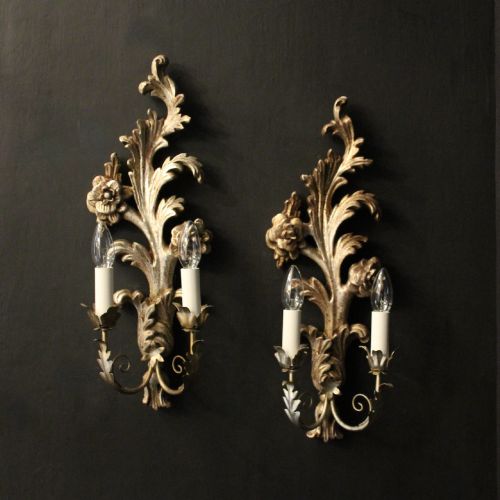
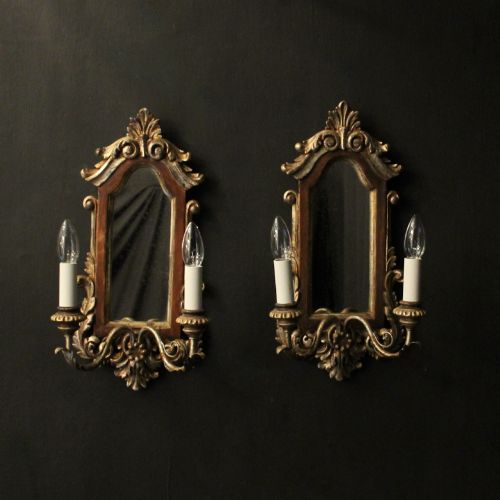
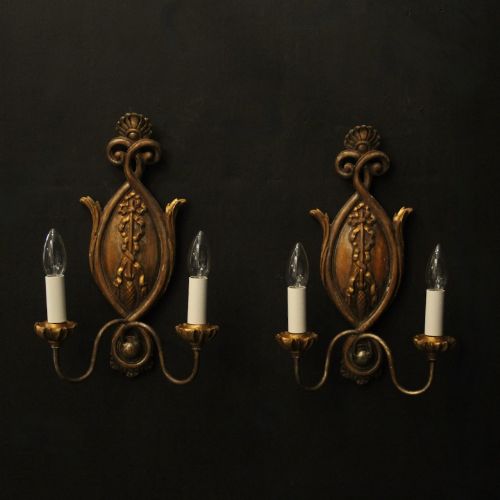
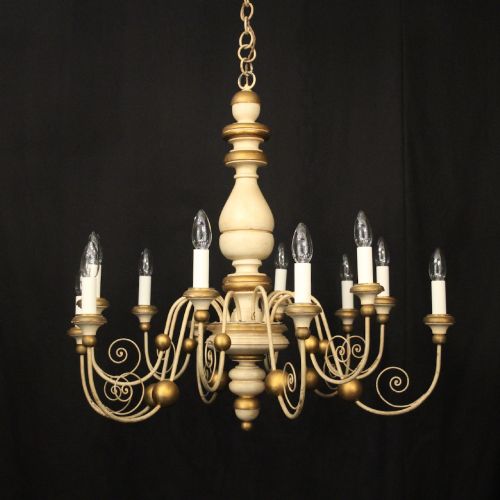
A Florentine carved light brings ornamental Italian design into domestic spaces through items such as wall lights, chandeliers, floor lamps, and girandoles. These pieces trace their origins from the eighteenth century through the Edwardian era and into the 1930s, reflecting historical Italian aesthetics.
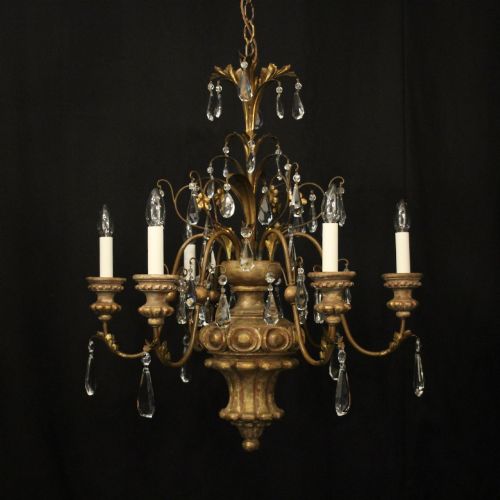
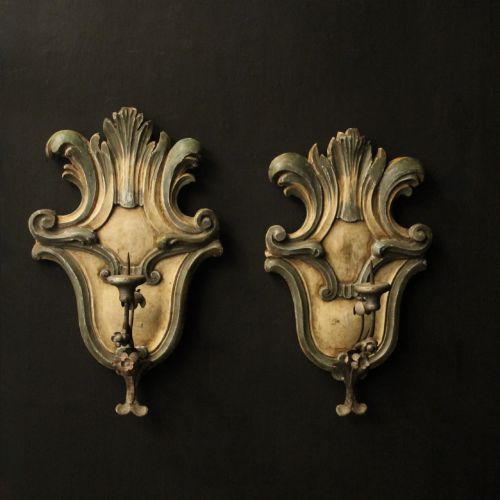
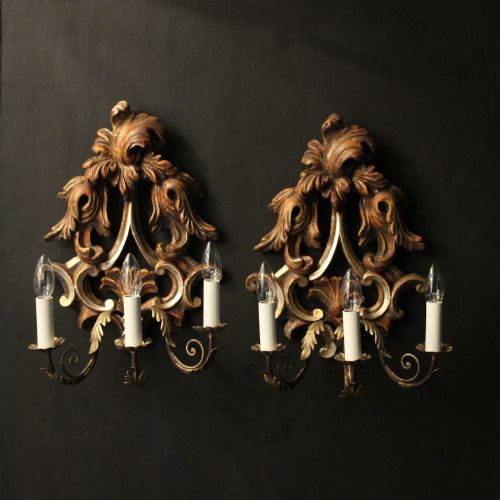
Buyers most frequently encounter twin arm and triple arm wall lights finished in giltwood or polychrome schemes. Larger installations like multi-light chandeliers and standard lamps also appear, often bearing traditional Florentine and Baroque stylistic traits.
Materials and construction
Artisans built these fixtures using wood and carved timber bases, applying gesso to smooth surfaces before finishing them with gold leaf, silver leaf, or polychrome paint. This layered application created rich metallic sheens suited to ornate interiors.
Metal components complement the carved wooden structures in supporting multi-light arrangements, while glass elements integrate into hanging lanterns and select lamp designs.
Even a lone wooden fruit basket managed to sprout arms and turn into a wall light in the archive.
Assessing quality
The sophistication of the hand carving dictates the visual strength of each piece, distinguishing finely detailed foliage and structural moulding from simpler ornamentation. Superior examples display crisp definition across every carved wooden contour.
The application and preservation of the giltwood or polychrome surface layers also define the grade of an object. Intact gold leaf and balanced polychrome decoration hold their visual depth far better than worn or poorly restored finishes.
The Florentine Carved Light Glossary
- Giltwood
- Wood that has been coated with gold leaf or a gold-coloured finish. This technique creates a luminous surface that catches candlelight or electric light in grand interiors.
- Girandole
- An ornamental branched wall light featuring a mirror or reflective backing. These fixtures maximise illumination in smaller reception rooms.
- Polychrome
- Decorated in multiple colours. This painted finish often accompanies gilding on Italian wooden light fittings.
- Pricket
- A candleholder featuring a central spike to secure the candle. These appear on early ecclesiastical and domestic sconces.
- Gesso
- A plaster mixture applied to wood as a base for gilding. It provides a smooth surface for intricate carving details.
Florentine Carved Light: Frequently Asked Questions
How do I date a Florentine carved light?
Dating relies on stylistic markers and material evidence spanning from the eighteenth century to the 1930s. Earlier examples often show Baroque or Rococo influence in their heavy carving.
Later twentieth-century pieces from the 1920s and 1930s adopt similar traditional aesthetics while accommodating contemporary wiring methods. Examining the underlying wood and gesso helps confirm the age of the piece.
What is the difference between a sconce and a girandole?
A wall sconce is a fixed lighting fixture mounted directly to a vertical surface to hold candles or electric lamps. These units focus purely on the bracket and arm structure.
A girandole incorporates a reflective plate or mirror behind the arms to enhance the spread of light within a room. Both forms utilise carved giltwood construction in traditional Italian interiors.
Where should I place a Florentine chandelier?
Large multi-light chandeliers suit principal reception rooms with high ceilings where their substantial drop and detailed gilding remain visible. They function as central decorative focal points.
Smaller multi-arm variants fit comfortably above dining tables or within entrance halls. Their polychrome and gold leaf finishes complement traditional period decor.
Are these lights wired for modern use?
Many surviving examples have been adapted for electricity during the twentieth century while retaining their original nineteenth-century or earlier wooden frames. Rewiring is often updated to meet safety standards.
Some pieces retain candle-only formats, particularly pricket sconces and select historical wall lights. Buyers should check individual wiring specifications before installation.