


Florentine Ceiling Fixture
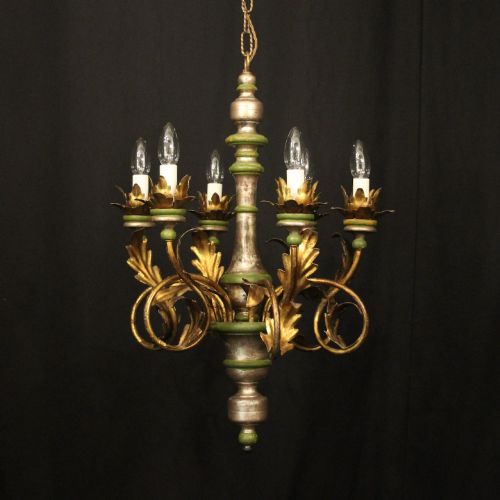
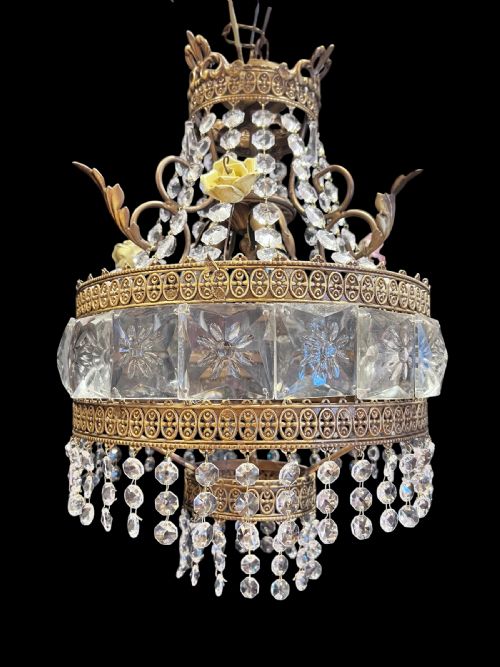
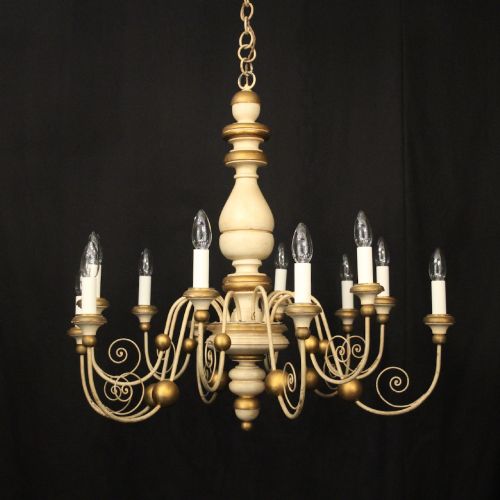
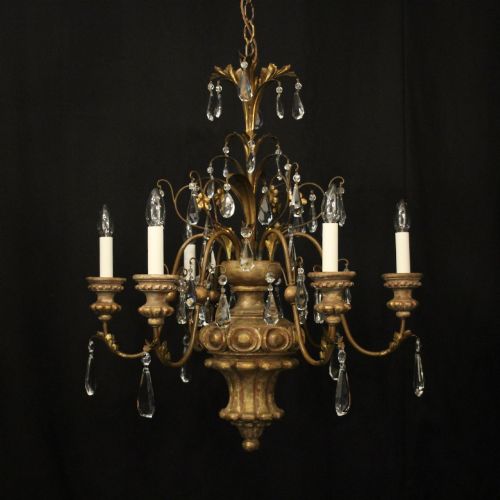
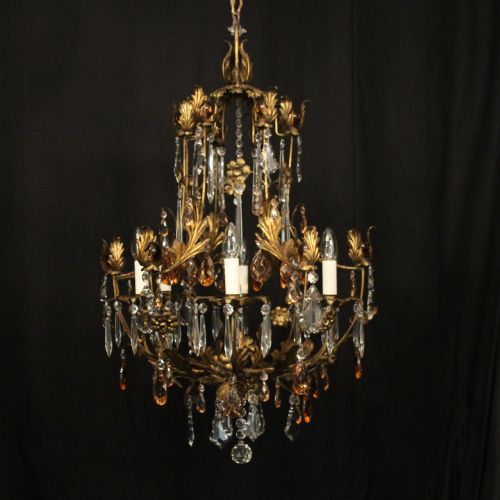
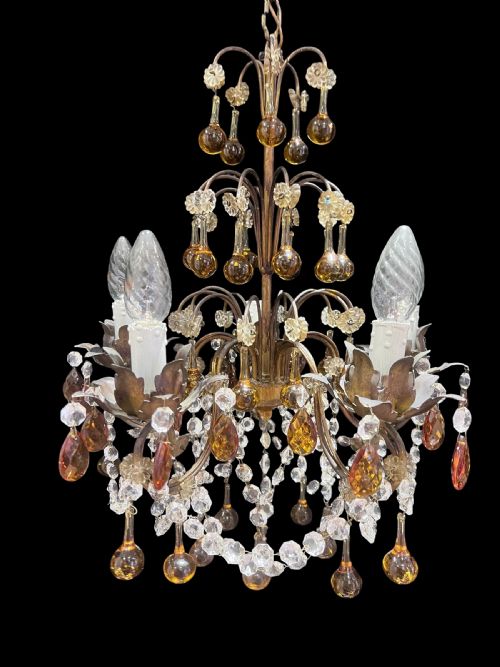
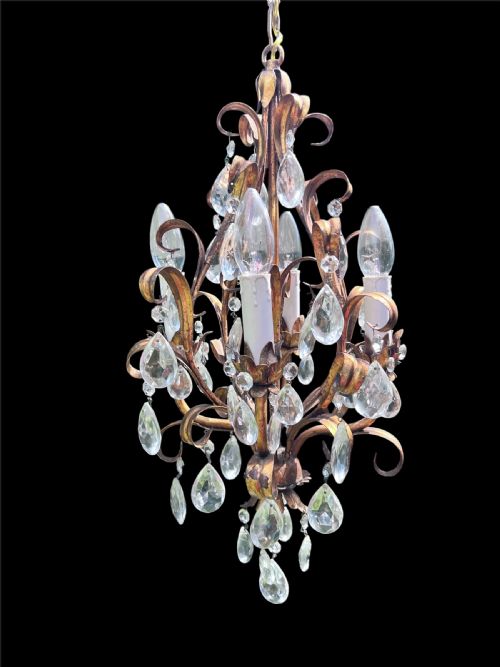
These florentine ceiling fixture examples bring ornate Italian lighting to a room, offering carved giltwood, crystal drops, and multiple candle arms.
Florentine Ceiling Fixture
A florentine ceiling fixture primarily takes the form of a multi-light chandelier or hanging lantern, designed to draw the eye upward in a grand interior. You encounter pieces spanning from the eighteenth century through the Edwardian era up to the nineteen-thirties, with the nineteen-twenties and thirties appearing most frequently.
The dominant aesthetic is distinctly Italian, featuring ornate carvings, leafy motifs, and gilt finishes that reflect southern European tastes. Many examples incorporate glass drops, porcelain flowers, or coloured crystals to catch and refract the light.
The scale ranges from intimate three-light pendants to grand twelve and eighteen-light double-tiered chandeliers suited for high ceilings. These fixtures serve as central decorative statements as much as they provide illumination.
How they were made
Makers constructed the structural frames primarily from carved giltwood, wrought iron, and gilt metal, applying gold leaf and polychrome pigments to achieve rich surface textures. Metal arms extend outward to support candle-style lights, occasionally augmented by bronze or silver gilding.
Decorative elements involve intricate hand-carving alongside applied glass, crystal drops, and porcelain components. Coloured fruits and beaded glass garlands are often suspended from the main framework to complete the opulent effect.
Listings feature periods ranging from the 18th Century and Edwardian era up to the 1930s.
What varies in quality
Quality rests heavily on the depth and refinement of the woodwork, particularly the crispness of the carving on giltwood frames and leafy motifs. Finer pieces display meticulous hand-applied gold leaf and sophisticated polychrome detailing rather than flat, uniform painting.
The composition and cut of the hanging elements also set tiers apart, with genuine crystal prisms and detailed porcelain flowers marking out the more ambitious workshops. Heavier gauge metalwork and balanced multi-tiered structures denote superior architectural ambition.
The Florentine Ceiling Fixture Glossary
- Giltwood
- Timber that has been treated with a thin layer of gold leaf or gold paint. This technique gives wooden frames the luminous appearance of solid gold while keeping the weight manageable for ceiling suspension.
- Polychrome
- Decorated in several colours. This surface treatment adds visual depth to carved wooden elements and floral details.
- Drop
- A suspended piece of glass or crystal designed to refract light. These elements hang from the arms and bobeches of the fixture.
- Lantern
- An enclosed hanging light fixture. These pieces feature glazed panels or open frames suspended by chains or rods from the ceiling.
- Tier
- A circular row of lights on a chandelier. Multi-tiered examples arrange these rows vertically to increase illumination and visual presence.
Florentine Ceiling Fixture: Frequently Asked Questions
How do I hang a heavy chandelier?
These large fixtures require secure anchoring into ceiling joists or the use of a heavy-duty ceiling rose and steel support bracket.
Professional installation is strongly advised due to the combined weight of carved wood, metal, and crystal components.
How are these lights cleaned?
Dust the giltwood and metal frame gently using a soft, dry brush to protect the delicate leaf surfaces.
Crystal drops and glass components can be wiped down with a mild glass cleaner applied to a cloth rather than sprayed directly.
What rooms suit these fixtures?
These grand Italian pieces fit well in high-ceilinged reception rooms, dining areas, and formal hallways where they act as focal points.
Their ornate presence pairs effectively with traditional interior schemes and period properties.
How do I date a fixture?
Look to the materials, wiring methods, and carving styles to establish a baseline era from eighteenth-century origins to the nineteen-thirties.
Italian Baroque and Rococo revival characteristics often point toward early twentieth-century interpretations of older designs.