

Traditional Pendant Fixture
A traditional pendant fixture brings overhead illumination and period character to a room, spanning Edwardian cut glass plafonniers to ornate French chandeliers.
Traditional Pendant Fixture
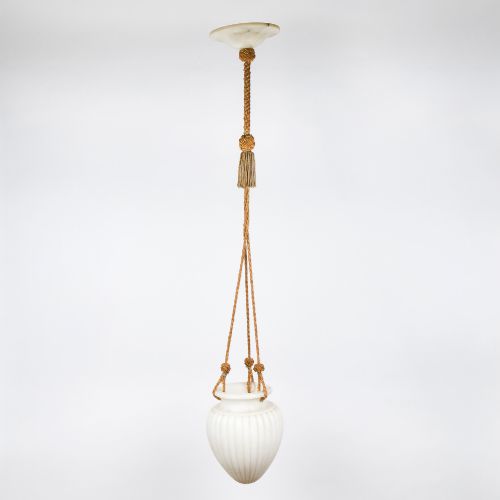
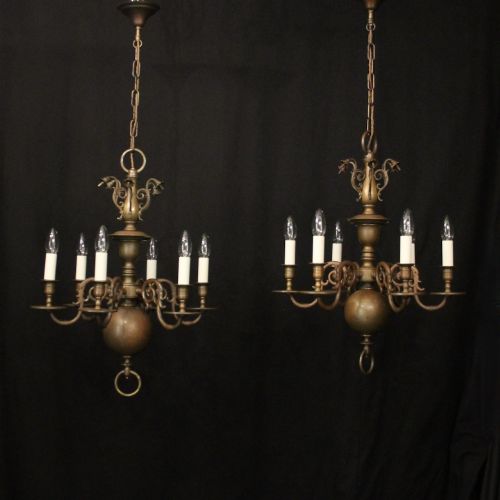
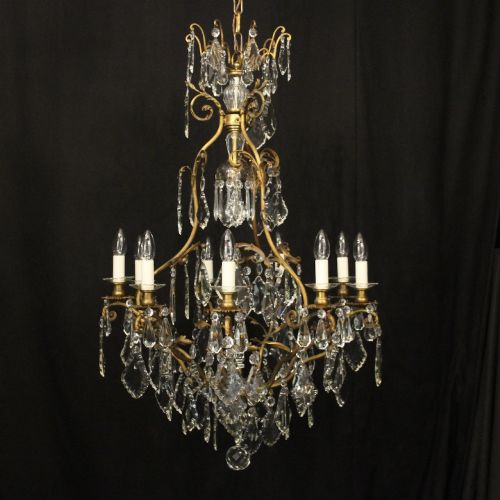
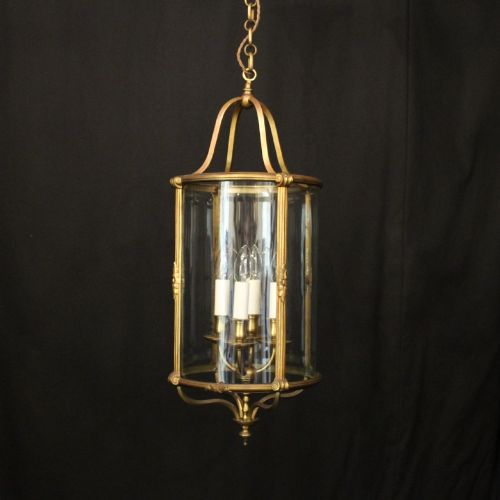
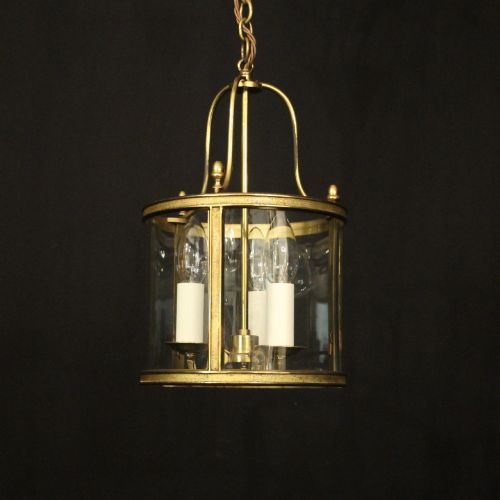
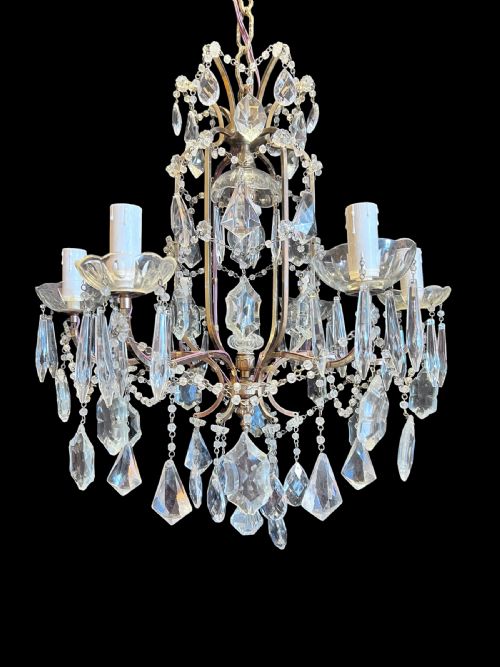
A traditional pendant fixture suspends from the ceiling to light a space, encompassing formats such as chandeliers, hanging lanterns, and plafonniers. These pieces derive from periods running from the nineteenth century through the nineteen-thirties, reflecting diverse regional tastes.
Makers and designers from the Edwardian era, Victorian period, and early twentieth century produced these works to anchor the illumination scheme of domestic interiors. Each format serves a distinct architectural purpose, from grand multi-light centrepieces to compact hallway fixtures.
How they were made
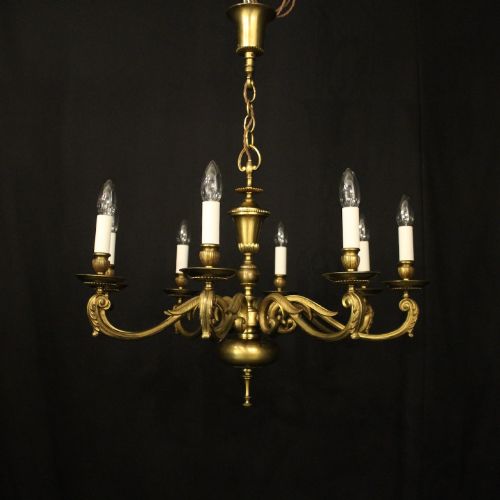
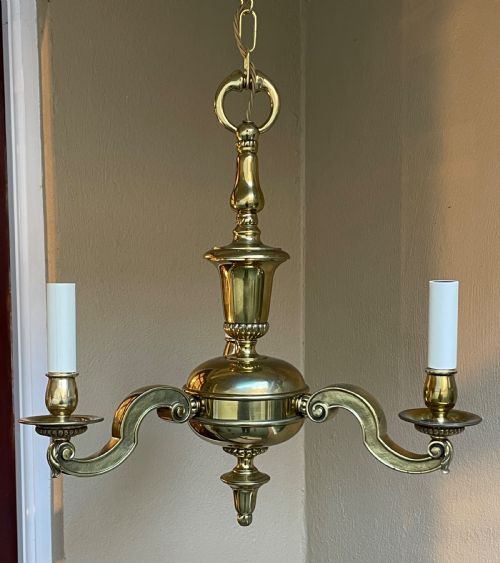
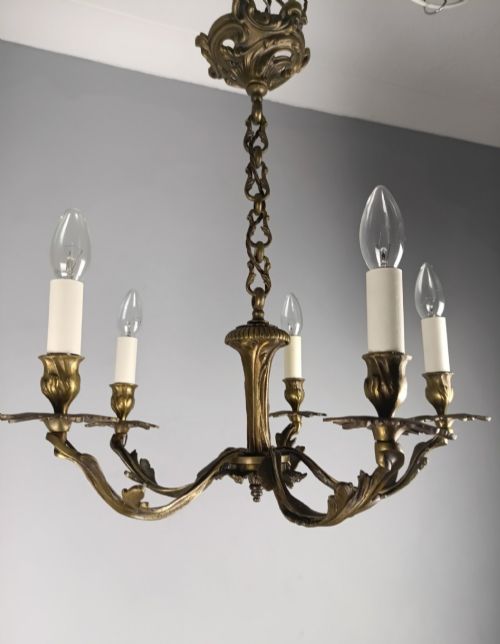
Metalwork forms the structural backbone of these fixtures, utilising cast and chased brass, copper, bronze, and gilt bronze. Artisans applied gilding or silvering to brass and bronze surfaces to achieve reflective qualities and decorative richness.
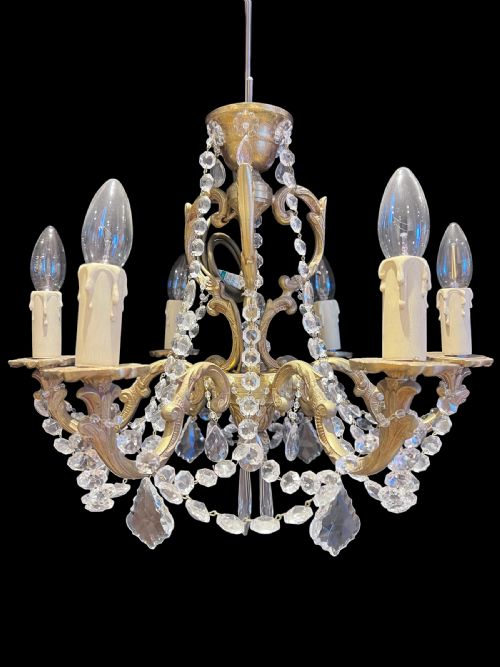
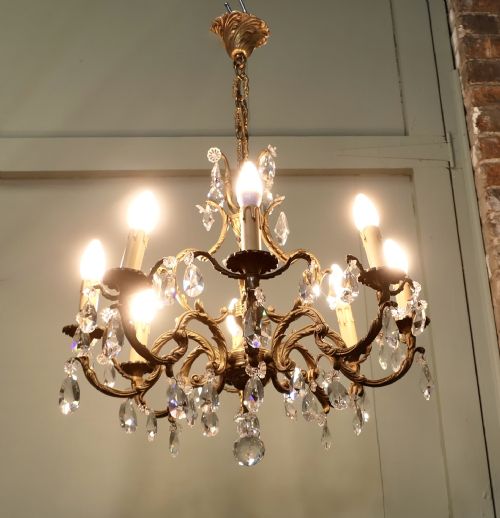
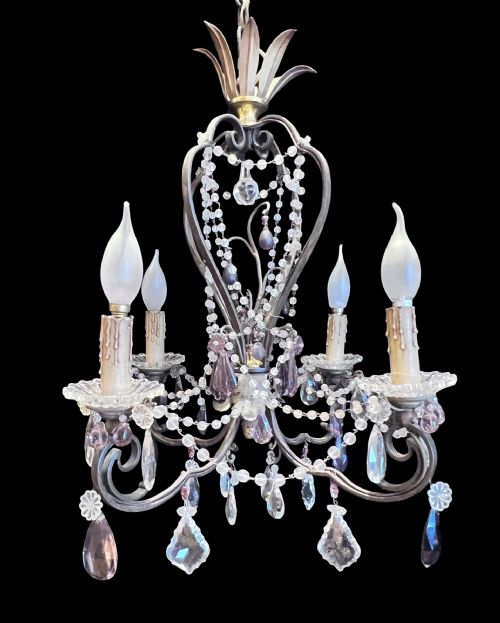
Glass and crystal elements contribute transparency and refraction, appearing as cut glass drops, crystal lustres, convex lantern panels, and moulded plafonnier bowls. Workshops combined these components with metal frames to distribute light effectively across a room.
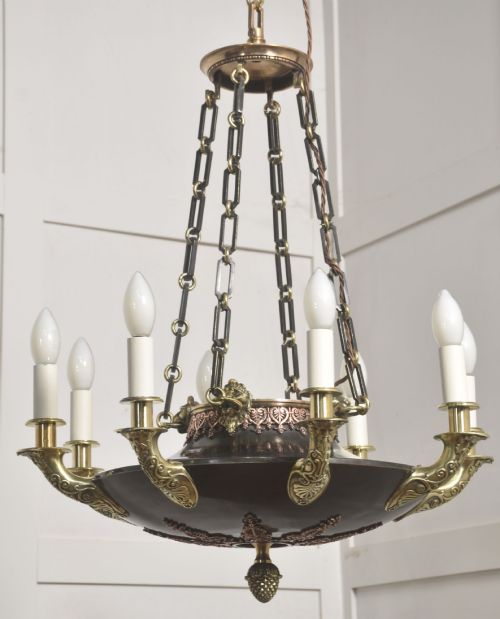
Stylistic influences represented in the current selection range from French Rococo and Empire Revival to Italian Florentine and English Classical forms.
What varies in quality
The refinement of the casting and metalwork separates standard fixtures from superior examples, with hand-chased bronze or heavy cast brass showing sharper detail. The quality of the glass or crystal components also dictates the tier of the piece, particularly where prisms and lustres are cut rather than moulded.
Coherence of design distinguishes finer pieces, where French neoclassical or empire revival motifs are executed with proportion and balance. The integration of coloured crystals or polychrome gilding further indicates the ambition of the original workshop.
The Traditional Pendant Fixture Glossary
- Plafonnier
- A ceiling light fixture mounted flush or close to the ceiling, typically featuring a moulded or cut glass bowl. These direct light downwards into the space.
- Lustre
- A cut glass pendant or drop hung from the arms of a chandelier to refract light. They catch and scatter illumination across the room.
- Hall lantern
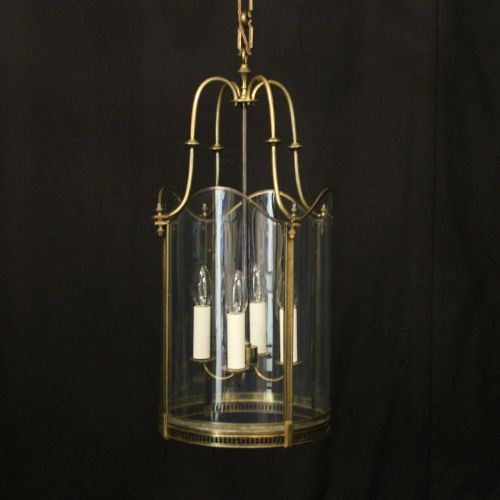
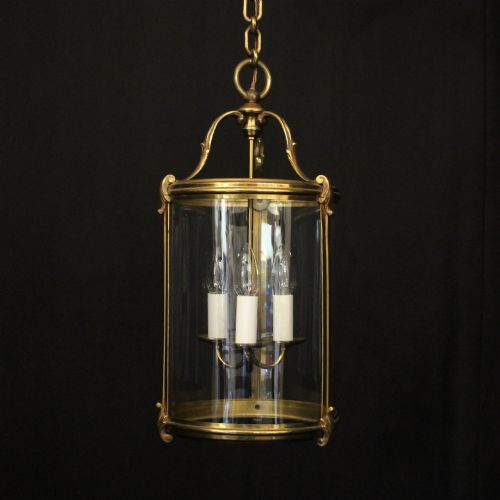
- An enclosed hanging light designed specifically for entryways and corridors. They often use convex glass panels within a brass or bronze frame.
- Gilt bronze
- Bronze metal treated with a thin layer of gold, providing a durable and decorative surface finish. It appears frequently in French lighting from the nineteenth and early twentieth centuries.
- Tent and waterfall
- A chandelier style featuring strings of beads draped in a tent shape above, flowing down into a cascade of crystals. This configuration creates a dense crystalline curtain.
Traditional Pendant Fixture: Frequently Asked Questions
Where should I hang a traditional pendant fixture?
These fixtures suit spaces with adequate ceiling height, such as dining tables, hallways, and living rooms where they serve as a focal point. Selecting the correct scale ensures the piece anchors the room without obstructing movement.
Larger multi-arm chandeliers require central placement in principal rooms, while compact lanterns suit narrower circulation areas like corridors and entry vestibules.
How do I identify an Edwardian ceiling light?
Edwardian pieces often feature cut glass plafonniers or refined brass frames that reflect the lighter domestic interiors of the early twentieth century. They avoid the heavier ornamentation of earlier Victorian works.
Look for clean lines in the metalwork and specific glass forms like acorn plafonniers which characterise the period output.
What is the difference between a lantern and a chandelier?
A chandelier uses multiple radiating arms to hold several light sources in an open arrangement. They emphasise metal branches and hanging crystal ornaments.
A lantern encloses its light source within glass panels held inside a rigid metal frame. This design originally protected candles or oil burners from drafts in hallways.
Can these fixtures be wired for modern electrical standards?
Most antique lighting adapts readily to contemporary wiring practices when handled by a qualified electrician. Components can be updated internally while preserving the exterior historic appearance.
It is standard practice to inspect the internal channels and lampholders during installation to ensure compliance with current safety regulations.