
Gilded Candle Chandelier
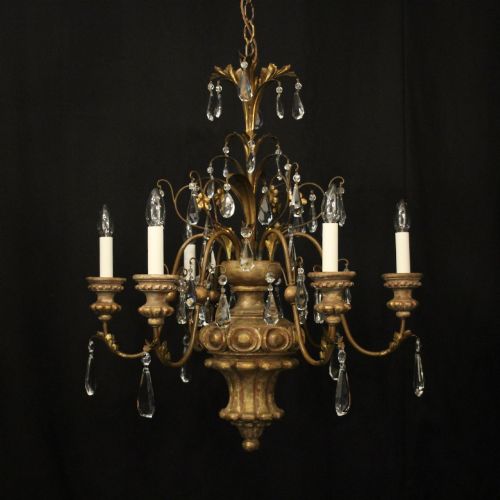
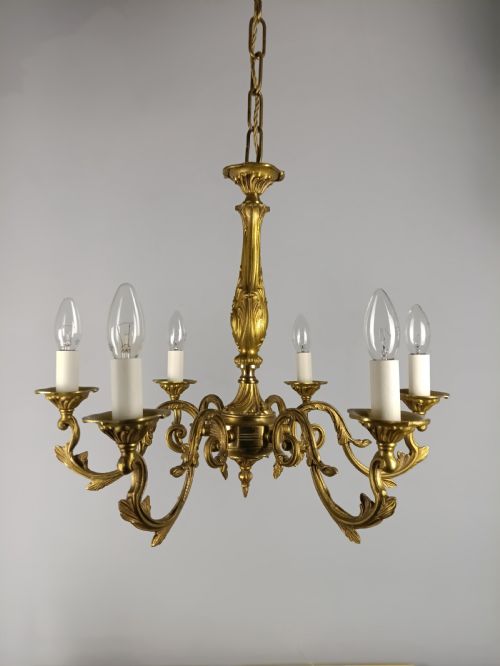
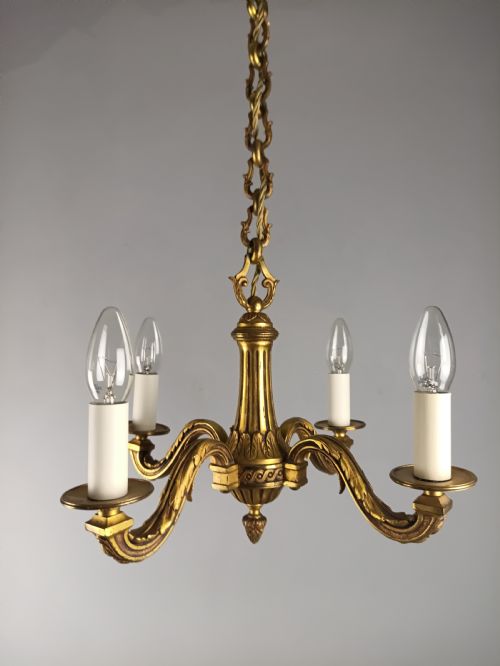
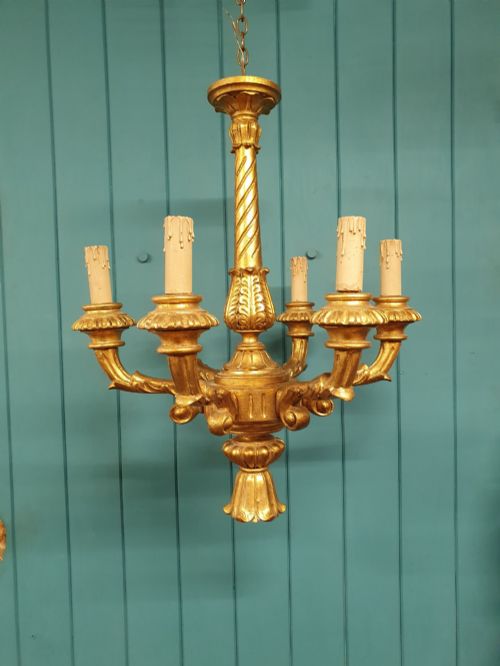
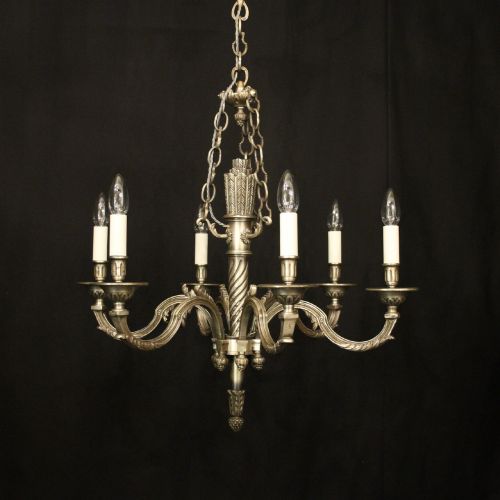
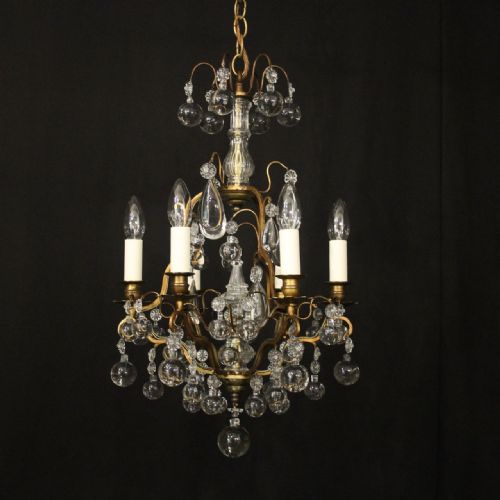
These gilded candle chandeliers bring together metalwork and crystal from the nineteenth and early twentieth centuries to light a room with reflective warmth.
Gilded Candle Chandelier
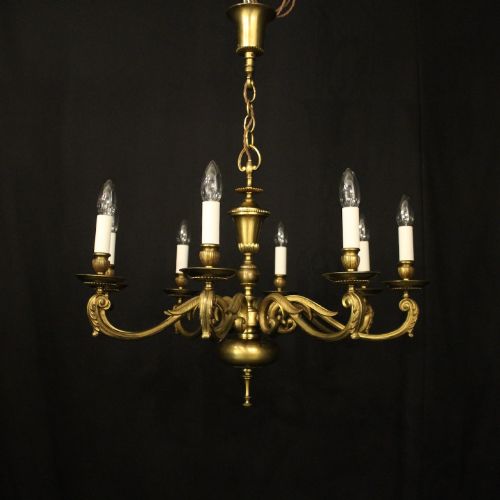
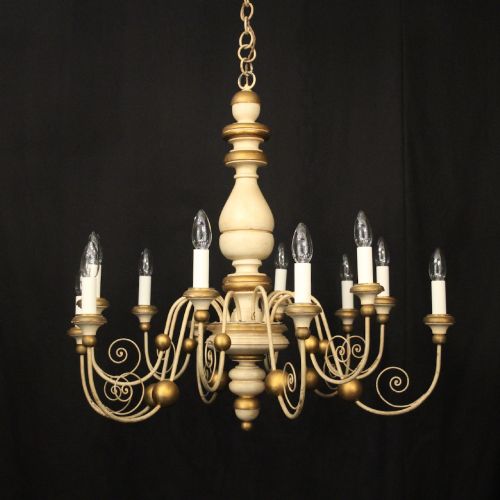
A gilded candle chandelier provides overhead lighting through multiple candle arms arranged across single or double tiers. When searching for a gilded candle chandelier, buyers encounter pieces primarily originating from French and Italian workshops active between the nineteenth century and nineteen-thirty.
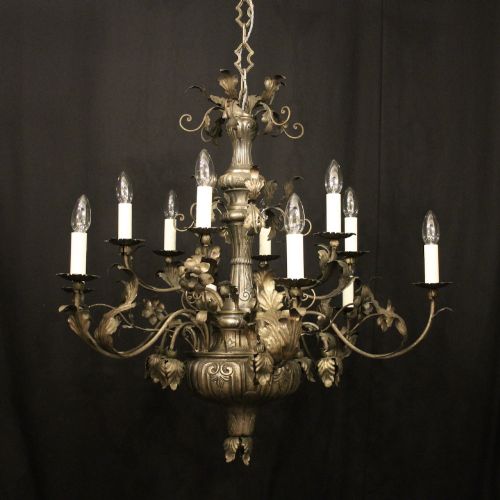
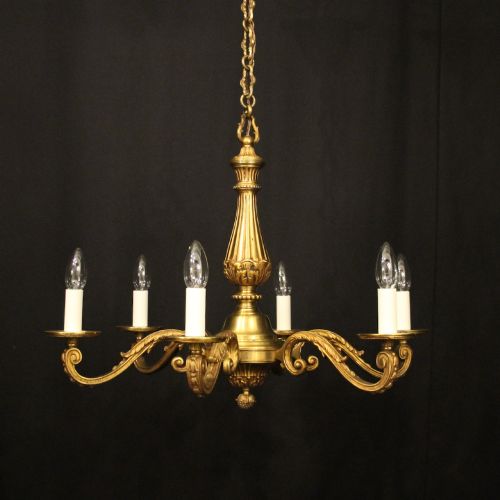
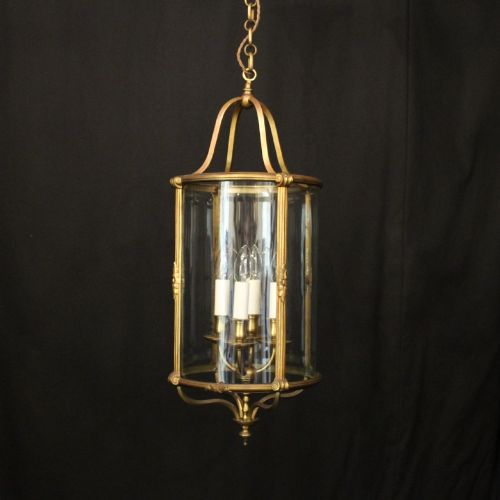
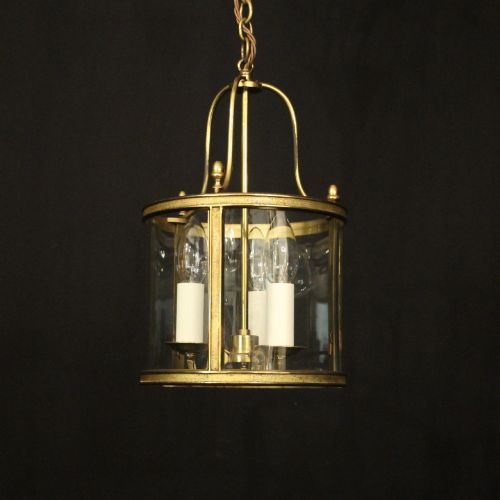
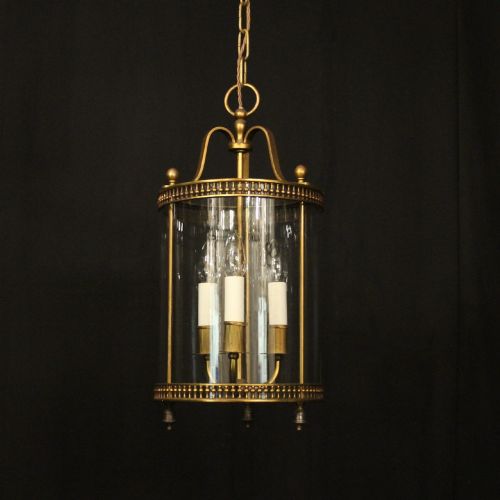
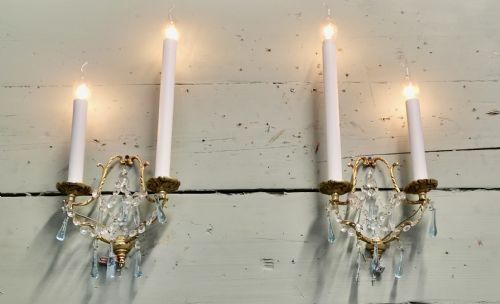
The selection on this page centres heavily on French designs influenced by Rococo, Neoclassical and Chateau styles, alongside Italian Florentine and Baroque examples. Common forms range from compact four-light fixtures to large sixteen-light multi-tiered centerpieces, accompanied by related wall lights and hall lanterns.
How They Were Made
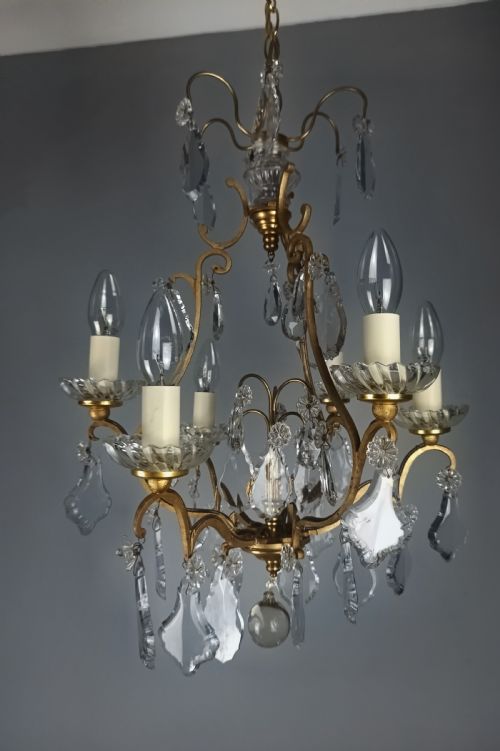
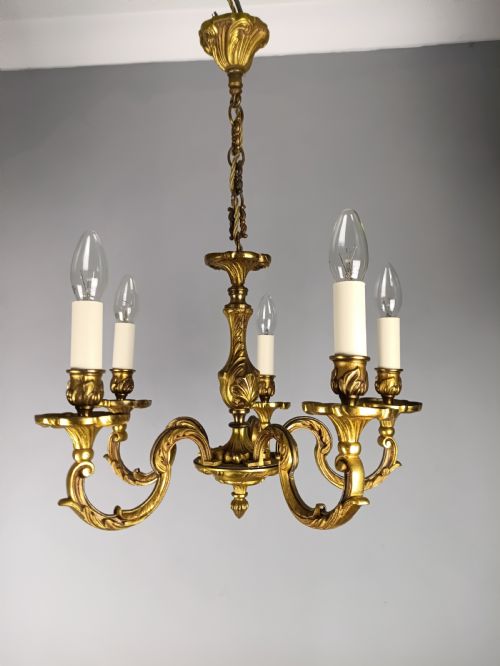
Makers constructed these fixtures using cast bronze, brass, gilt metal, gesso and carved wood, applying surface gilding or silver gilding to the metal and wooden frames. Many examples incorporate glass and crystal drops, teardrops and pendeloques suspended from the arms and central cage.
Assembly involved mechanical joints and pinned connections to secure the multiple light branches, bobeches and candle cups to the main body. Skilled artisans combined etched glass components and ruby glass elements with metalwork to manipulate the spread of light.
Several chandeliers arrive equipped with ruby glass capitals, adding an unexpected splash of saturated crimson to the gilded framework.
What Varies in Quality
Quality rests upon the crispness of the metal casting or the depth of the wood and gesso carving on the arms and capitals. Finer examples display meticulous hand-chasing on the bronze surfaces and rich, layered gilding that retains its texture over time.
The integration of the crystal and glass components distinguishes different tiers of execution. Superior chandeliers utilise cut crystal drops with sharp facets that catch the light effectively, paired with balanced, symmetrical arm configurations.
The Gilded Candle Chandelier Glossary
- Giltwood
- Wood that has been coated with a thin layer of gold leaf or gold paint. This technique appears frequently on Italian Florentine and nineteenth-century frames.
- Bobeche
- A small collar or drip pan placed beneath the candle cup to catch melting wax. These components often match the gilded metal or glass of the main chandelier body.
- Gesso
- A plaster-based material applied to wooden frames to create a smooth surface for gilding. It allows for intricate relief ornamentation on arms and capitals.
- Pendeloque
- A hanging glass or crystal ornament, often cut in a teardrop or pear shape. These items dangle from the frame to increase light refraction.
- Chasing
- The manual finishing of cast metal using small punches and hammers to sharpen details. High-quality bronze elements show crisp lines achieved through this process.
Gilded Candle Chandelier: Frequently Asked Questions
How do I clean a crystal chandelier?
Maintenance involves wiping individual glass drops and metal arms gently with a soft, dry or slightly damp cloth. Avoid harsh chemical cleaners that might strip the gilded surface.
Take care to support dangling crystal teardrops from beneath while cleaning to prevent strain on the wire pins holding them to the frame.
Can these antique candle chandeliers be electrified?
Many surviving fixtures retain their original candle-only configuration, while others undergo conversion to electricity for modern interior use. Some examples incorporate internal wiring channels through the central shaft.
Buyers often consult professional electricians to adapt these pieces safely while preserving the historic appearance of the candle cups and bobeches.
How do I determine the period of a chandelier?
Dating relies on stylistic clues such as the specific casting techniques of the bronze, the cut of the crystal drops, and the underlying decorative vocabulary. Nineteenth-century pieces often display heavier gesso work or robust neoclassical proportions.
Comparing the arm construction and assembly methods against documented regional styles helps narrow down the decade of production between nineteen-hundred and nineteen-thirty.