
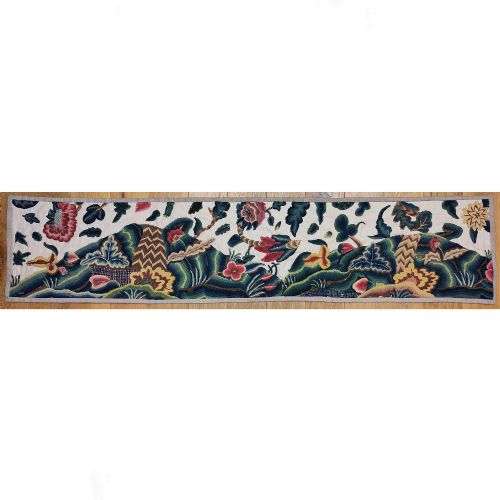


Floral Wool Wall Tapestry
These floral wool wall tapestry pieces bring rich historical texture and botanical design straight to your interior walls.
Floral Wool Wall Tapestry
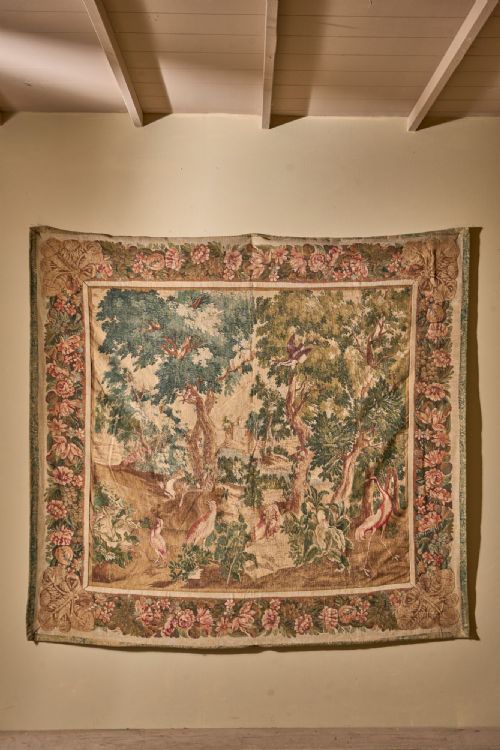
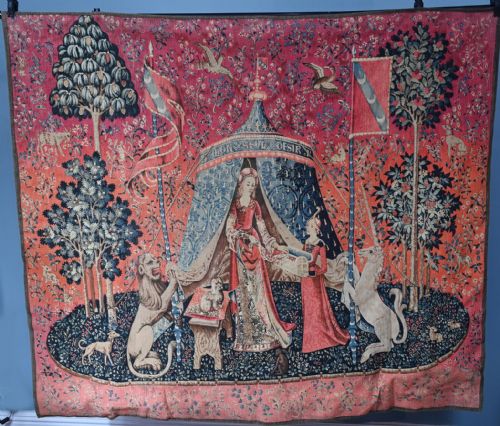
A floral wool wall tapestry offers a direct connection to centuries of textile artistry, spanning from medieval and Jacobean origins through to 19th-century French production. When searching for a floral wool wall tapestry, you will encounter diverse formats including expansive wall panels, narrow entre-fenêtre pieces designed for narrow wall spaces, and smaller needlework pictures.
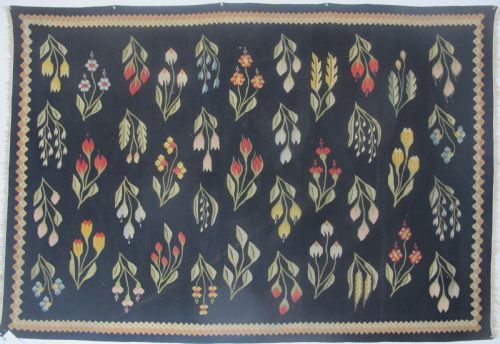
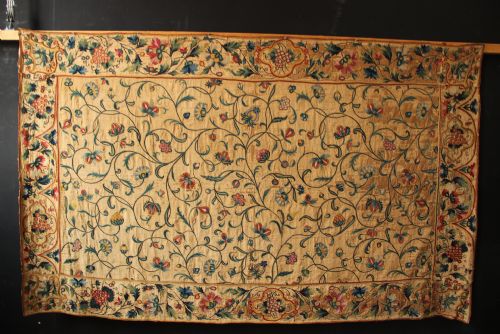
The selections available range from 16th-century North German and French examples to 18th-century verdure scenes and early 20th-century folk art textiles from Romania and Scandinavia. French Aubusson weaves and English crewelwork panels appear frequently among the offerings, providing both formal chateau aesthetics and rustic folk charm.
Assessing quality
Quality in these textiles rests upon the density of the weave, the complexity of the botanical composition, and the condition of the fibres. Finer pieces demonstrate meticulous needlework precision or tight loom tension, maintaining structural integrity and clear pictorial detail across large proportions.
The sophistication of the palette and the subtlety of the botanical shading separate standard decorative panels from exceptional works. Provenance and regional authenticity, such as documented French Aubusson or early English crewelwork origins, further elevate the standing of an individual piece.
Regional styles represented include French Baroque and Rococo, Jacobean England, Scandinavian rya, and Eastern European folk art.
The Floral Wool Wall Tapestry Glossary
- Crewelwork
- Embroidery executed in wool yarn on a plain-weave foundation fabric, typically linen or cotton. This technique creates textured surface designs prominent in English wall hangings and domestic textiles.
- Verdure
- A style of tapestry featuring lush botanical foliage, trees, and plants as the primary subject matter. These scenes frequently incorporate subtle woodland landscapes populated by birds or animals.
- Aubusson
- Woven wall hangings and carpets produced in the town of Aubusson in central France. These pieces are renowned for pastoral scenes and refined floral motifs.
- Entre-fenetre
- A tall, narrow tapestry specifically proportioned to hang on the wall space located between two windows. These panels maximise vertical interior display areas.
- Rya
- A traditional Scandinavian piled textile originating from regional folk art traditions. These tactile pieces utilise thick wool yarns to create insulating and decorative wall coverings.
Floral Wool Wall Tapestry: Frequently Asked Questions
How do I hang a heavy antique tapestry?
Hanging a heavy textile requires distributing the weight evenly across the entire upper edge rather than supporting it at isolated points. A common method involves stitching a fabric sleeve to the reverse and sliding a flat wooden batten through it to secure against the wall.
For larger panels, professional mounting onto a padded and fabric-covered stretcher frame protects the wool structure from undue tension. This approach prevents distortion and keeps the textile hanging flat against the surface.
Where should I place a textile wall hanging?
These pieces suit principal reception rooms, hallways, or above large pieces of furniture where their scale and texture can be appreciated. Positioning them away from direct sunlight preserves the natural wool and silk fibres from fading over time.
Maintaining stable indoor humidity levels also prevents the organic materials from degrading. Avoid placing them against damp exterior walls to protect the historic fibres.
What is the difference between needlework and weaving?
Weaving constructs the entire fabric structure on a loom by interlacing warp and weft threads simultaneously to build the image. This technique characterises traditional factory productions such as large French wall panels.
Needlework involves stitching decorative threads onto an existing foundation fabric by hand, which defines crewelwork and verdure picture panels. This method allows for individual artistic expression and distinct surface textures.