
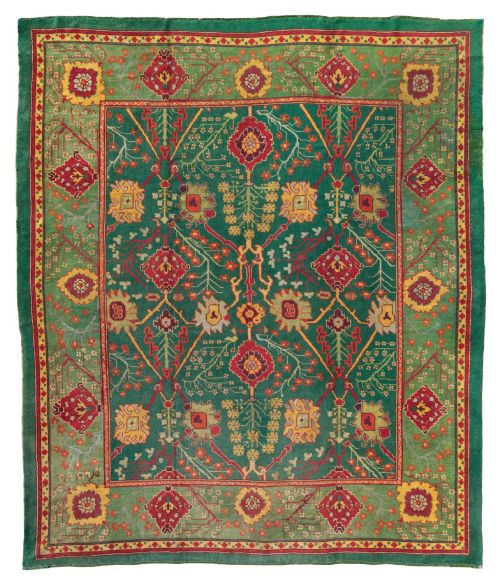


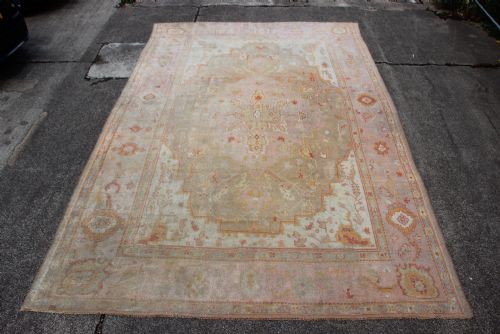
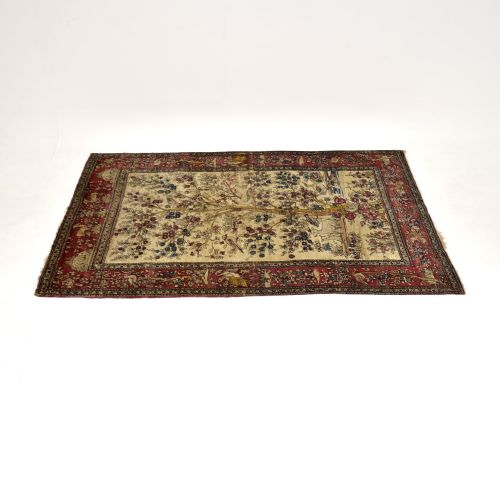
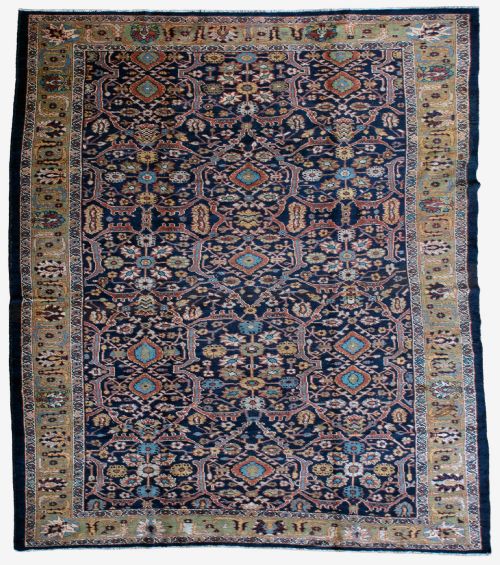
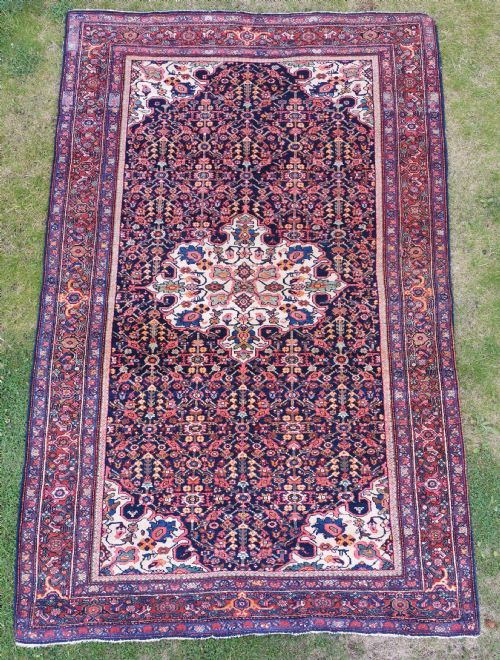
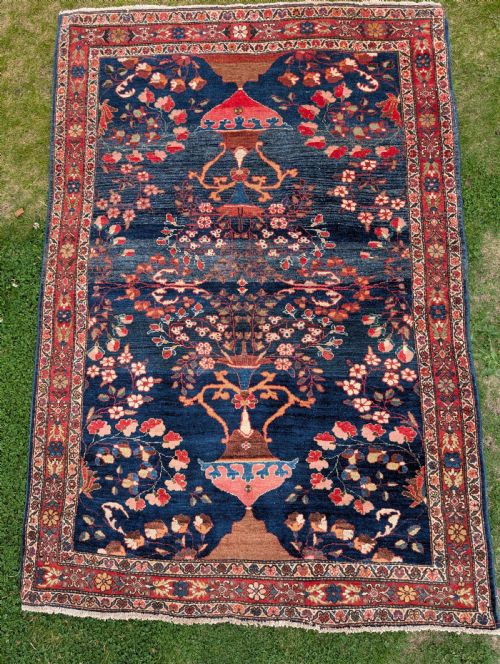
Floral Wool Area Rug
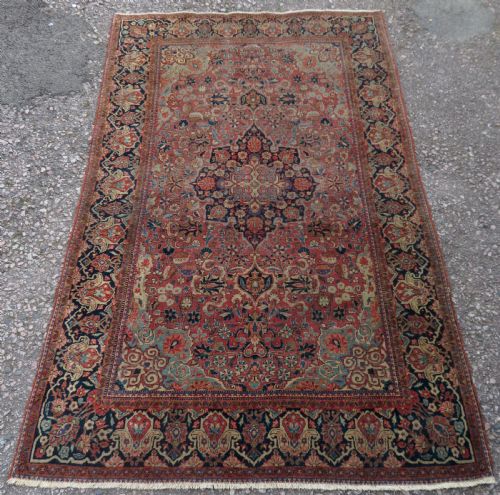
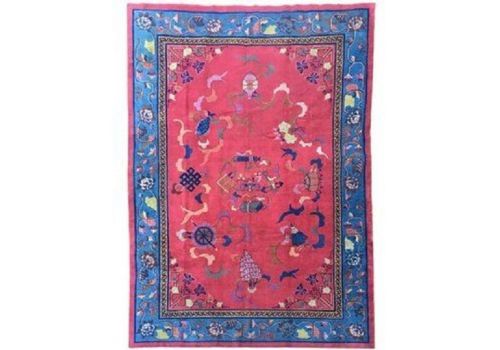
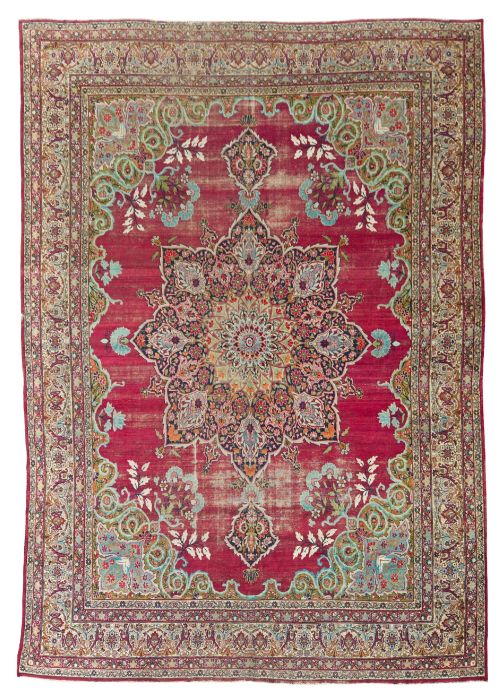
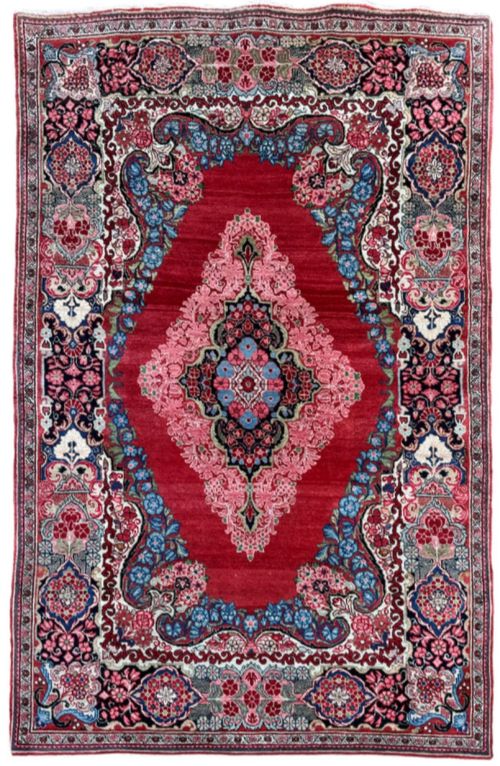
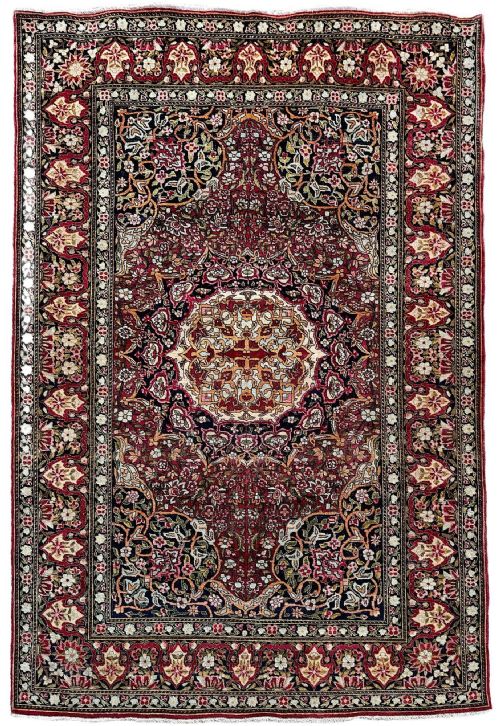
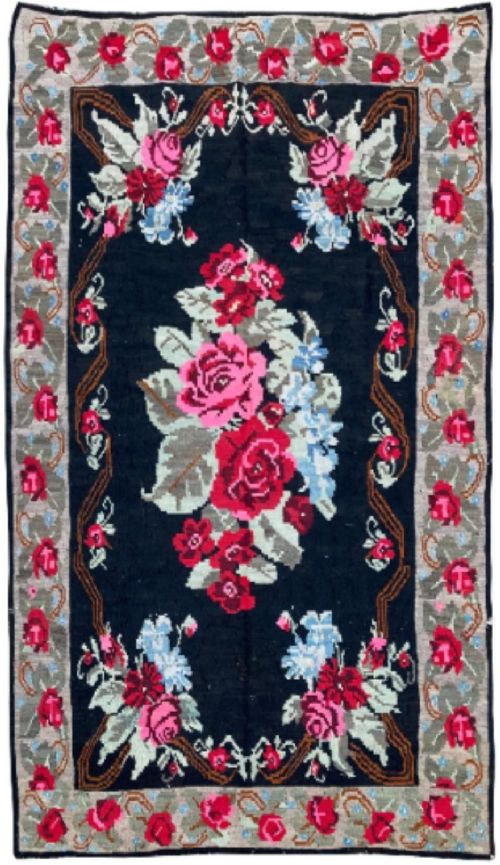
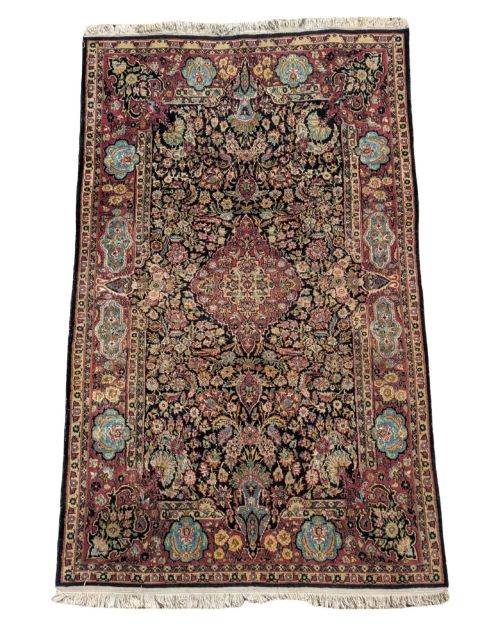
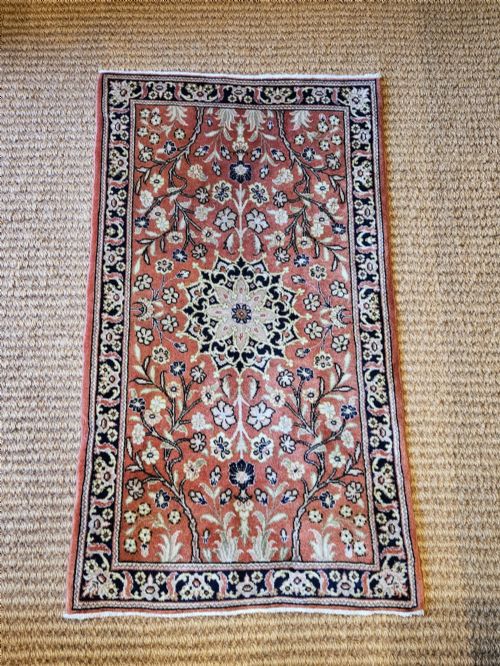
A floral wool area rug grounds a room with traditional motifs and hand-knotted pile spanning the decades from the mid-nineteenth century to the nineteen-thirties.
Floral Wool Area Rug
A floral wool area rug brings together centuries of weaving traditions from Persia, the Caucasus, and beyond into functional floor coverings. When buyers search for this phrase, they meet room-sized carpets, hearth-sized mats, and village runners woven from natural fibres.
The selection on this page draws heavily on Persian regional styles such as Mahal, Heriz, Tabriz, and Isfahan, alongside Caucasian and Ottoman pieces. These range from substantial country house carpets down to compact floor rugs dated between eighteen-fifty and nineteen-thirty.
How they were made
Makers constructed each floral wool area rug using resilient sheep's wool for the main pile, occasionally integrating cotton foundations and silk highlights to articulate delicate botanical motifs. Artisans tied dense knots by hand across warps and wefts, securing the structure with flatwoven kilim ends.
Dyers utilised natural plant and insect extracts to colour the wool, yielding rich tones of madder red, indigo, and earthy neutrals that mellow gracefully over decades of use.
Listings span periods from eighteen-fifty to nineteen-thirty, uniting wool, cotton, and silk materials across Persian, Caucasian, and Ottoman styles.
What varies in quality
Quality in a floral wool area rug rests upon knot density, the precision of the botanical drawing, and the integrity of the wool foundation. Finer city workshops executed complex curvilinear floral lattice designs with immense clarity, whereas rustic village weavings relied on bolder, geometric interpretations of floral themes.
The handle and weight of the textile reveal much about its origin, as tightly beaten foundation warps create a supple, heavy rug that lies flat and endures heavy foot traffic over generations.
The Floral Wool Area Rug Glossary
- Pile
- The upright yarn loops or cut ends that form the soft surface of the rug. This wool layer absorbs wear and displays the woven design.
- Warp
- The stationary vertical threads stretched tightly on the loom before knotting begins. These foundational cords support the entire weight of the carpet.
- Weft
- The horizontal threads passed across the warps between rows of knots to lock the structure in place. They give the textile stability and width.
- Kilim
- A flatwoven textile section usually found at the ends of a knotted rug. It prevents the pile from unravelling and often displays geometric bands.
- Medallion
- A central ornamental motif placed in the middle of the field. Many traditional carpets build their floral symmetry around this focal point.
Floral Wool Area Rug: Frequently Asked Questions
How do I clean an old wool rug?
Gentle surface brushing and professional dusting remove embedded grit without disturbing the wool fibres. Avoid harsh chemical immersion.
Keep woven carpets away from direct, harsh sunlight to protect the natural dyes from fading unevenly across the room.
Are these carpets suitable for heavy traffic?
Thickly knotted wool naturally resists daily wear and provides durable cushioning underfoot. Placing a quality underlay beneath the textile prevents sliding and cushions the foundation.
Regular rotation ensures uniform wear patterns across rooms exposed to strong sunlight or frequent footsteps.
How can I tell a village rug from a city piece?
City workshops like Tabriz or Isfahan produced refined, curvilinear floral designs with high knot counts and meticulous symmetry. Village weaves such as Heriz or Bakhtiar display bolder, more geometric interpretations with heavier wool.
Regional differences in the weave structure and palette often point directly to the specific town or tribe that produced the piece.