

Floral Wood Inlay Furniture
Floral wood inlay furniture brings together botanical motifs and cabinet-making across several centuries.
Floral Wood Inlay Furniture
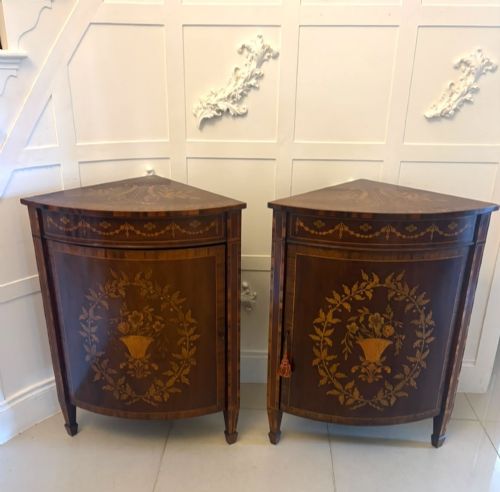
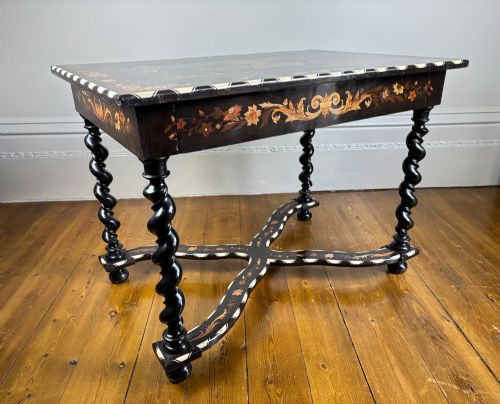
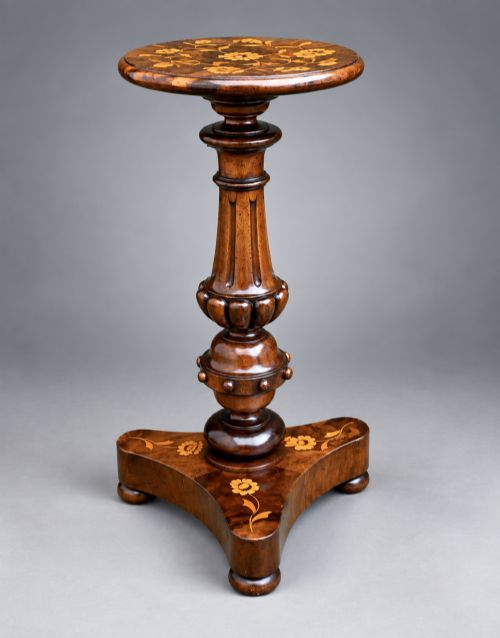
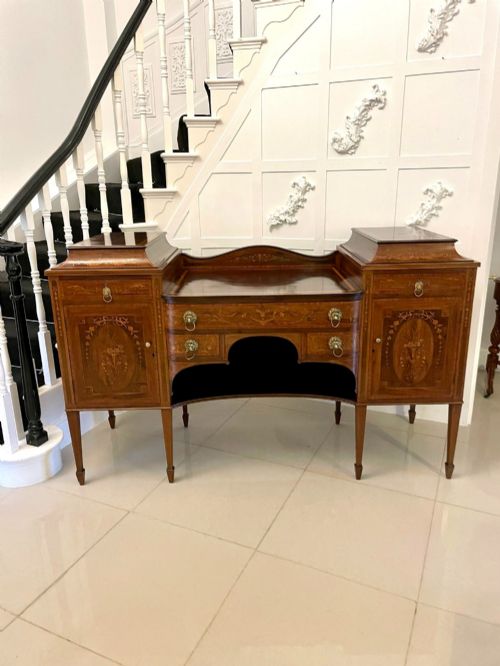
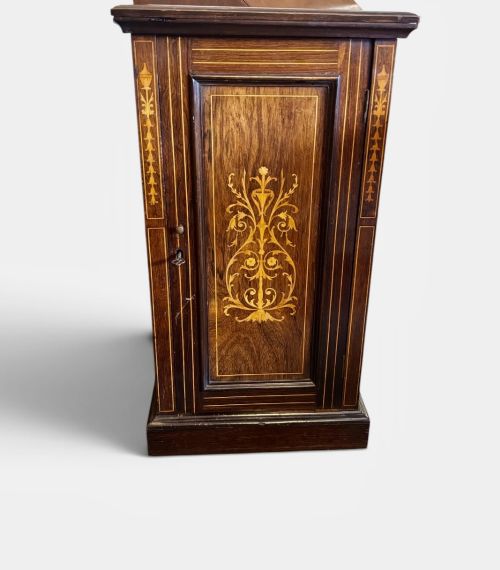
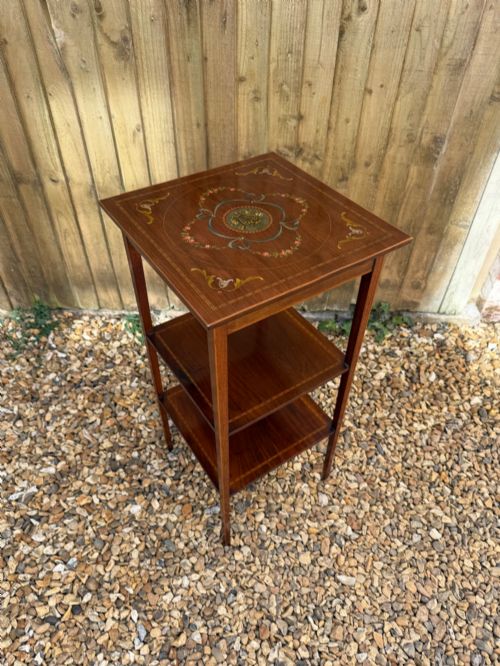
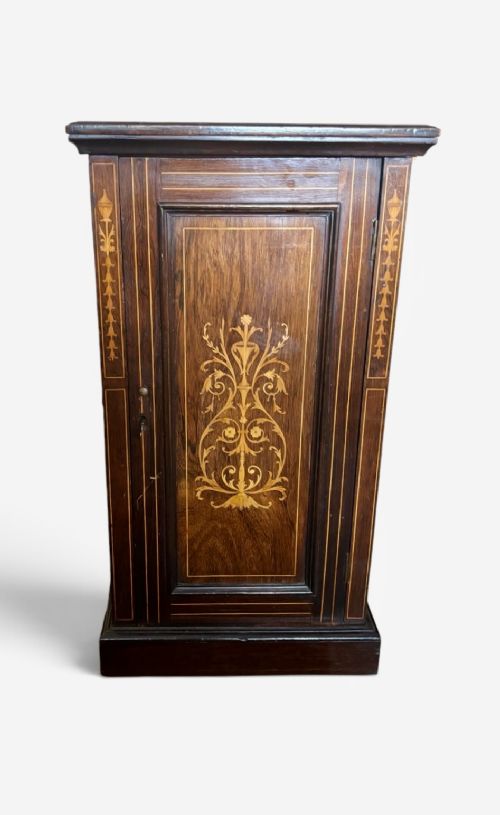
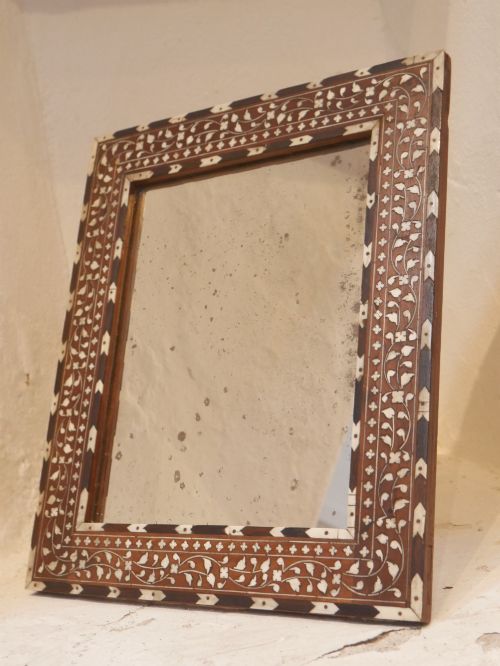
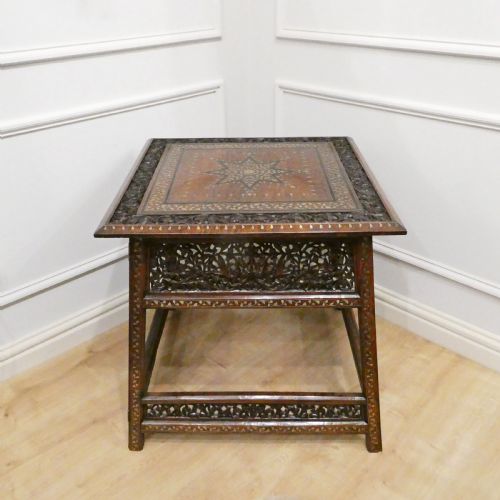
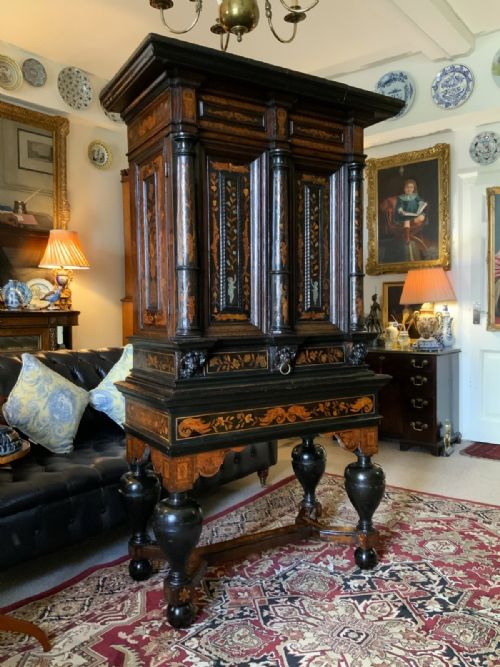
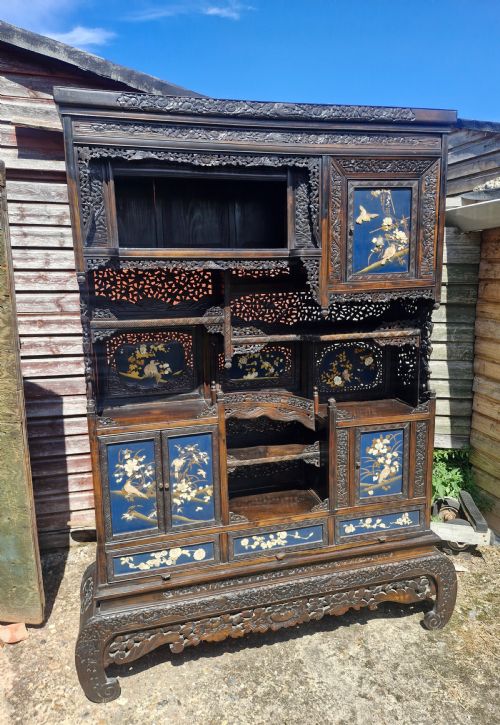
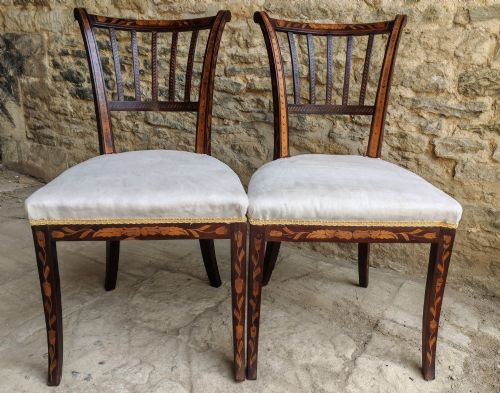
Floral wood inlay furniture comprises tables, cabinets, chests of drawers and display pieces decorated with botanical marquetry and botanical designs. When exploring floral wood inlay furniture, buyers encounter items ranging from seventeenth-century Dutch Baroque cabinets to Edwardian display pieces and Victorian occasional tables.
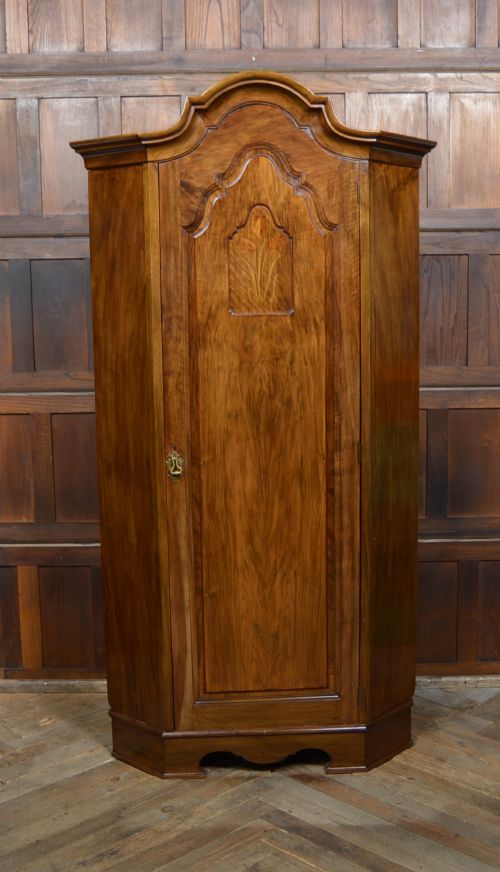
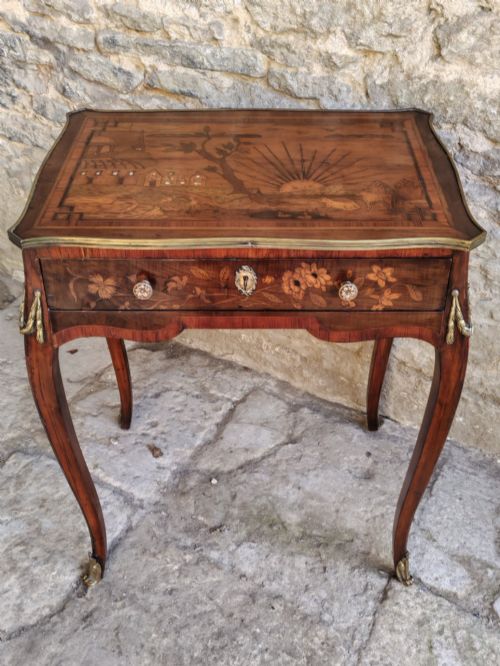
The selection includes specific forms such as side tables, centre tables, corner cabinets, étagères and powder desks. Pieces appear across periods including the seventeenth, eighteenth and nineteenth centuries, alongside Edwardian examples.
How they were made
Workshops utilised foundational timbers such as mahogany, walnut, rosewood, oak and fruitwood to build the carcases and frames. Artisans applied contrasting woods like satinwood and sycamore, alongside brass and pewter elements, to construct botanical marquetry scenes.
Craftsmen shaped veneers into floral and leaf arrangements, pressing them onto solid timber carcases to achieve patterned surfaces. Certain pieces incorporate painted details or brass mounts to complement the inlaid marquetry.
Listings feature walnut, mahogany, rosewood, fruitwood, satinwood, oak and brass across pieces attributed to the seventeenth, eighteenth and nineteenth centuries.
What varies in quality
Quality rests upon the precision of the marquetry cut and the harmony of the contrasting timber tones within the floral motifs. Finer examples display meticulous grain selection and crisp botanical detailing across the surface.
The architectural integrity of the underlying furniture piece, whether a bureau, card table or cabinet, dictates the overall standard. Superior items combine robust cabinet-making with sophisticated design execution.
Hewetsons London·Edwards & Roberts
The Floral Wood Inlay Furniture Glossary
- Marquetry
- Decorative veneer work arranged in pictorial patterns, such as floral designs, applied to furniture carcases. This technique allows artisans to picture flowers using various coloured timbers.
- Étagere
- An open piece of furniture with multiple tiers for displaying small objects or books. These tiered stands frequently feature inlaid decoration.
- Bureu
- A sloping desk with drawers underneath, often supported on bracket feet. Walnut and mahogany versions frequently incorporate intricate marquetry.
- Poudreuse
- A dressing table fitted with compartments and mirrors for cosmetics. Nineteenth-century examples often showcase detailed wood inlay.
- Pietra dura
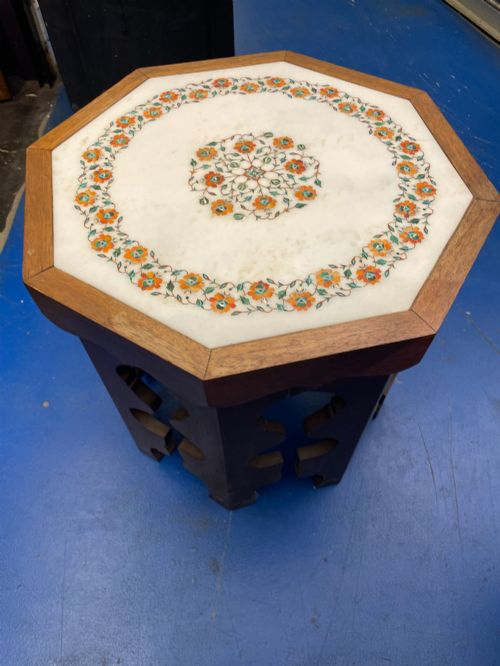
- Inlay work utilising polished, coloured stones rather than wood to create designs. This technique occasionally appears alongside floral wood elements.
Floral Wood Inlay Furniture: Frequently Asked Questions
What periods do these pieces span?
The pieces range from the seventeenth-century William and Mary period through eighteenth-century Dutch production to nineteenth-century Victorian and Edwardian revivals.
Craftsmanship styles shift across these eras, moving from elaborate Baroque marquetry to lighter Sheraton Revival and French Rococo interpretations.
How do I care for inlaid wood surfaces?
Keep inlaid furniture away from direct sunlight and steady heat sources to prevent the delicate botanical veneers from drying out or lifting.
Apply traditional beeswax sparingly and buff gently with a soft cloth to maintain the natural finish of the timber.
Where were these pieces used originally?
Cabinet makers built these items for formal reception rooms, drawing rooms and private bedrooms in grand townhouses and country residences.
Tables, card tables and display cabinets served practical functions while displaying botanical ornament to visiting guests.
How do I distinguish Dutch floral marquetry?
Dutch pieces from earlier centuries typically feature dense, multi-colored floral and bird marquetry covering the entire carcase, often in walnut or oak.
Later nineteenth-century interpretations lean towards French or English revival styles, focusing inlay on specific panels and tabletops.