
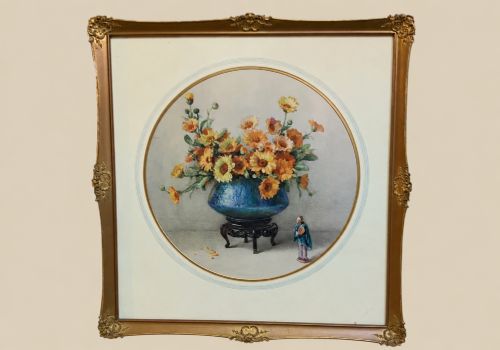
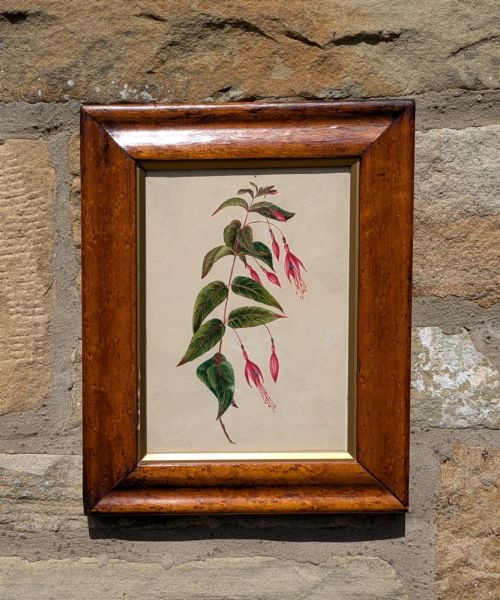
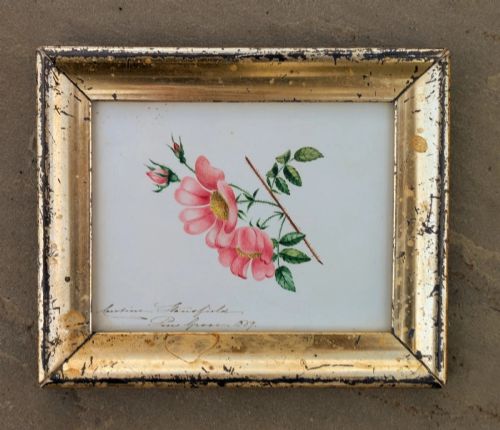
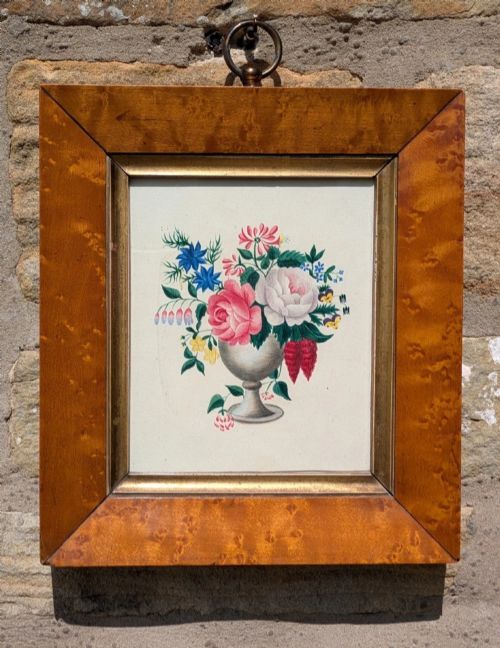


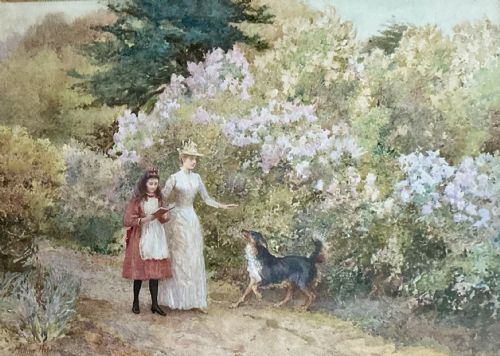
Floral Watercolour Painting
A floral watercolour painting brings quiet colour to a wall through delicate brushwork on paper.
Floral Watercolour Painting
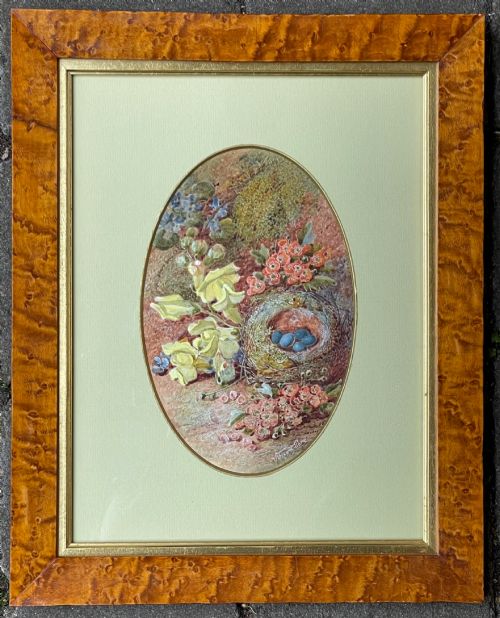
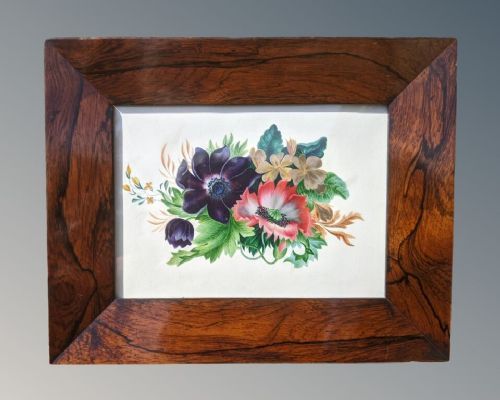
A floral watercolour painting captures blooms and botanical forms using pigment suspended in water, a medium defined by translucent washes and fine paper supports.
The pieces encountered span the nineteenth century and the modern British period of the nineteen-forties, capturing both decorative studies and modernist interpretations.
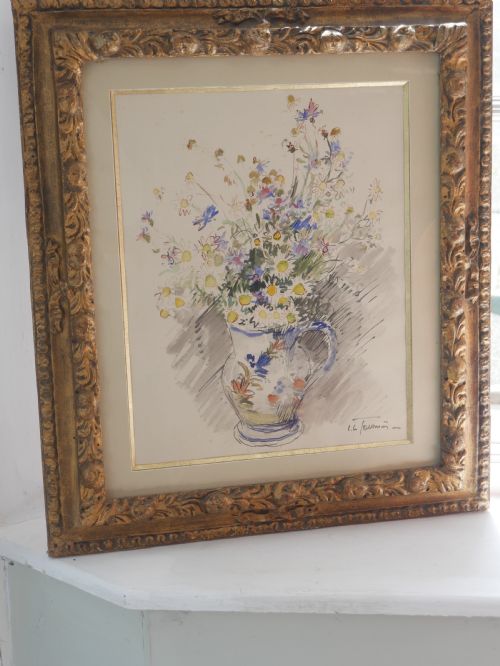
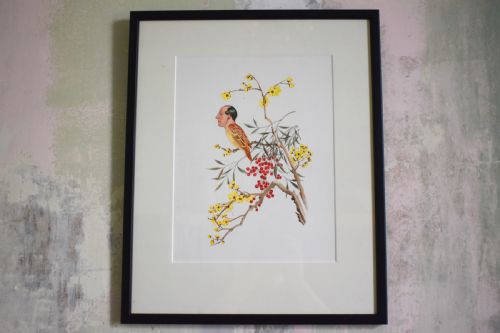
Compositions range from intimate still life arrangements in pottery jugs to stylised designs influenced by the Arts and Crafts movement and Chinese traditions.
Materials and methods
These works rely on water-soluble pigments applied to absorbent paper grounds, occasionally extending to ink on silk or incorporating stained glass effects.
Finished paintings are typically housed in wooden frames behind protective glass to preserve the delicate pigments from light and moisture.
Listings feature works from the nineteenth century and the nineteen-forties, executed on paper and silk.
Judging quality
Quality rests in the confidence of the brushwork and the harmony of the palette, where controlled washes and precise detail separate accomplished studies from hurried sketches.
The integrity of the framing and the preservation of the paper support directly influence the visual impact of the piece.
The Floral Watercolour Painting Glossary
- Watercolour
- A painting method where fine pigment is mixed with water-soluble binders and applied to paper.
- Modern British
- An artistic movement spanning the mid-twentieth century that embraced simplified forms and expressive palettes.
- Arts and Craft
- A design movement valuing handcraftsmanship and inspired by natural forms, famously championed by William Morris.
- Still life
- An artwork depicting inanimate subject matter, typically featuring cut flowers in vases or vessels.
Floral Watercolour Painting: Frequently Asked Questions
How do I hang a watercolour?
Keep the painting away from direct sunlight to prevent the delicate pigments from fading over time.
Ensure the room maintains a stable humidity level to protect both the paper support and the wooden frame.
What periods do these paintings span?
The available evidence includes nineteenth-century pieces alongside works from the nineteen-forties.
Each era brings distinct stylistic approaches, moving from detailed botanical studies to modernist compositions.
Are these paintings always framed?
Most works survive behind glass within wooden frames, which helps protect the fragile paper surface.
Original frames can also offer helpful clues regarding the age and history of the piece.
What materials are used?
The primary components are watercolour pigment applied to paper, occasionally accompanied by ink on silk.
Supports also include wood and glass used in the construction of the enclosing frame.