





Floral Silver Frame
A floral silver frame brings botanical detail to family portraits and mirrors, combining precious metal with intricate plant motifs.
Floral Silver Frame
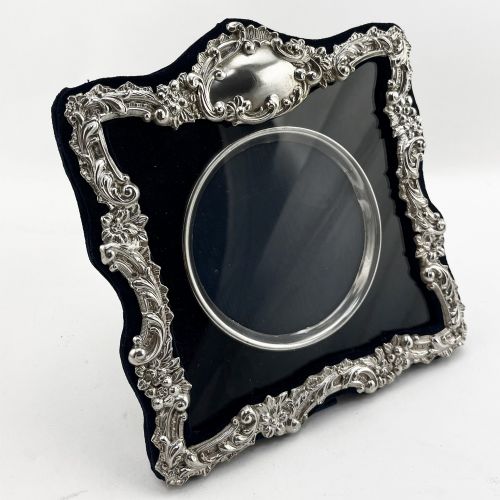
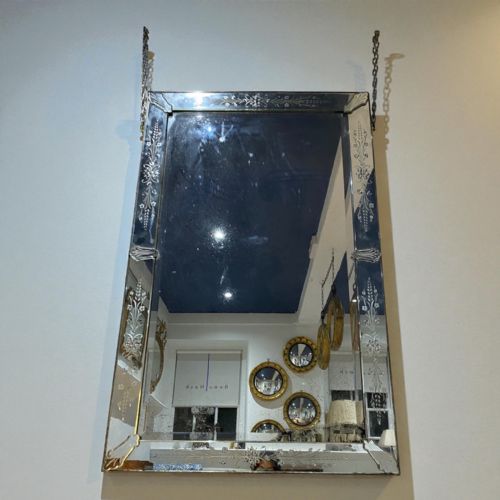
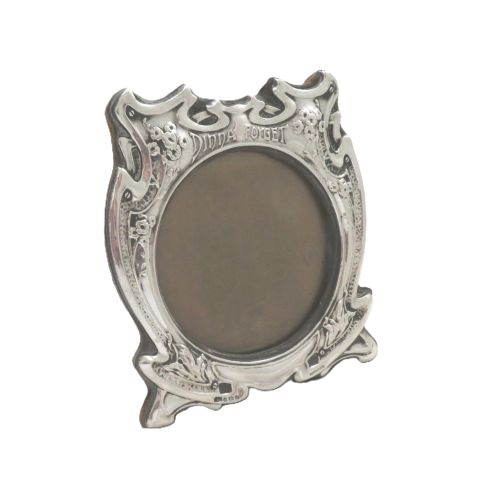
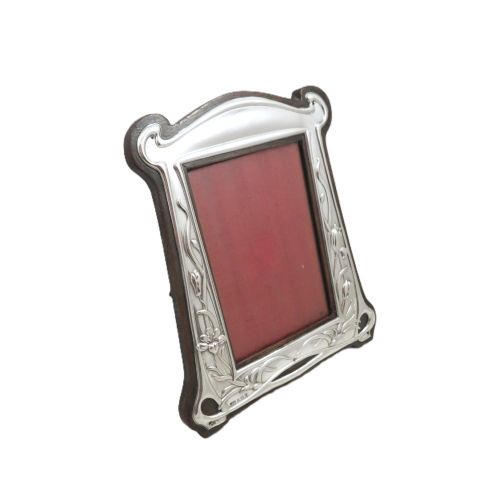
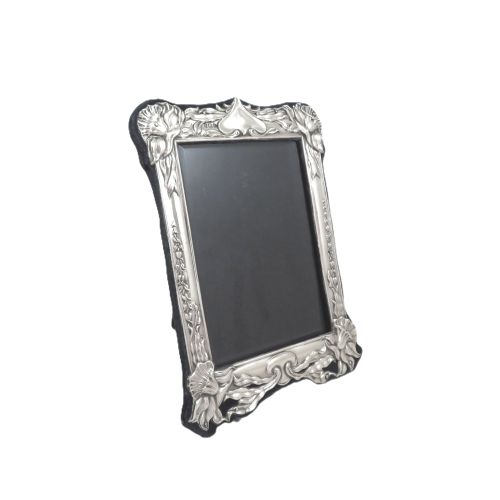
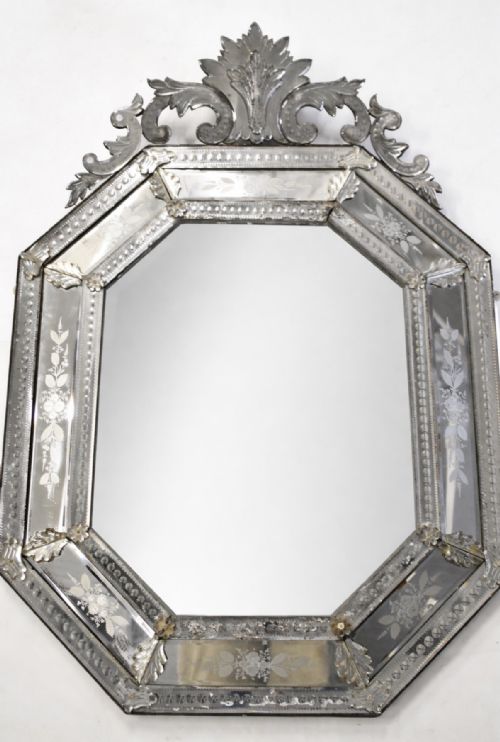
When you search for a floral silver frame, you encounter a selection dominated by Edwardian and Victorian photograph frames alongside Venetian mirrors and decorative wall pieces. These items incorporate botanical ornamentation, ranging from embossed borders of floral swags to repoussé garlands and stylised plant motifs.
The objects span multiple decades from the late nineteenth century through to the mid twentieth century, utilising sterling silver, silver plate, and occasionally pewter. Picture frames predominate in the listings, frequently backed with wood or velvet and featuring glass panels to protect the image.
Alongside standard rectangular photo frames, the selection includes circular mirrors, wall-hanging mirrors, and evening purses with silver frames. Many pieces date from the Edwardian era and the Art Nouveau period, reflecting contemporary tastes for organic curves and natural forms.
Materials and construction
Silversmiths utilised sterling silver and silver plate for the primary decorative borders, shaping the metal through embossing, repoussé, and piercing techniques to create raised floral and scroll designs. These metal fronts were then mounted onto supportive backings constructed from wood, oak, or fabric-covered materials like velvet.
Glass and mirror glass form the central functional elements, appearing as bevelled mirror plates in wall mirrors or protective glazing in picture frames. Subsidiary materials such as brass, nickel, and pewter also appear in specific frames and mirrors from the period.
Floral Silver Frame Retail Price Guide 2026
Typical asking prices for floral silver frame among the pieces listed under this phrase on Sellingantiques today, from the lower quarter to the upper quarter. They describe what is for sale here now, not the wider market.
Listings feature items spanning the nineteenth century through the Edwardian era up to the nineteen fifties, incorporating sterling silver, glass, and velvet.
Assessing quality and craftsmanship
Quality rests upon the depth and crispness of the repoussé or embossed floral decoration, where manually chased botanical details show superior definition compared to shallow, mass-produced stampings. The weight of the silver and the structural integrity of the backing, whether oak or velvet, indicate the original tier of manufacture.
Condition involves the preservation of the mirror plate, such as natural foxing on older Venetian glass, and the completeness of original backings and struts. Pieces that retain their structural hardware and undamaged glass display greater integrity.
I. Berezny
The Floral Silver Frame Glossary
- Repoussé
- A metalworking technique where the artisan hammers the front of the silver sheet from behind to create a raised floral or scroll relief. This method defines the ornamented borders seen on Edwardian photo frames.
- Sterling silver
- An alloy consisting of 92.5 percent silver by mass, with the remainder being other metals usually copper. British pieces from the periods shown typically carry hallmarks confirming this standard.
- Art Nouveau
- A stylistic movement prominent around nineteen hundred characterised by organic, flowing lines and plant-inspired motifs. Frames from this era frequently display stylised floral and stem patterns.
- Foxing
- Age-related spots and discolouration appearing within the reflective coating of older mirror glass. This chemical oxidation occurs naturally over decades, particularly in Venetian mirrors.
- Velvet
- A tufted fabric commonly utilised as the backing material on the reverse of photograph frames. It provides a soft protective surface when the frame stands on a desk or table.
Floral Silver Frame: Frequently Asked Questions
How do I date a silver photo frame?
Dating relies heavily upon British hallmarks stamped into the silver, which indicate the assay office, standard, and specific year letter. Stylistic clues such as Art Nouveau curves or Edwardian floral garlands also narrow down the period of manufacture.
Unmarked pieces or items from overseas require examination of construction methods, backing materials, and screw types. Comparing the decorative borders to dated examples in archives helps establish a reliable timeframe.
What backs were used originally?
Original backs on picture frames typically consist of wooden panels, frequently oak, covered in rich fabrics like blue velvet or leather. A hinged metal or wooden strut attached to the back allows the frame to stand upright.
Many surviving pieces retain these original backings complete with swivel clips or pins to hold the photograph in place. Replacement backs are common due to wear over the decades.
Are Venetian mirrors fragile?
Venetian mirrors utilise thin sections of antique glass mounted onto wooden substrates, making them susceptible to impact damage. The antique glass plates also show foxing and oxidation which require gentle handling during wall mounting.
Secure hanging wire and appropriate wall anchors are essential given the weight of these decorative pieces. Professional installation is recommended for larger examples.