
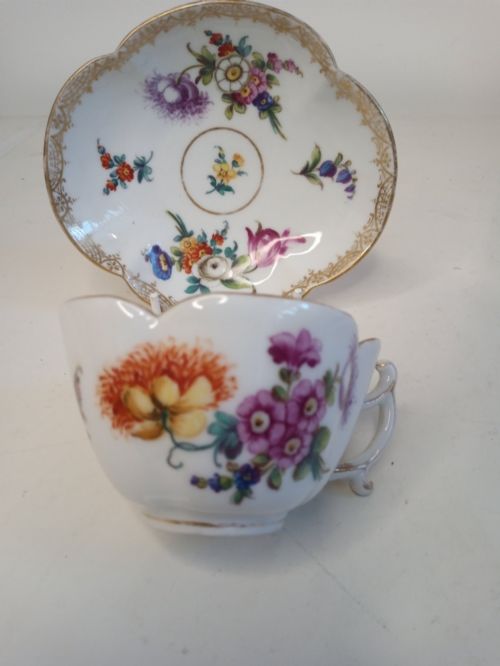


Floral Porcelain Tea Cup
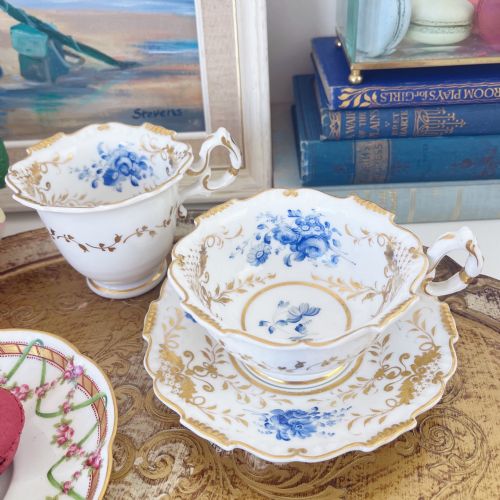
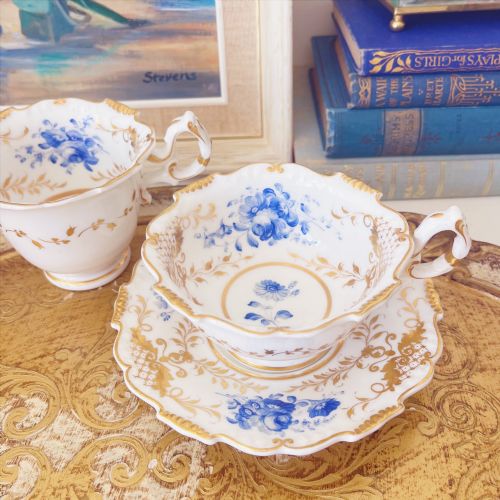
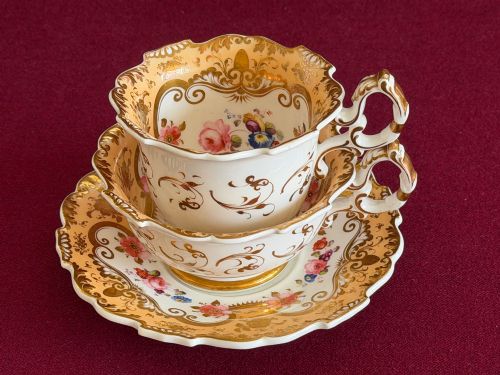
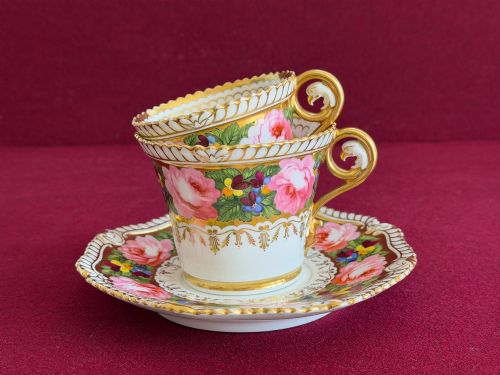
These floral porcelain tea cup pieces offer exquisite handpainted botanical decoration across centuries of fine ceramic history.
Floral Porcelain Tea Cup
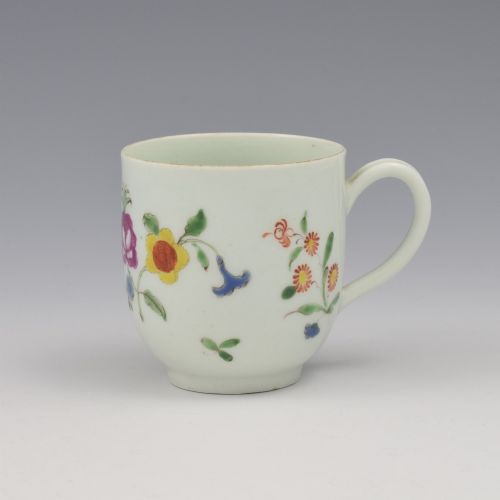
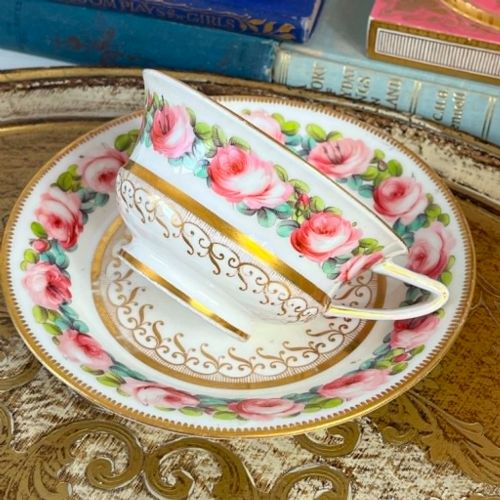
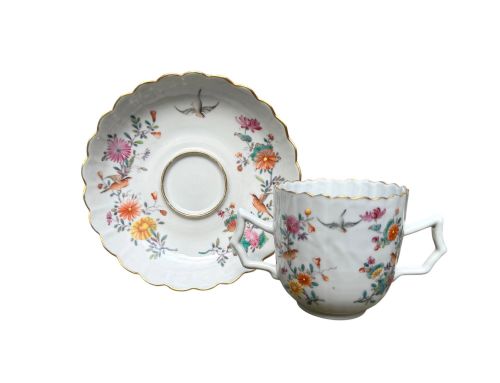
A floral porcelain tea cup brings delicate botanical artistry to the table, uniting form and function in ceramic history. When searching for a floral porcelain tea cup, collectors encounter pieces spanning the eighteenth, nineteenth, and early twentieth centuries. English factories dominate the selection, alongside continental and Asian works.
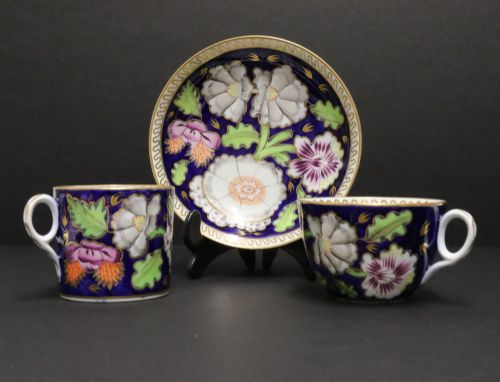
The most frequent examples on this page date from the Regency and Georgian periods, often featuring handpainted roses and polychrome enamels. Trios and duos pairing cups with matching saucers or additional plates appear regularly. These vessels trace the evolution of tea drinking from elite eighteenth-century rituals to Victorian parlour gatherings.
Materials and construction
Potters shaped these vessels using fine porcelain or bone china, often enriched with handpainted enamel pigments. Artisans applied gold leaf and gilding to rims and handles to accent the ceramic body. Many items incorporate intricate underglaze blue scales or handbrushed botanical motifs.
Firing techniques evolved from early eighteenth-century hard-paste and soft-paste compositions to robust nineteenth-century formulations. Painters utilised mineral oxides to achieve lasting vibrancy in floral designs before subjecting the pieces to high kiln temperatures.
Listings feature porcelain spanning the 18th century, Regency period, and Victorian era, executed in bone china and enamel.
Assessing quality
Quality rests primarily on the crispness and complexity of the handpainting, distinguishing factory decorators from lesser hands. Precision in gilding and the preservation of gold leaf over the ceramic surface indicate higher production standards. Translucency of the porcelain body also separates standard domestic wares from cabinet-grade pieces.
The sophistication of the factory design, such as moulded Shrewsbury shapes or scalloped Worcester grounds, elevates certain examples above plain domestic forms. Completeness of trios and duos alongside matched saucers determines overall desirability.
H & R Daniel·Chamberlain Worcester·Richard Chaffers·Davenport·Newhall·Royal Worcester·Coalport·Gardner Porcelain·Yates·Minton·Hutschenreuter
The Floral Porcelain Tea Cup Glossary
- Trio
- A matched set comprising a teacup, coffee cup, and saucer. These groupings were particularly popular in the Georgian and Regency periods.
- Enamel
- Vitreous coloured glass fused to the ceramic surface during low-temperature firing. This technique allowed vibrant floral palettes.
- Gilding
- The application of gold leaf or gold paint to edges and handles. It provides a metallic contrast to the painted porcelain.
- Soft-paste
- An early ceramic composition fired at lower temperatures than true hard-paste porcelain. It yields a warm lustre characteristic of eighteenth-century wares.
- Teabowl
- A handleless drinking vessel used before the widespread adoption of handled cups. They mirror the shape of Chinese export prototypes.
Floral Porcelain Tea Cup: Frequently Asked Questions
What is a tea trio?
A tea trio combines a teacup, a coffee cup, and a matching saucer into one cohesive ceramic set. This configuration catered to Regency and Georgian households that served different hot beverages.
Such sets demonstrate coordinated factory patterns, often highlighting matching floral enamels and gilded borders across all three pieces.
How do I date a porcelain cup?
Dating relies on body composition, factory marks, stylistic traits, and handpainting techniques. Eighteenth-century pieces often display soft-paste bodies and delicate enamels.
Later nineteenth-century items introduce refined bone china formulas and distinct shape names recorded by major English potteries.
Can I use antique cups for tea?
Using antique porcelain requires care due to the fragile nature of soft-paste bodies and historic handpainted enamels. Hand washing protects the delicate gold leaf and surface decoration from modern detergents.
Many collectors prefer to display these cabinet pieces rather than risk thermal shock or daily wear.
What does cabinet trio mean?
A cabinet trio denotes a decorative ceramic set intended primarily for display within a glass-fronted cabinet rather than everyday use. These pieces often feature superior handpainted botanical scenes and rich gilding.
Their preservation state typically remains high because they avoided regular domestic service.