


Floral Painted Stand
A floral painted stand brings together botanical brushwork and functional elevation, offering a decorative platform for plants, dishes, or display.
Floral Painted Stand
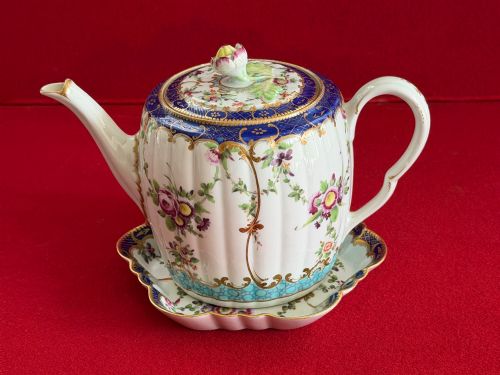
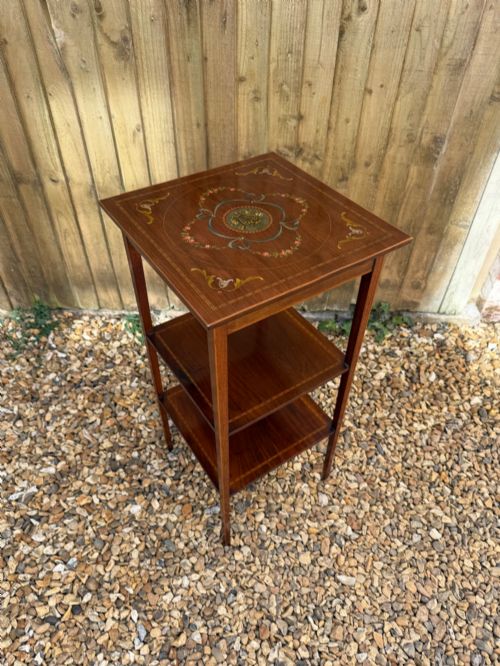
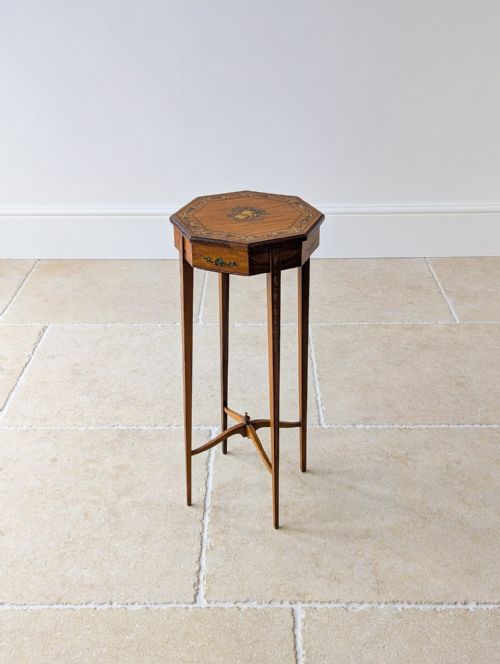
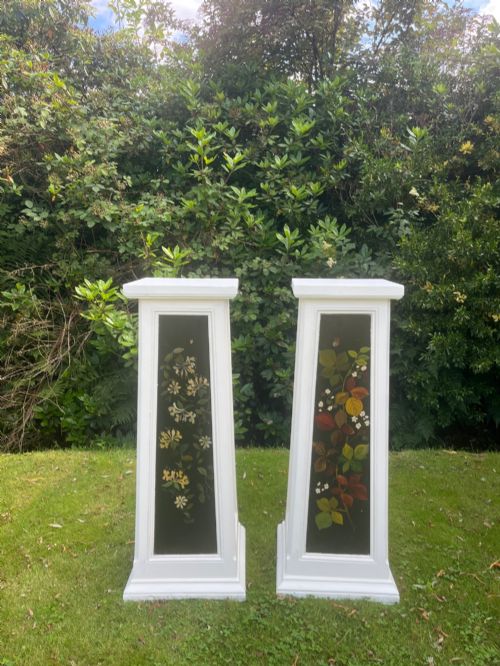
A floral painted stand encompasses a varied group of occasional furniture and ceramics designed to elevate objects or plants within a room. Buyers searching for a floral painted stand will encounter pieces ranging from Edwardian plant stands and jardinières to Georgian tea pots with matching stands and walnut cabinets raised on frames.
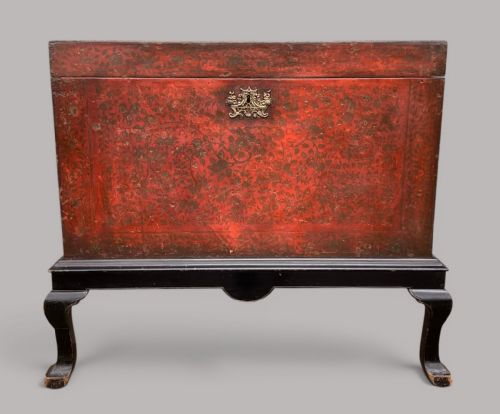
The material forms span from satinwood occasional tables and mahogany etagères to porcelain components and lacquered plant pedestals. These items bridge utilitarian support and ornamental surface painting, reflecting periods from the Georgian era through to the early twentieth century.
Origin and style diverge across English satinwood revivals, French influences, and Asian-inspired lacquer work, maintaining hand-applied botanical motifs as a unifying thread. Such diversity means a buyer might select a slender pedestal, a tiered cake stand, or a ceramic dish on a base.
Materials and Construction
Makers utilised timber substrates such as mahogany, satinwood, and burr walnut, often shaping them into pedestals, trays, or occasional tables before applying decorative schemes. Surface preparation involved smooth priming to receive hand-painted botanical details, sometimes accented with gold leaf or gilding.
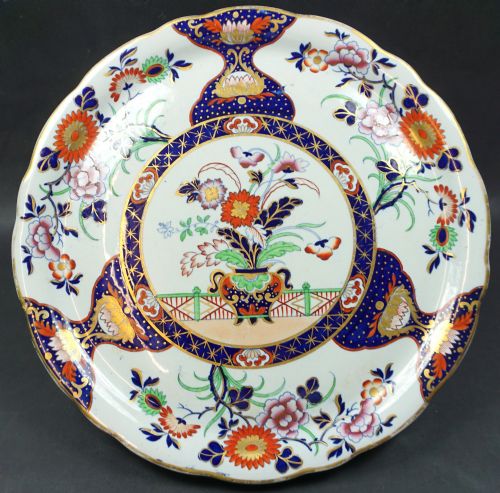
Ceramic stands and vessels employed porcelain, ironstone, and majolica bodies, shaped through casting or throwing and decorated with fired floral pigments. Lacquer and enamel techniques further provided glossy, durable finishes on wood and metal foundations, protecting the painted details from daily wear.
Assessing Craftsmanship
The distinction between tiers of quality rests upon the precision of the hand-painted botanical motifs and the integrity of the underlying joinery or ceramic body. Finer examples display delicate, deliberate brushwork with subtle shading, whereas lesser pieces show repetitive, mechanical application.
Material selection dictates durability and finish, with dense hardwoods like satinwood and mahogany or high-fired porcelain outlasting softer woods and lower-grade earthenware. The harmony between the stand's structural proportions and its painted ornamentation governs the overall visual balance.
Ridgway·Walker and Hall·Doulton Burslem·Hicks and Meigh·Coalport·Sitzendorf·Helena Wolfsohn·Burmantofts·Mason
The Floral Painted Stand Glossary
- Satinwood
- A yellowish hardwood prized for its fine grain and smooth texture, frequently utilised in Regency and Sheraton Revival furniture. It provides an ideal pale ground for painted floral decoration.
- Jardinière
- An ornamental pot or stand designed to hold a plant or floral arrangement. These pieces often sit on dedicated pedestals or floor stands.
- Etagère
- A piece of furniture consisting of a set of open shelves for displaying small objects. Painted versions often feature multiple tiers decorated with floral motifs.
- Torcher
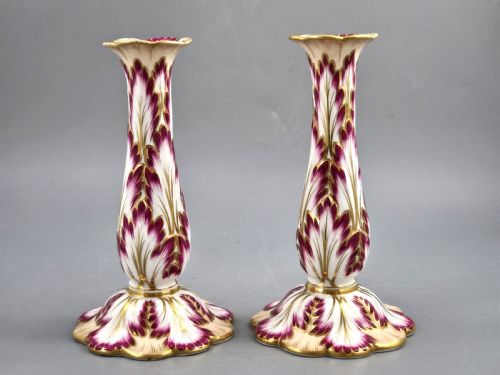
- A tall ornamental stand or candlestick designed to support a light source or decorative object. Period revival examples frequently incorporate dark lacquer and painted details.
- Comport
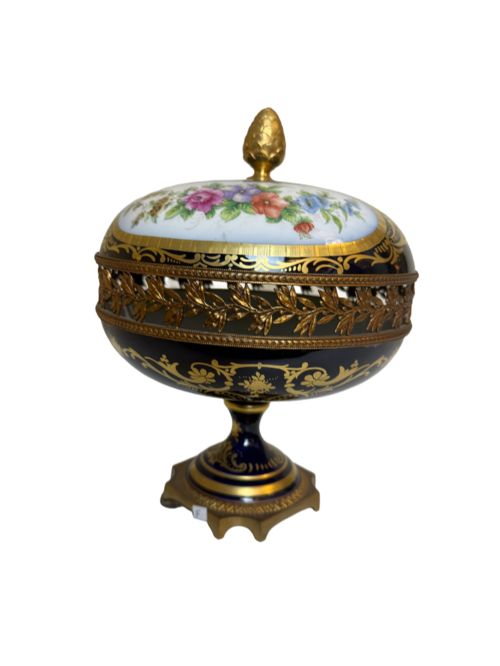
- A shallow bowl raised on a stem and foot, used for serving fruit or sweets. They appear in porcelain and ironstone alongside matching stands.
Floral Painted Stand: Frequently Asked Questions
What is a floral painted stand used for?
These pieces function primarily as raised platforms to display plants, decorative ceramics, or serving dishes within domestic interiors. Their elevated design draws the eye to both the botanical artwork on the surface and the object placed upon them.
Historically, specific forms accommodated teapots, cakes, or garden pots, blending practical household utility with ornamental display. Today, they serve similar decorative purposes in living spaces and hallways.
How do I date a painted stand?
Dating relies on observing the underlying wood or ceramic body, construction methods, and stylistic cues such as Sheraton Revival or Aesthetic Movement influences. Examining the pigments and the wear patterns on the painted surfaces also provides clues to the era of manufacture.
Comparing structural joints and secondary timbers against known period examples helps narrow down the decade. Makers' marks on ceramic components offer definitive chronological markers when present.
Are these stands suitable for daily use?
Most wooden and ceramic stands handle light everyday placement of decorative objects, provided they sit on level flooring. Care should be taken with moisture from plants or hot vessels to protect fragile painted lacquer and varnish surfaces.
Placing felt pads beneath heavy items helps prevent scratching on antique polished wood. Regular dusting with a soft cloth preserves the integrity of the hand-painted details.
How do I distinguish between styles?
Georgian and Regency pieces tend to feature restrained satinwood or mahogany with neoclassical floral swags, whereas Victorian items often embrace bolder colours and papier-mâché. Edwardian revivals frequently draw on earlier eighteenth-century motifs with lighter, airier proportions.
Observing the curvature of the legs, the presence of gilding, and the specific floral arrangement style clarifies the aesthetic movement or period to which the piece belongs.