







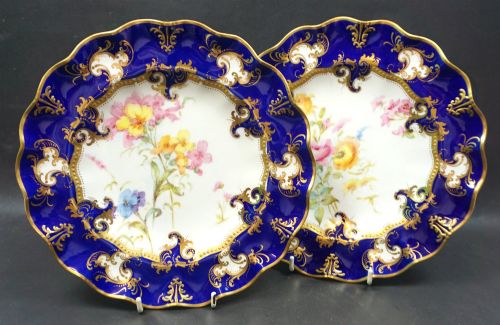
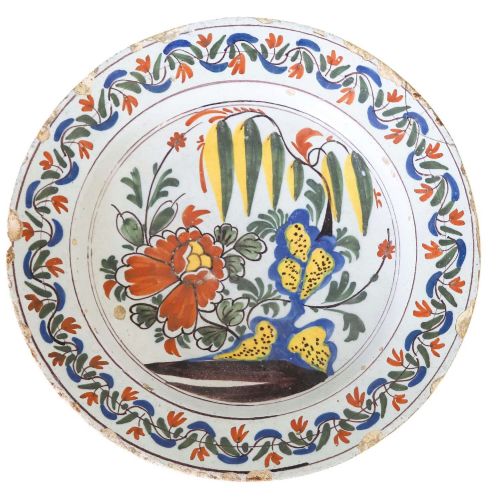
Floral Painted Ceramic Plate
When you handle a floral painted ceramic plate, you touch centuries of skilled brushwork and kiln firing across English, European, and Asian traditions.
Floral Painted Ceramic Plate
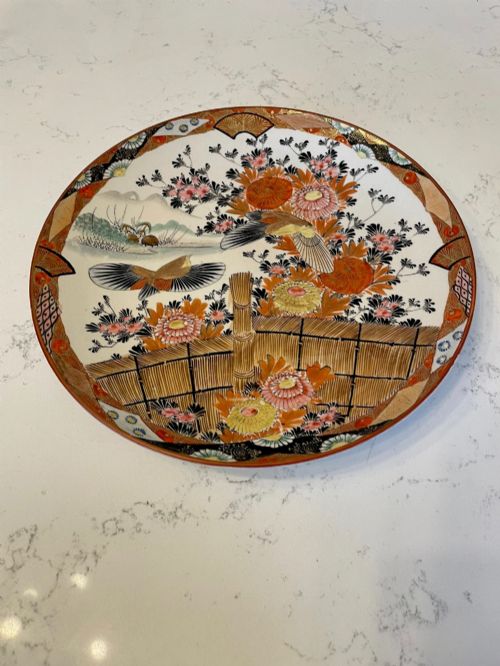
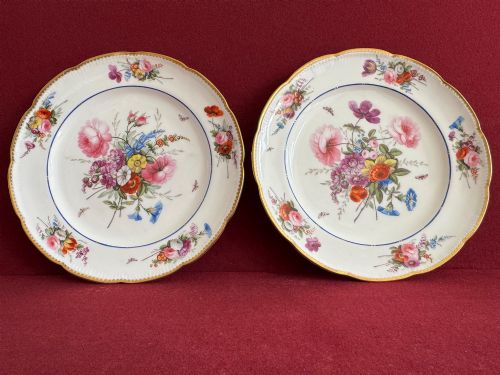
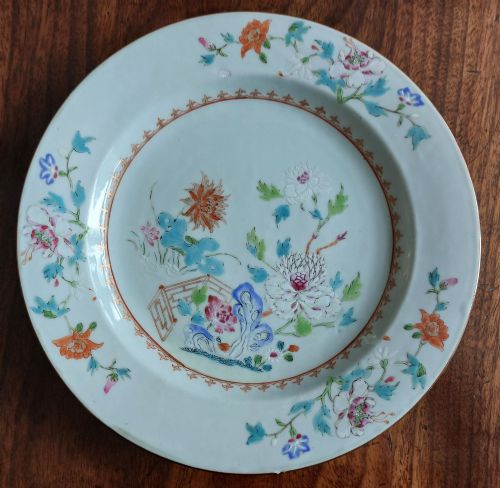
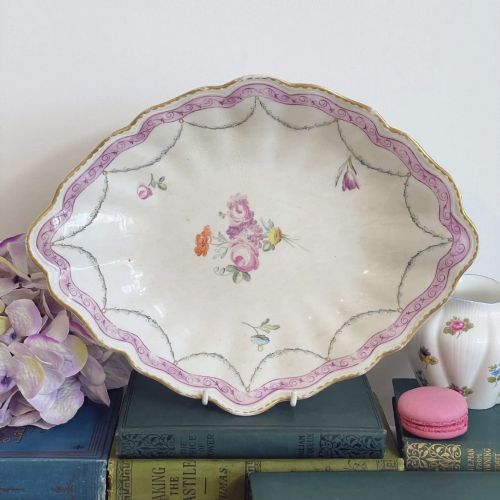
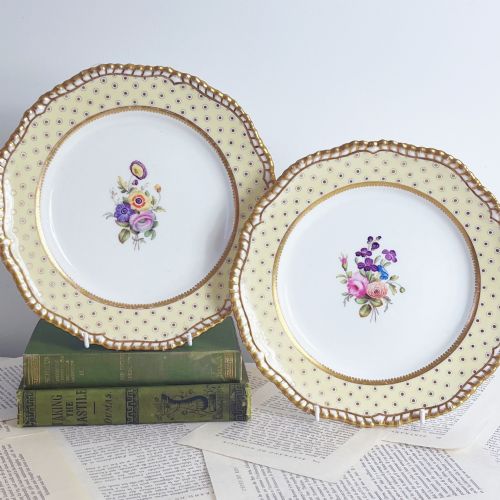
A floral painted ceramic plate serves as a canvas for botanical illustration, executed on surfaces ranging from soft-paste porcelain to bone china and ironstone.
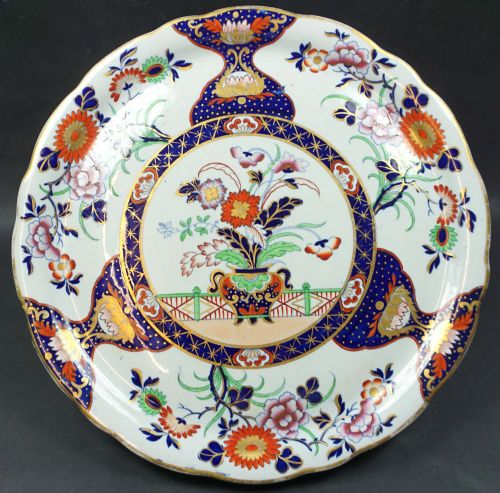
The selections available span eighteenth-century delftware and Chinese export porcelain through to nineteenth-century English factory productions and Japanese Imari wares.
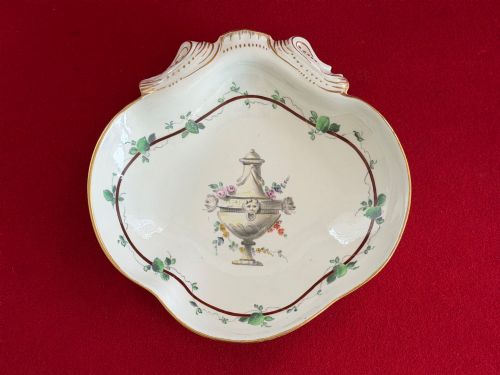
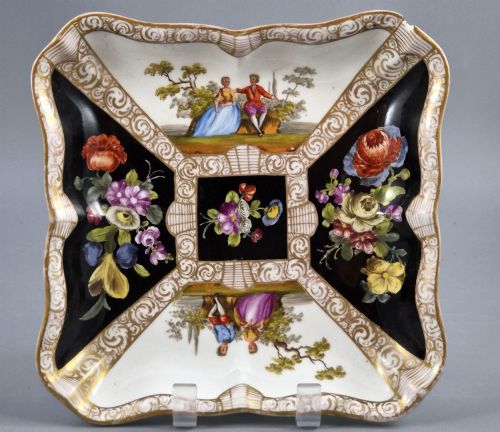
Makers utilised various forms including shallow bowls, dessert dishes, cabinet plates, and large chargers designed for both display and formal dining.
How they were made
Artisans applied enamel colours and underglaze blue by hand, often incorporating gold leaf and rich gilding to highlight borders and motifs.
Firing took place in high-temperature kilns, setting hand-painted polychrome florals, birds, and Watteau scenes onto ceramic bodies such as bone china and porcelain.
Floral Painted Ceramic Plate Retail Price Guide 2026
Typical asking prices for floral painted ceramic plate among the pieces listed under this phrase on Sellingantiques today, from the lower quarter to the upper quarter. They describe what is for sale here now, not the wider market.
David Dewsberry painted orchids so lifelike on Royal Doulton cabinet dishes that botanical collectors kept them alongside pressed flower folios.
What varies in quality
The sophistication of the hand-painted brushwork distinguishes standard factory output from pieces produced by named artists working in specialist studios.
Weight, translucency of the porcelain body, and the precision of the gilding separate utilitarian tableware from premier cabinet pieces intended for display.
James Giles·Grainger Lee And Co·Spode·H And R Daniel·Derby·Meissen·Chamberlains Worcester·Hicks And Meigh·Royal Doulton·John Davenport·Coalport·New Hall·Copeland·Doulton Burslem·John Ridgway
The Floral Painted Ceramic Plate Glossary
- Bone china
- A type of porcelain incorporating animal bone ash, producing a strong, translucent body popular in nineteenth-century English factories.
- Imari
- A style of Japanese export porcelain characterised by a palette of underglaze blue, iron red, and gold, widely imitated in Europe.
- Polychrome
- Decoration employing multiple distinct colours applied to the ceramic surface, often seen in hand-painted floral arrangements.
- Soft-paste
- An early form of European porcelain made from clay and glass mixtures rather than hard-paste minerals, firing at lower temperatures.
- Charger
- A large decorative plate or dish, typically intended for display on a sideboard or wall rather than for practical dining use.
Floral Painted Ceramic Plate: Frequently Asked Questions
How do I date an old plate?
Examine the base for factory marks, pattern numbers, and stylistic clues that correspond to specific production periods.
The composition of the ceramic body and the application of hand-painted enamels also provide reliable indications of age.
Were these plates used for dining?
Many examples formed part of larger dessert services intended for serving fruit and sweetmeats at the conclusion of formal meals.
Cabinet plates and large chargers were primarily created for visual display on walls or sideboards rather than everyday table use.
How do I care for antique porcelain?
Wash pieces by hand in warm water using mild soap, avoiding harsh scrubbing and dishwashers entirely.
Protect gilded edges and hand-painted enamel surfaces by storing plates in padded racks or using felt dividers.
What is the difference between porcelain and ironstone?
Porcelain is vitrified, highly translucent, and rings when tapped, whereas ironstone is a heavy, opaque earthenware developed for durability.
Both materials readily accept floral painted decoration, but porcelain generally indicates a finer cabinet piece.