
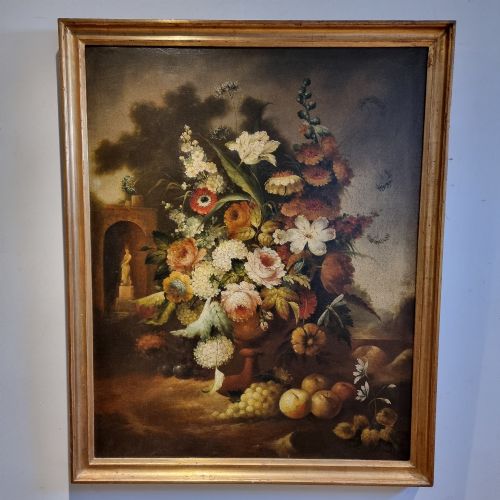
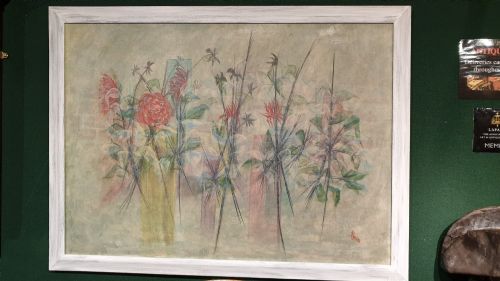
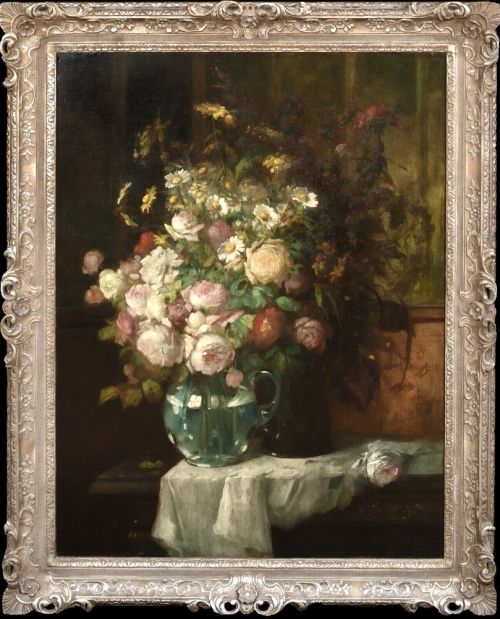
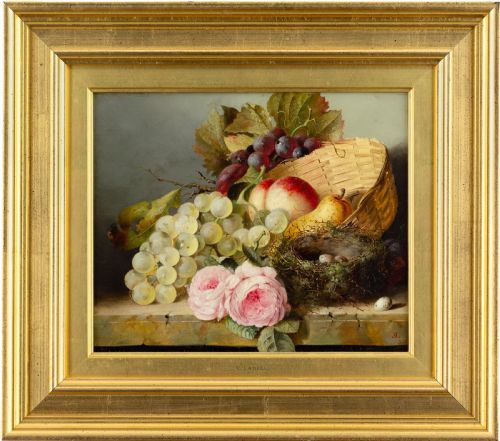
Floral Oil Painting
A floral oil painting brings centuries of botanical study and vibrant pigment into a room, offering enduring colour through carefully composed floral still lifes.
Floral Oil Painting
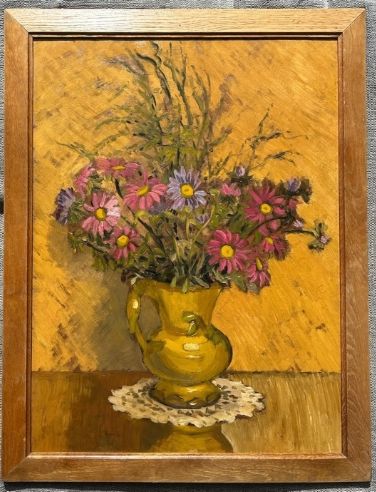
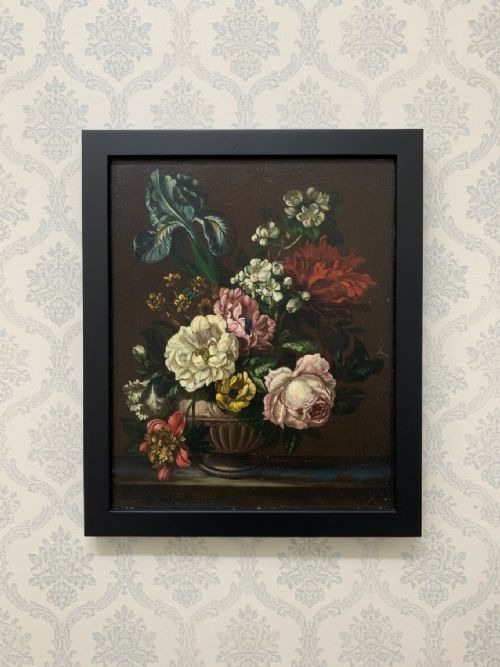
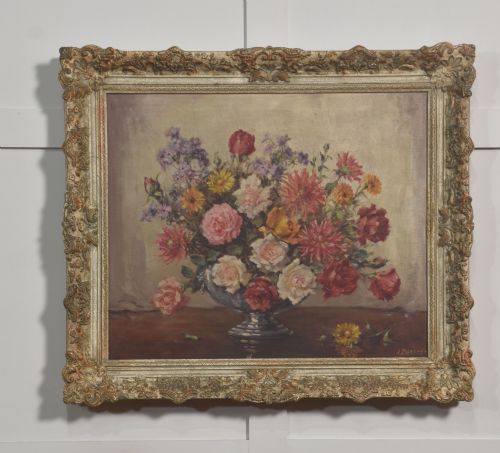
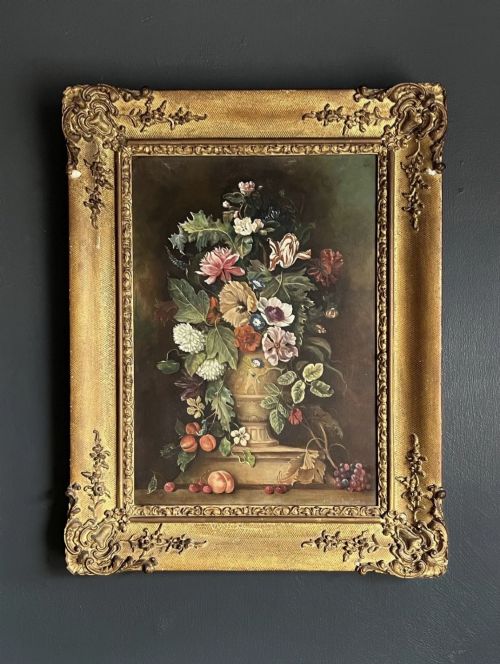
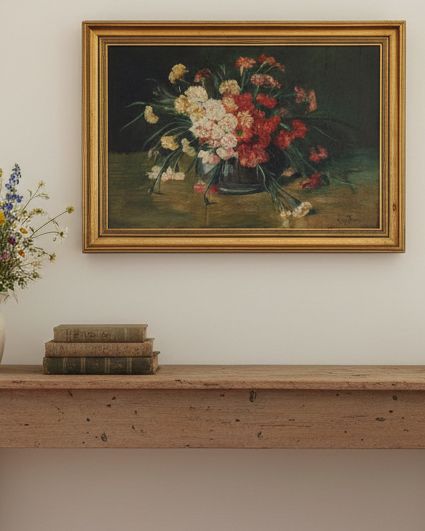
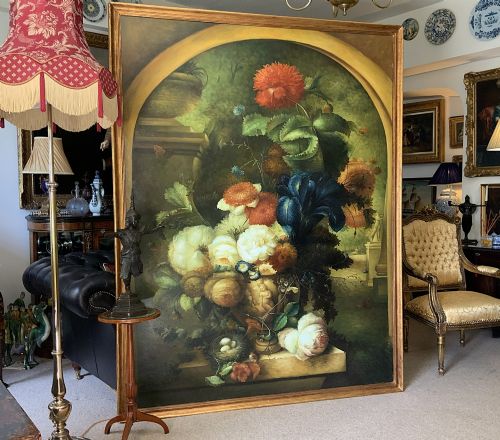
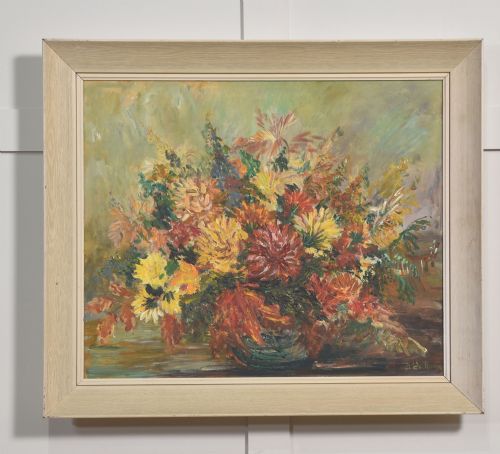
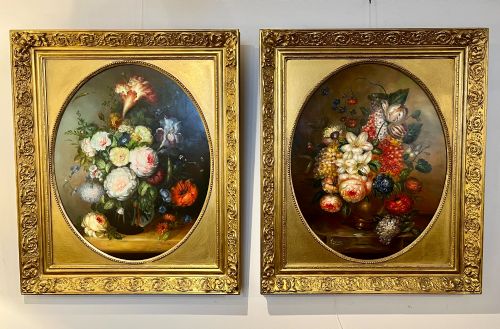
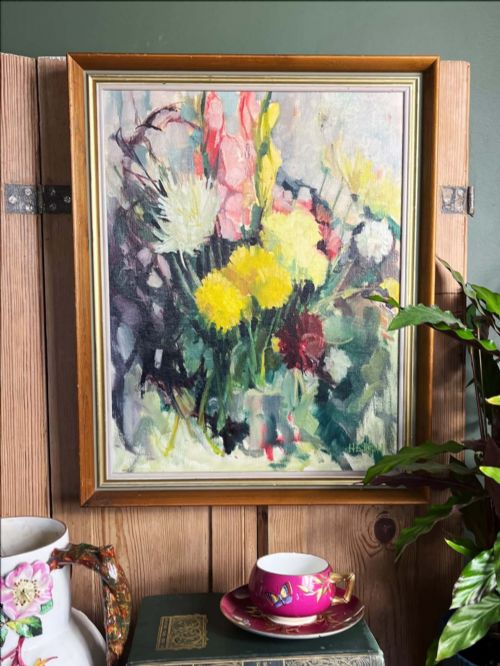
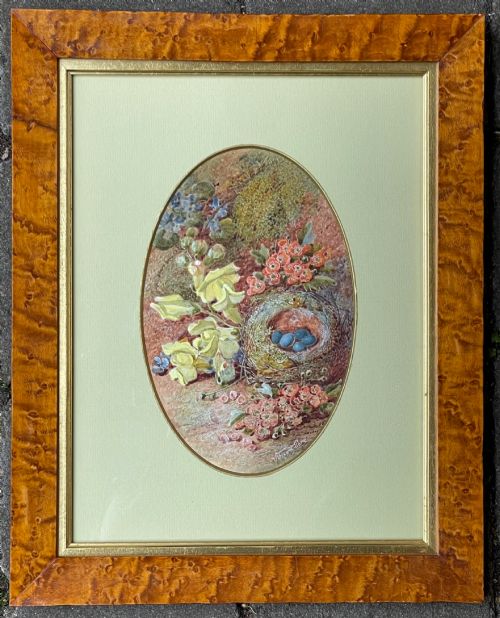
A floral oil painting captures botanical specimens, from loose garden gatherings to structured arrangements in vases, urns and baskets. These works span multiple decades and centuries, crossing artistic movements from classical revival to post-impressionism and modern British styles.
Buyers encounter depictions rendered on canvas, wood panels, board and metal panels. The compositions frequently reference Dutch golden age traditions or classical still life conventions alongside mid-century interpretations.
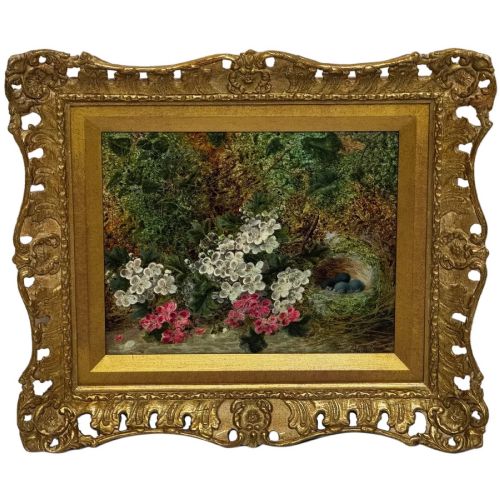
Origin points vary across British, French, Dutch, Swiss and Italian schools, reflecting diverse regional approaches to lighting and brushwork. Many pieces retain their period frames, ranging from simple wood surrounds to giltwood and plaster mouldings.
Materials and construction
Painters applied oil paint using brushes and palette knives onto prepared supports of wood, canvas, card or metal panels. The slow-drying nature of oil medium allowed artists to blend pigments, build rich impasto textures and layer translucent glazes over extended periods.
Substrates required careful preparation with gesso or priming layers to accept the oil medium and prevent degradation of the wood or canvas over time. Finished surfaces were often protected with varnish layers to seal the pigment and deepen tonal values.
Framing utilised traditional joinery and materials such as carved giltwood, silver leaf and plaster ornamentation. These surrounds were specifically proportioned to house panels and canvases securely while complementing the painted subject matter.
Floral Oil Painting Retail Price Guide 2026
Typical asking prices for floral oil painting among the pieces listed under this phrase on Sellingantiques today, from the lower quarter to the upper quarter. They describe what is for sale here now, not the wider market.
The archive demonstrates that artists rendered floral subjects on wood, canvas, metal panels and card across the nineteenth and twentieth centuries.
Factors determining quality
Technical execution separates exceptional works from standard decorative pieces, evident in the artist's command of light, shadow and spatial depth. Superior paintings demonstrate precise botanical observation combined with confident, purposeful brushwork rather than rigid copying.
The harmony of colour relationships and tonal balance dictates visual success. Masterful examples use pigments to create luminous depth within petals and foliage, avoiding muddy transitions or flat, uninspired application.
The integrity of the support surface and the preservation of the original paint layer determine overall condition. Works that retain their undisturbed pigment and period-appropriate framing offer greater authenticity and historical completeness.
I. Berezny·Freda Marston·Terence Loudon·Pierre-Laurent Baeschlin·Albert E Jackson·Isabelle Cohen·Jan van Kessel the Elder·Monnoyer·H C Mellor·Tamara Baussan·Maurice Decamps·W E Littlewood·Moritz Calisch·Owen Bowen·Herbert Davis Richter·Hermione Hammond
The Floral Oil Painting Glossary
- Impasto
- Paint applied thickly to a canvas or board so that it stands out from the surface. This technique preserves the physical gesture of the brush or palette knife and adds tangible texture.
- Giltwood
- Wood carved and covered with a thin layer of gold leaf or gold paint. It frequently forms the decorative frame surrounding antique canvases.
- Still life
- A work of art depicting mostly inanimate subject matter, typically commonplace objects or natural items such as flowers and fruit. In botanical paintings, these arrangements are carefully staged by the artist.
- Panel
- A rigid flat piece of wood, metal or card used as a support for painting instead of stretched canvas. Metal and wood panels offer stable surfaces that have survived across centuries.
- Varnish
- A transparent liquid applied over a finished oil painting to protect the pigment layer from atmospheric dust and pollution. It also saturates the colours and unifies the surface gloss.
Floral Oil Painting: Frequently Asked Questions
How should I clean my floral oil painting?
Dust surfaces gently with a soft, dry brush or feather duster to prevent particulate buildup on the canvas or panel. Avoid using water, household cleaners or chemical solvents directly on the paint layer.
Professional conservators should handle deeper cleaning or varnish removal. Improper cleaning agents can dissolve historical pigments or damage fragile impasto textures.
Where should I hang these paintings at home?
Position paintings away from direct sunlight and excessive moisture sources such as unventilated bathrooms or damp kitchens. Stable indoor temperatures prevent warping in wood panels and cracking in oil paint layers.
Consider eye-level placement in rooms with controlled lighting to appreciate the fine brushwork and colour harmony. Adequate wall space allows period frames to project properly without crowding.
How can I tell the age of the frame?
Examine the construction joints, corner mitres and the composition of the underlying plaster or gesso mouldings. Period frames often show hand-carved details and age-appropriate oxidation on the giltwood or silver leaf surfaces.
Many antique paintings retain their original frames, which were constructed specifically for the canvas dimensions. Replacement frames usually display modern fixings or machine-cut mouldings inconsistent with the painting date.
What is the difference between canvas and panel supports?
Canvas supports consist of woven fabric stretched over a wooden frame, offering slight flexibility and a textured surface weave. Wood, metal and card panels provide completely rigid foundations that require different priming methods.
Panel paintings often date to specific regional traditions and resist the sagging associated with poorly tensioned canvas. Both support types require stable environmental conditions to prevent warping or paint flaking.